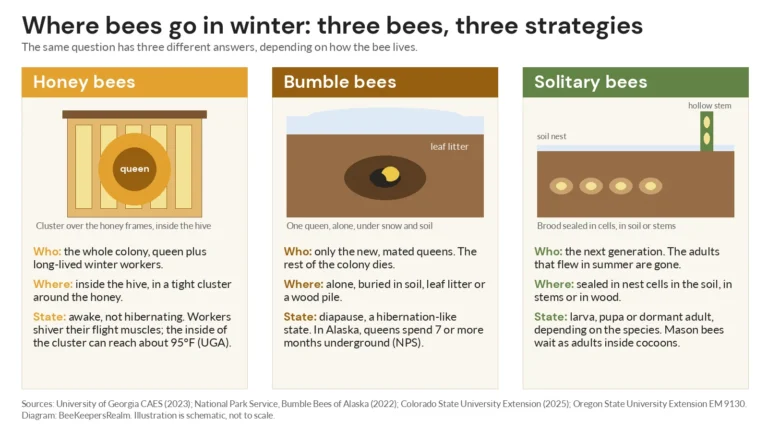
Where Do Bees Go in Winter? What Honey, Bumble and Solitary Bees Do
Honey bees stay in the hive, bumble bees survive only as queens buried in soil, and solitary bees wait in sealed nests. One table and cold-climate figures show where each goes.

Gardening for honeybees, native bees, butterflies and other pollinators: plant choices, garden design, and habitat for the many bee species that are not honeybees. Most bees in a North American garden are solitary. The female provisions her own nest in the ground, a hollow stem or an old beetle hole, and dies long before her offspring emerge the following spring. Gardening for them is a different task from keeping honeybees.
One group profiles the native bees you are likely to meet: mason and leafcutter bees in orchards and stem bundles, squash bees in pumpkin flowers before sunrise, mining and sweat bees in bare ground, bumblebees, wool carder bees and cuckoo bees, plus an identification chart sorted by nesting behavior. A second group covers the garden itself: fall-blooming flowers, container gardens, companion planting, and what the research says about lavender, No Mow May and bumblebee nest boxes. A third looks at habitat: bee bricks, mason bee houses that do not become a disease trap, and pesticide-free lawn care.
It is for gardeners who want their planting to do real ecological work, for beekeepers wondering whether their hives compete with wild bees, and for anyone who has found an unfamiliar bee.
Start here:
Honey bees stay in the hive, bumble bees survive only as queens buried in soil, and solitary bees wait in sealed nests. One table and cold-climate figures show where each goes.
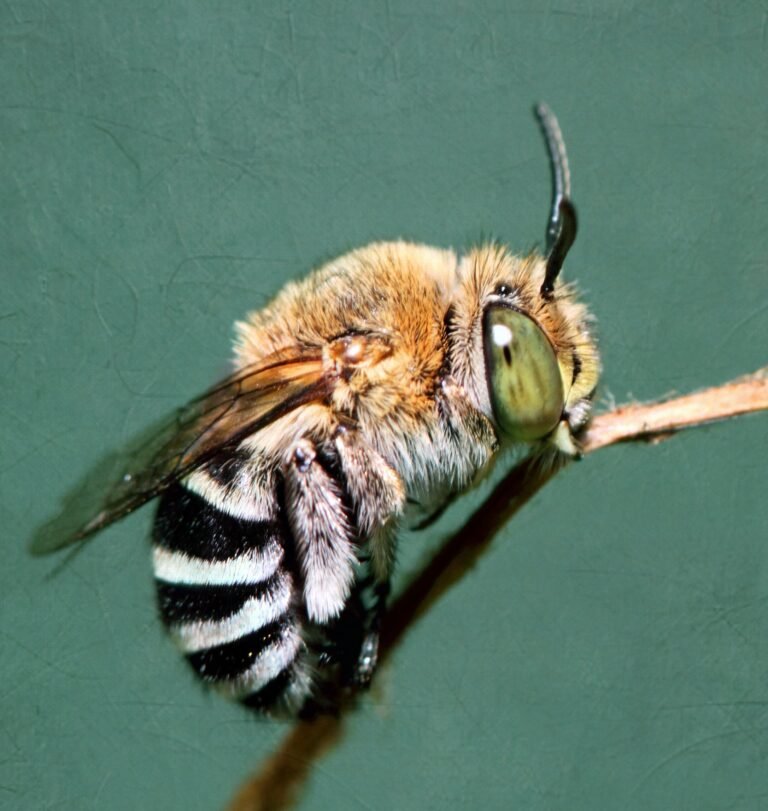
Blue banded bees are solitary Australian native bees that buzz-pollinate flowers at roughly 350 Hz, a trick honeybees cannot do, making them a real research candidate for greenhouse tomato pollination.
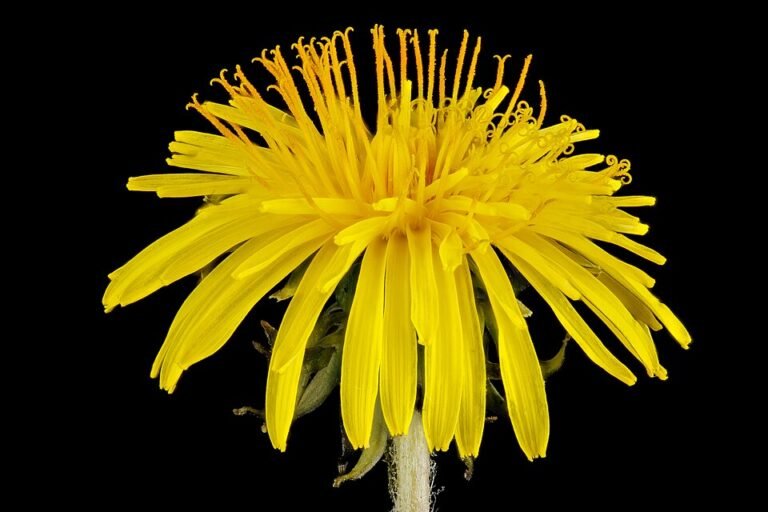
No Mow May spread from the UK to dozens of U.S. towns — but the study behind its most-cited bee statistic was later retracted. Here's what's real.
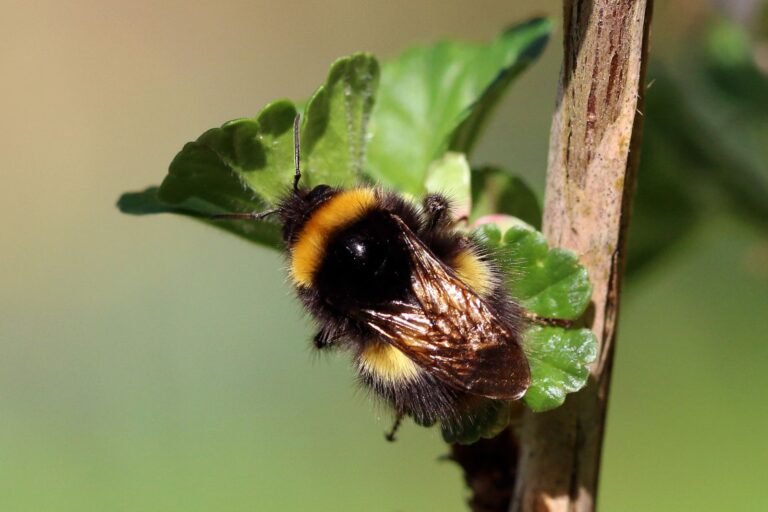
The bumblebee greenhouse growers rely on worldwide has also become an invasive species blamed for pushing a native bumblebee toward extinction.
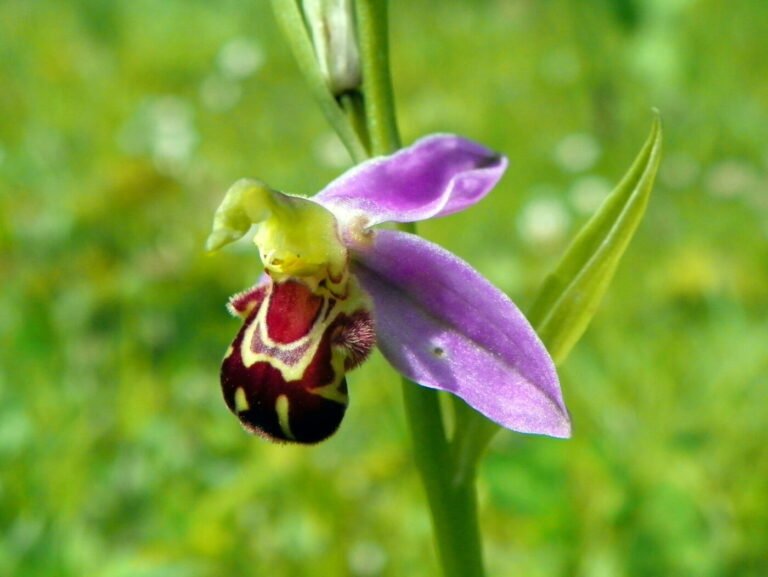
The bee orchid's flower is shaped, colored, and scented to impersonate a female bee closely enough to fool males into trying to mate with it. Here's how the deception actually works, and why it doesn't always have to.
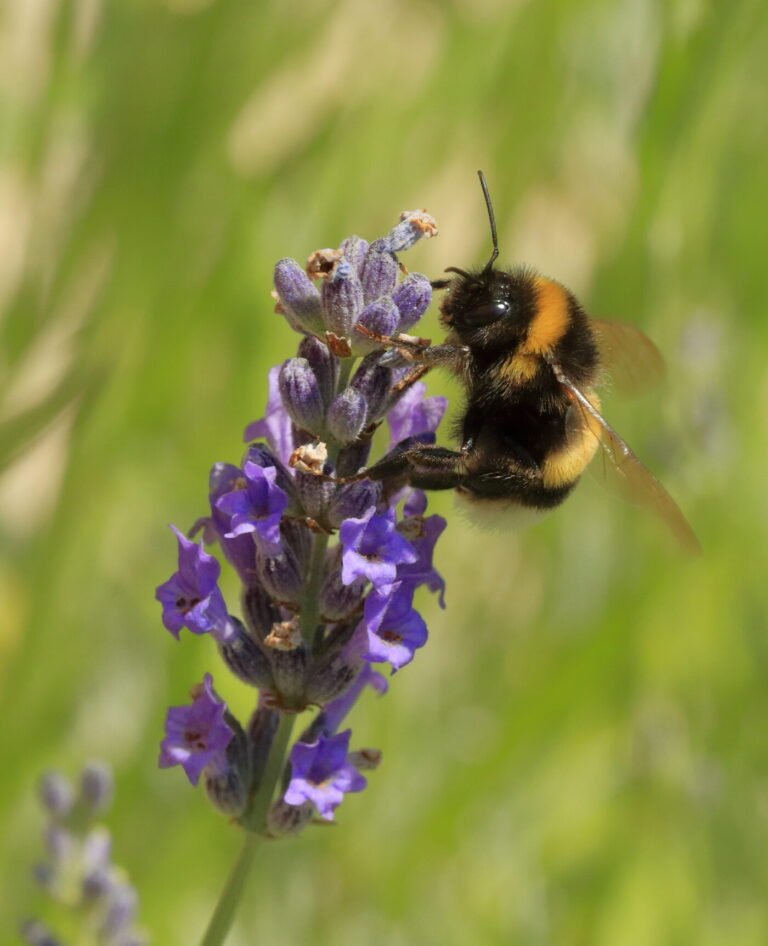
Pollination syndromes pair flower color, shape and scent with bees, hummingbirds, moths, bats and flies. Here is the trait table, plus how often the pattern really predicts the pollinator.
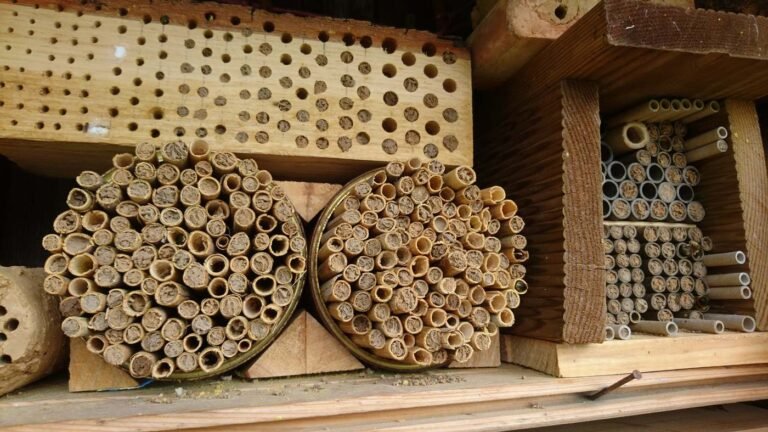
Brighton & Hove's planning policy has required bee bricks in new buildings since 2020, giving Britain's 250 solitary bee species nesting habitat modern construction removed.
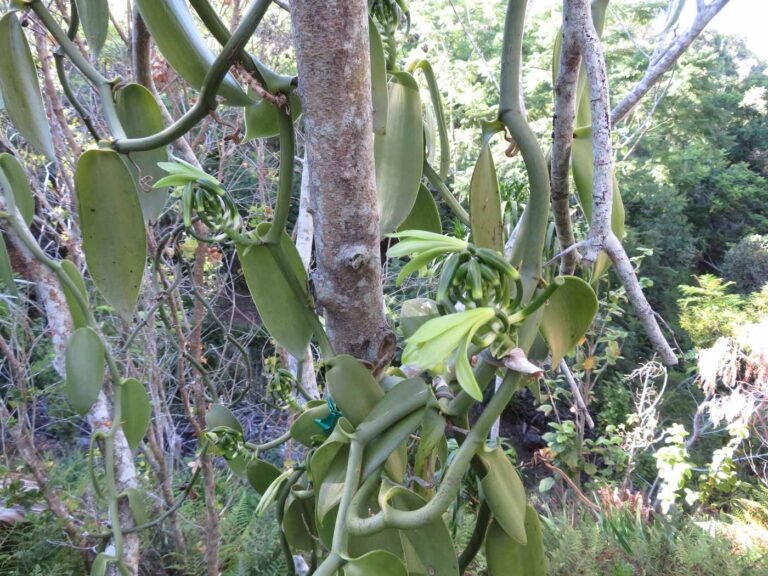
Vanilla orchids co-evolved with a specific Melipona stingless bee native to Mexico, which is why nearly every vanilla pod grown elsewhere is pollinated entirely by hand.
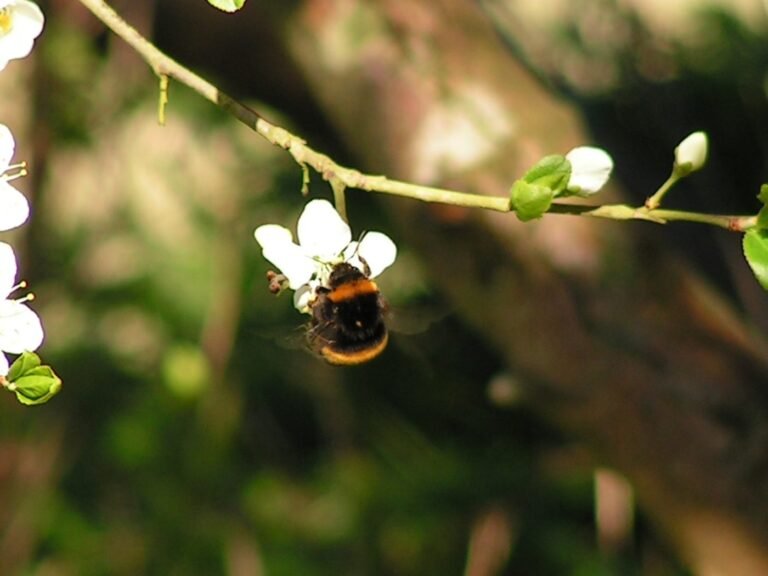
Most bumblebee nest boxes sold for gardens go unused — published studies found occupancy rates as low as 0-1.5% — but design and placement can meaningfully improve the odds.
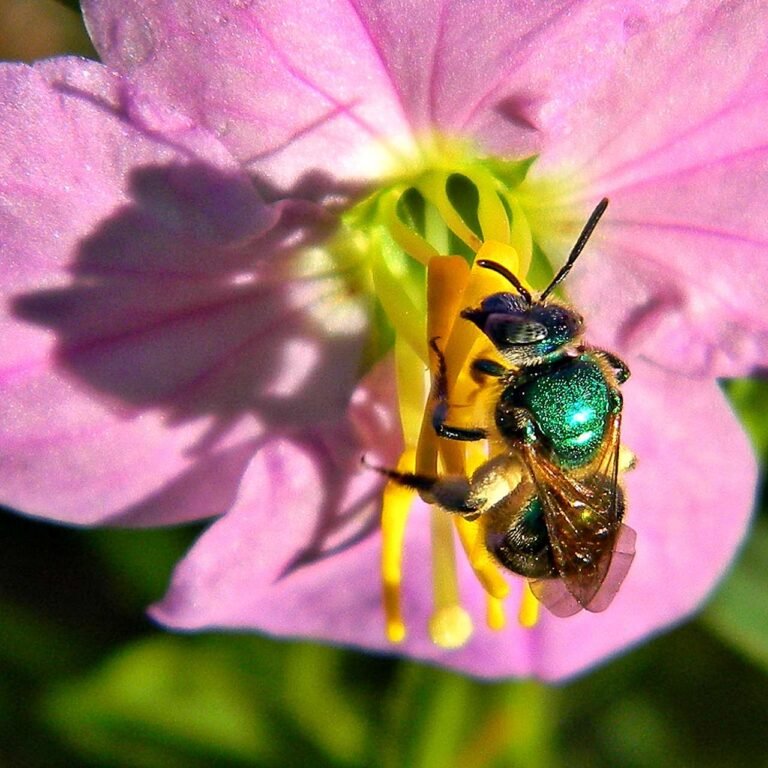
Bumblebees can vibrate flowers to release pollen honeybees can't reach, a technique called buzz pollination. Here's how it works and why tomato greenhouses depend on it.
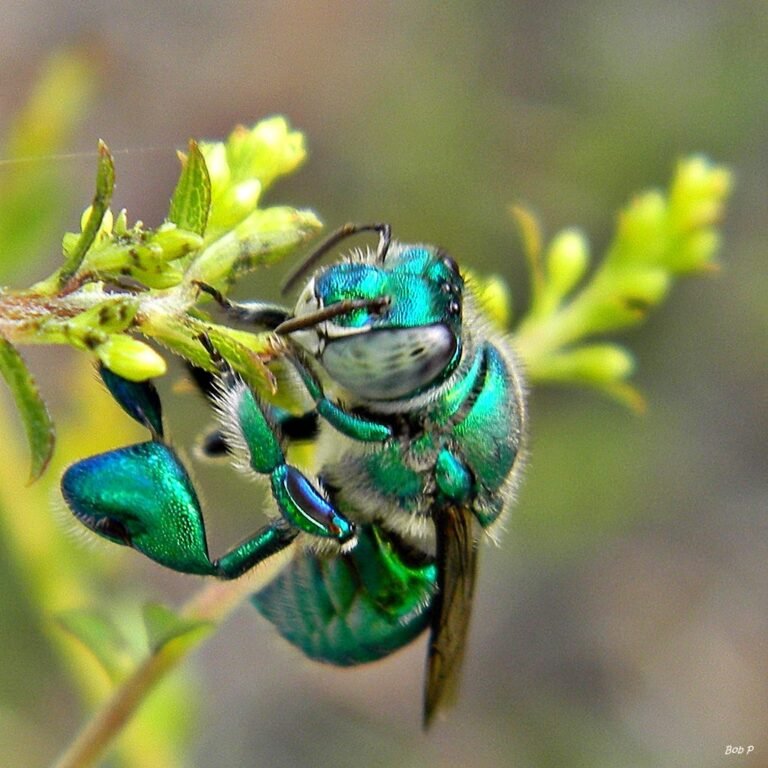
Male orchid bees collect floral fragrance compounds instead of pollen, storing them to use in courtship displays. Here's how this unusual behavior pollinates some of the rarest orchids on Earth.
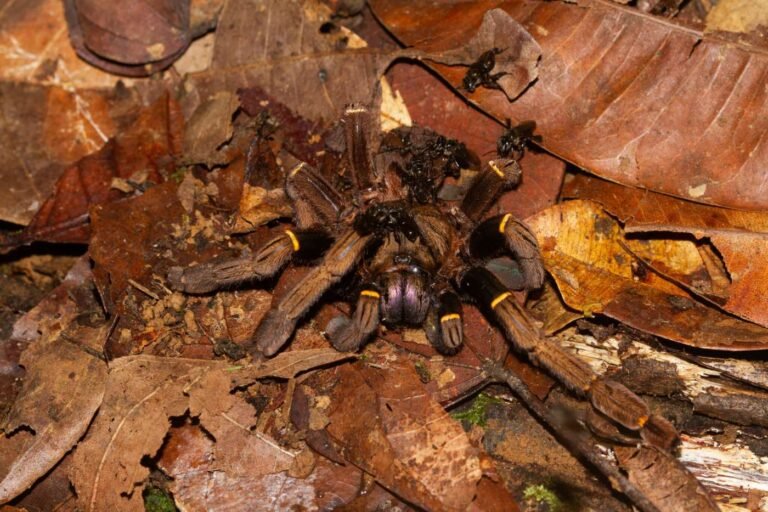
Three species of stingless Trigona bee feed exclusively on rotting meat instead of pollen. Here's how vulture bees find carrion, digest it safely, and turn it into a honey-like food.

What National Pollinator Week is, how it started, and simple ways to get involved and support pollinators in your own yard.
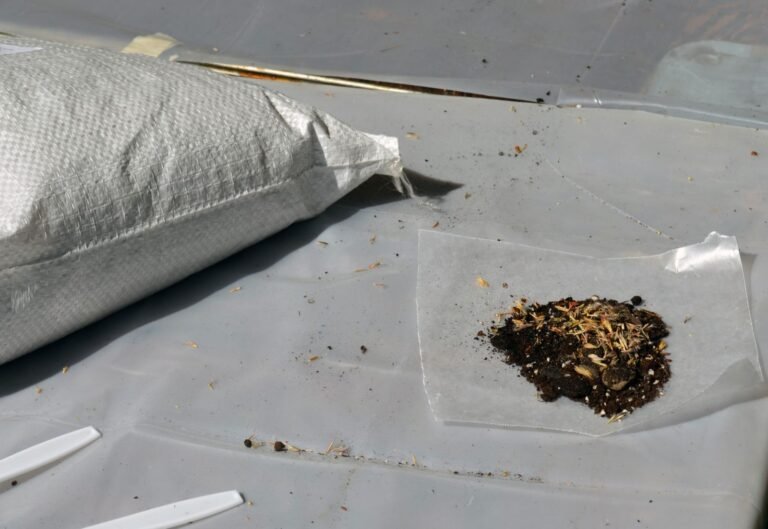
Why most seed bombs thrown at random never sprout, and how to actually make one work: native seed sourcing, cold stratification timing, and real placement advice.
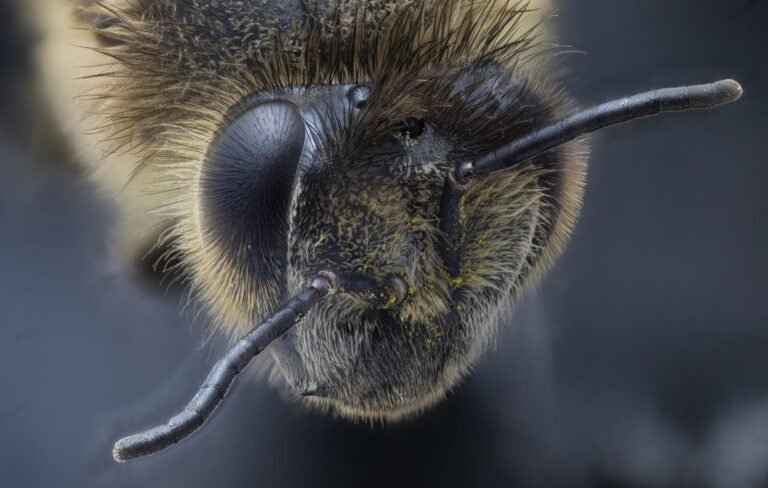
A practical guide to photographing bees up close: camera gear, settings, and the bee behavior patterns that make a shot possible.

How to build a real puddling station: why male butterflies need minerals and why mason bees need clay-rich mud nearby to nest at all - based on Penn State Extension guidance.

Five real citizen-science programs where anyone can help track and protect pollinators, from bumblebee counts to native bee monitoring.

Real research on companion planting for pollinators in vegetable gardens - what a 2020 peer-reviewed study found about borage and strawberries, and why marigolds often underdeliver.
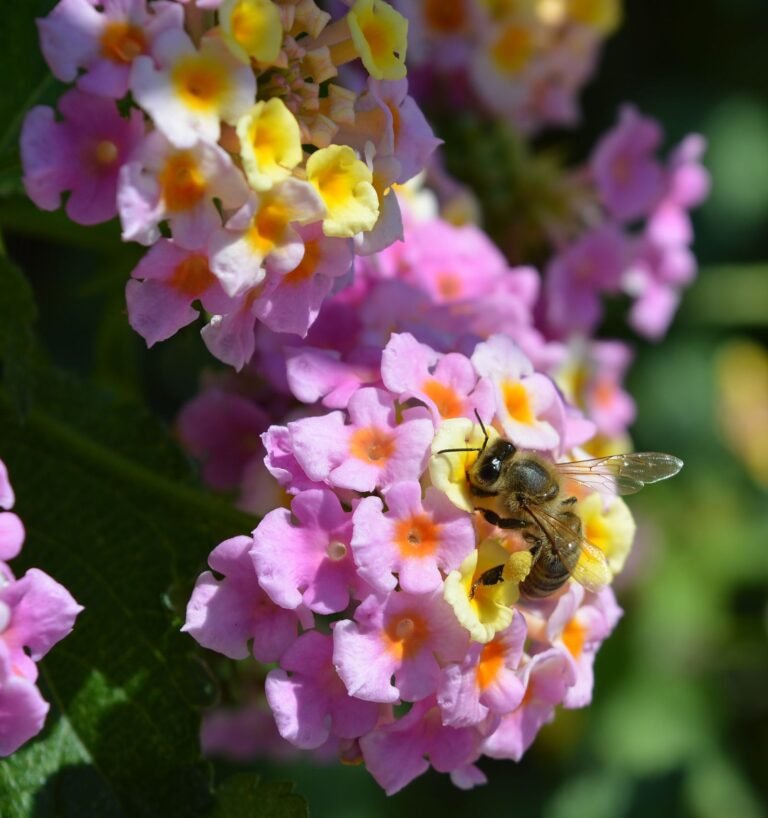
A step-by-step guide to real pollinator habitat in pots, window boxes, and balcony railings for renters and small spaces.

How to design a garden that blooms and releases scent at night to support moths and other nocturnal pollinators.

The best fall-blooming flowers for pollinators — goldenrod, New England aster, swamp sunflower, ironweed, and sedum — matter for a reason most plant lists skip entirely: real research shows honey…

Bee balm (Monarda) is one of the few garden plants that supports both generalist pollinators and true specialist bees that visit almost nothing else — but which species you plant…
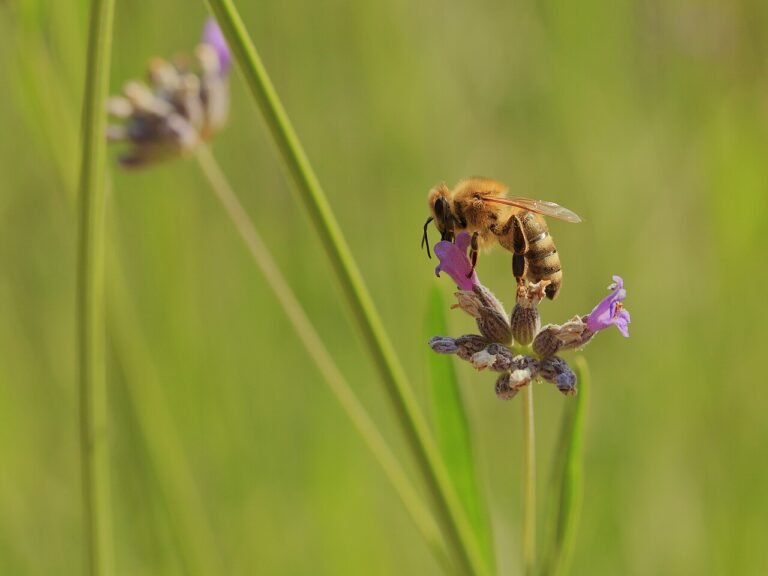
Yes — lavender is one of the most consistently effective bee-attracting plants a home gardener can grow, but not all lavender is equal, and the plant isn’t equally popular with…

Whether backyard beekeeping harms wild bees depends on hive density and local forage, per peer-reviewed research including a 2025 island exclusion study and a 2026 systematic review.

A pesticide-free lawn for pollinators doesn’t mean giving up on having a lawn — it means removing the specific chemicals and timing choices that actually hurt bees, while keeping the…