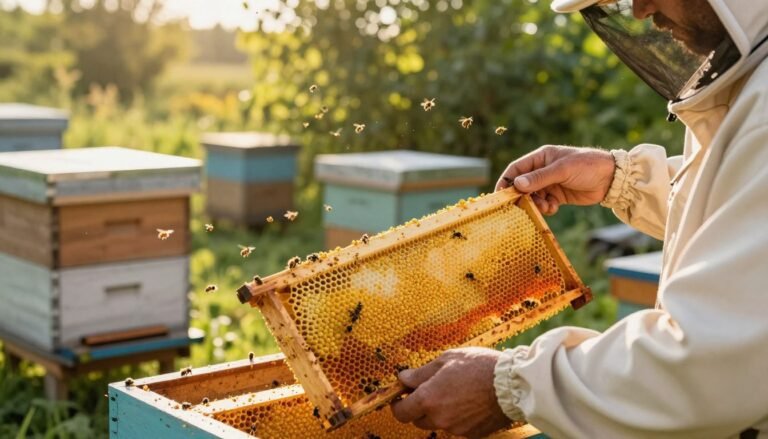
Reusing Pollen Frames: When It’s Not Recommended
Find out when not to reuse pollen frames and how to properly maintain your beehives. Expert guidance on beekeeping for a healthy colony.

Most disease in an apiary is carried in by the beekeeper, on a hive tool, a swapped frame, a shared feeder or a box bought second-hand. Bees do the rest through drifting and robbing. The guides here are about closing those routes: yard layout that reduces drift, cleaning and sanitizing tools, gloves, extractors and uncapping knives, what to do with a deadout before any of its comb goes back into service, and how to move colonies between yards without moving trouble with them.
Three habits pay for themselves. First, treat a deadout as a diagnosis, not a resource: work out why it died before reusing anything, because scale from American foulbrood in old comb is invisible at a glance and a notifiable disease in most jurisdictions, while comb from a starved or mite-collapsed colony can usually go back in. Second, keep a separate hive tool, or scorch the one you have, between a sick colony and the rest of the yard, and inspect the suspect hive last. Third, sample every hive for mites rather than only the ones that look weak, since drift spreads mites evenly across a row.
These guides are for anyone running more than one hive, and essential for anyone running more than one yard.
Start here:
Find out when not to reuse pollen frames and how to properly maintain your beehives. Expert guidance on beekeeping for a healthy colony.
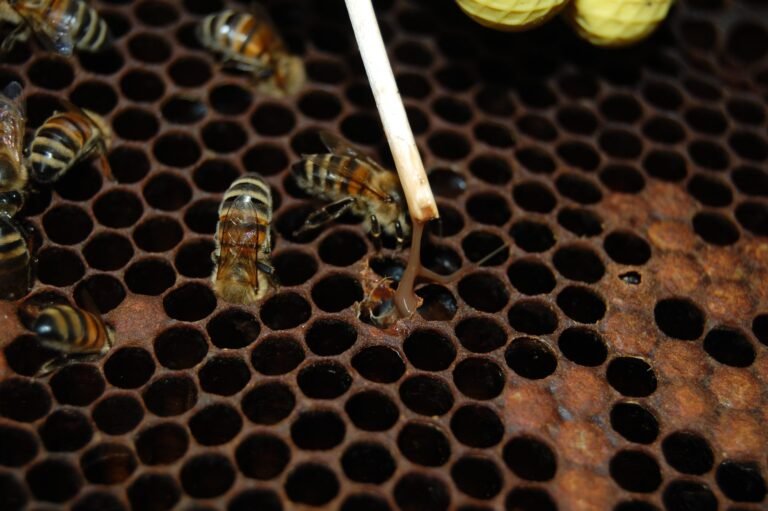
A multi-yard disease log template: the fields, condition codes and movement records that let you trace bee disease between yards, plus a worked example.
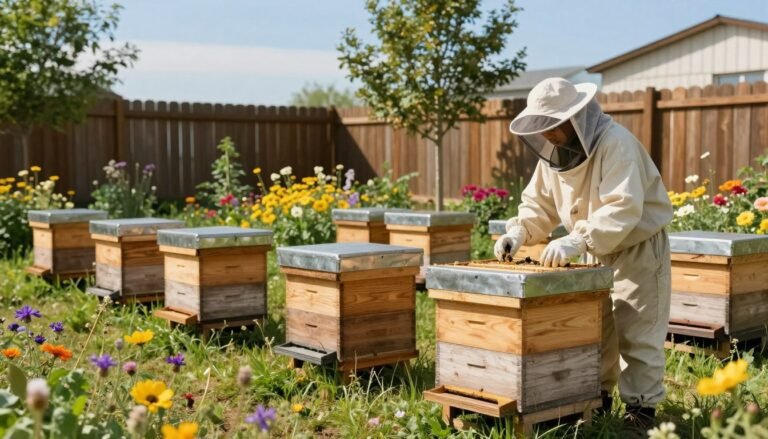
Learn how to set up a quarantine yard for bees with our step-by-step guide. Discover the essential steps to isolate and care for your bees effectively.
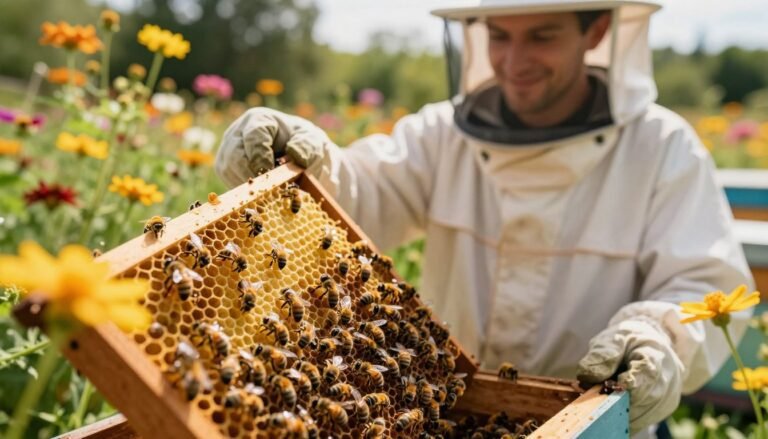
A practical guide to recognizing common honey bee diseases and pests, from Varroa and Nosema to foulbrood, chalkbrood and small hive beetle, and keeping colonies healthy.
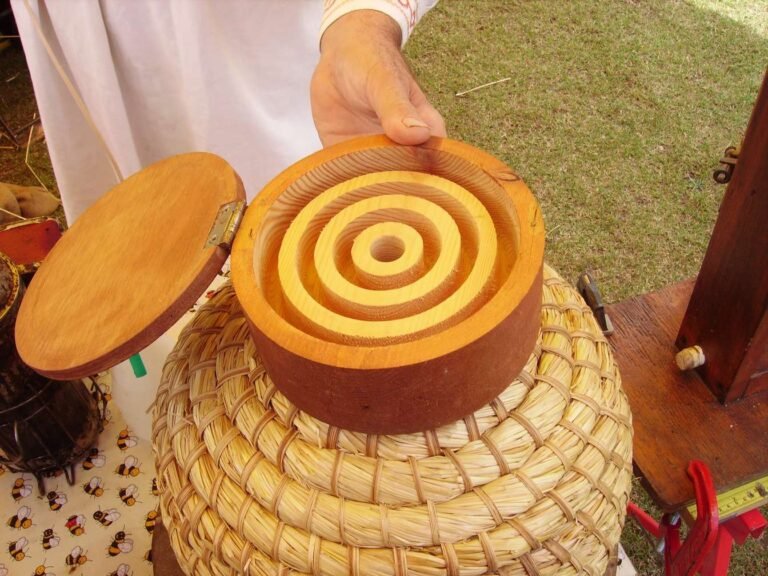
Find out can shared feeders spread disease and how to mitigate these risks. Essential reading for those who enjoy backyard birdwatching and want to stay safe.
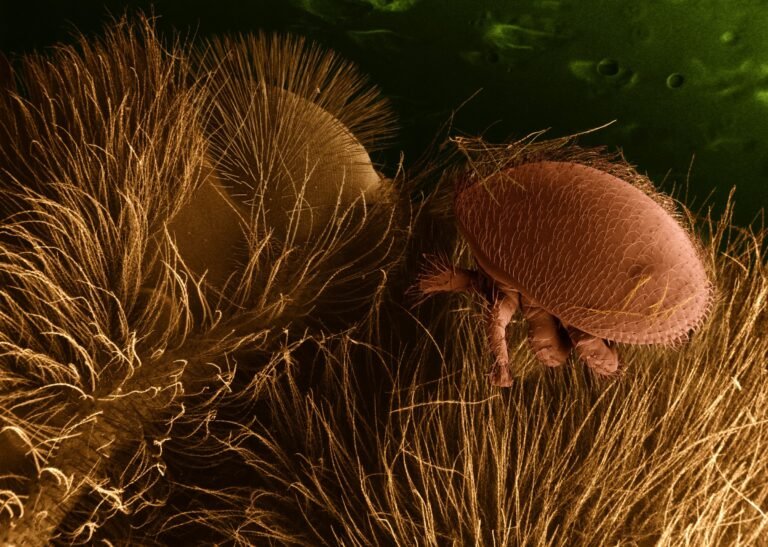
Why drifting bees spread Varroa mites between hives, what the research says about robbing as an even bigger transmission route, and how to reduce both.

Learn how to bag and send bee samples to a lab with our step-by-step guide. Get accurate lab results with proper sampling techniques.
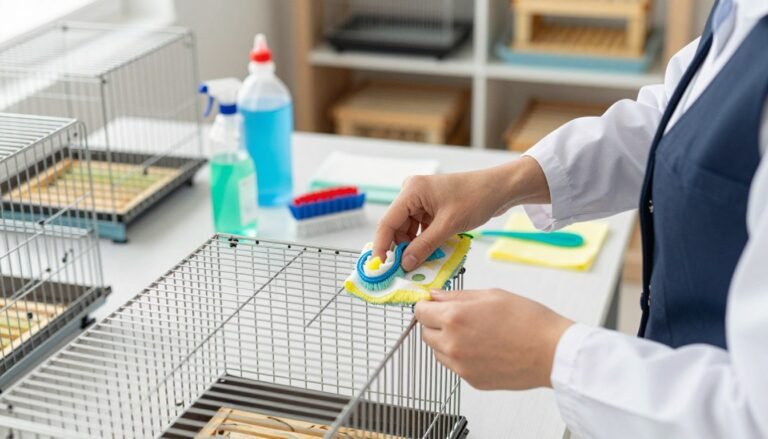
Learn the best practices for sanitizing queen cages before reuse to ensure a healthy beekeeping environment. Follow our step-by-step guide for effective queen cage sanitation.
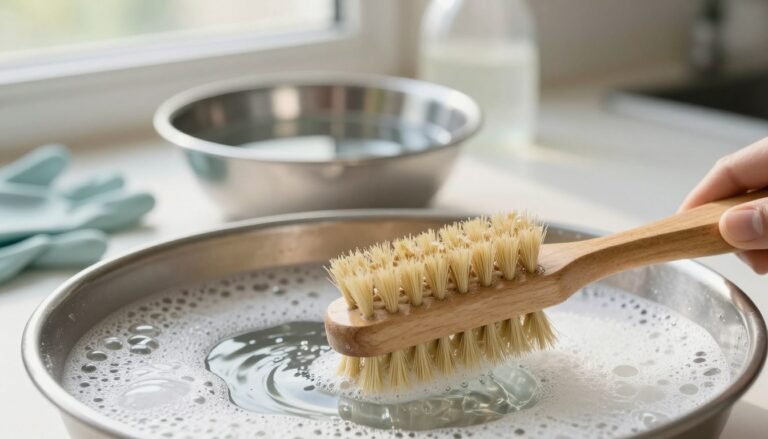
Learn the steps on how to disinfect a bee brush effectively to maintain beehive health and hygiene. Follow our guide for best practices.
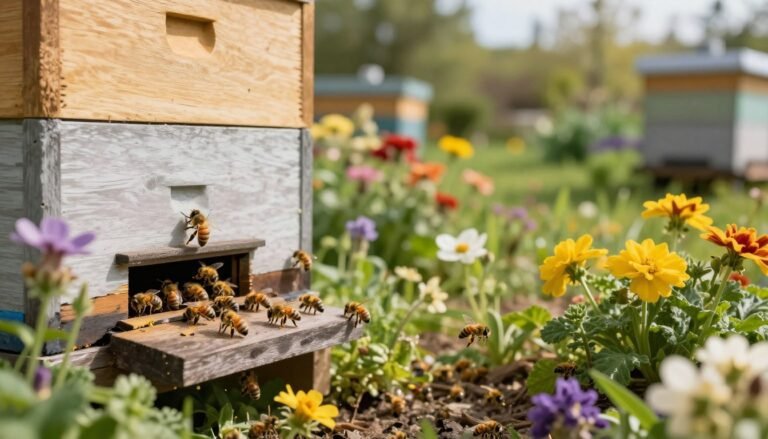
Find out how to prevent robber bees from cross-yard contamination and protect your apiary. Our step-by-step guide provides actionable tips for beekeepers.
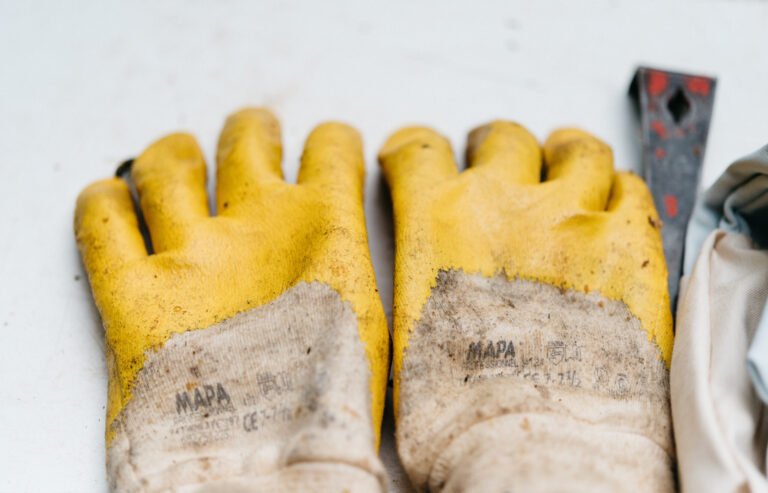
How to clean or swap beekeeping gloves between hive inspections without slowing down: which gloves can be sanitized, a quick between-hive routine, and when to bag and bin them.
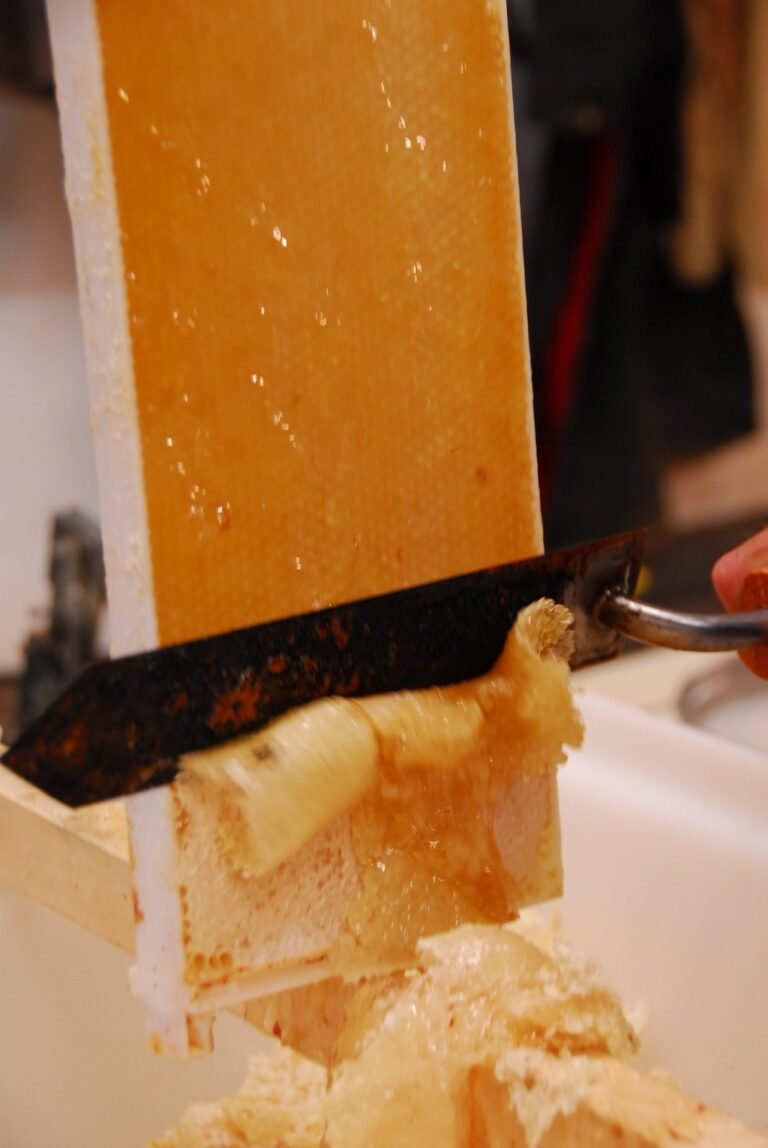
Clean an uncapping knife while it is warm, never submerge an electric one, and stop honey burning on. Step-by-step care for hot and cold knives, plus fixes.
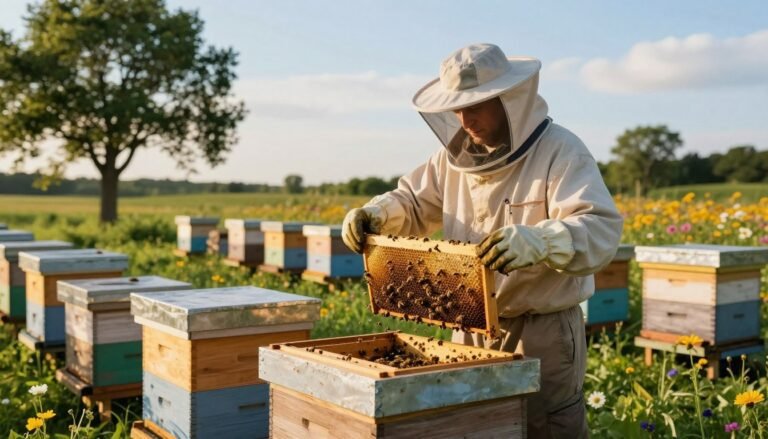
Learn the best practices for moving bees between apiaries without spreading disease. Discover how to safely relocate bees and prevent disease transmission in your apiary.
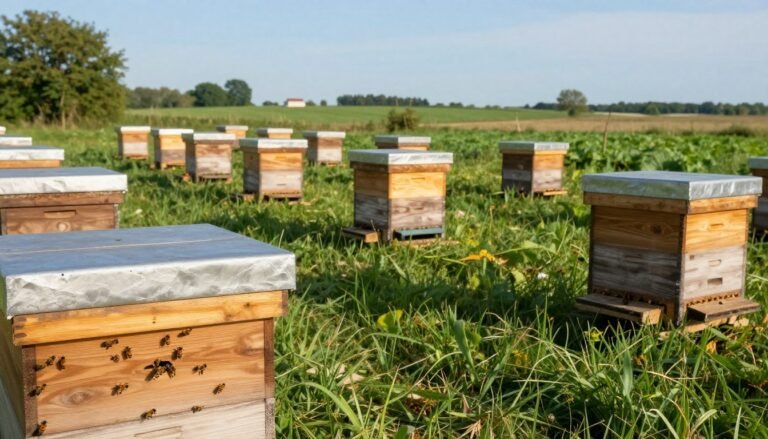
Learn how to optimize apiary entrance spacing for better biosecurity with our step-by-step guide. Improve your beekeeping practices today.
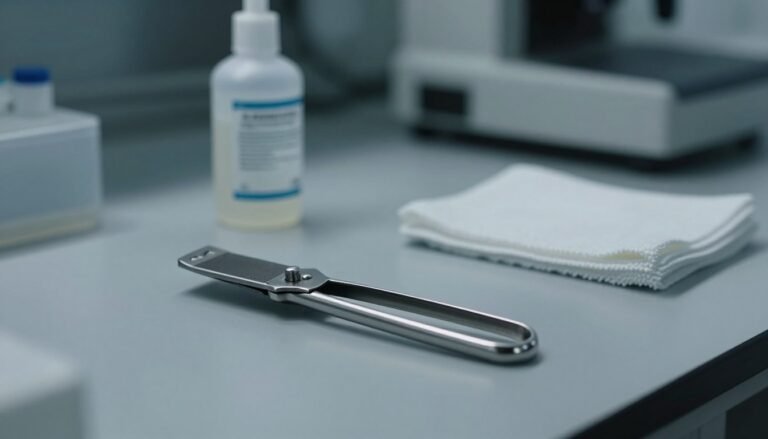
Learn the steps for effective capping scratcher sanitation between batches to ensure product quality and compliance with industry standards.
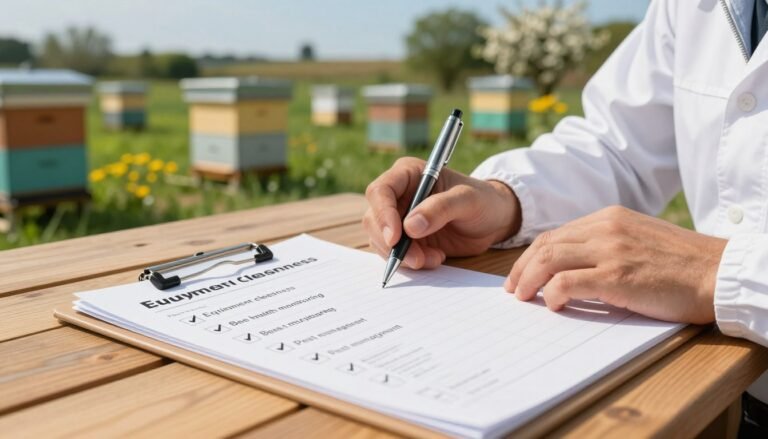
Access our detailed apiary hygiene checklist for inspectors, featuring critical steps for maintaining a hygienic apiary and promoting healthy bee colonies.
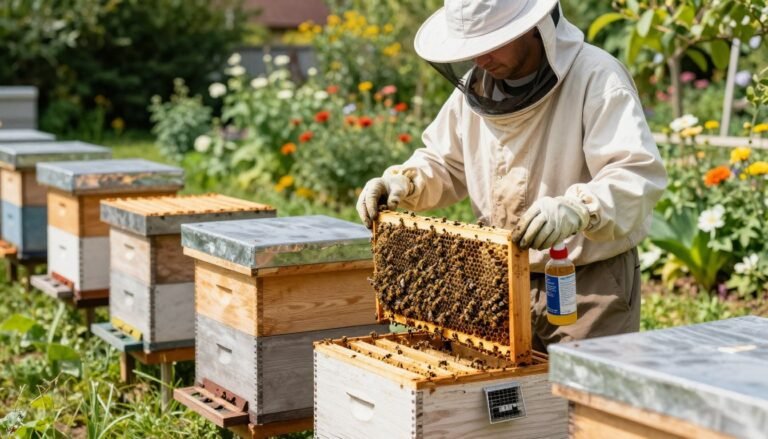
Protect your beehives with effective hive stand sanitation and ant control. Get expert advice on maintaining a healthy apiary environment.
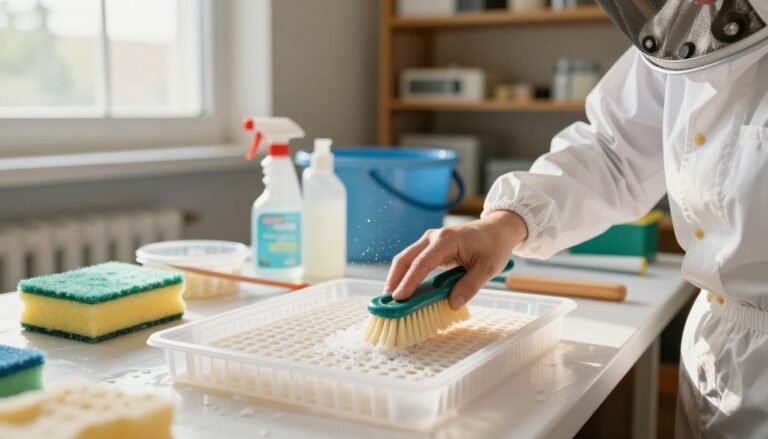
Get a detailed guide on how to clean plastic foundation after colony loss. Follow our expert advice to maintain a clean and healthy beehive.
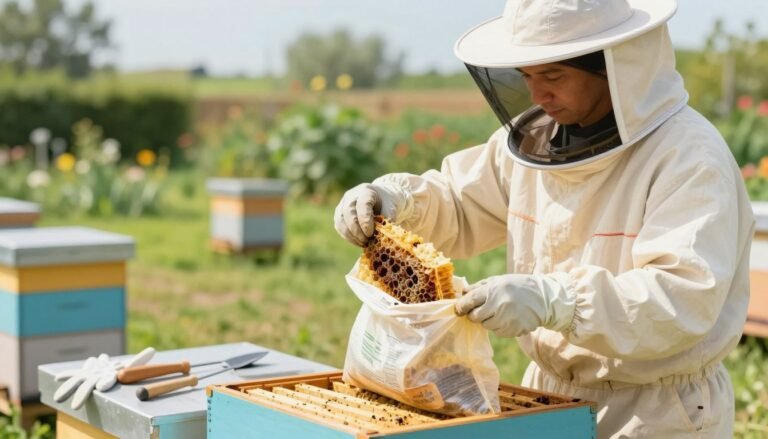
Learn how to dispose of infected brood comb legally with our step-by-step guide. Ensure beekeeping safety and compliance with regulations.
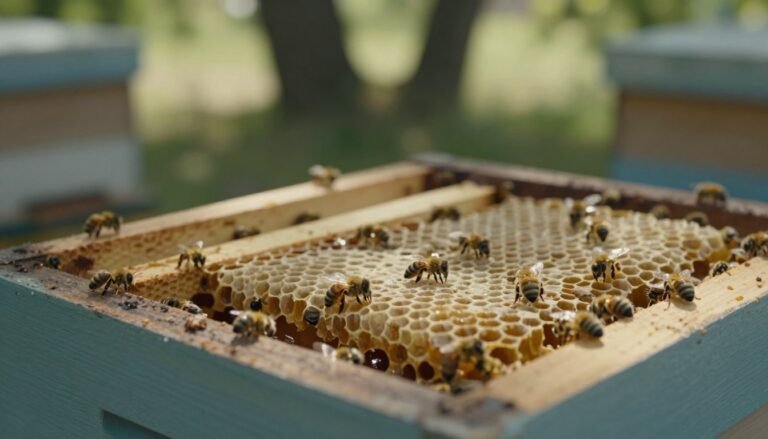
Learn when to isolate a weak hive from the rest of the yard to prevent disease spread and strengthen your apiary's overall health with our expert guide.
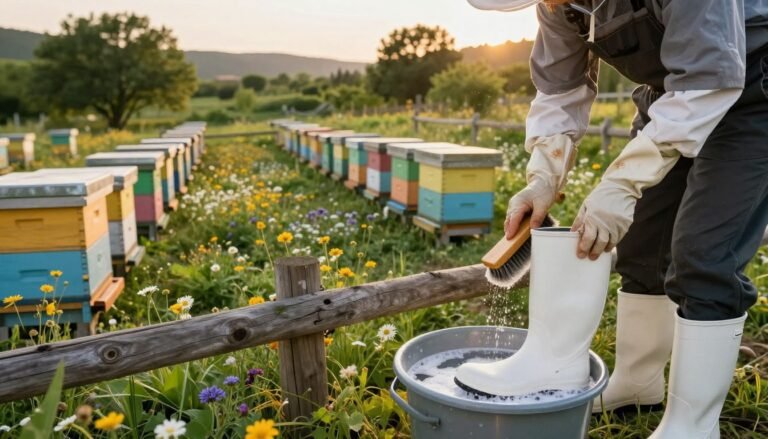
Understand the boot cleaning protocol between apiary yards and how to implement it effectively. Our how-to guide provides detailed instructions for beekeepers.
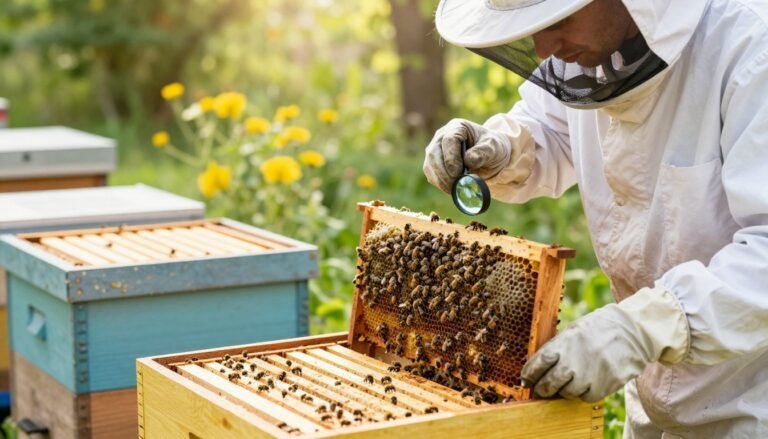
Understand how to inspect purchased nucs for disease risk. Our comprehensive guide provides the necessary steps to inspect and maintain healthy nucs.
Quarantine used beekeeping equipment in 6 stages: vet the seller, refuse risky comb, store it bee-tight, scorch or irradiate, then watch the first colony closely.
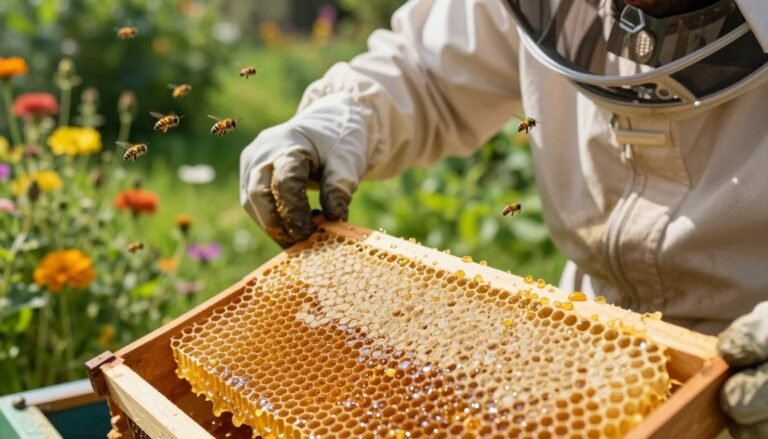
Discover the answer to 'can you extract honey from a colony under treatment' and understand the implications for honey quality and beehive health.
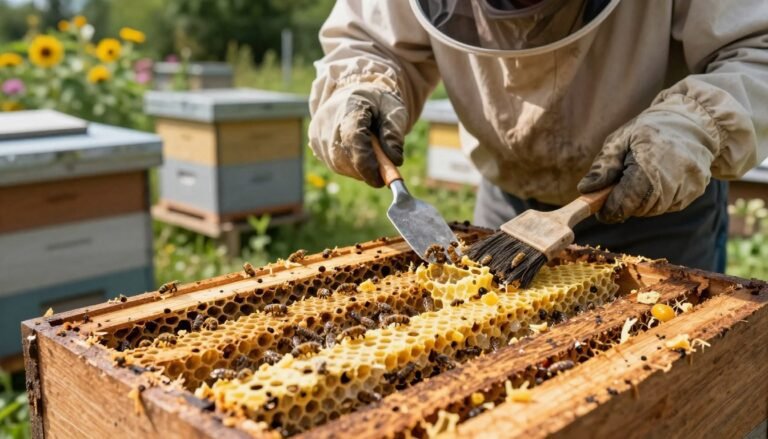
Learn how to effectively reuse hive bodies after wax moth damage with our step-by-step guide. Discover the best practices for restoring beehives.