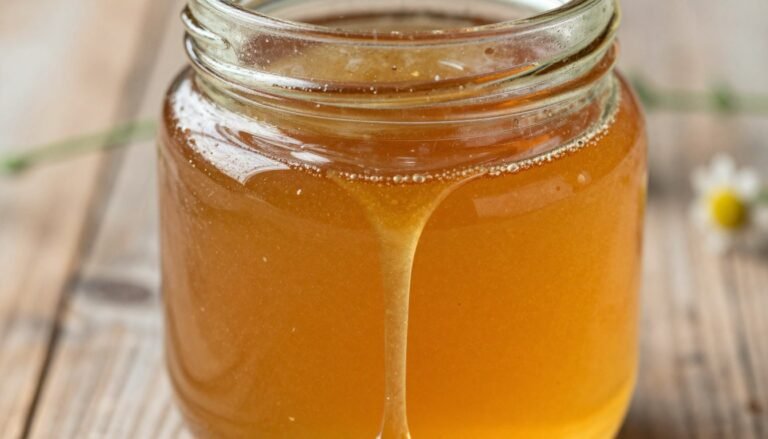
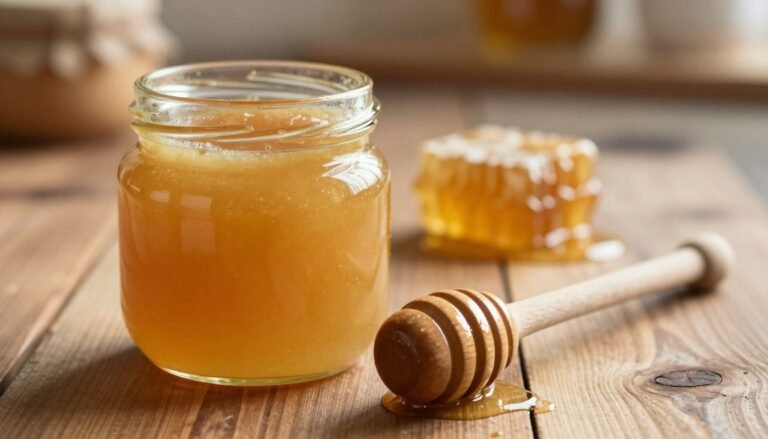
Why Does Honey Separate in the Jar?
Discover the reasons behind why honey separates in the jar and learn simple steps to prevent or reverse this common issue effectively.

Not all honey is created equal, and verifying quality — moisture content, purity, crystallization behavior, and adulteration — matters whether you’re selling at a farmers market or just want to know what’s actually in your own jars. This category covers practical testing methods available to beekeepers without a lab, what quality markers actually indicate, and how to catch problems like fermentation risk or contamination before they become customer complaints.
Moisture is the first thing to get right. Bees cap honey once it is ripe, but in a humid season capped frames can still read high, and extracted honey left uncovered keeps absorbing water from the air because it is hygroscopic. The posts explain how to read and calibrate a refractometer, what water activity adds to a plain moisture figure, and how to tell early fermentation from ordinary granulation. A second group covers the chemistry behind texture and grading: the glucose-to-fructose ratio that makes rapeseed or clover honey set within weeks while black locust stays liquid, the HMF and diastase values that reveal overheating, and electrical conductivity as a marker for honeydew honey.
The rest is bottling practice: settling time, skimming foam, bottling temperature and headspace, why bubbles or layers appear in a jar, and a checklist to run through before a label goes on.
Start here:
Discover the reasons behind why honey separates in the jar and learn simple steps to prevent or reverse this common issue effectively.
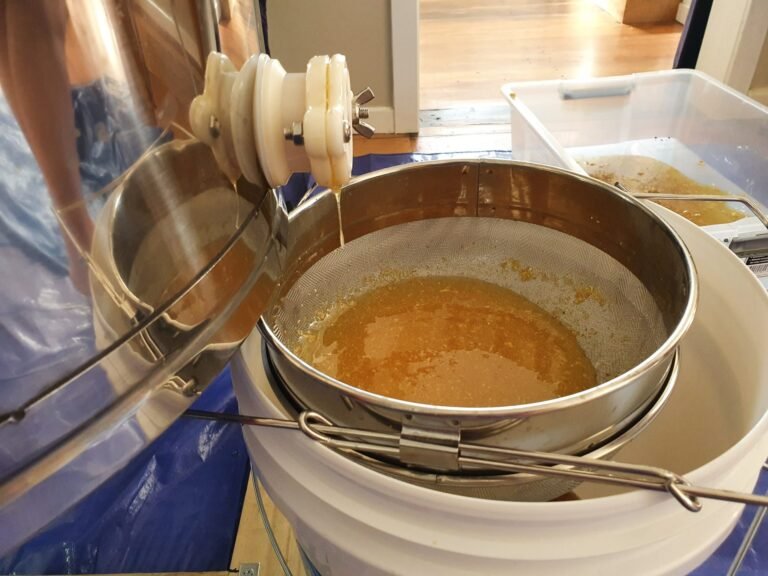
Discover the answer to 'can you bottle honey straight from the extractor' and get a step-by-step guide on how to do it correctly.
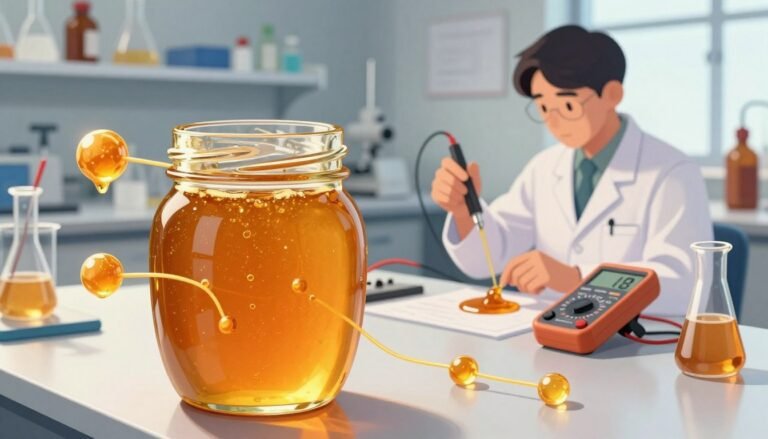
Electrical conductivity in honey explained: Understand the principles, measurement, and significance in honey production with our expert guide.
Discover how floral source changes honey aroma and learn about the factors influencing honey's distinct flavors and fragrances today.
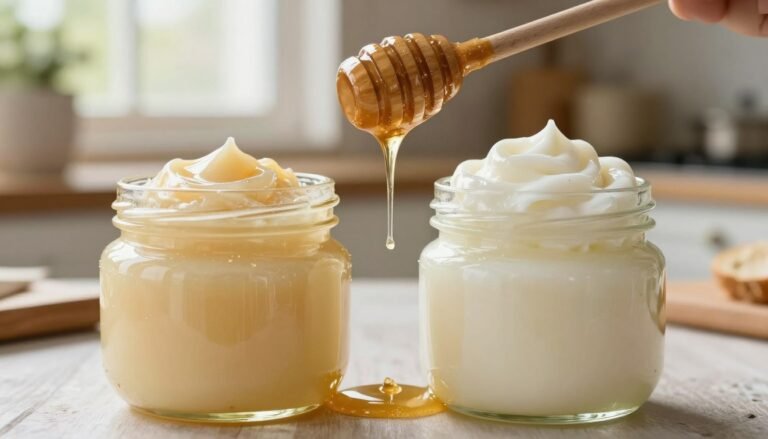
Understand the distinction between creamed honey vs whipped honey. This comparison article explains their differences in texture and usage.
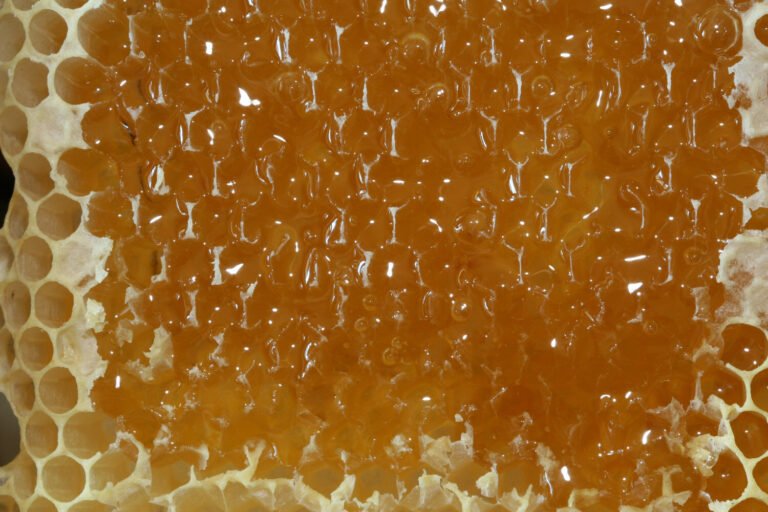
Above about 60% relative humidity, honey absorbs water and fermentation risk rises. Equilibrium table, prairie day-night humidity swings, honey room targets.
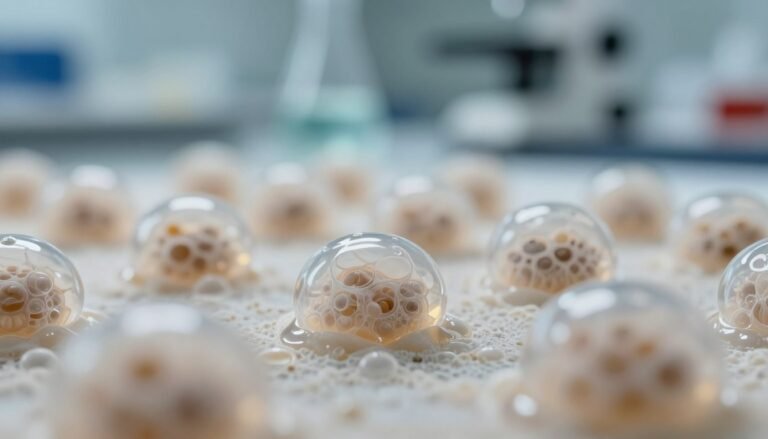
Get a clear understanding of moisture pockets in uncapped cells explained. Our step-by-step guide provides expert insights and practical solutions to this common problem.
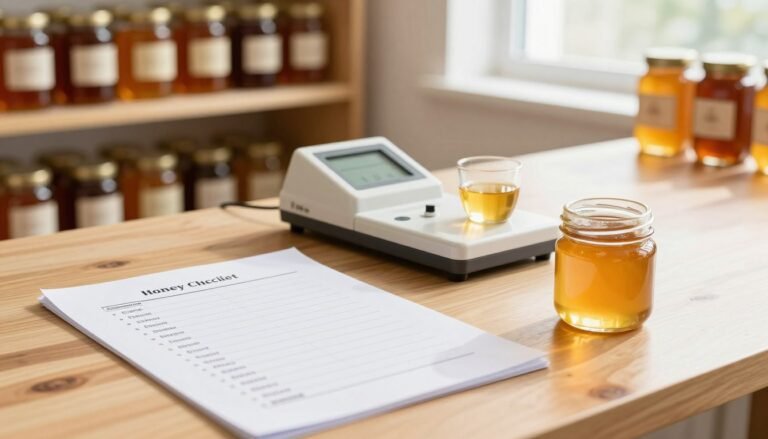
Ensure your honey meets the highest standards with our comprehensive honey quality checklist before labeling for sale. Follow these essential steps for a successful product launch.
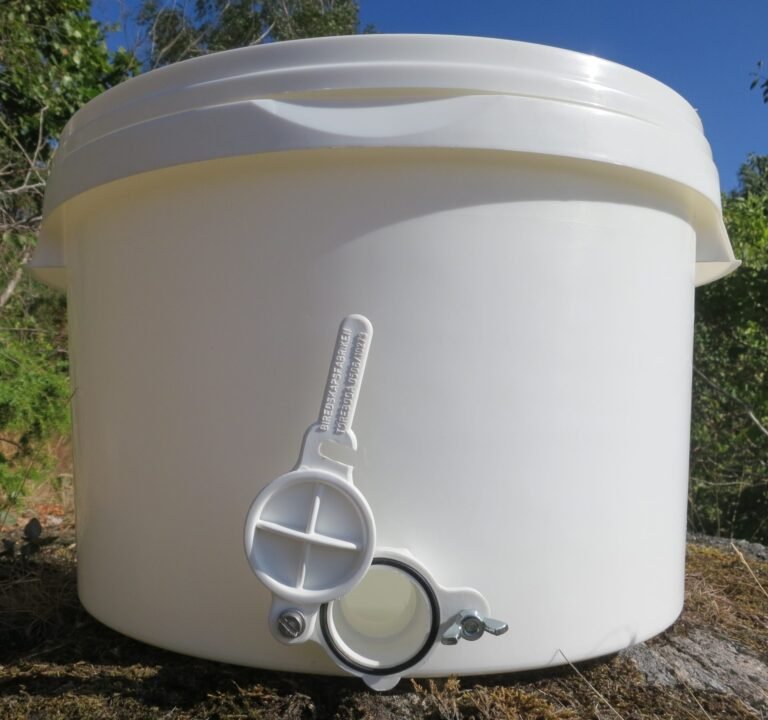
Size a honey settling tank by your biggest extraction day: pounds divided by 12, plus 15% headroom. Includes a size chart by hive count and stand tips.
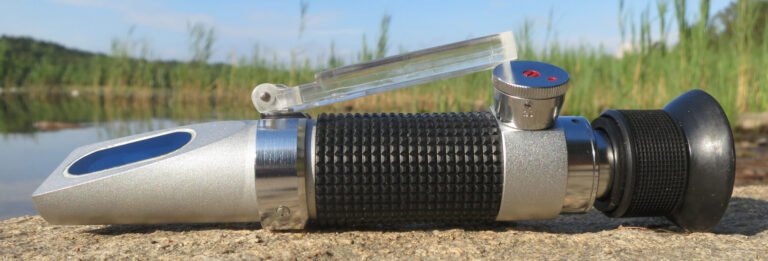
Honey refractometer readings above 18.6% water mean don't bottle yet. The USDA limits, fermentation risk, how to verify a reading, and how to fix wet honey.
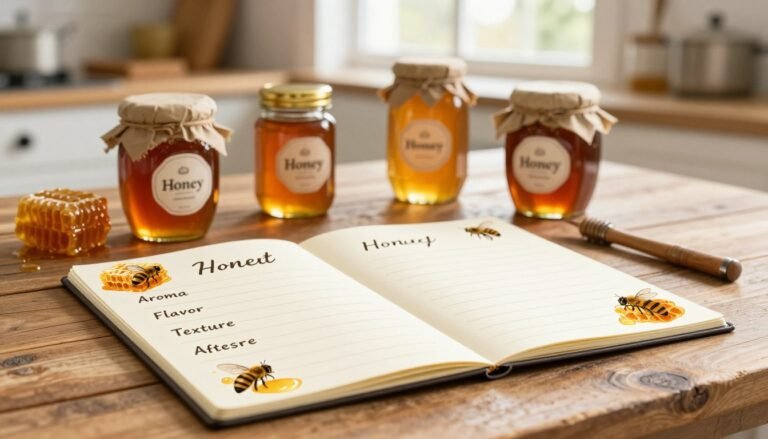
Discover how to create detailed honey tasting notes with our comprehensive honey tasting notes template for small producers, designed specifically for small-scale beekeepers and honey producers.
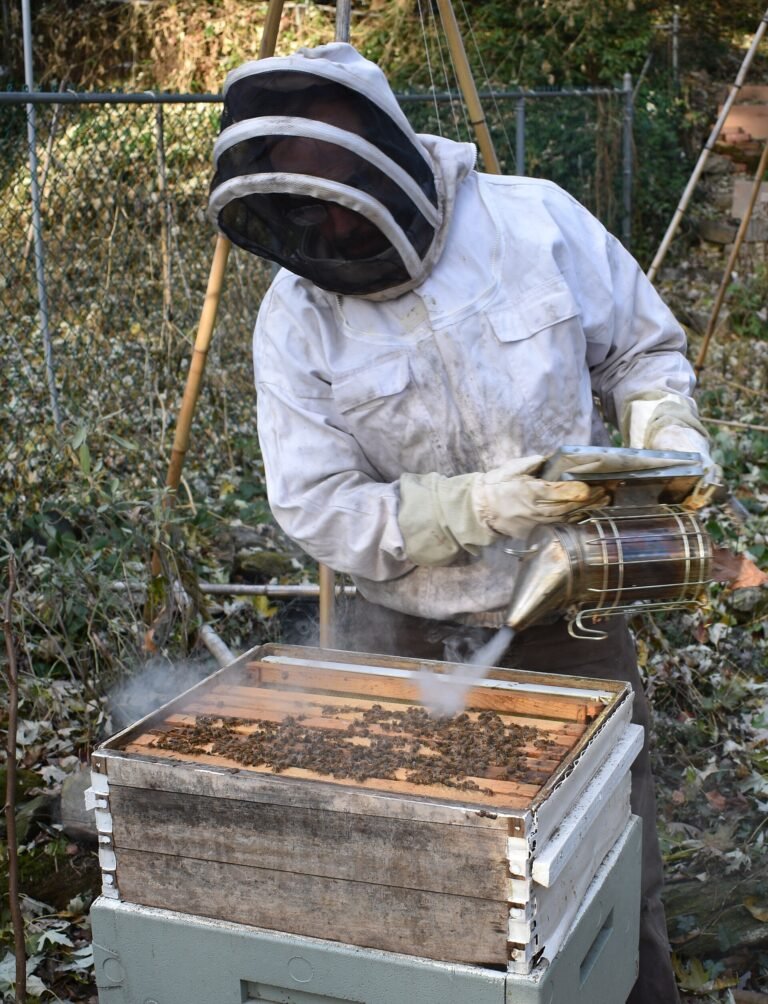
Smoky honey usually traces to smoker residue on cappings, old brood comb, scorching during uncapping, or a dark floral source. Here's how to tell which one.
Understand the importance of headspace guidelines for bottled honey and how to apply them effectively in your production line.
Bottle raw honey at 95-105°F: warm enough to flow and release air, cool enough to protect enzymes. Viscosity data, a step-by-step routine, and common fixes.
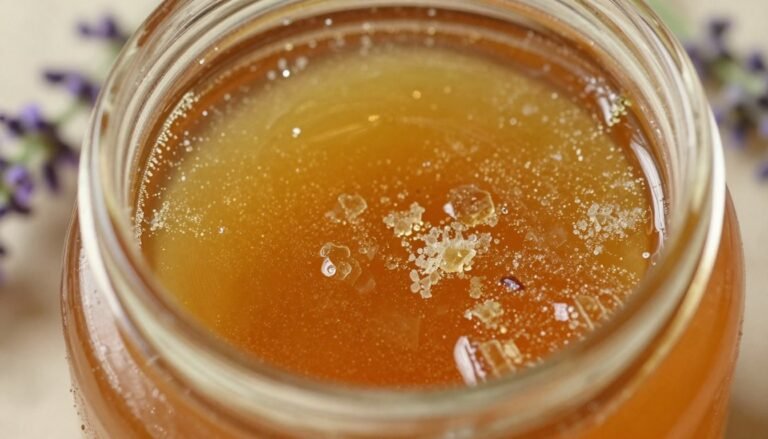
Discover why some honeys crystallize faster than others and learn how to control crystallization in this informative guide.
Discover the sensory signs of overheated honey and learn how to identify them with our expert guide. Get the facts you need to preserve honey's quality.
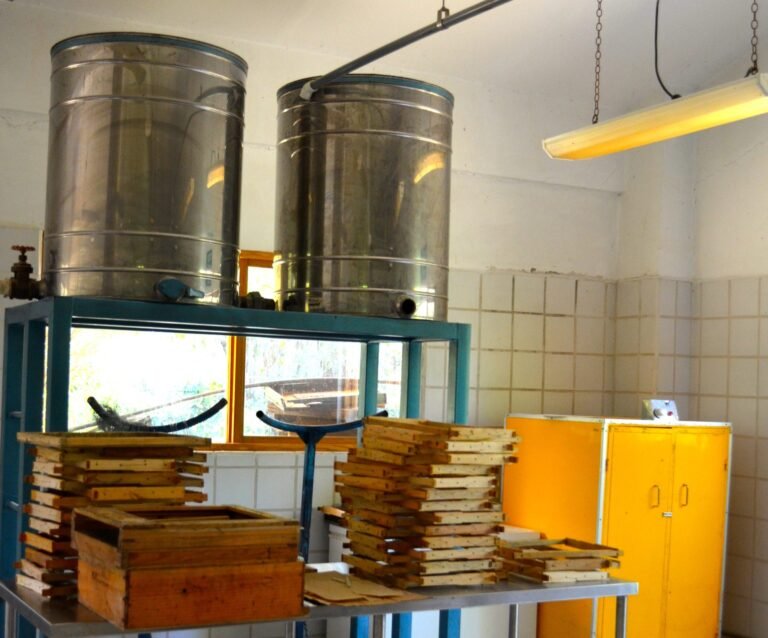
Honey clears in a settling tank in 24-48 hours, but how long can it safely stay? See what temperature, crystallization, moisture and stratification change.
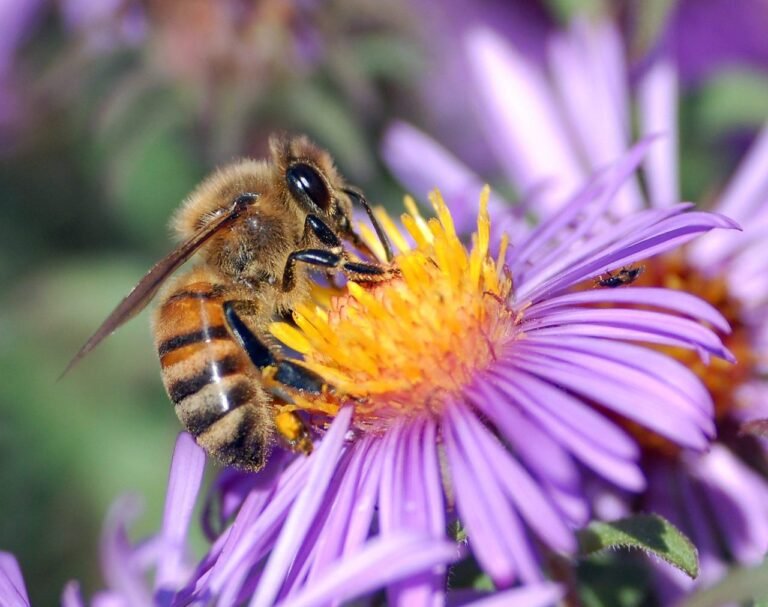
Discover the significance of pollen content in unfiltered honey and its impact on quality and nutrition. Learn more about its benefits and characteristics.
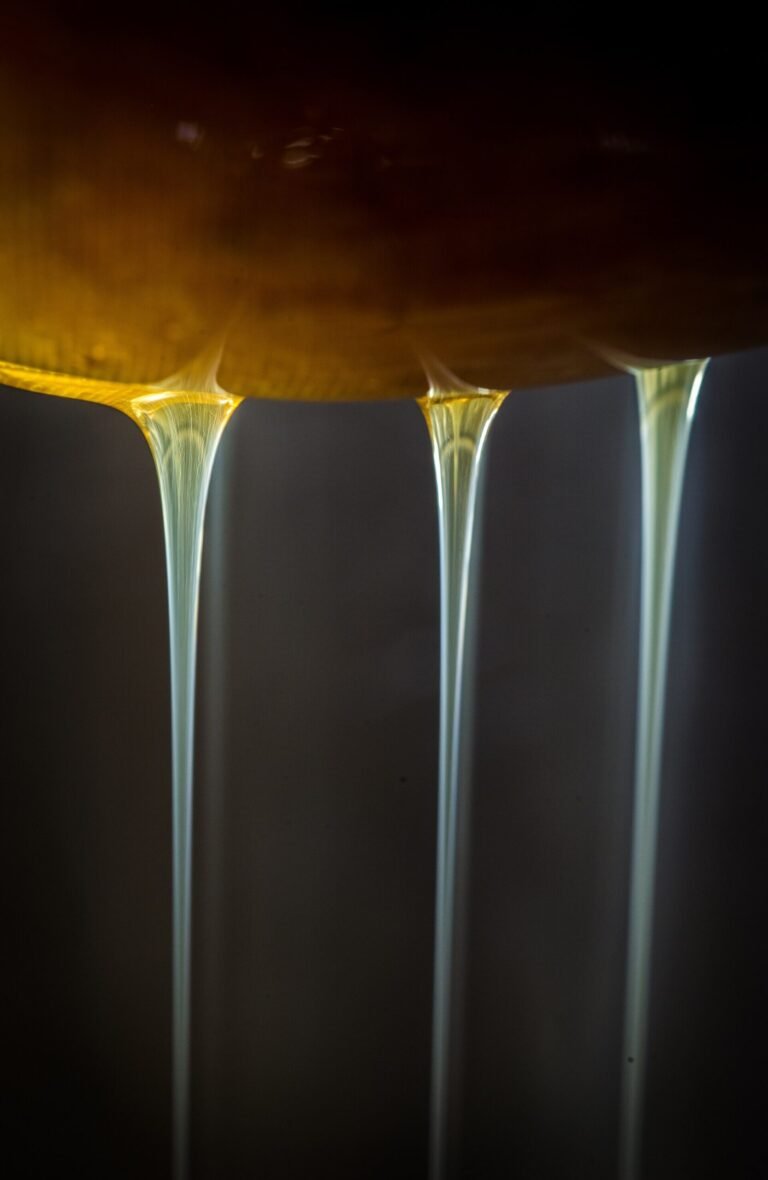
Discover the best practices for how to skim wax and foam after extraction. Follow our step-by-step guide for a flawless outcome.
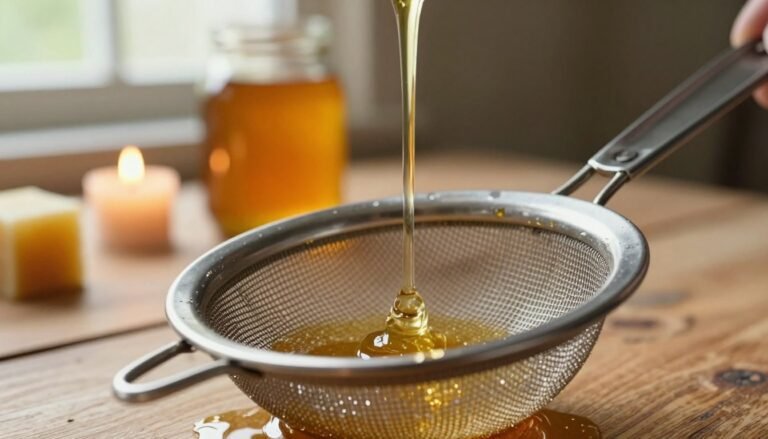
Learn when to use a honey gate strainer to improve your beekeeping practices. Discover the benefits and proper usage of this essential tool for beekeepers.
Discover how floral source changes honey color and affects its quality. Learn about the factors influencing honey's color variation today.
Learn about the significance of glucose fructose ratio and honey texture. Find out how this ratio influences the texture and quality of different honey types.
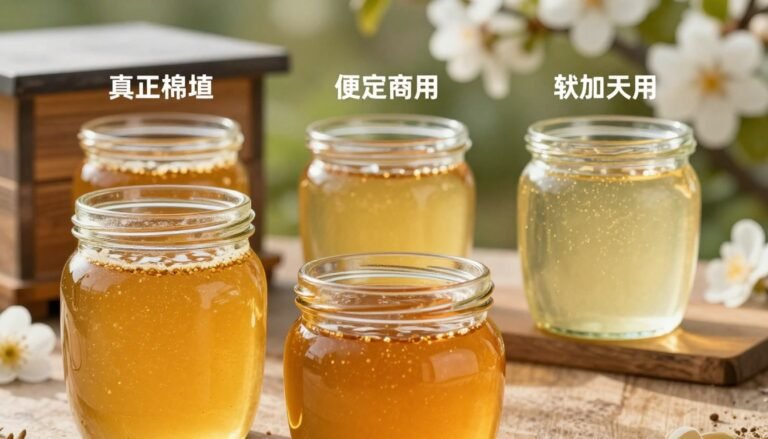
Raw honey filtration levels explained: what straining, filtering and ultrafiltration remove, how pollen size compares to mesh, and what USDA and Codex rules say.
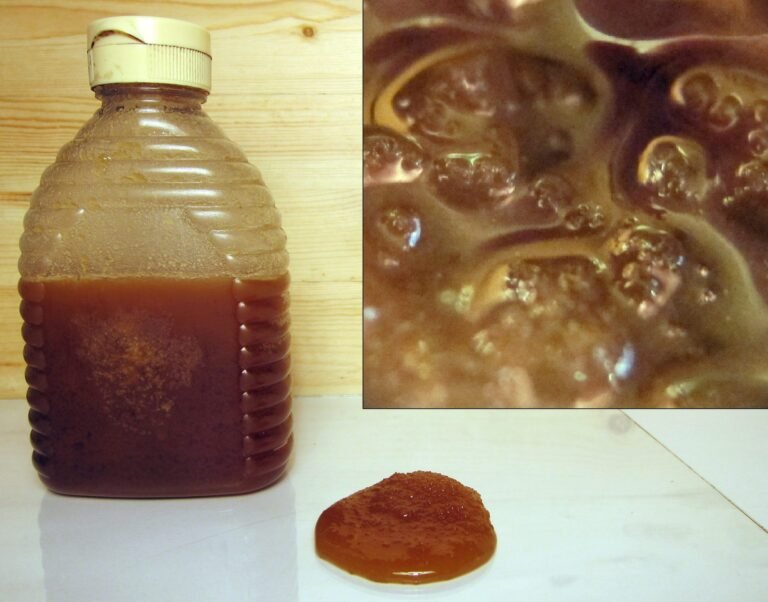
Reliquefy crystallized honey at 100-110°F: methods and times for jars and buckets, how to stop it re-crystallizing, and what to avoid. Hard-set canola tips too.
Seeding ratio for creamed honey: use 5-10% fine seed by weight, per Dyce's Cornell research. Seed amounts by batch size, plus temperature and moisture targets.