
Queen Banking: How Commercial Breeders Store Mated Queens
Queen banking holds caged, already-mated queen bees in a dedicated colony for days to weeks, letting commercial breeders decouple mating from shipping schedules.

A failing or absent queen is one of the most common reasons colonies decline, and recognizing it early, then requeening correctly, takes practice. The guides here cover diagnosing queen failure, introduction methods when the old queen cannot be found, timing requeening around flow and season, and why new queens get rejected.
Diagnosis comes first, and the brood tells most of the story. A spotty pattern can mean a poorly mated or aging queen, but also disease or a hygienic colony removing infested pupae. Drone brood in worker cells points to a drone-laying queen or, if there are several eggs per cell stuck to the walls, to laying workers; the difference decides whether a new queen stands any chance. Queen cells are read by position and number: emergency cells built from worker larvae, a few supersedure cells on the comb face, swarm cells in quantity along the edges.
Introduction methods come next: candy-plug against push-in cages, direct against slow release, why a nuc accepts a queen more readily than a full hive, how weather and dearth affect acceptance, and balling. It is written for beekeepers facing a queenless hive right now and for anyone who wants to requeen on schedule rather than in a panic.
Start here:
Queen banking holds caged, already-mated queen bees in a dedicated colony for days to weeks, letting commercial breeders decouple mating from shipping schedules.
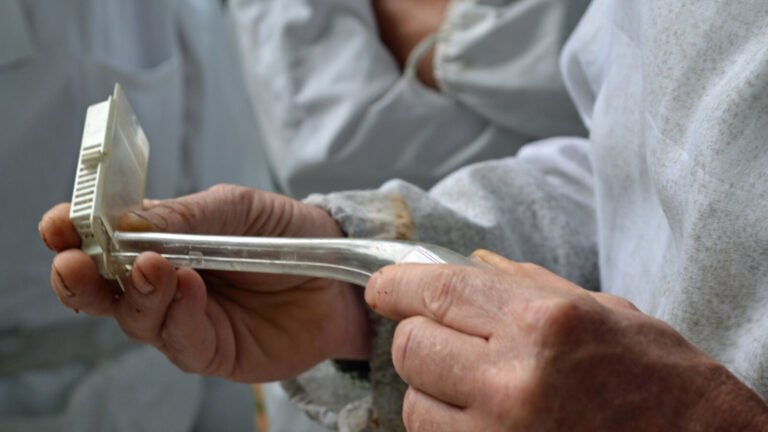
Three requeening methods that never depend on spotting the old queen: sieve her out with an excluder, split and wait for emergency cells, or unite a laying nuc through newspaper.
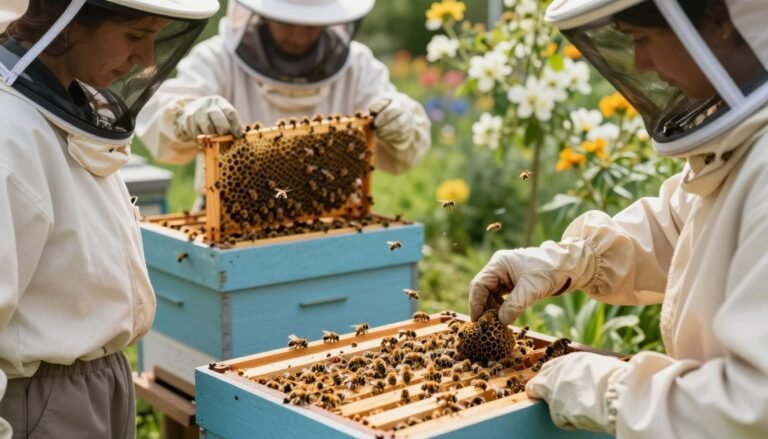
Learn the best practices for introducing queens to nucs vs full colonies in this expert guide. Improve your hive success rates with our proven methods today.
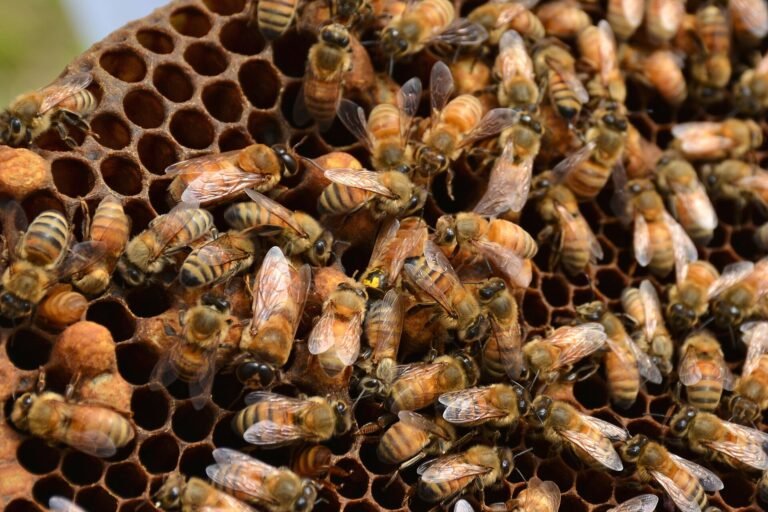
Yes, two queens can share a hive: briefly during supersedure, or on purpose in a two-queen colony. USDA-tested setup steps, timing and a short-season plan.
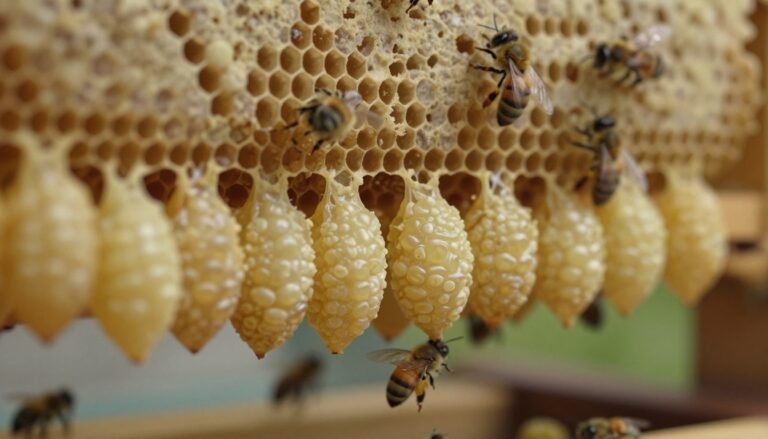
Master beekeeping by learning how to spot supersedure before the hive swarms. Follow our professional guide to identify queen cells and protect your bees.

Considering clipping queen wings pros and cons? Explore our professional analysis to understand the impact on your hive and make an informed decision today.
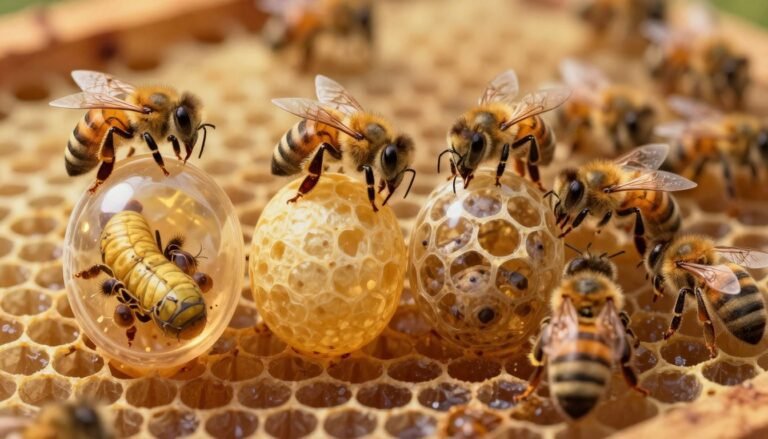
Master beekeeping with our guide on queen cell timing day by day. Learn the exact development stages to manage your hive effectively and ensure colony health.

How to bank mated queen bees for a few days to two weeks: setting up a queenless bank colony, preparing and positioning cages, feeding, and avoiding queen losses.
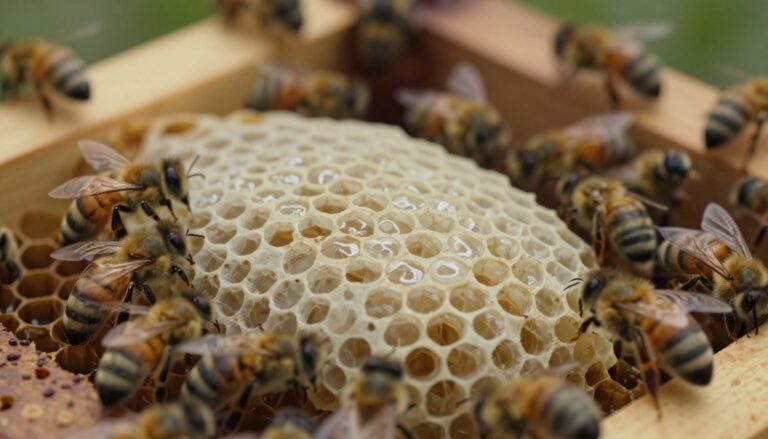
Learn what to do if the queen disappears after introduction with our expert guide. Discover effective steps to save your colony and ensure hive success today.

Explore historical research on how queen age affects colony performance. Discover key findings from past studies on honey bee health and productivity today.
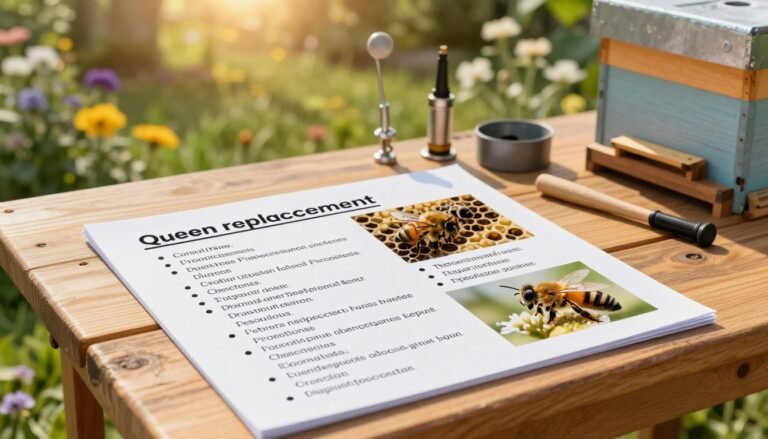
Planning to requeen? Use our essential queen replacement checklist for backyard beekeepers to ensure a smooth transition and healthy hive growth ahead.

Discover the best weather for queen introduction with our expert guide. Learn how to time your re-queening process for maximum colony acceptance and safety.
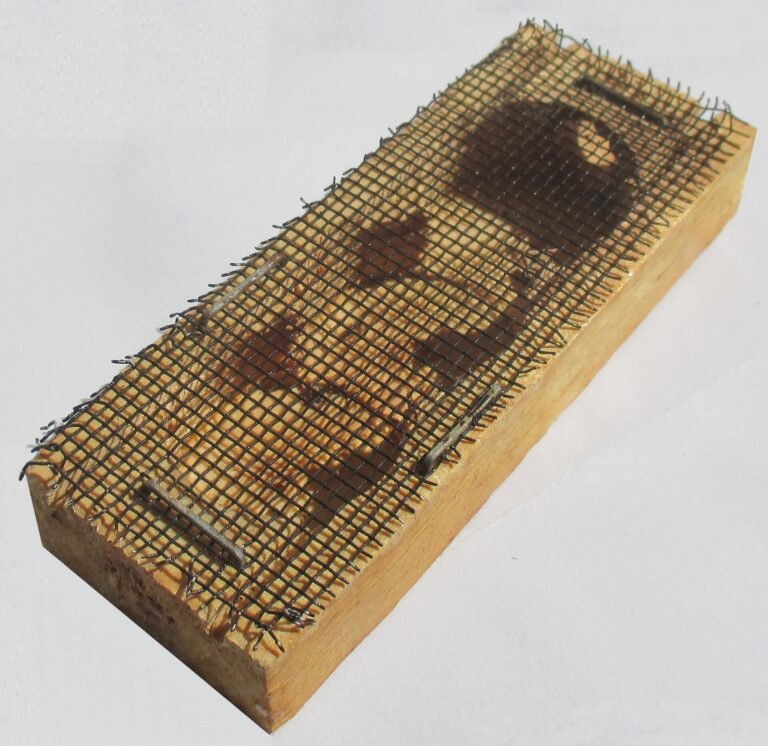
How to ship queen bees to buyers: caging and attendants, USPS and UPS rules, and the temperature limits that quietly ruin a shipped queen's fertility.
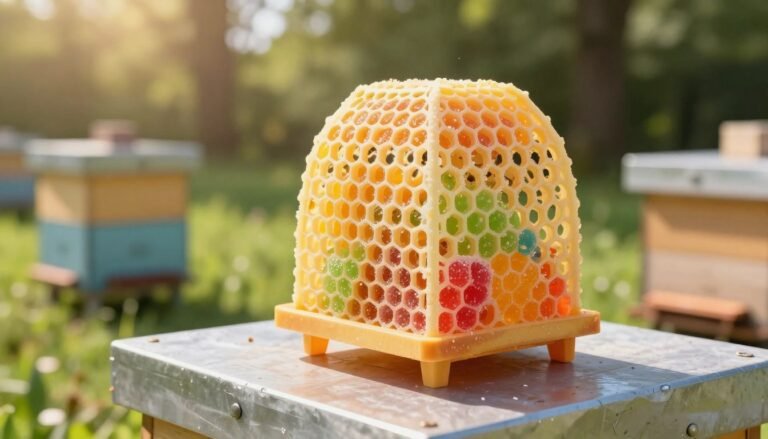
Understand the queen cage candy plug how it works with our expert guide. Learn the step-by-step process for safely introducing a queen to your bee colony.
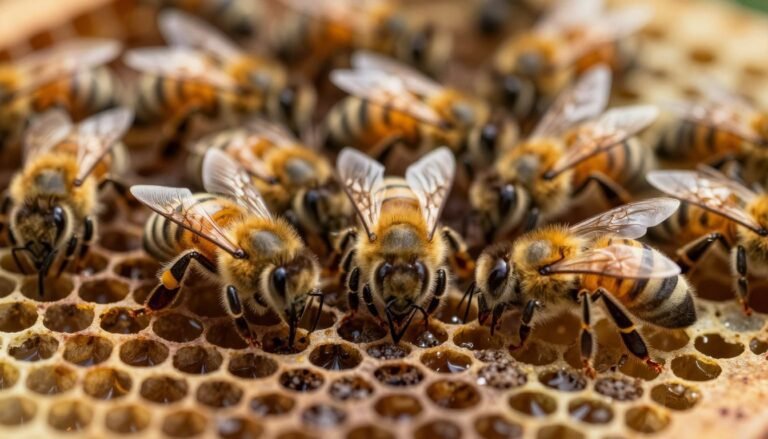
Are you wondering what causes a queen to become drone laying? Our professional guide explains the reasons and provides actionable steps for your beehive.
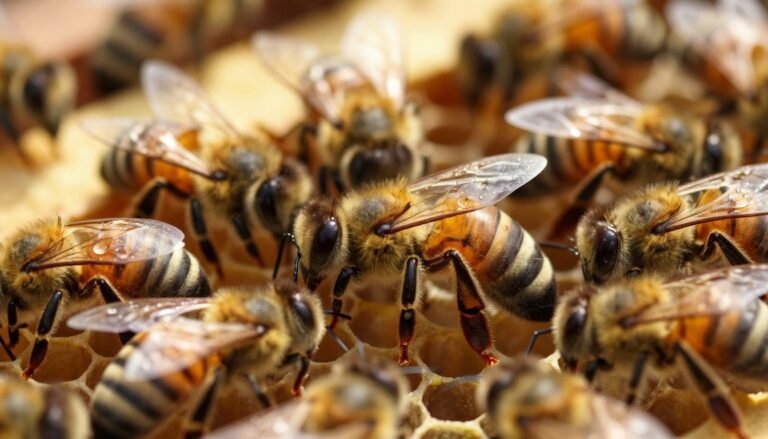
Concerned about your hive? Learn why a new queen is not laying eggs yet and discover the common reasons and solutions in our expert beekeeping guide today.
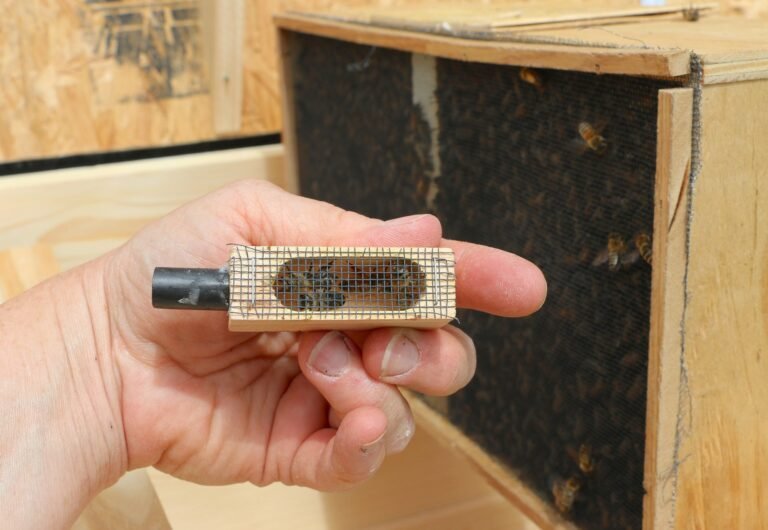
Direct vs slow release queen introduction compared using real research on acceptance, queenless timing and queen age, plus a guide to when to use each one.

Learn exactly when to buy a replacement queen for your hive. Our professional guide helps you identify the perfect timing to ensure colony health and success.
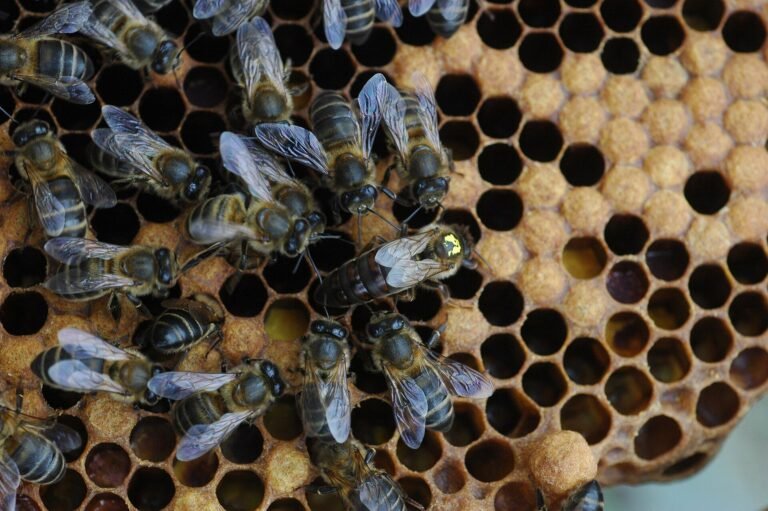
Introduce a queen with a push-in cage: pick the right comb, seat the cage to the midrib and release on the right day, with an extension-backed timeline and fixes.
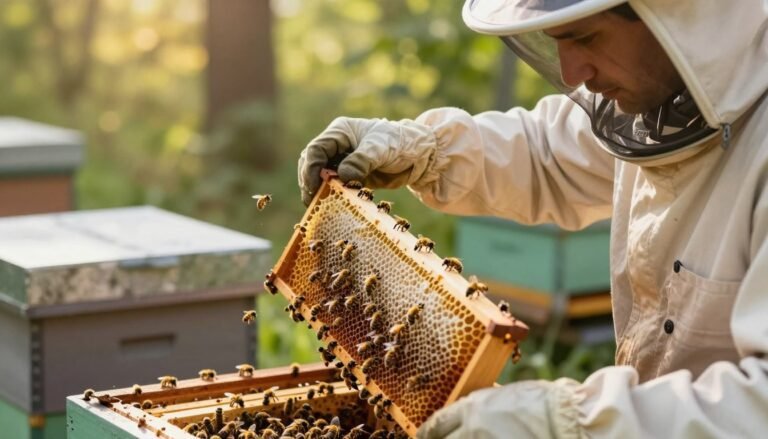
Need to know how to stop balling behavior around a new queen? Follow our professional guide to protect your colony and ensure a successful introduction.
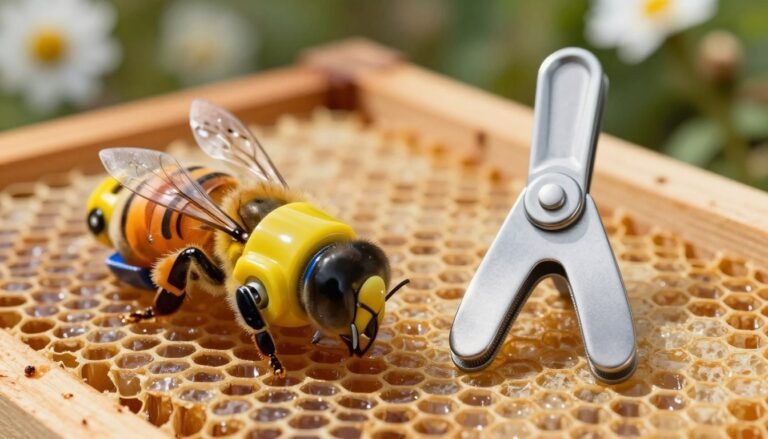
Looking for the best beekeeping tools? Read our queen catcher vs queen clip comparison to learn which device is safer and more efficient for your apiary needs.
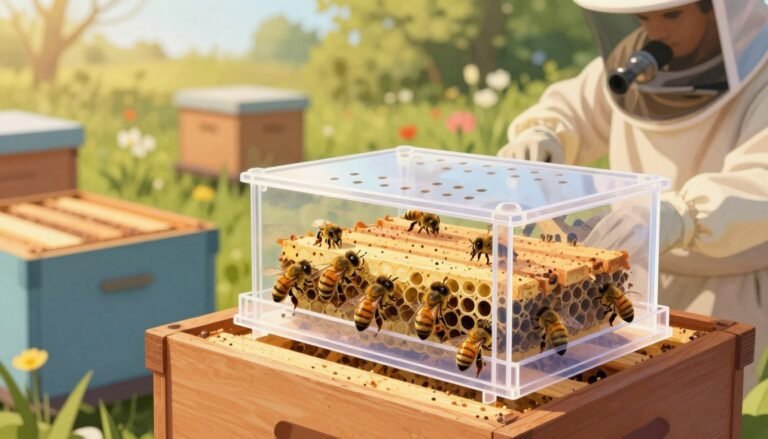
Learn what is a brood break queen cage and how to use it effectively in your apiary. This guide covers everything you need for successful mite management.

Virgin queens fly to mate 5-10 days after emerging and lay 2-3 days later. See the day-by-day timeline, RFID flight data, weather limits and the 4-week cutoff.

Wondering can you requeen during dearth? Our expert guide provides essential tips for beekeepers to ensure colony success during challenging summer flows.

Master how to unite a queenless hive with another colony with our step-by-step guide. Protect your bees and strengthen your apiary using these best practices.