
Reviewed by Michael R. · Last Updated September 23, 2026 · How we review
To ship queen bees safely, cage each mated queen with four to seven young attendants and a firm candy plug, pack the cages in a ventilated box marked “Live Queen Bees,” and send it early in the week by a service that delivers in one or two days. What most guides miss: the real danger is temperature, not trip length, and the damage often shows only weeks after a queen arrives looking healthy.
This guide is for sellers. Buyers should see our guide to how package bees and queens travel through USPS.
Key Takeaways
- Temperature matters more than transit time. Research puts the safe band for queens at roughly 59–100°F (15–38°C). Outside it, stored sperm dies even when the queen survives.
- USPS allows queens by air, with up to eight attendants per mailpiece.
- UPS accepts queens only where transit takes one day or less, never on Fridays, and with candy only.
- Ship Monday or Tuesday, and hold queens back rather than send them into a heat wave or cold snap.
- Write your guarantee before the first sale.
On this page
Table of Contents
- What USPS, UPS and FedEx Actually Allow
- Why Temperature Matters More Than Transit Time
- How to Cage and Pack Queens
- Choosing the Ship Day
- Shipping Queen Cells Instead
- State Rules, Insurance and Your Guarantee
- Frequently Asked Questions
What USPS, UPS and FedEx Actually Allow
These rules come from each carrier’s published requirements as of this review.
Queen Honeybees: May be shipped via air or surface transportation. Each mailpiece shipped via air transportation is limited to one queen and eight or less attendant honeybees.
| Carrier | Queens accepted? | Key conditions | Watch out for |
|---|---|---|---|
| USPS | Yes, air or surface | Up to eight attendants per queen by air; mark “Live Queen Bees”; disease-free bees; 40–100°F tolerable range | Claims only on insured shipments; overnight Express not offered to every ZIP code |
| UPS | Yes, with attendants | Only where transit is one day or less, by next-day guaranteed service; no Friday or pre-holiday tendering; no liquid feed | New box required; check ZIP-to-ZIP transit time first |
| FedEx | Not under its standard program | Standard live-animal program covers only insects that do not sting or bite | Treat as unavailable without written approval |
USPS is the practical default for small sellers because no account approval is needed. UPS’s live bee rules make Next Day Air worthwhile when the buyer sits inside its one-day network.
Why Temperature Matters More Than Transit Time
Many seller pages, including an earlier version of this article, claim a shipped queen survives only 24 to 48 hours, a figure we could not trace to any primary source. Breeders routinely use two- to three-day Priority Mail, and caged queens are kept far longer in queen banks. What research has actually measured is heat and cold.
A 2020 study in Nature Sustainability (McAfee, Tarpy, Pettis and colleagues) put loggers beside the cages in eight routine Canadian queen shipments. One hit 38°C (100°F) and another fell to 4°C (39°F). In lab tests, queens held outside 15–38°C lost stored sperm viability on the scale of the 11.5% gap the team measured between failed and healthy queens.
Temperatures between 15 to 38 degrees Celsius are safe for queens.
An earlier PLOS ONE study by Pettis and colleagues (2016) logged USPS and UPS queen shipments from six breeders. One USPS shipment held at 8°C (46°F) for two hours, and that breeder’s queens had lower sperm viability.
So the USPS 40°F floor is a survival limit, not a fertility limit. A queen can arrive alive and fail a month later, which a live-arrival guarantee never catches. The ship-or-hold call is yours.
How to Cage and Pack Queens
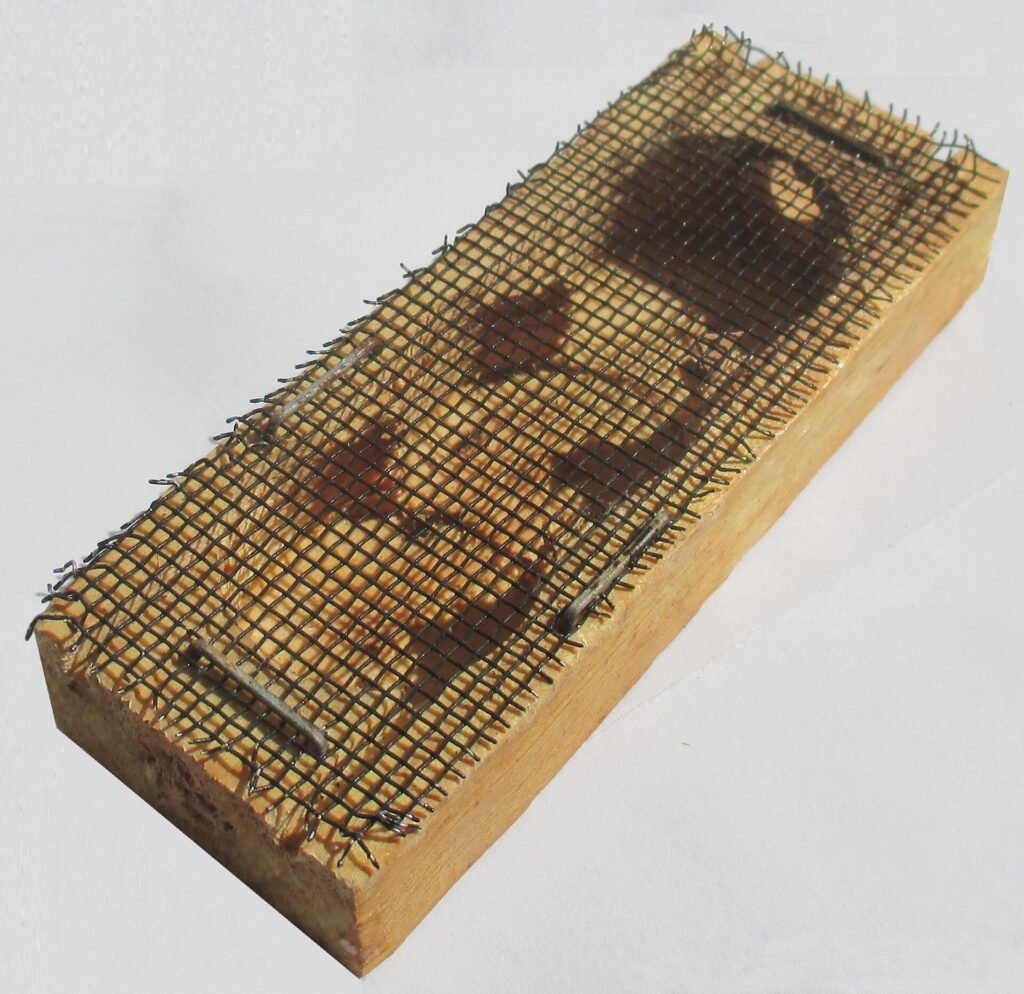
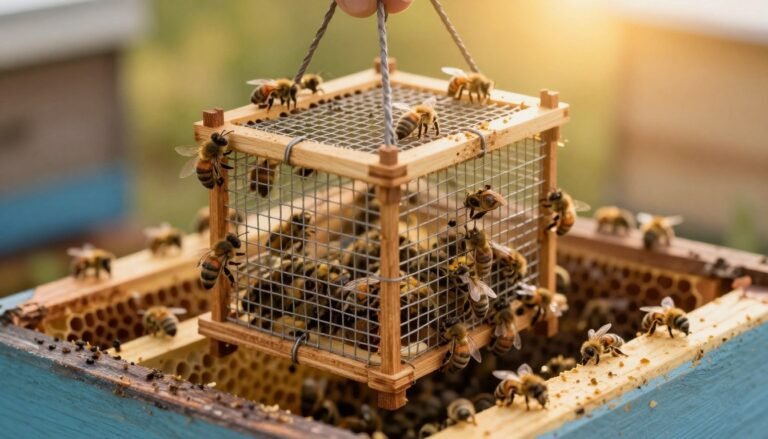
- Choose the cage. Plastic JZs BZs-style cages suit volume shipping; three-hole wooden cages suit one or two queens. Compare designs in our queen cage guide.
- Fill the candy. Use queen candy firm enough not to run when warm. Never use honey, which can carry American foulbrood spores. See how the candy plug works.
- Cage on shipping day. Take four to seven young nurse bees from the brood frames of a well-fed colony.
- Pack for airflow. Space cages so air moves around each one. For several queens, a battery box holds caged queens with loose attendants and candy.
- Label every side. Add “Live Queen Bees” on the address side, Live Animals and Fragile stickers, and the buyer’s phone number.
- Keep it dry. Do not mist cages before sealing.
Choosing the Ship Day
Ship Monday or Tuesday so no box sits in a depot over a weekend. Check the forecast at both ends and at the sorting hub, and hold queens a few days if transit falls outside roughly 59–100°F. Hand the box to a counter clerk and email the buyer tracking on ship day.
Here in the Northern Plains, northern-raised queens usually are not laying until early summer, so most of our shipping falls in the hottest months. Some rural North Dakota and Minnesota ZIP codes also sit outside overnight networks, so check the transit estimate for the buyer’s exact ZIP code before promising overnight delivery.
Shipping Queen Cells Instead
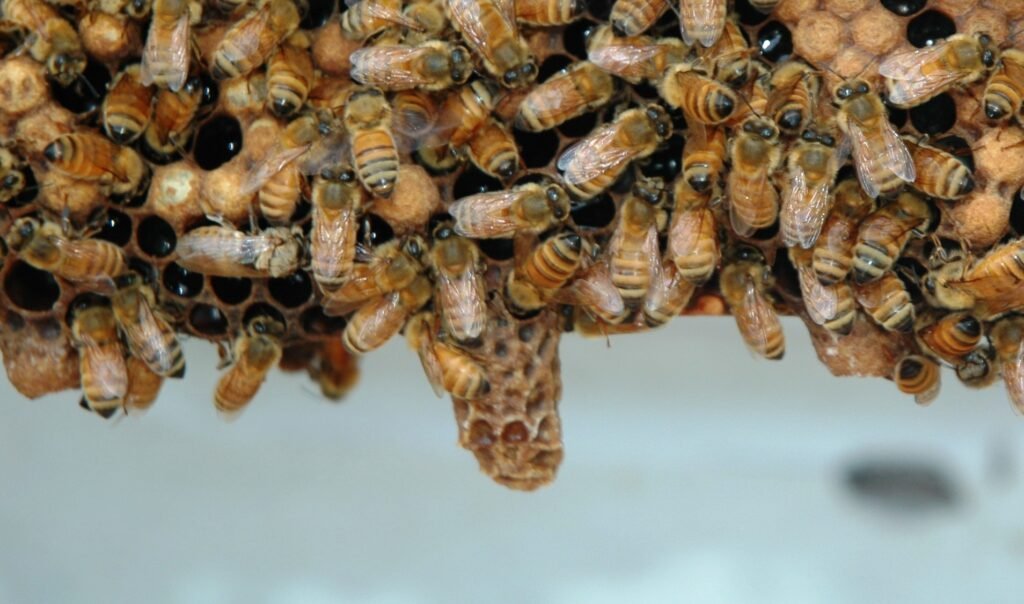
The Oregon State University and Project Apis m. shipping guide puts queen cells at about 75% below the cost of a mated queen, but they are fragile. In its 2021 test, boxed cells were dropped twice from 4 feet:
| Cell age on shipping day | Survival | Wing damage |
|---|---|---|
| Day 15 | 74% | 7% |
| Day 14 | 37% | 23% |
| Day 13 | 18% | 54% |
| Day 12 | 0% | n/a |
Ship cells only at day 15, overnight, to buyers who can install them that day. Our queen rearing basics guide covers grafting timelines.
State Rules, Insurance and Your Guarantee
Each state sets its own entry rules for bees, so check the destination through the Apiary Inspectors of America directory. The North Dakota and Minnesota agriculture departments inspect for beekeepers who need a health certificate. Canadian buyers need a CFIA import permit, and attendants must ride inside the cages.
Insure every order and photograph each box. USPS pays claims for bee deaths only on insured shipments.
Put your guarantee in writing: what counts as a live arrival, a reporting window with photos, replacement or refund, and no guarantee of acceptance. Pair it with a clear deposit policy and an arrival sheet linking to a step-by-step introduction. For pricing, see running a queen-rearing side business.
Frequently Asked Questions
Can you legally mail a queen bee?
Yes. USPS allows disease-free queens by air or surface mail, marked “Live Queen Bees.”
How many attendant bees go in a queen shipping cage?
Four to seven young nurse bees is typical. USPS allows up to eight per queen by air.
How long can a queen survive in a shipping cage?
With candy and attendants, often several days. Temperature is the real limit, because heat or cold can damage stored sperm without killing the queen.
Can you ship queen bees with UPS or FedEx?
UPS accepts queens where transit is one day or less, never on Fridays. FedEx’s standard program excludes stinging insects.
What temperature is too hot or too cold to ship queens?
Aim for about 59–100°F (15–38°C) along the route. USPS’s 40°F floor concerns survival, not fertility.
What day of the week should I ship queen bees?
Monday or Tuesday, so it arrives before the weekend.
Checked against USPS Publication 52, UPS and FedEx rules, and the cited research on the review date shown.

.jpg)