Project Apis m.: The Nonprofit Funding Practical Bee Research
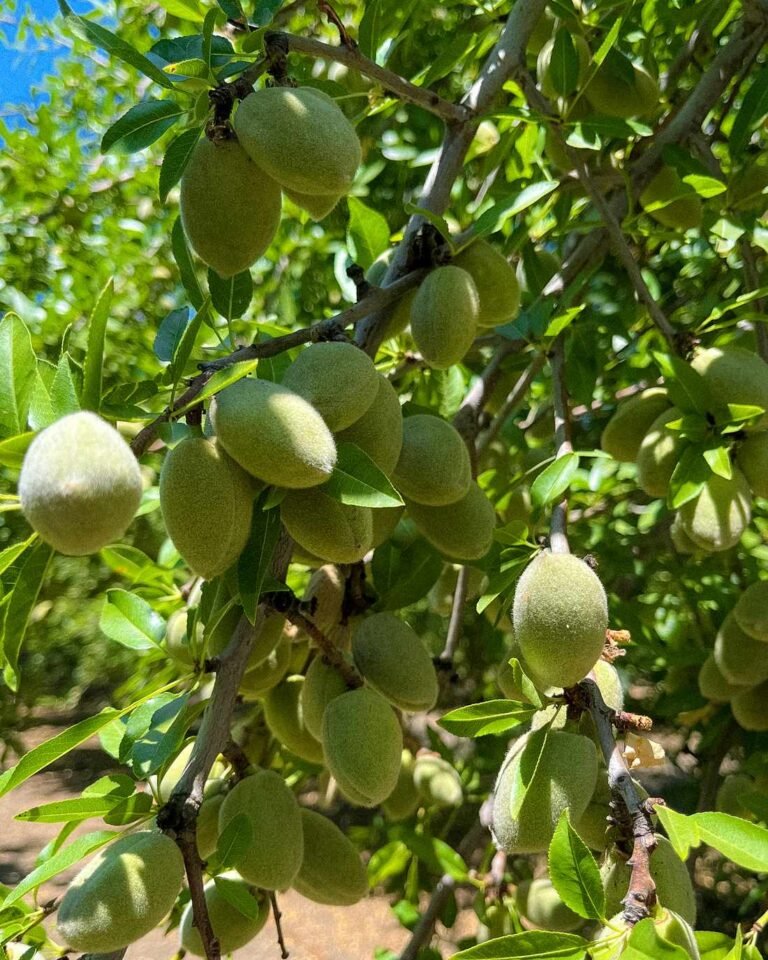
Project Apis m., founded in 2006 by beekeepers and almond growers, has invested over $13 million in practical bee research, including its Seeds for Bees forage program.

Beyond honey, bees are an agricultural service: commercial pollination contracts move colonies onto almond, blueberry, seed and vegetable crops each season to support plants that depend on insect pollination. This category covers the commercial side of beekeeping: how pollination contracts work, what migratory operations actually involve, and the business realities of running an apiary at a scale beyond hobbyist production.
The articles follow the working year of a pollination outfit. Before a contract, that means grading colony strength by frames of bees rather than by the look of the top box, feeding syrup and pollen substitute so brood rearing starts early enough for a February almond bloom, and settling queen problems before hives are loaded. During the contract, it means placing hives to limit drift between rows, keeping water available in dry orchards, and negotiating pesticide clauses so a grower does not spray during bloom. Afterwards come invoicing and record keeping.
A second cluster of posts treats bees and honey as products: pricing nucleus colonies and queens, deposit policies, packaging live bees for pickup, lot tracking for honey sold direct to consumers, and honey house workflow for small producers. Sideliners weighing a first contract and established operations tightening their systems will both find the templates and checklists useful.
Start here:
Project Apis m., founded in 2006 by beekeepers and almond growers, has invested over $13 million in practical bee research, including its Seeds for Bees forage program.
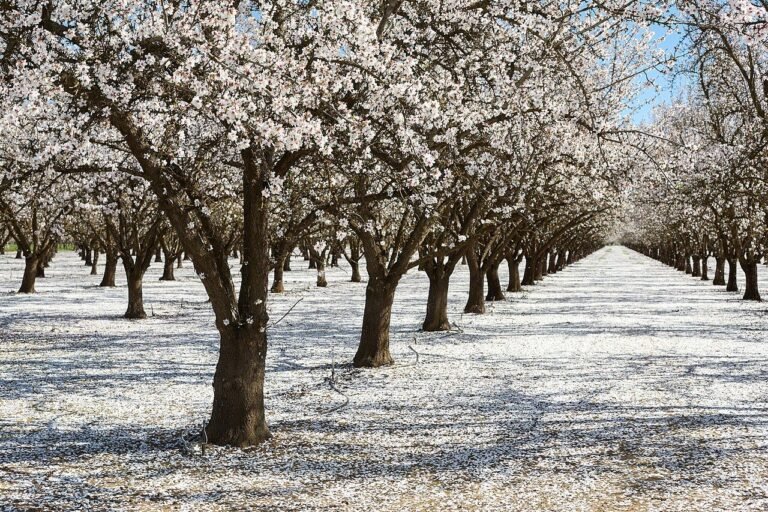
Why beehive theft spikes every February in California, real documented cases, and how beekeepers are fighting back against it.

Table of Contents Bee Removal Business vs. Bee Removal Technique Deciding What Services You’ll Offer Licensing and Legal Requirements Insurance: The Non-Negotiable Cost Startup Equipment and Cost Pricing a Bee…
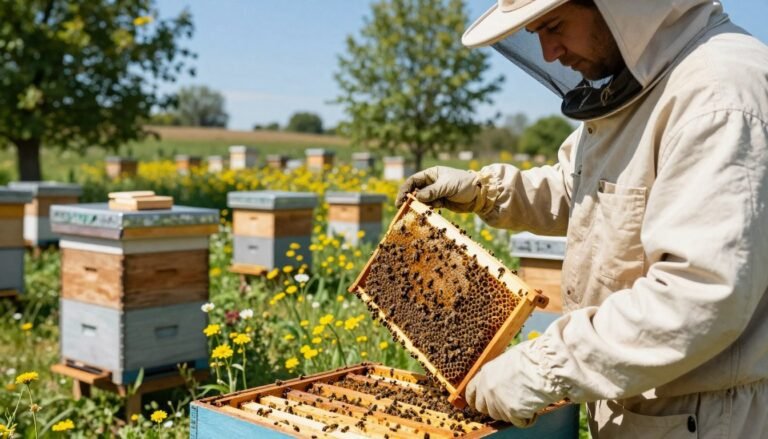
Get expert insights on colony strength grading before pollination contracts with our Ultimate Guide. Understand the process and benefits for optimal pollination results.
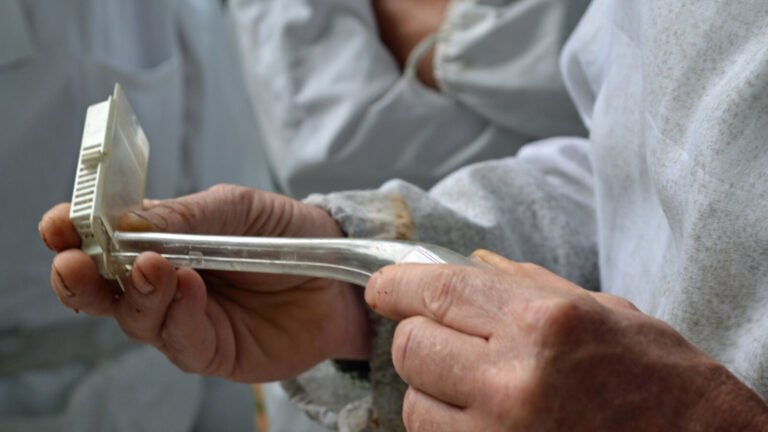
How small queen breeders can follow up with local customers: acceptance check-ins, simple sale records, queen guarantees, waitlists, and seasonal reminders.
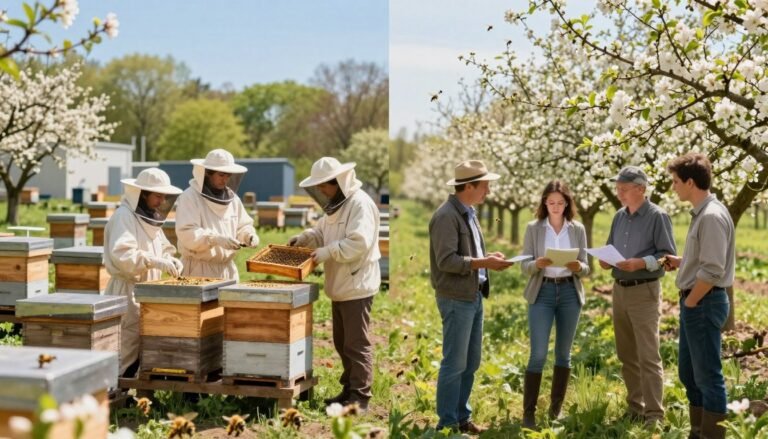
Compare nuc production for spring sales vs pollination contracts: Understand the differences and benefits of each approach for your beekeeping business today
Discover the benefits of using a pollination season record keeping template. Our guide shows you how to maintain accurate records and improve your pollination season outcomes.
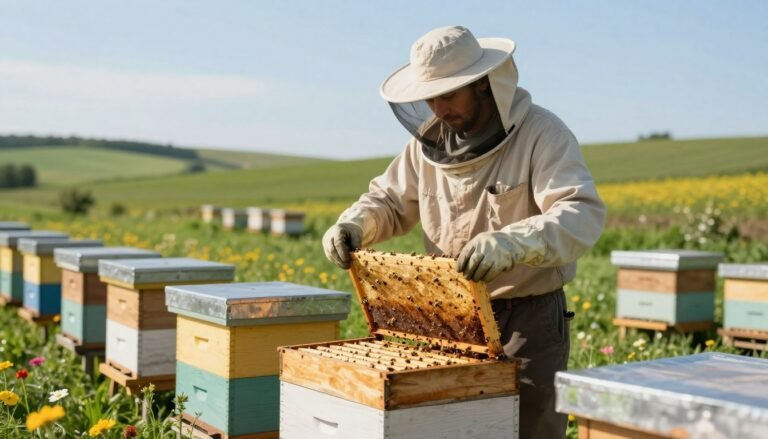
Discover how to efficiently manage small apiary payroll and labor tracking with our step-by-step guide. Simplify your beekeeping business operations today.
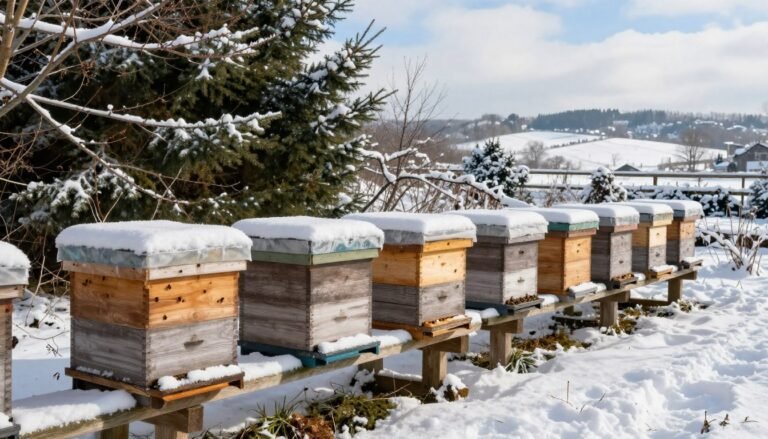
Learn how to successfully start selling overwintered nucs as a side business with our step-by-step guide. Discover the benefits and potential income from beekeeping.
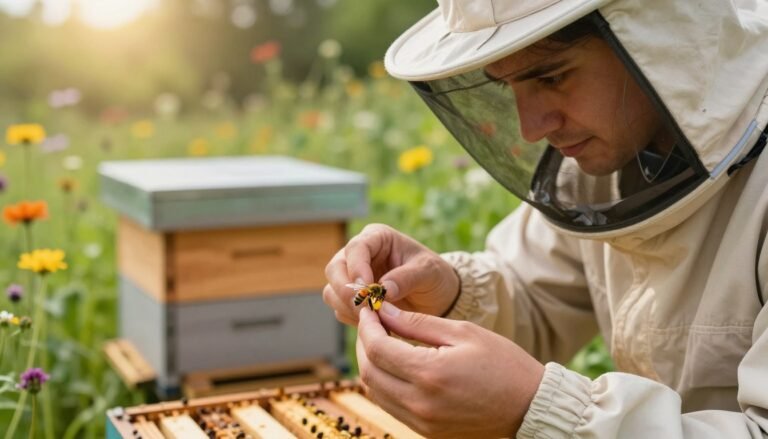
Discover how to successfully marking queens for retail sale colonies with our step-by-step guide. Enhance your beekeeping operations today.
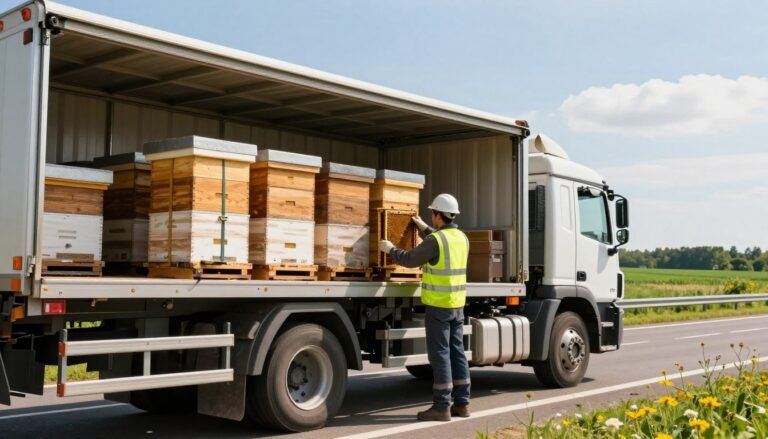
Learn effective truck weight planning for migrating hives with our step-by-step guide. Ensure safe relocation of your beehives.
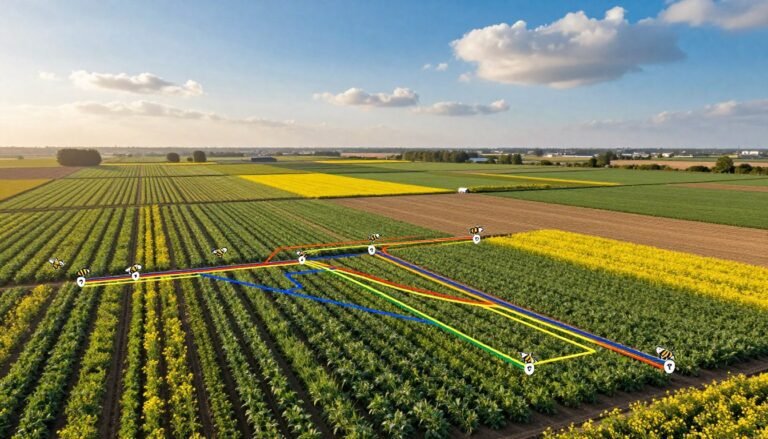
Discover the ultimate guide to pollination route planning for multi-farm contracts, optimizing efficiency and productivity
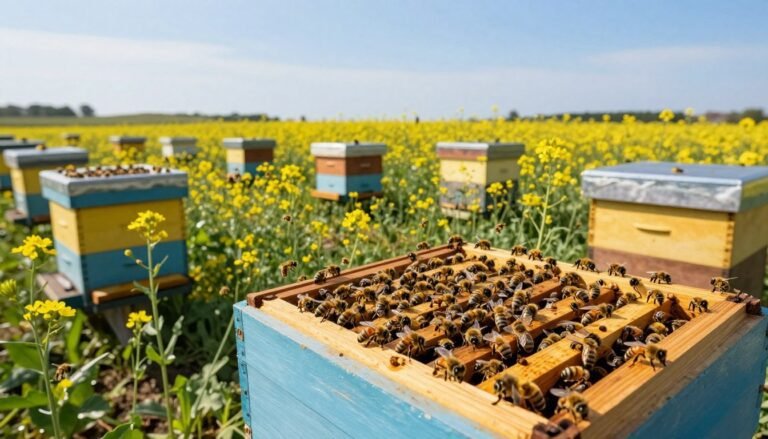
Learn how to optimize pollination with the right hive density. Find out how many hives per acre for pollination to boost crop yields.
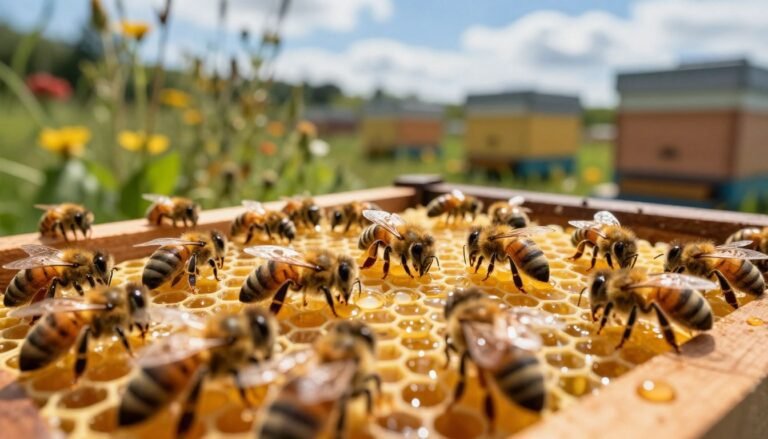
Discover how to evaluate profitability per apiary yard with our expert guide. Get insights on key performance indicators and boost your beekeeping profits.
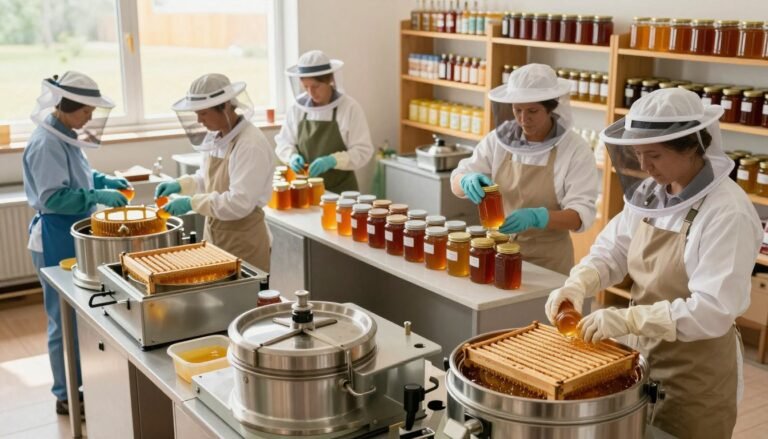
Discover how to optimize your commercial honey house workflow for small producers with our expert guide. Learn efficient techniques to streamline your honey production process today.
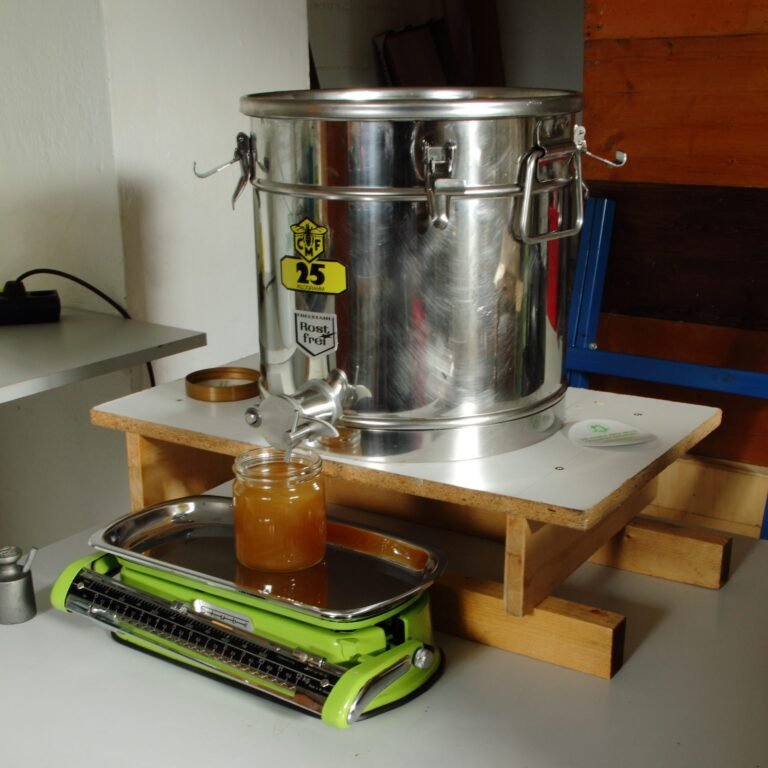
Lot tracking for direct-to-consumer honey: a date-based lot (batch) code on every jar, four simple logs and a complaint plan, so one bad jar never means recalling your whole season.
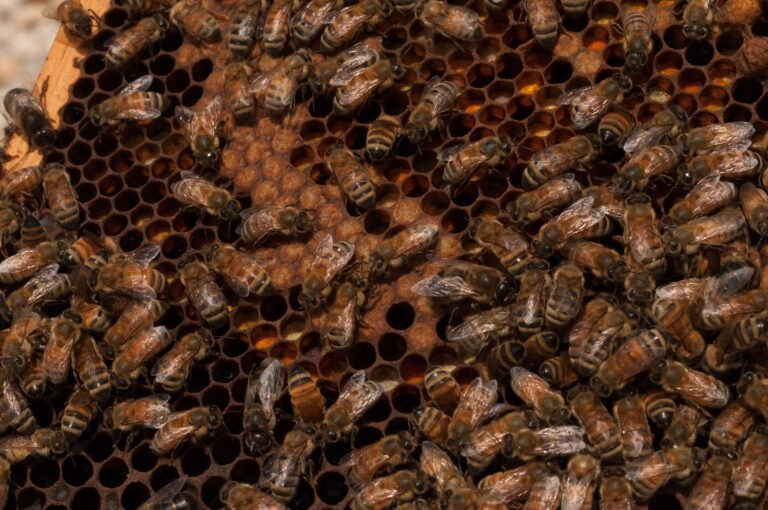
How to price nucs for sale: a per-nuc cost worksheet, USDA's $130 average price paid in 2025, retail benchmarks, and how frames, queen and box change the price.
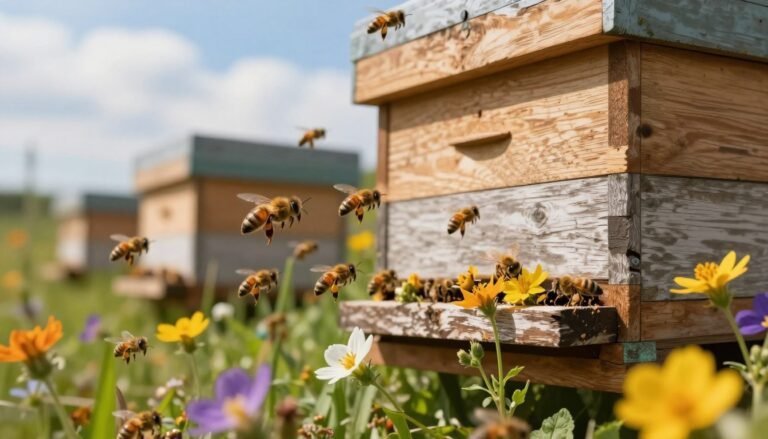
Document hive strength for growers with records that hold up: define a frame of bees, sample fairly, photograph each colony and build a report both sides trust.
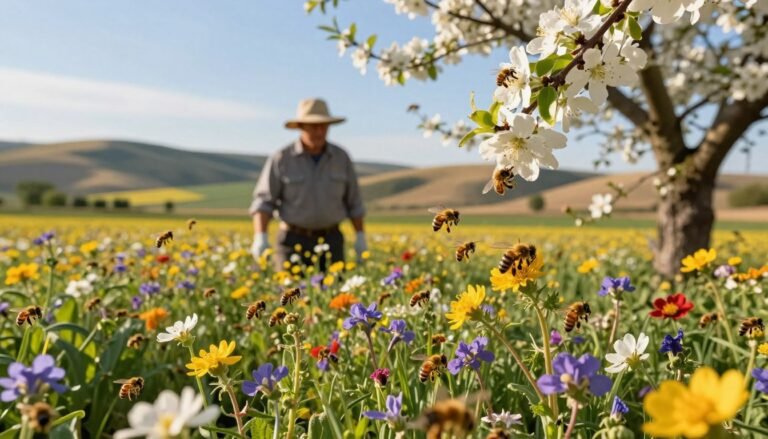
Understand crop pollination agreements and pesticide clauses with our detailed best practices guide for agriculture.
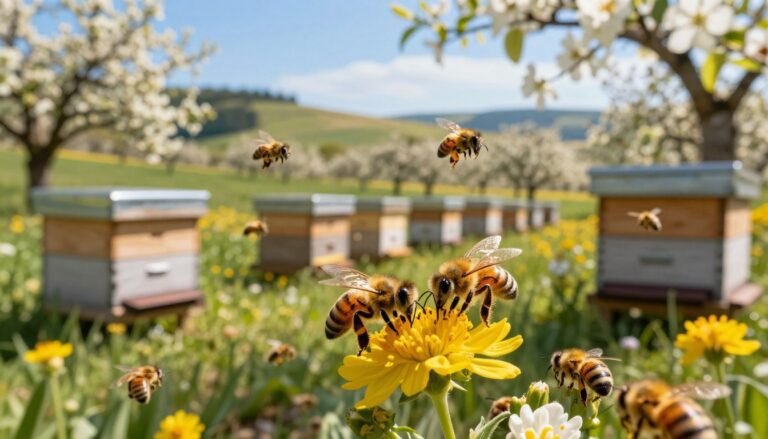
Migratory beekeeping costs bees about a day of life and chills weak hives in transit. Research-backed steps to cut colony stress before, during and after moves.
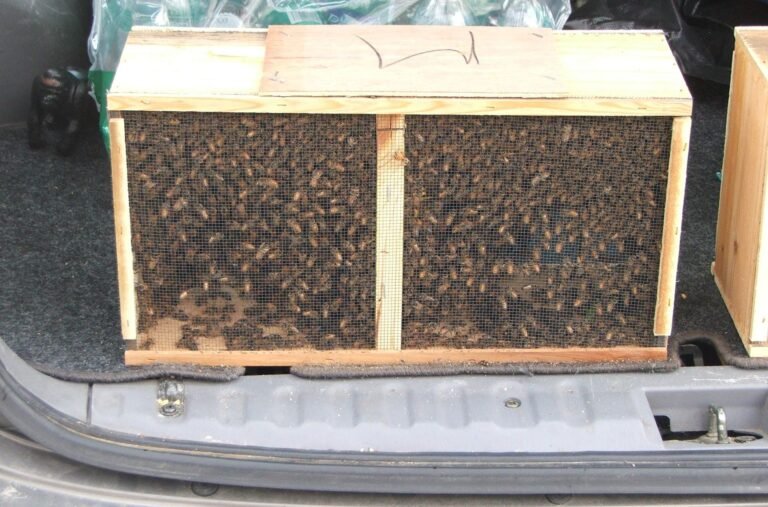
How to package nucs and packages for local pickup: close up the night before, keep vents clear, beat the heat, and the transport rules every buyer should get.
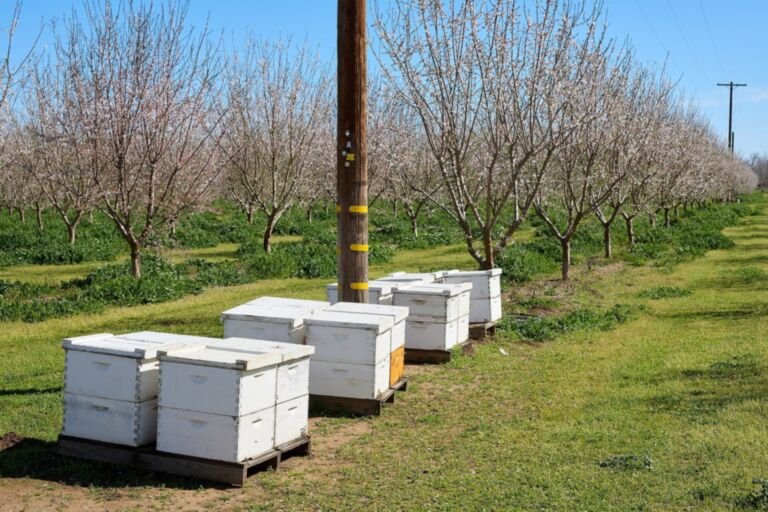
Foragers returning to the wrong hive can quietly weaken rented colonies. Here is why pollination drops drift so much and how pallet layout, entrance direction, and visual markers reduce it.
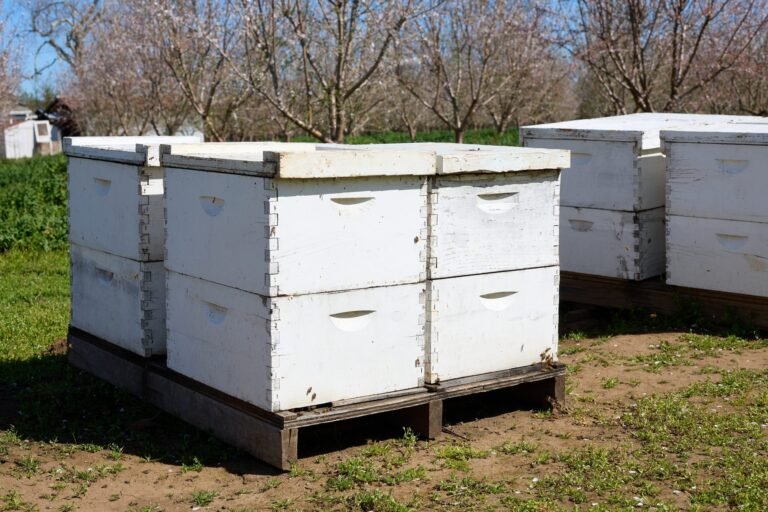
What to put on a pollination invoice: colony counts, delivery dates, strength results, installments, extra moves and late terms, with 2025 USDA rate benchmarks.
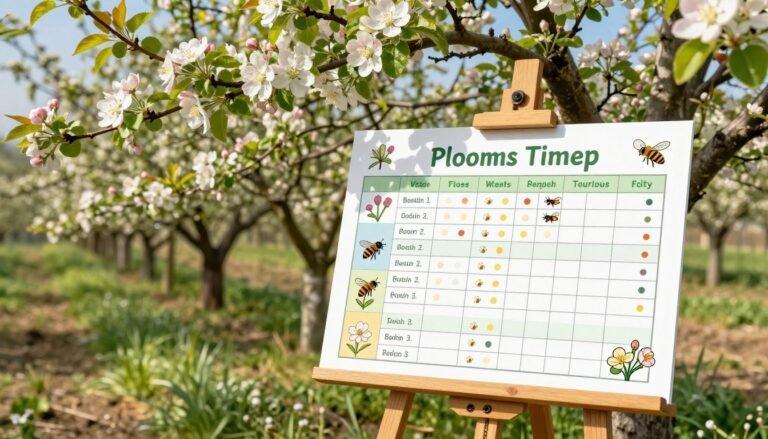
Ensure optimal orchard pollination with our comprehensive bloom timing checklist, tailored for current season's success
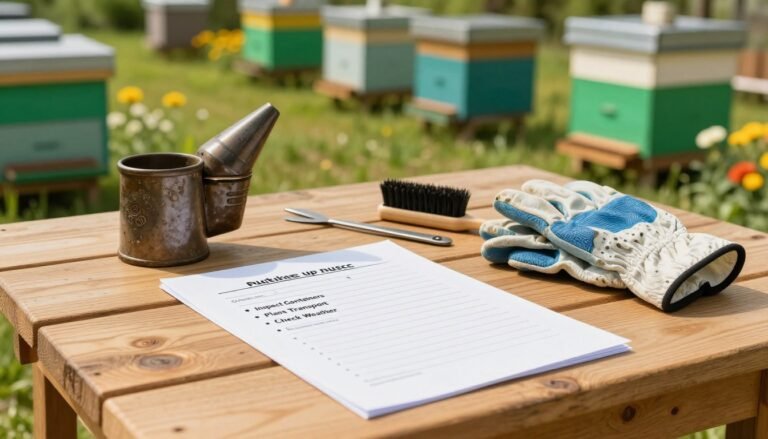
Discover the essentials with our customer checklist for picking up nucs. A Buyer’s Guide to a hassle-free experience.