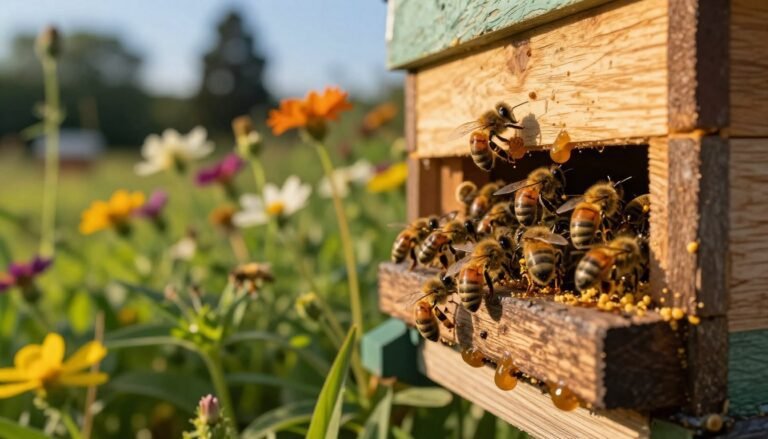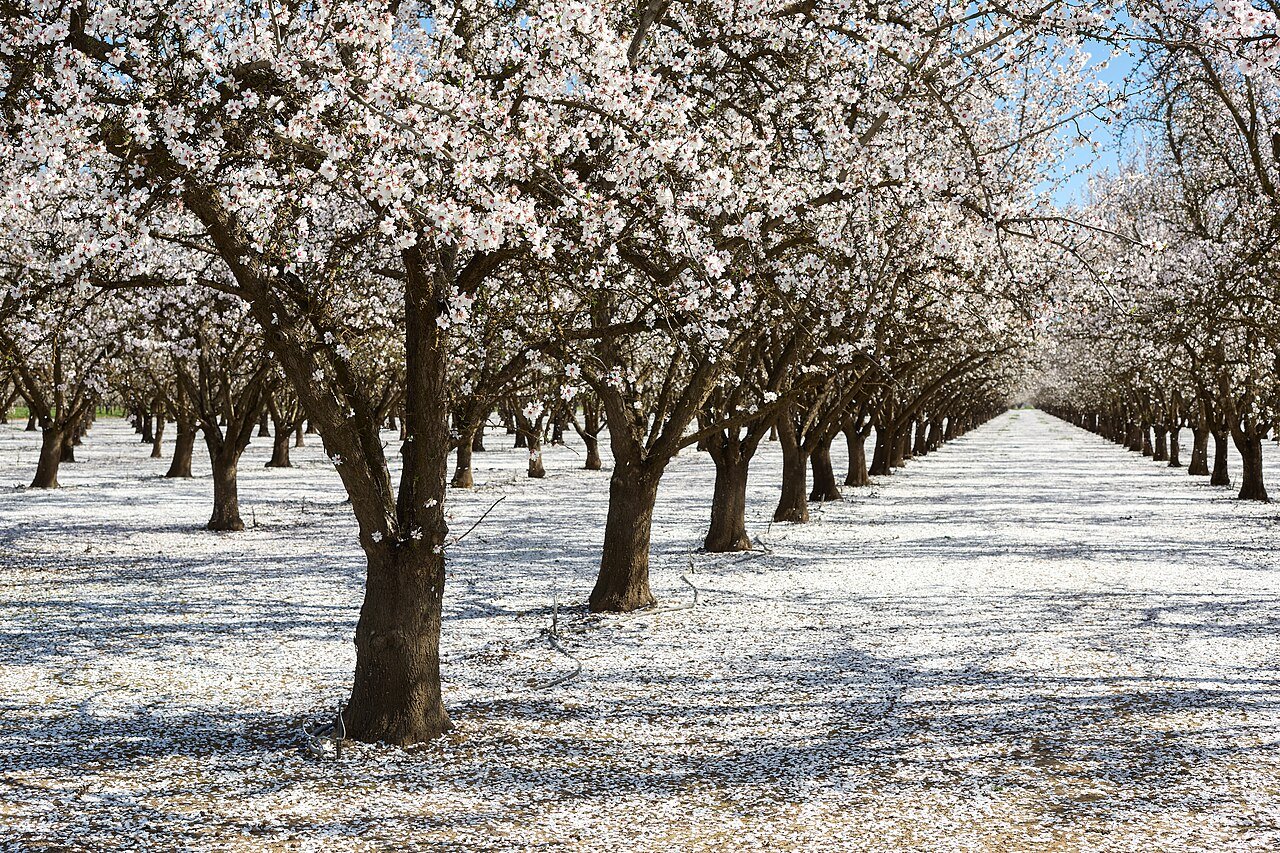
Beehive theft is a real, growing, and specifically seasonal crime in California, concentrated almost entirely around February’s almond bloom, when roughly two million commercial colonies sit parked in orchards across the Central Valley — visible, valuable, and often unattended overnight. It isn’t a rare or minor problem: California beekeepers and law enforcement have documented an escalating pattern of theft running into the thousands of hives and millions of dollars over the past decade.
Key Takeaways
- Hive theft in California has climbed sharply since the early 2010s, with beekeeping industry groups documenting thousands of stolen hives worth millions of dollars, concentrated heavily around the February almond pollination window.
- The single largest documented case remains a 2017 operation in which beekeeper Pavel Tveretinov was arrested in connection with the theft of roughly 2,500 hives worth about $875,000 — at the time called one of the biggest hive thefts on record.
- Thefts are usually carried out at night, when foraging bees have returned to the hive and the orchard is empty, and typically by people who already know how to handle and transport bees safely — often other beekeepers, not opportunistic strangers.
- California legally classifies bees as livestock, meaning hive theft is prosecuted as a felony rather than routine property crime, though recovery rates remain low and many cases are never solved.
- Beekeepers have responded with GPS trackers hidden inside hive bodies, trail cameras, and marked equipment — real anti-theft measures with a mixed but genuine track record of helping recover stolen colonies and identify suspects.
Table of Contents
- Why Almond Season Is Prime Hive-Theft Season
- How Big a Problem This Actually Is
- Real Cases: What Hive Theft Actually Looks Like
- Who Actually Steals Hives, and How
- Legal Status and How Beekeepers Are Fighting Back
- Frequently Asked Questions
Why Almond Season Is Prime Hive-Theft Season
California’s Central Valley hosts the largest managed pollination event on earth every February, when beekeepers from across the country truck their colonies in to pollinate almond orchards. This site’s own history of migratory beekeeping in America covers how that annual convergence grew into roughly two million colonies concentrated in one region for a few intense weeks. That concentration is exactly what makes the season so attractive to thieves: tens of thousands of hives, each worth several hundred dollars, sitting in rows in often-remote orchard blocks, unattended for most of the day and much of the night, with owners frequently based hundreds or thousands of miles away and unable to check on them daily.
A stolen hive isn’t just a stolen box, either. A healthy, pollination-ready colony represents months of feeding, disease management, and buildup timed specifically to peak during almond bloom — value that can’t be replaced by simply buying an empty box.
How Big a Problem This Actually Is
This isn’t an occasional or anecdotal issue. Beekeeping industry reporting and California law enforcement have documented a real escalation in hive theft since the early 2010s, with total losses running into the thousands of hives and millions of dollars in value over the past decade — the exact year-by-year figures vary by source and aren’t all independently verifiable against a single official database, but the direction and scale of the trend are consistently documented across multiple beekeeping organizations, news investigations, and court cases. The California State Beekeepers Association has flagged hive theft as a standing concern significant enough to warrant its own dedicated advocacy and awareness effort, not a one-off news story.
Real Cases: What Hive Theft Actually Looks Like
The largest documented case remains a 2017 investigation in which Sacramento-area beekeeper Pavel Tveretinov was arrested in connection with the theft of an estimated 2,500 hives, valued at roughly $875,000 — reported at the time as one of the largest hive thefts on record in California, if not the largest. More recently, Merced County sheriff’s deputies recovered 172 stolen beehives taken from a local orchard, leading to the arrest of Leonid Terzi, 46, of Sacramento, on suspicion of grand theft and possession of stolen property. Cases like these share a pattern: hives disappear in bulk, overnight, from working orchards during pollination season, and recovery — when it happens at all — usually depends on a tip, a traffic stop, or a beekeeper’s own tracking equipment rather than a routine patrol catching the theft in progress.
Who Actually Steals Hives, and How
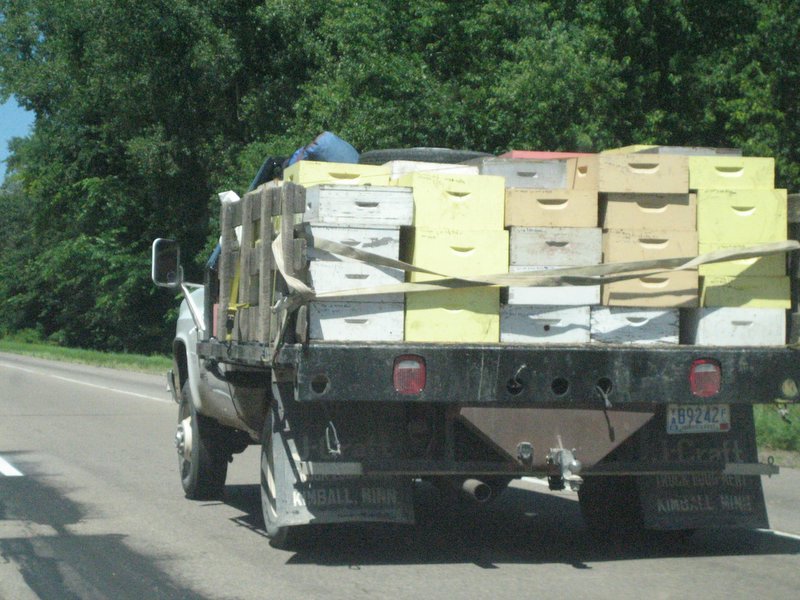
Moving a hive isn’t like stealing a bicycle. An occupied Langstroth hive is heavy, its occupants can sting anyone who mishandles it, and loading dozens or hundreds of them onto a truck quickly and quietly takes real, specific skill. That’s the core reason investigators and beekeepers themselves widely believe most hive theft is carried out by people who already know how to work bees — sometimes other beekeepers, sometimes people with direct industry connections — rather than random opportunists. Thefts are typically executed at night, after foraging bees have returned and the colony is fully home, when a loaded truck full of hives is far less conspicuous on a rural road than it would be during daylight pollination-contract traffic.
Legal Status and How Beekeepers Are Fighting Back
California law treats bees as livestock, which means stealing even a single hive is prosecuted as a felony rather than a minor property offense, and convictions can carry restitution obligations on top of criminal penalties. In practice, though, recovery rates remain low, and the sheer number of visually similar white and yellow hive boxes scattered across a huge pollination region makes stolen equipment hard to trace once it’s moved and repainted. In response, a growing number of beekeepers have started hiding GPS trackers inside hive bodies or under lids, installing trail cameras at bee yards, branding or uniquely marking equipment, and sharing theft alerts within tight-knit regional beekeeping networks — real, practical measures that have genuinely helped recover stolen colonies and build cases in specific incidents, even though no single fix has eliminated the problem. For beekeepers renting colonies out commercially, this is also a real practical argument for the kind of protections covered in this site’s guide to beekeeping insurance — standard homeowners policies, as covered separately in the guide to whether homeowners insurance covers beehives, are built around a fixed residential property and generally aren’t designed for mobile commercial livestock sitting in a rented orchard block for a few weeks a year.
Frequently Asked Questions
Why does hive theft happen mostly in February?
Because that’s when California’s almond bloom draws roughly two million commercial colonies into a concentrated area of the Central Valley for pollination contracts — far more valuable hives sitting in one region, often unattended, than at any other time of year.
How much money is actually lost to hive theft?
Beekeeping industry groups and law enforcement have documented losses running into the thousands of hives and millions of dollars in value over the past decade, though exact year-by-year totals vary by source. The single largest confirmed case involved roughly 2,500 hives worth about $875,000 in a 2017 Sacramento-area arrest.
Is hive theft actually a felony?
In California, yes. Bees are legally classified as livestock, so stealing hives is prosecuted under felony livestock-theft law rather than as routine property crime.
Who typically steals beehives?
Investigators and beekeepers widely believe most hive theft is carried out by people who already know how to safely handle and transport bees — often other beekeepers or people with direct industry connections — because moving occupied hives quickly and quietly takes real, specific skill.
How are beekeepers protecting their hives now?
Common measures include hiding GPS trackers inside hive bodies, installing trail cameras at remote bee yards, uniquely marking or branding equipment, and sharing theft alerts through regional beekeeping networks — all with a genuine, if imperfect, track record of aiding recovery and prosecution.
For more background on this, see the Almond Board of California.
Related Reading
For a related deep dive, check out our article on queen management before almond pollination.
For beekeepers dealing with this, our article on bee yard staging best practices for migratory crews walks through the details.
Image credits: Photo: Frank Schulenburg, CC BY-SA 4.0, via Wikimedia Commons.