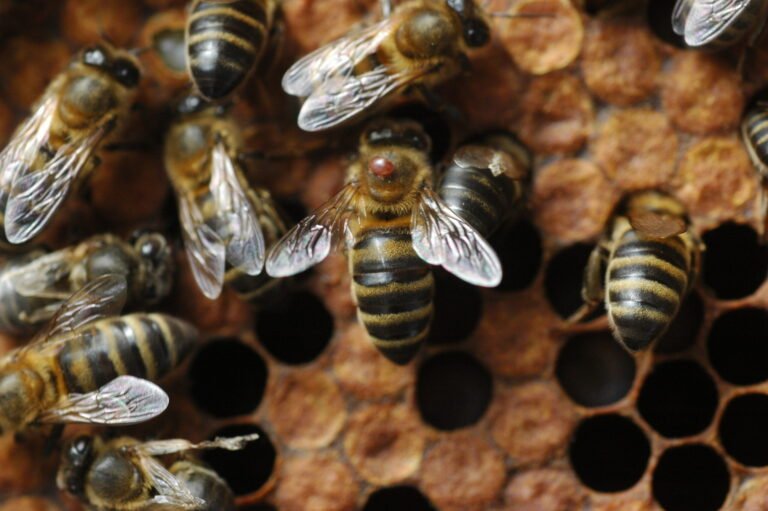
Varroa Mite Life Cycle: Timeline, Biology and Timing
The varroa mite life cycle alternates between two phases: a reproductive phase inside a sealed honey bee brood cell, and a dispersal phase riding on adult bees. A mated female…

Varroa mites are the single biggest threat to managed honeybee colonies in most regions, and effective control depends on accurate monitoring and a treatment strategy that actually fits your mite pressure rather than a generic calendar. This category covers mite counting methods, threshold-based treatment decisions, rotating treatments to avoid resistance, and how to build a monitoring routine that catches rising mite loads before they cause real colony damage.
The monitoring posts compare the alcohol wash, sugar roll and sticky board, explain how often to sample, and what a count means when most mites are sealed inside capped cells rather than on adult bees. Late summer matters most: workers reared in August and September become the long-lived winter bees, and if they develop under a heavy mite load and the viruses that travel with it, a colony can look strong in October and be dead by January.
The treatment guides cover each product on its own terms. Oxalic acid, by dribble or vaporization, only reaches mites on adult bees, so it works best in the broodless window of winter or after an induced brood break; formic acid penetrates cappings but is limited by temperature; thymol and amitraz have their own timing and resistance issues; HopGuard can go on during a honey flow.
Start here:
The varroa mite life cycle alternates between two phases: a reproductive phase inside a sealed honey bee brood cell, and a dispersal phase riding on adult bees. A mated female…
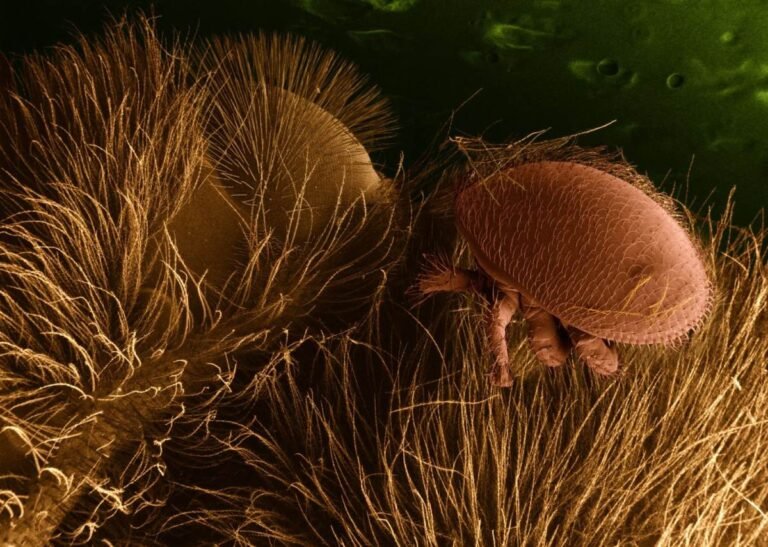
2025-2026 brought genuinely new Varroa chemistry: an EPA-registered RNAi treatment, the first amino-acid miticide, and USDA research on amitraz resistance.
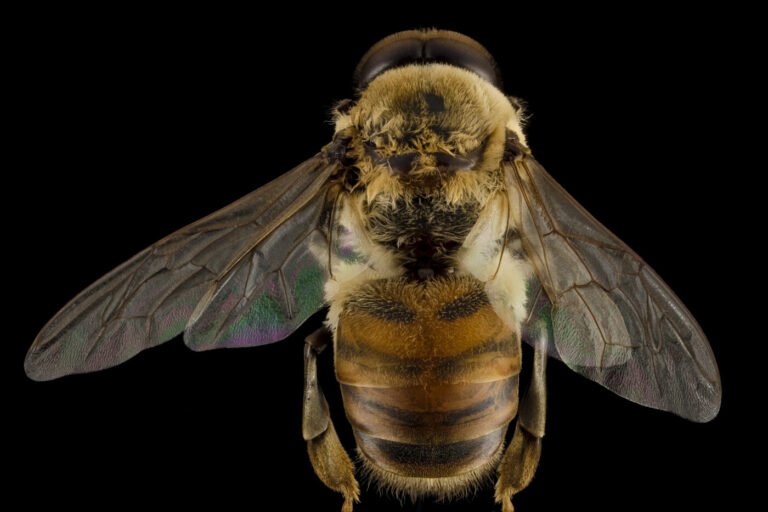
Drone brood removed for Varroa control is usually destroyed — but researchers are studying whether the same material could become a legitimate human food source, and the EU is reviewing it for novel food status.
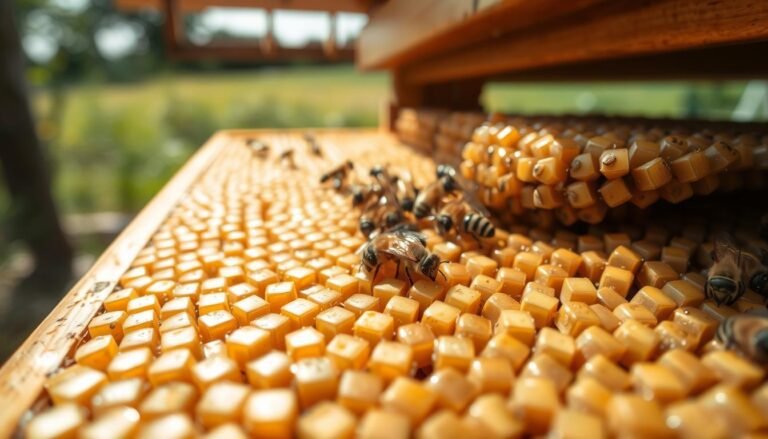
Table of Contents What the Freeze-Kill Assay Actually Tests Why Liquid Nitrogen Specifically Equipment You Actually Need The Procedure Step by Step How Results Are Evaluated The 95% Hygienic Threshold…
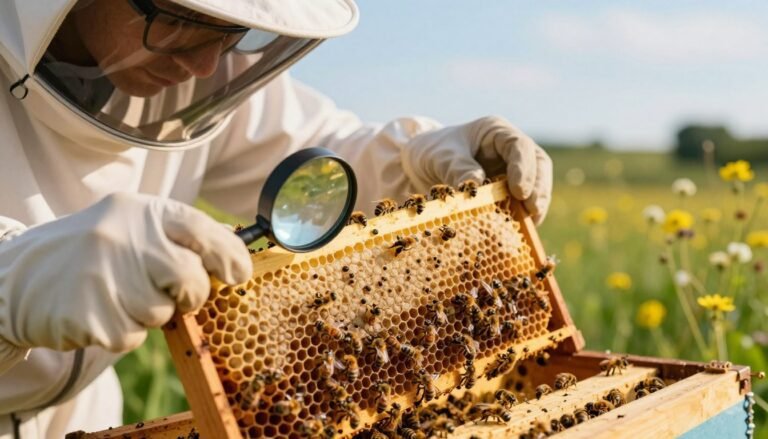
The Bee Gym is a small chemical-free plastic device that helps honey bees groom varroa mites off their own bodies more effectively — but the one controlled study that actually…
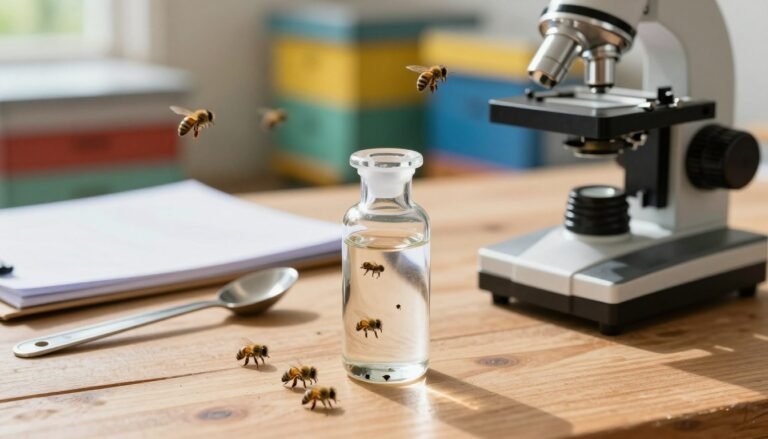
Table of Contents What the EasyCheck Actually Is EasyCheck vs. a DIY Mason Jar Alcohol Wash Step-by-Step: Using the EasyCheck Reading and Interpreting Your Count Why the Built-In Screen Matters…
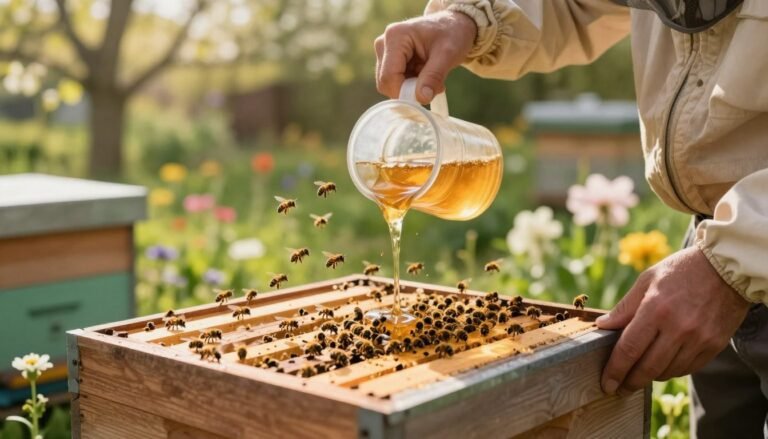
Table of Contents What the Dribble Method Is Same Acid, Different Delivery: Dribble vs. Vaporization Equipment You Actually Need Mixing the Solution: Ratios and Dosage Step-by-Step Application Why Repeat Treatments…
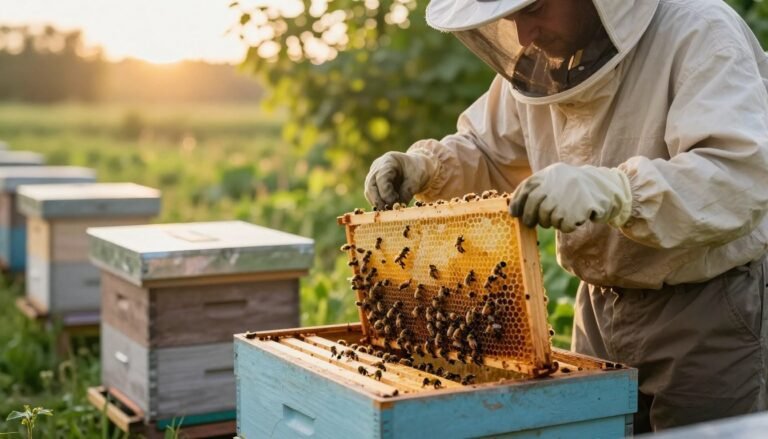
Table of Contents What HopGuard Is A Third Distinct Chemistry: Hop Beta Acids What It Treats — and What It Doesn’t Dosing: Strips Per Frame Count How to Hang the…

Table of Contents What Apiguard Is A Gel, Not a Strip or Vapor Cloud Equipment Needed: Why You Need a Spacer Dosing: Full Tray vs. Half Dose Step-by-Step Application Treatment…
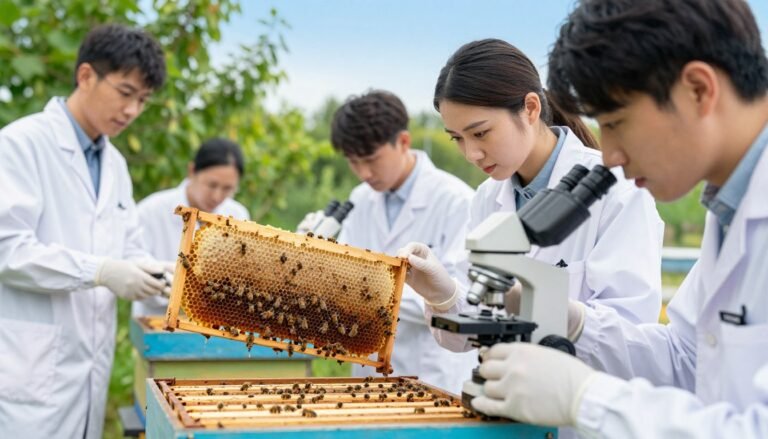
Table of Contents What Apivar Is A Genuinely Different Mechanism: Contact, Not Vapor Dosing: Strips Per Brood Box Where to Place the Strips Treatment Duration: 6-8 Weeks Temperature Sensitivity (or…
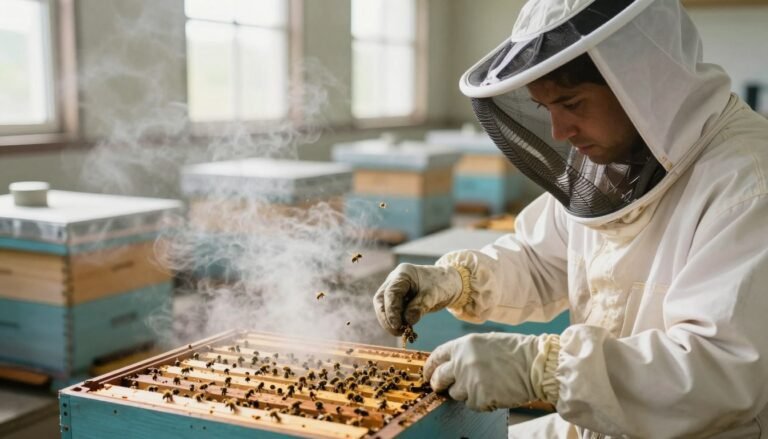
Last Updated September 22, 2026 Formic Pro and its discontinued predecessor, Mite Away Quick Strips (MAQS), are EPA-registered formic-acid strip treatments for Varroa destructor — and they solve a problem…

Table of Contents Does Oxalic Acid Vaporization Work? The Short Answer The Detail Most Guides Get Wrong: It Doesn’t Reach Capped Brood Equipment You Actually Need Dosage: Always Follow the…
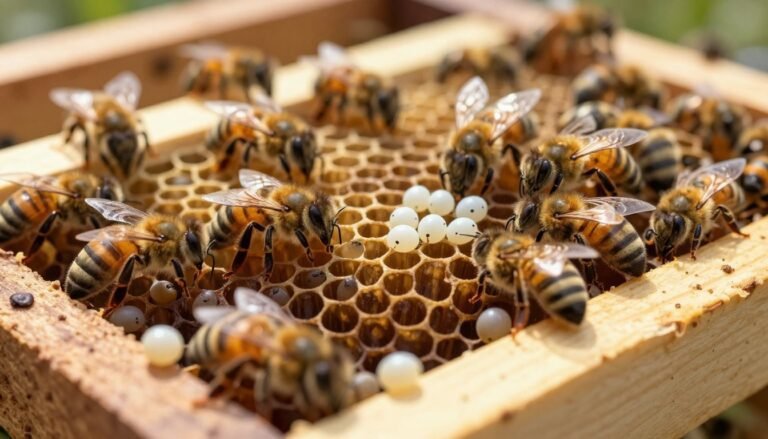
Learn how to manage your hive with our guide. Varroa mites in capped brood explained clearly to help you protect your bees and ensure colony health today.
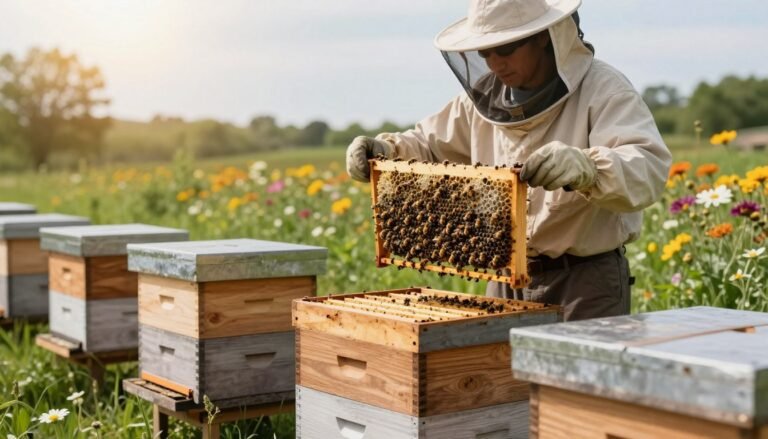
Master effective varroa management for treatment-free beekeepers with our ultimate guide. Learn sustainable methods to keep your honey bee colonies healthy.
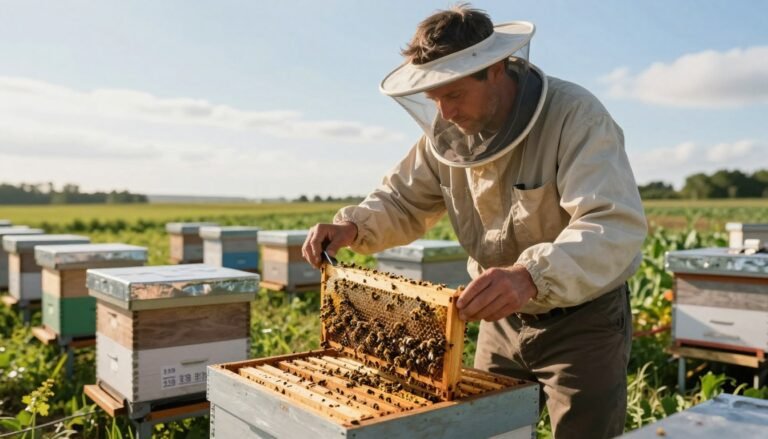
Discover what to do after a high mite count in your beehive. Our expert guide provides actionable steps to protect your colony and ensure hive health today.
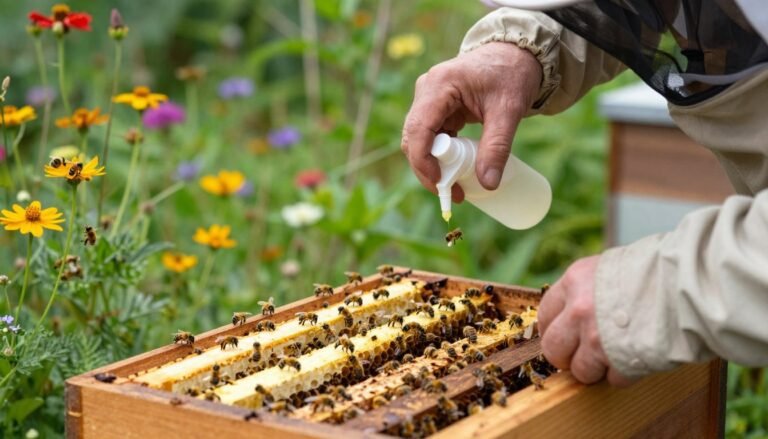
Discover how to manage varroa treatment after making a split effectively. Follow our professional guide to keep your honey bee colonies healthy and safe.
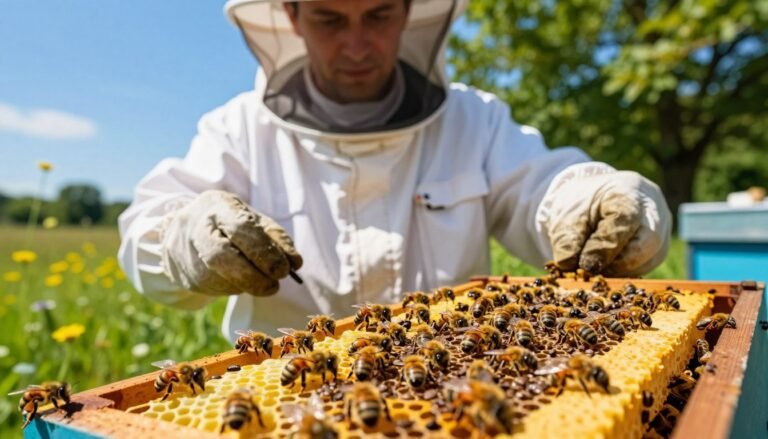
Learn how often to test colonies for varroa and discover the best practices for maintaining healthy bee colonies with our expert guide.
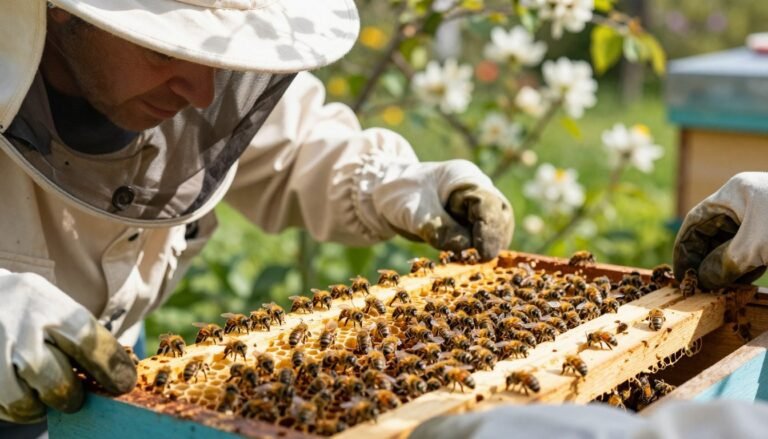
Understand varroa resistance signs in a hive and take action. Our how-to guide provides beekeepers with the knowledge to inspect and manage varroa mite resistance.
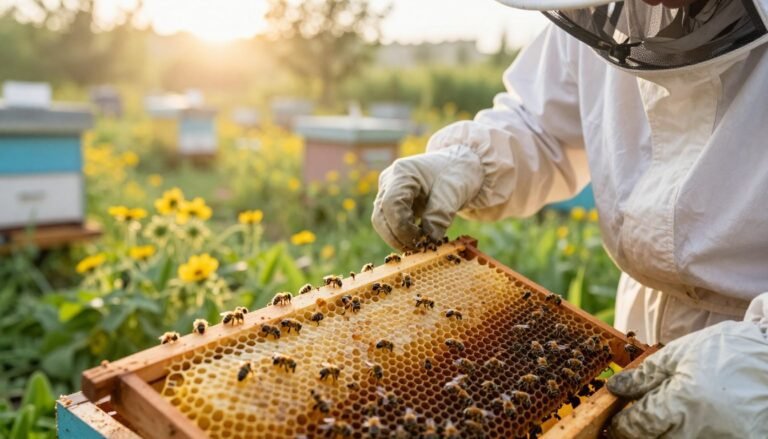
Learn the best times to treat varroa mites by season with our expert guide. Discover effective treatment strategies for beekeepers to keep their colonies healthy.
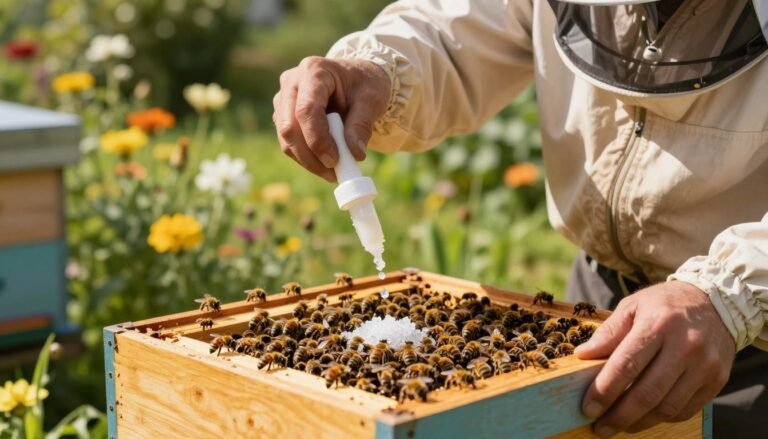
Discover how to apply oxalic acid treatment for bees safely and effectively. Protect your bee colony with our step-by-step guide.
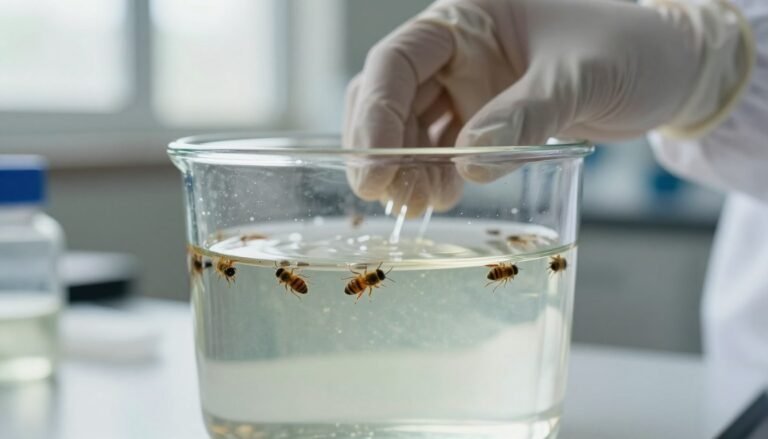
Learn how to do an alcohol wash for varroa mites with our step-by-step guide. Discover the simple process to monitor and manage varroa mite infestations effectively.