Table of Contents
- Does Oxalic Acid Vaporization Work? The Short Answer
- The Detail Most Guides Get Wrong: It Doesn’t Reach Capped Brood
- Equipment You Actually Need
- Dosage: Always Follow the Current Product Label
- Step-by-Step Application
- When to Treat: Broodless Periods Matter Most
- Repeat Treatment Schedule During Brood Rearing
- Safety Precautions
- Common Mistakes
- How It Compares to Other Varroa Treatments
- FAQ

Does Oxalic Acid Vaporization Work? The Short Answer
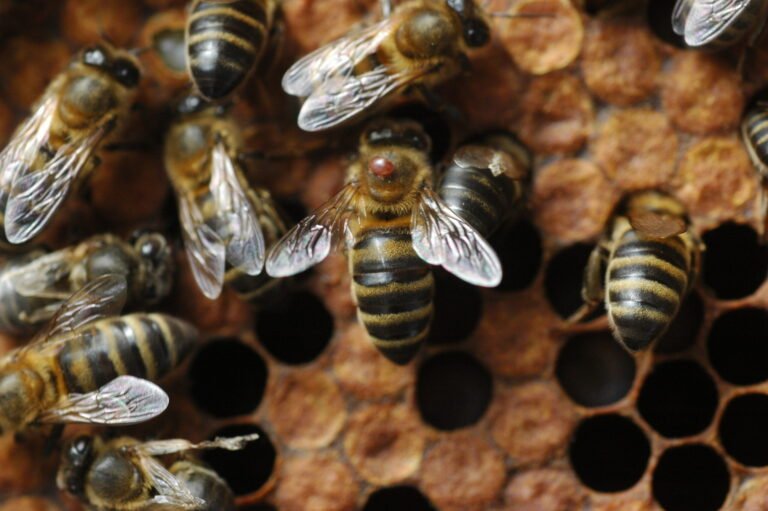
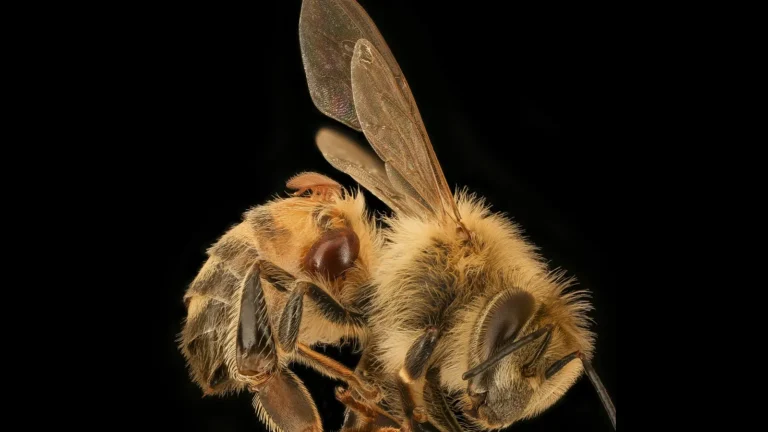
Yes, oxalic acid vaporization (OAV) is an effective, EPA-registered treatment against varroa mites — but only against mites riding on adult bees (phoretic mites), not mites sheltered inside capped brood cells. That single distinction shapes almost everything about when and how to use it well: timed right, during a broodless period, a single vaporization can knock down phoretic mite loads dramatically. Timed wrong, during heavy brood rearing, repeated treatments may still leave a large share of the mite population untouched, hiding under wax cappings until it emerges with the next generation of bees.
The Detail Most Guides Get Wrong: It Doesn’t Reach Capped Brood
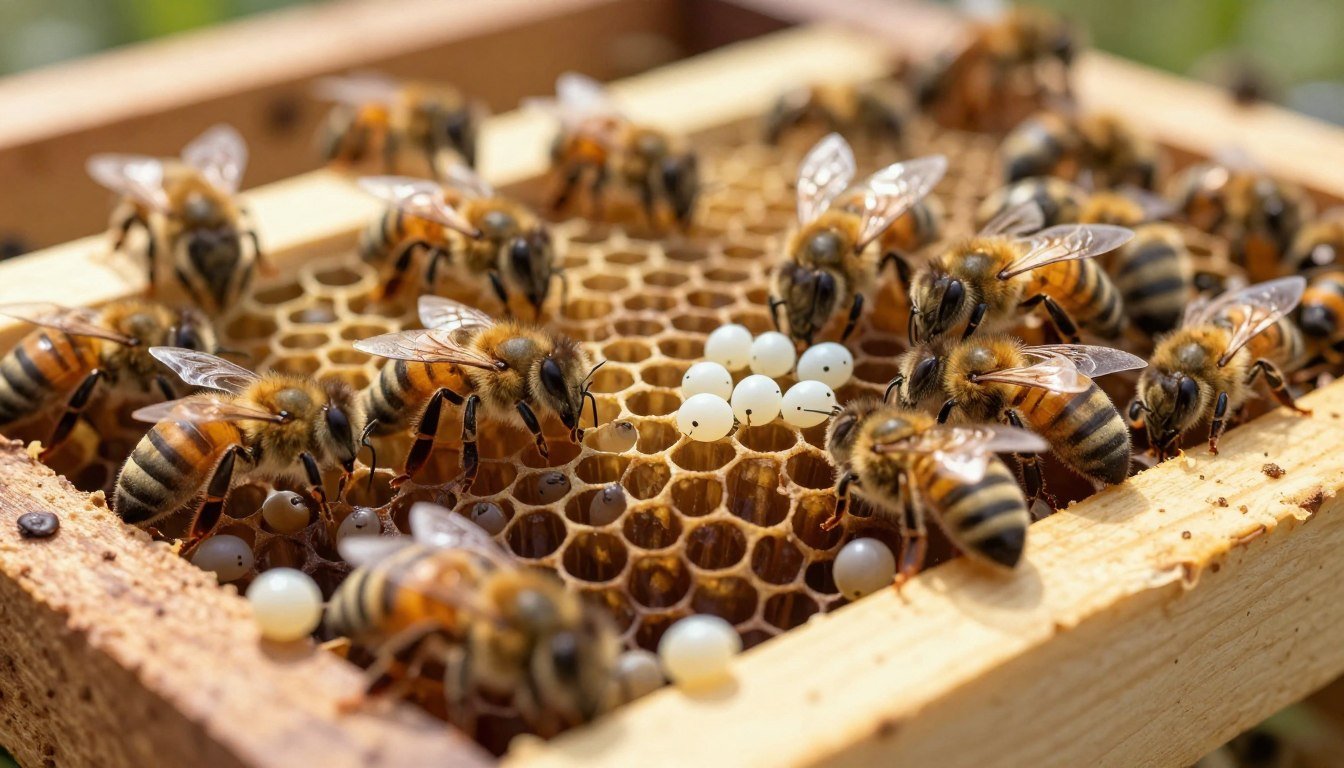
A lot of casual guides describe OAV as killing mites “throughout the hive” without qualification, which overstates what it does. Vaporized oxalic acid settles as fine crystals on adult bees and hive surfaces, and mites that are exposed on adult bees’ bodies pick it up and die from it. Mites already sealed inside a capped brood cell, where the majority of a colony’s mite population lives during active brood rearing, are physically shielded by the wax capping and are not reached by the vapor. This is why OAV effectiveness is so tightly linked to brood status — it isn’t that the chemical is weaker during brood season, it’s that a smaller fraction of the total mite population is actually exposed to it.
Equipment You Actually Need
A full OAV setup includes:
- A vaporizer unit — a heating wand or pan-style device (common models include the ProVap 110, Varrox-style pans, and similar 12V or battery-powered units) that heats oxalic acid crystals until they sublimate into vapor.
- A power source — a 12V battery, vehicle battery, or built-in rechargeable battery depending on the specific unit.
- A NIOSH-approved respirator rated for acid vapors (at minimum a half-face respirator with organic vapor/P100 cartridges) — not a basic dust mask, which does not protect against acid vapor.
- Eye protection — safety goggles or a full face shield, since oxalic acid vapor and dust are a genuine eye hazard.
- Chemical-resistant gloves, long sleeves, long pants, and closed-toe shoes to avoid skin contact.
- A way to seal the hive entrance during the vaporization and vapor dwell time, so the vapor stays inside the hive body long enough to settle on the bees rather than escaping immediately.
None of this is optional gear for occasional convenience — used without a proper respirator and eye protection, oxalic acid vapor is a genuine respiratory and eye hazard, not just an inconvenience.
Dosage: Always Follow the Current Product Label
In the United States, oxalic acid vaporization products are EPA-registered pesticides, and the legal dose depends on which specific labeled product you’re using — it is not one universal number. As of current labeling, Api-Bioxal is registered at 4 grams per brood chamber, while EZ-OX is registered at 2 grams per brood chamber or deep hive box; these numbers can change if labels are updated, so the product’s current label (not a blog post, including this one) is the legally authoritative source for dosage. Using an unregistered oxalic acid source, or dosing outside label instructions, isn’t just a safety risk to you and the colony — it’s also a violation of pesticide label law in the US, since EPA registration covers both the substance and its specific application method and dose.
Step-by-Step Application
- Suit up fully — respirator, eye protection, gloves, and protective clothing on before opening the vaporizer or handling crystals.
- Load the vaporizer with the labeled dose of oxalic acid crystals for your specific product and hive configuration.
- Insert the wand or pan through the hive entrance or a dedicated port, positioning it so vapor will spread through the brood chamber.
- Seal the entrance and activate the heating element for the manufacturer’s specified time (commonly under two minutes for wand-style units).
- Let the vapor dwell inside the sealed hive for the time specified on the label (often around 10 minutes) before removing the device and reopening the entrance.
- Move to the next hive, allowing the vaporizer to cool as needed between uses and staying upwind of vapor release points throughout.
Cooler outdoor temperatures and calm wind conditions generally make the process easier to control and safer for the applicator; check your specific vaporizer’s manual for any temperature-related guidance, since some units perform less consistently in very cold conditions.
When to Treat: Broodless Periods Matter Most
Because OAV only reaches phoretic mites, its single biggest effectiveness lever is timing it to a period when the colony has little or no capped brood, so a much larger share of the total mite population is exposed on adult bees rather than sealed away. Common broodless or low-brood windows include:
- Shortly after installing a package of bees, before the first brood is capped
- Late fall or early winter, once the colony has naturally reduced or stopped brood rearing
- After a deliberate brood break, such as caging the queen or making a split — see how a brood break queen cage works for one method of creating this window intentionally
Treating during a natural or induced broodless window is generally far more effective per application than treating during peak brood season, which is why many beekeepers plan their main OAV treatment around one of these windows rather than applying it at an arbitrary time in the season.
Repeat Treatment Schedule During Brood Rearing
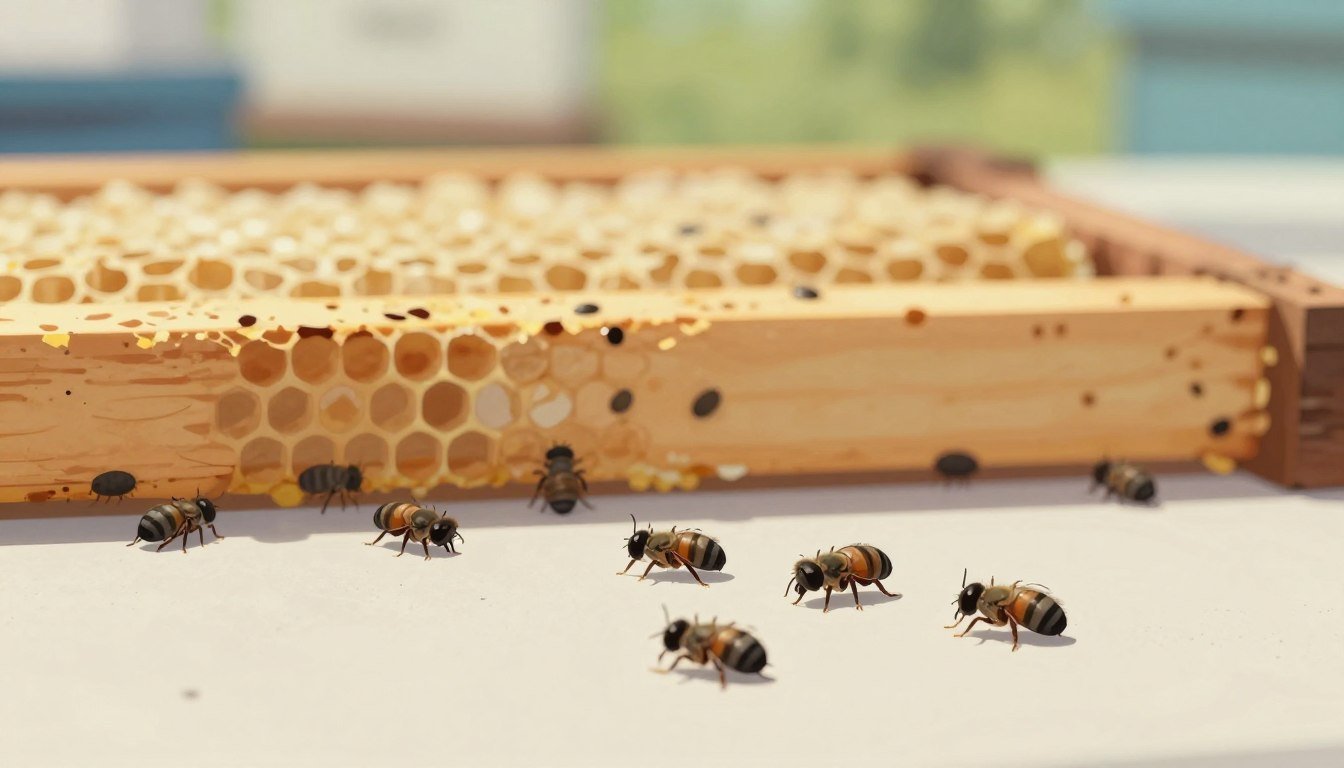
If treatment can’t wait for a broodless period, repeated applications are sometimes used to catch newly emerging mites as they leave capped cells and become phoretic before immediately re-entering another cell. Research on this approach has shown mixed results, though — some published trials found that repeated applications every five days over several weeks were still not fully effective at controlling mite populations during active brood rearing, since the constant cycle of capping and emergence means some mites are always sheltered at any given moment. In practice, this means repeat-during-brood-season OAV should be treated as a stronger option than doing nothing, but a weaker one than timing a treatment to an actual broodless window whenever that’s a realistic option. Track mite drop or use a standard alcohol wash or sugar roll count before and after treatment to confirm it’s actually working for your colony rather than assuming it is — see what to do after a high mite count for the fuller decision process.
Safety Precautions
Beyond wearing the equipment listed above, a few practical safety habits matter:
- Never inhale vapor directly — work upwind of the release point and avoid leaning directly over the entrance during or immediately after treatment.
- Use in adequate ventilation when treating in an enclosed space like a garage or shed, not just outdoors near the hive.
- Store crystals in their original, clearly labeled container, away from food, children, and pets — oxalic acid is toxic if ingested.
- Wash hands and any exposed skin thoroughly after handling, even when gloves were worn throughout.
- Keep a fire extinguisher rated for the vaporizer’s heat source nearby if using a unit with an open flame or heating element in dry vegetation conditions.
Common Mistakes
| Mistake | Why it matters |
|---|---|
| Treating without a proper respirator, relying on a basic dust mask | Dust masks don’t filter acid vapor; this is a real inhalation hazard, not just a formality |
| Assuming one treatment “clears” a colony regardless of brood status | Mites in capped brood are unaffected — a heavily brooded colony may still carry a large hidden mite load after treatment |
| Guessing dosage instead of checking the current product label | Dosage varies by product and is a legal requirement, not a rough guideline |
| Not sealing the entrance for the full dwell time | Vapor that escapes early settles on far fewer bees, reducing effectiveness |
| Skipping a mite count before and after treatment | Without a baseline count, there’s no way to confirm the treatment actually worked for that specific colony |
How It Compares to Other Varroa Treatments
OAV is one option among several effective varroa treatments, each with its own tradeoffs around temperature range, brood penetration, and application effort. For a fuller side-by-side look at oxalic acid alongside formic acid, thymol, and natural/non-chemical approaches, see varroa treatment options compared. In short: formic acid is one of the few treatments that does penetrate capped brood, which is a meaningful advantage during active brood season specifically because of the capped-brood limitation covered above — many beekeepers use OAV during broodless windows and rotate in a brood-penetrating treatment at other times of year as part of a broader integrated pest management plan.
For a strip-based alternative to vaporizing, see oxalic acid extended release.
Sources
Dosage, capped-brood penetration limits, and EPA registration status reflect current university extension guidance (including Washington State University Extension publications on oxalic acid options for varroa control) and published research on repeated oxalic acid vaporization trials. Always confirm current label instructions for the specific registered product you’re using, since labels can be updated. For current, authoritative detail, see the Honey Bee Health Coalition’s Tools for Varroa Management guide.
FAQ
Does oxalic acid vaporization kill mites inside capped brood cells?
No. Vaporized oxalic acid cannot penetrate capped brood cells — it only affects phoretic mites riding on adult bees. This is why timing treatment to a broodless period significantly improves its effectiveness.
What respirator do I need for oxalic acid vaporization?
At minimum a NIOSH-approved half-face respirator with organic vapor/P100 cartridges. A basic dust mask does not protect against oxalic acid vapor.
How much oxalic acid should I use per hive?
It depends on the specific EPA-registered product — for example, Api-Bioxal and EZ-OX have different labeled doses per brood chamber. Always follow the current label for the exact product you’re using rather than a generic figure.
When is the best time to do oxalic acid vaporization?
During a broodless or low-brood period — after package installation before brood is capped, in late fall/early winter after brood rearing slows, or after a deliberate brood break — since that’s when the largest share of the mite population is exposed on adult bees rather than sealed in capped cells.