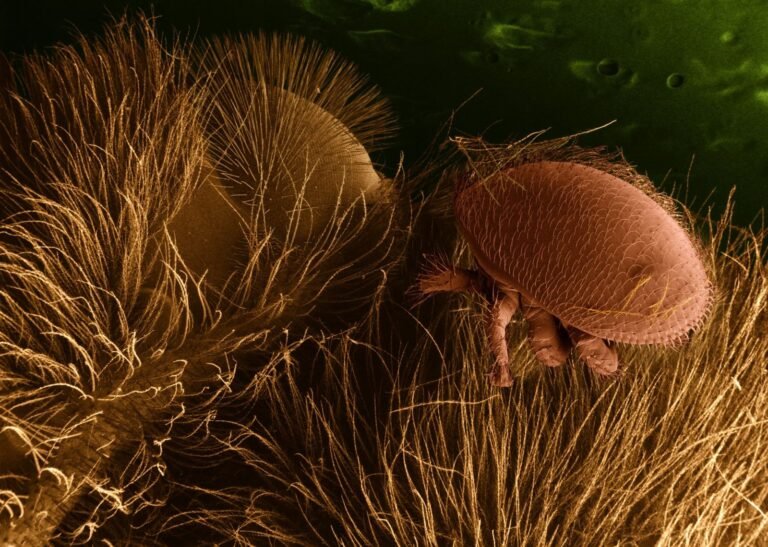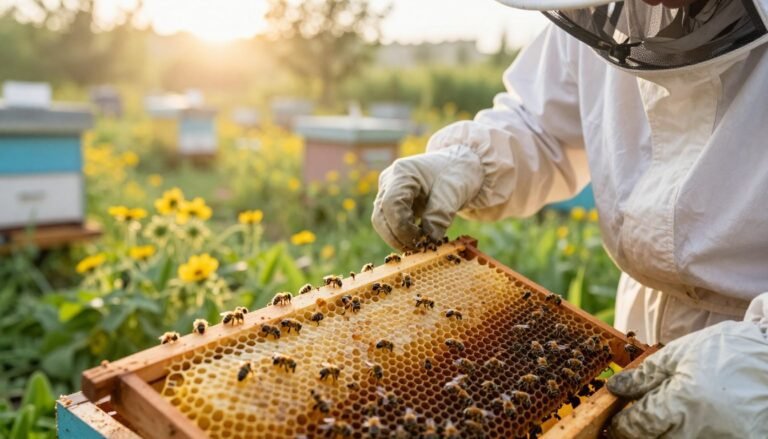
Three methods dominate varroa monitoring: the alcohol wash, the sugar roll, and the sticky board. They trade off accuracy, cost to the colony, and effort. Here’s how each actually works and which to reach for.
None of these methods is universally “best” — the right choice depends on what decision the count is actually feeding into. A treatment decision that needs to be made today calls for the most accurate number available even at the cost of a small sample of bees, while ongoing trend-tracking on a queen breeder’s prized colony calls for a method that doesn’t kill any bees at all. Understanding what each method actually measures, and where its blind spots are, matters more than memorizing a single “correct” technique.
Table of Contents
- Alcohol Wash: The Accuracy Standard
- Sugar Roll: The Non-Lethal Option
- Sticky Boards: Passive, Continuous Monitoring
- Which Method Should You Use?
- Common Mistakes That Skew Your Count
- Interpreting and Acting on Your Count
Alcohol Wash: The Accuracy Standard
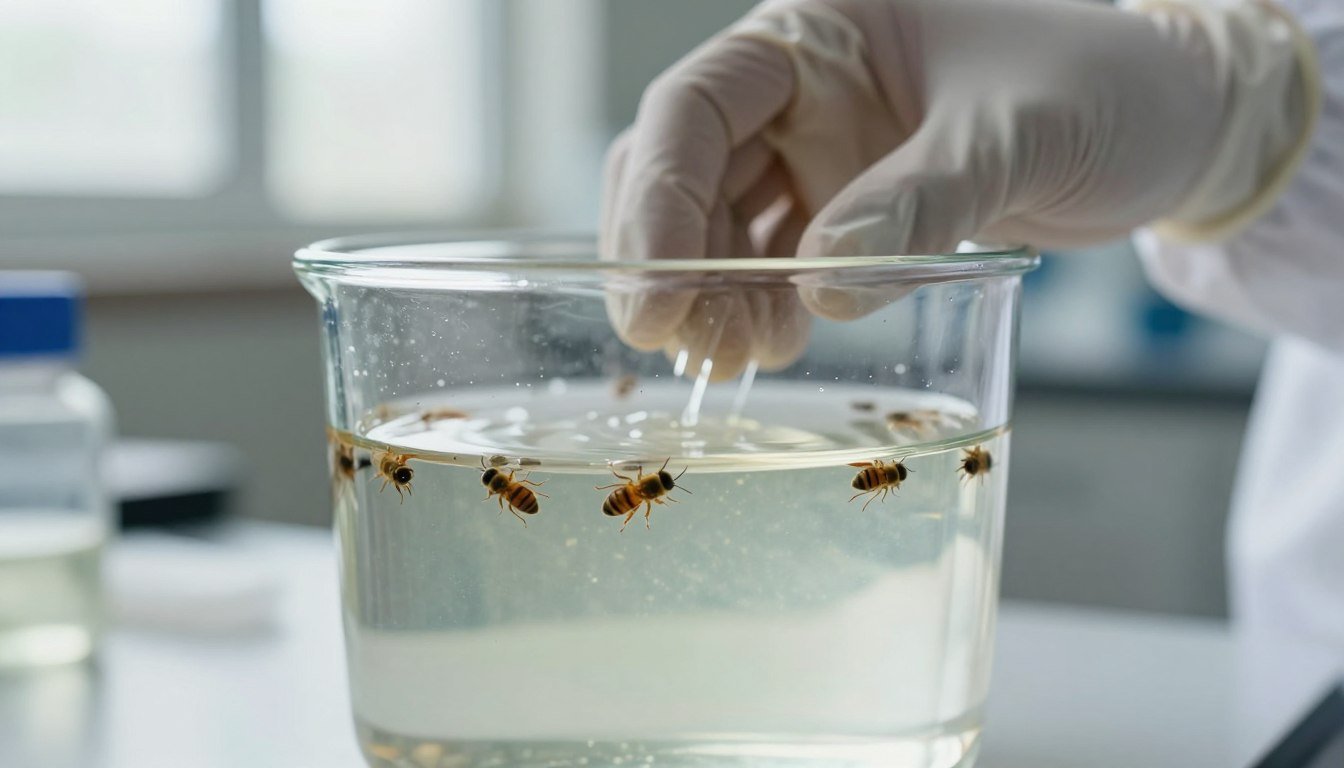
The alcohol wash kills the sampled bees, but it’s the most accurate field method available, and it’s what treatment-threshold research is calibrated against. Every published seasonal threshold you’ll see — the kind used to decide whether a count means “fine” or “treat now” — was established using alcohol wash data specifically, which is part of why it remains the reference method against which sugar roll and sticky board results are usually compared rather than treated as fully independent measurements.
What you need
| Item | Recommended option | Why |
|---|---|---|
| Solvent | 91% isopropyl rubbing alcohol | Best mite recovery; dissolves wax flakes that can obscure counts |
| Sample container | ~125 mL cup, filled level | A level half-cup holds roughly 300 bees — the standard sample size |
| Shaker | Double-jar shaker with mesh insert | Separates mites from bees quickly in the field |
| Timer | Phone timer or stopwatch | Consistent swirl duration matters more for repeatability than most beekeepers assume |
Step by step
- Pull a frame with open brood and nurse bees. Check both faces for the queen before shaking — never sample a frame with the queen still on it.
- Shake bees from the frame into a wide container with a firm, decisive motion rather than a gentle one — a half-hearted shake leaves too many bees clinging to the comb, skewing the sample smaller than intended. Older foragers tend to fly off during this step, leaving the nurse bees that best represent the colony’s actual mite load.
- Measure a level half-cup (~300 bees) into your sampling jar with the alcohol.
- Swirl for at least 60 seconds. A mechanical agitator (Randy Oliver’s “Smokin’-Hot Mite Washin'” method uses ~300 swirls in 60 seconds) gives around 95% mite recovery; vigorous hand-swirling for 60 seconds is a reasonable substitute.
- Pour the liquid through the mesh insert or a fine strainer, separating mites from bees. Hold the container to the light and count.
- Divide the mite count by 3 to get an approximate percent infestation for a 300-bee sample (e.g., 6 mites = ~2%).
Purpose-built tools have made the field process considerably faster than the classic double-jar setup — see our complete guide to the Varroa EasyCheck if you’re sampling enough colonies that shaving a minute or two off each wash actually adds up. It’s also worth handling the used alcohol responsibly rather than pouring it straight onto the ground near the apiary — used wash liquid still contains dissolved wax and bee residue that’s best disposed of the same way you would any used solvent.
The sampled bees themselves are a genuine, if small, loss to the colony — roughly 300 bees out of a healthy colony’s tens of thousands of workers, a proportion strong colonies recover from without issue, though beekeepers monitoring a genuinely small or struggling nuc sometimes opt for the sugar roll specifically to avoid compounding an already fragile colony’s population loss.
Temperature affects the alcohol wash in a couple of practical ways worth planning around. Very cold weather thickens rubbing alcohol slightly and can make mites cling more stubbornly during the swirl, while very hot weather increases evaporation and fumes during the process — performing washes in shade rather than direct sun on a hot day, and giving a slightly longer swirl time in cold weather, both help keep results consistent across the range of conditions a season actually presents. It’s also worth sampling at a similar time of day across checks where practical, since forager return patterns shift through the day and can subtly change which bees end up in your sample.
Sugar Roll: The Non-Lethal Option
The sugar roll (or “sugar shake”) uses powdered sugar instead of alcohol, coating the bees so mites lose their grip and fall through a mesh lid — then the bees are shaken free and returned to the hive alive. It’s the right choice when you want to sample the same colony repeatedly without killing bees each time, such as in a small apiary where losing 300 bees per check adds up.
The tradeoff is accuracy: a properly performed sugar roll recovers roughly 85% of the mites an alcohol wash would find on the same sample. Common mistakes that push that accuracy lower: using damp or clumped sugar, not shaking long enough for the sugar to fully dislodge mites, or sampling from a frame with mostly capped brood (fewer phoretic mites available to dislodge). Powdered sugar rolled onto the sample and left to sit for about a minute before shaking gives sugar time to work its way between the mite and the bee’s exoskeleton.
Humidity is a genuinely underrated factor in sugar roll accuracy: on a humid day, powdered sugar absorbs moisture from the air and the bees themselves faster than on a dry day, clumping before it has a chance to do its job of loosening mites’ grip. Beekeepers in humid climates sometimes get more consistent results storing sugar in an airtight container right up until the moment of use, and doing the roll itself as quickly as practical once the sugar is added, rather than letting it sit exposed to ambient humidity any longer than necessary.
Sticky Boards: Passive, Continuous Monitoring
A sticky board sits under a screened bottom board and catches mites that fall naturally from the colony over a set period — typically 24 to 72 hours. It doesn’t require handling bees at all, which makes it useful for tracking trends between active samples, but it’s less precise for a single-point decision: natural mite drop varies with treatment activity, brood cycles, and even robbing behavior nearby. Count the total mites caught, divide by the number of days the board was in place, and compare the daily average against your threshold rather than treating a single day’s count as definitive.
Sticky boards also require care in placement and reading: a board with an oil or adhesive coating that has dried out or gotten dusty over multiple uses will under-count, since debris and dried adhesive both reduce how effectively mites actually stick once they fall. Positioning the board so it sits close enough to the screen to catch drop reliably, without touching bees working the screen from above, takes a bit of practice to get consistent between checks.
Natural mite drop also isn’t a perfectly stable baseline the way it might seem — drop rate genuinely shifts with brood-rearing intensity, since more capped brood means more mites cycling through reproduction and, eventually, more emerging alongside newly hatched bees. This means a rising sticky board count doesn’t always mean the underlying mite population is growing; it can partly reflect a normal seasonal increase in brood volume. Cross-checking a rising sticky board trend against an occasional alcohol wash or sugar roll helps distinguish a genuine population increase from this kind of seasonal noise.
Weather during the sampling period can also skew sticky board readings in less obvious ways — heavy rain or unusually high humidity can affect how well mites adhere to a coated board once they fall, and strong airflow through an entrance can occasionally dislodge debris onto the board that gets mistaken for mites during a quick count. A careful visual check under decent light, rather than a rushed glance, remains worth the extra minute it takes.
Which Method Should You Use?
- Making a treatment decision right now: alcohol wash. It’s the most accurate and the fastest to a clear answer.
- Repeated sampling on a small number of hives, or a queen you want to preserve: sugar roll.
- Tracking a trend over days without disturbing the colony, especially post-treatment: sticky board, alongside an occasional wash or roll to calibrate.
- Managing many colonies with limited time: a rotating schedule of alcohol washes on a representative subset of hives each visit, rather than attempting every method on every hive every time, keeps monitoring genuinely sustainable at scale.
Whichever method you use, the value comes from consistency — same sample size, same frame type, same time of day where possible — so counts are actually comparable from one check to the next. For guidance on how often to test and how to read the numbers you get, see varroa mite testing: timing, frequency, and interpreting your counts.
Common Mistakes That Skew Your Count
Beyond the method-specific pitfalls already covered above, a few mistakes show up across all three methods and consistently distort results:
- Sampling the wrong bees. Foragers returning from the field carry meaningfully fewer phoretic mites than nurse bees working the brood nest, so a sample skewed toward foragers — grabbed from the top of a super rather than near open brood — will understate the true infestation.
- Inconsistent sample volume. Eyeballing “about a half cup” rather than actually leveling the measurement introduces variability that compounds over repeated checks; a genuinely level 300-bee sample matters more than most beekeepers assume when comparing counts month to month.
- Testing right after a treatment ends. A count taken immediately after a treatment application, rather than waiting the recommended interval, can be misleadingly low simply because the treatment hasn’t finished working yet. Most guidance recommends waiting roughly one to two weeks after a treatment ends before drawing conclusions from a follow-up count, giving mite drop time to stabilize.
- Comparing counts across different methods without adjustment. A sugar roll count and an alcohol wash count from the same colony aren’t directly comparable numbers — the roughly 85% recovery-rate gap between them matters when tracking a trend that switches methods partway through a season.
- Ignoring colony-to-colony variation within the same yard. Averaging counts across an entire apiary can mask one or two colonies running dangerously high mite loads while the rest sit comfortably below threshold, since a colony-level average smooths over exactly the outliers most worth catching early.
Most of these mistakes share a common thread: they introduce noise that makes a single count less trustworthy in isolation, which is exactly why consistency across repeated checks — same technique, same relative sample location, similar conditions — matters more for genuinely useful monitoring than any single “perfect” count ever could.
Interpreting and Acting on Your Count
A single count, however accurately taken, only tells you where a colony stands right now — the real value comes from comparing it against seasonal thresholds and your own colony’s trend over time. Our testing frequency and threshold guide covers how often to sample and what specific numbers should trigger action at different points in the season, while our complete varroa management guide walks through the full monitor-decide-treat-confirm cycle these counts feed into. If a count comes back above threshold, what to do after a high mite count covers the practical next steps rather than leaving you with a number and no clear path forward.
FAQ
Is the sugar roll as accurate as the alcohol wash?
No — a well-performed sugar roll typically recovers about 85% of the mites an alcohol wash would find on the same sample. It’s still useful, especially when you don’t want to kill the sampled bees.
How many bees should I sample?
A level half-cup, which is roughly 300 bees, is the standard sample size for both alcohol wash and sugar roll testing.
Can I reuse a sticky board reading from just one day?
You can, but a single day’s natural mite drop is noisy. Averaging over 2-3 days gives a more reliable trend than one reading alone.
Does humidity actually affect sugar roll accuracy?
Yes. Powdered sugar absorbs moisture and clumps faster in humid conditions, reducing its ability to loosen mites’ grip on bees, which is part of why sugar roll counts can run lower than expected in humid climates or seasons.
Can I compare a sugar roll count directly against an alcohol wash threshold?
Not exactly. Sugar roll recovers roughly 85% of the mites an alcohol wash finds on the same sample, so a sugar roll count run against alcohol-wash-calibrated thresholds will tend to understate true infestation slightly.
The Honey Bee Health Coalition’s Tools for Varroa Management guide, now in its ninth edition, is the source most of the sampling thresholds in this comparison are drawn from.