Last Updated September 16, 2026
The best bee vacuum for live bee removals is a purpose-built unit with regulated, adjustable suction and a solid catch container — not a shop-vac — and three real, currently sold models fit that description: the corded Colorado Bee Vac ($359.99), the cordless Humble Bee Vac V3 (£349.99), and the cordless, backpack-style Everything Bee Vacuum Gen 2.5 sold by Foxhound Bee Company ($514.99). All three are built around the same idea: just enough suction to pull bees off comb and out of a cavity without injuring them, and a chamber that empties straight into hive equipment so the colony survives the trip.
Key Takeaways
- A genuine bee vacuum uses a solid catch container — not a bag or cyclone chamber — and suction well below a shop-vac’s normal output, so bees land softly instead of being battered against a filter.
- The Colorado Bee Vac ($359.99, corded, 120V, 1.75 hp with an adjustable suction damper) holds up to 10 lb of bees in a real Eastern White Pine deep hive-body catch box.
- The Humble Bee Vac V3 (£349.99, cordless, 20V battery, 32 CFM airflow, 10 kPa suction) is built to suck bees directly into a nuc box, with roughly 45 minutes of runtime per charge.
- The Everything Bee Vacuum Gen 2.5 ($514.99, cordless backpack with a remote suction dial, 7 ft hose, roughly 3–5 lb of bees per load) is the quiet option for cutouts inside occupied homes, and Foxhound also rents it.
- Best fit: cutout and swarm-removal specialists doing this often enough to justify a dedicated $350+ tool; occasional removals can often be handled with a soft-bristle brush and a nuc box instead.
Table of Contents
- What a Bee Vacuum Is
- Low-Suction Design: Why It Matters
- A Real Bee Vacuum vs. a Modified Shop Vacuum
- Features That Separate a Good Bee Vacuum From a Bad One
- Setting Up for a Removal Job
- Vacuuming Technique to Minimize Bee Loss
- Transporting Vacuumed Bees
- Realistic Survival Expectations
- Cleaning and Maintenance
- Who Should Invest in This Equipment
- Locating the Queen Before Vacuuming
- Accessing Difficult Cavities
- Power Source Considerations
- Cost and Return on Investment
- Handling Comb Removed Alongside the Bees
- Weather Conditions for Removal Work
- Building Skill With the Equipment
- Checking Vacuumed Colonies for Disease
- Explaining the Process to Customers
- Common Mistakes
What a Bee Vacuum Is
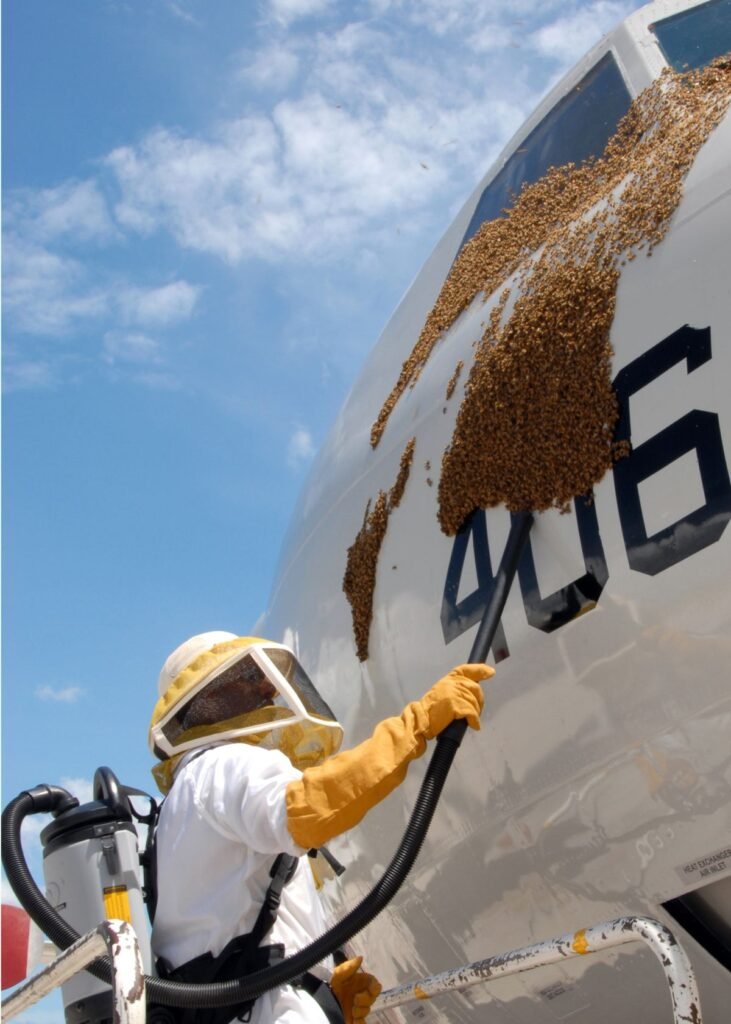
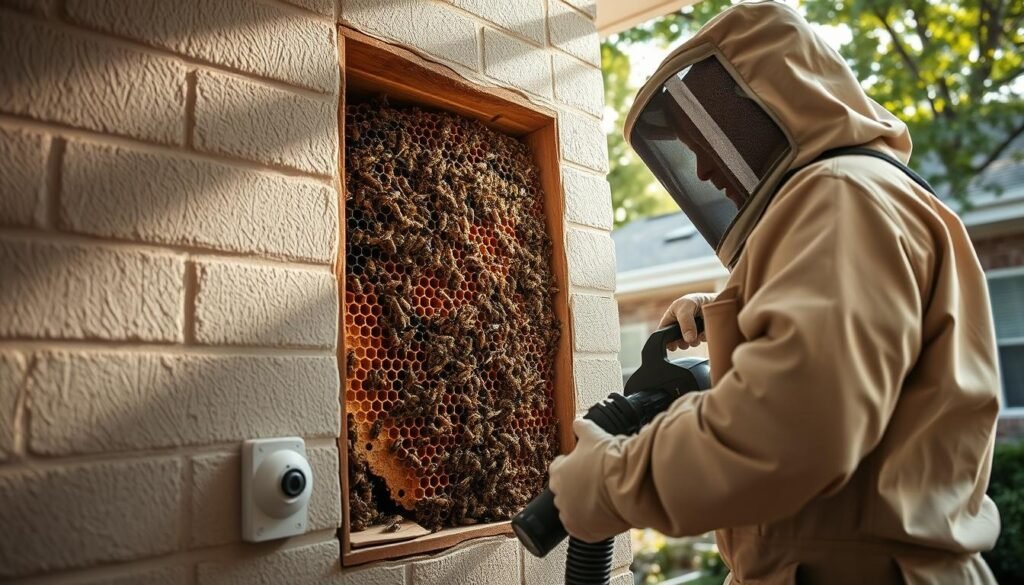
A bee vacuum is a purpose-built vacuum system designed specifically for extracting live bees from wall cavities, trees, and other structures during removal work, using controlled, adjustable suction calibrated to collect bees without killing or seriously injuring them in the process — a genuinely different design goal than a standard shop vacuum, which moves far too much air at far too high a suction force for live bee collection. Our broader guide to starting a bee removal business covers when this equipment is worth the investment; this guide covers three real, verified purpose-built options in depth: the Colorado Bee Vac, the Humble Bee Vac, and the Everything Bee Vacuum Gen 2.5.
This short video from the Bohemia Bees channel shows what a bee vacuum looks like in use on a real removal and explains why the suction has to be far gentler than a household or shop vacuum.
Low-Suction Design: Why It Matters
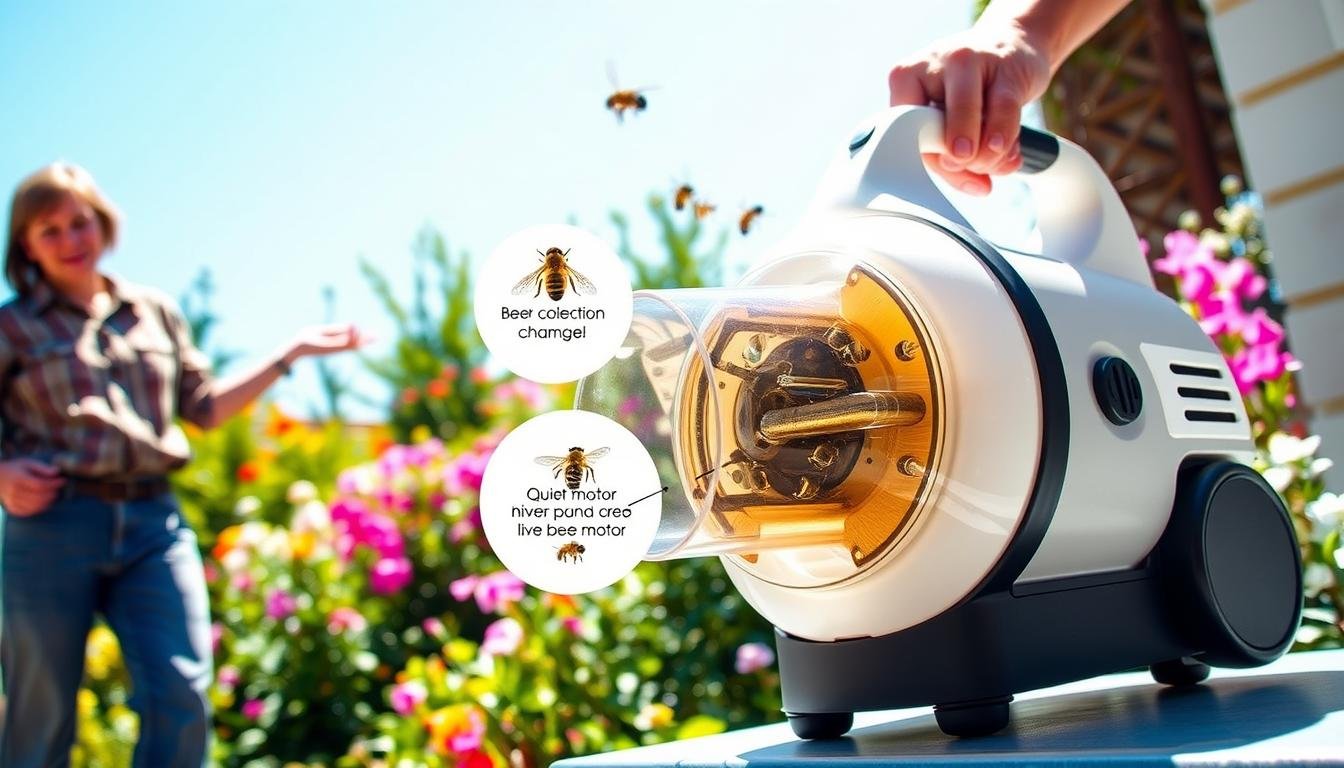
The core engineering challenge in any bee vacuum is balancing enough suction to reliably pull bees off comb and out of cavities against gentle enough handling that bees survive the collection and transport process — too much suction and bees are injured or killed on impact with the collection chamber; too little and the vacuum can’t reliably collect bees from a genuinely established colony. Purpose-built designs target this balance with adjustable suction control and a padded or cushioned collection chamber interior, reducing impact trauma compared to a rigid, high-velocity collection path — the Colorado Bee Vac does this with an adjustable damper on a 1.75 hp motor and a wooden hive-body catch box, the Humble Bee Vac uses a dual-speed brushless motor (32 CFM / 10 kPa) that empties straight into a nuc, and the Everything Bee Vacuum Gen 2.5 puts a suction dial on a retractable remote so the operator can turn it down the moment bees start hitting the bucket too hard.
A Real Bee Vacuum vs. a Modified Shop Vacuum
A standard shop-vac moves far more air, at far higher suction, than any live bee collection needs — its continuous high suction and bag or cyclone filter batters bees to death within seconds. Some experienced removal operators do successfully modify shop vacuums with suction regulators and padded collection boxes, achieving results closer to a purpose-built unit at lower cost, but this requires real technical know-how, and a poorly modified shop vacuum can produce meaningfully worse bee survival than a properly designed purpose-built system. The three purpose-built models below are the ones we could actually verify against a live product page, with specifications taken directly from the seller.
| Factor | Colorado Bee Vac | Humble Bee Vac V3 | Everything Bee Vacuum Gen 2.5 |
|---|---|---|---|
| Seller | Betterbee | Humble Bee Honey (UK) | Foxhound Bee Company |
| Power | 120V corded, 1.75 hp | 20V lithium battery, cordless | Rechargeable battery built into the bucket head, cordless backpack |
| Price | $359.99 | £349.99 | $514.99 (also available to rent) |
| Suction control | Adjustable damper | High/eco dual-speed brushless motor | Remote dial from off to full, adjustable mid-cutout |
| Catch container | Eastern White Pine deep hive-body box, holds up to 10 lb of bees | 10 L debris container, empties directly into a nuc | Bee bucket with wire cluster cage, roughly 3–5 lb of bees per load |
| Runtime | Unlimited (corded) | ~45 minutes per charge | Two full cutouts per charge (seller reports 6–8+ hours) |
| Hose | Standard shop-vac style hose | Standard hose | 7 ft ribbed hose, about 2 in diameter, long and short nozzles |
| Best for | Cutouts near reliable power or a generator | Remote sites, tree swarms, no power access | Cordless cutouts inside occupied homes where a quiet motor matters |
Features That Separate a Good Bee Vacuum From a Bad One
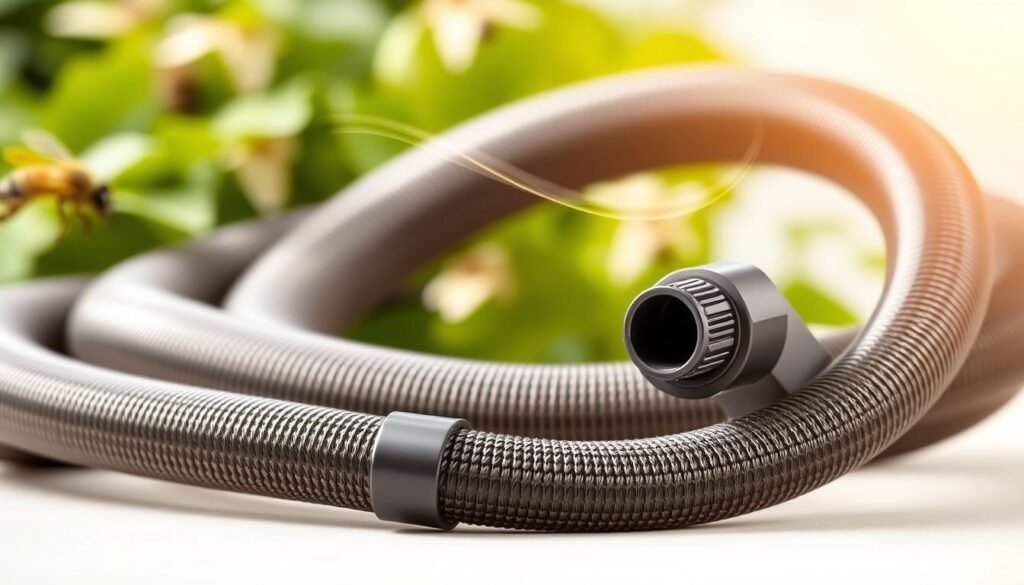
When you compare models, four features decide whether a unit will actually keep bees alive on a real job. Adjustable suction is the non-negotiable one: you need to be able to throttle the motor down when working close to comb and back up when pulling bees from a deep void, and the adjustment should be reachable without stopping the job — a damper on the Colorado unit, a two-speed switch on the Humble, a remote dial on the Foxhound backpack. Second is the catch container: a solid, ventilated box or bucket with a screen between the bees and the motor, sized so a full load can cluster instead of piling up. Third is reach — a hose of roughly 7 feet with interchangeable nozzles gets into soffits, wall voids and between combs where a short rigid wand cannot. Fourth is power and runtime: a corded unit never runs out, while a cordless unit trades that for the freedom to work a tree swarm or a remote outbuilding with no outlet in sight.
“A remote lets you dial suction from off to full without taking off the backpack — gentle enough to pull bees off comb without killing them, strong enough to keep them cool during transport.”
| Feature | Why it matters | What to look for |
|---|---|---|
| Suction control | Prevents injury to workers on impact | Damper, speed switch or remote dial you can reach mid-job; run low near comb |
| Catch container | Bees need room to cluster and airflow to stay cool | Solid box or bucket with screened airflow and a door that closes once the hose comes off |
| Hose and nozzles | Reach into voids and between combs | About 7 ft of flexible hose plus long and short nozzles |
| Power and runtime | An interrupted job leaves a half-collected colony | Corded for unlimited runtime, or a battery rated for more than one cutout |
| Transfer path | Every extra handling step costs bees | A container that dumps or shakes directly into a hive body or nuc |
Setting Up for a Removal Job
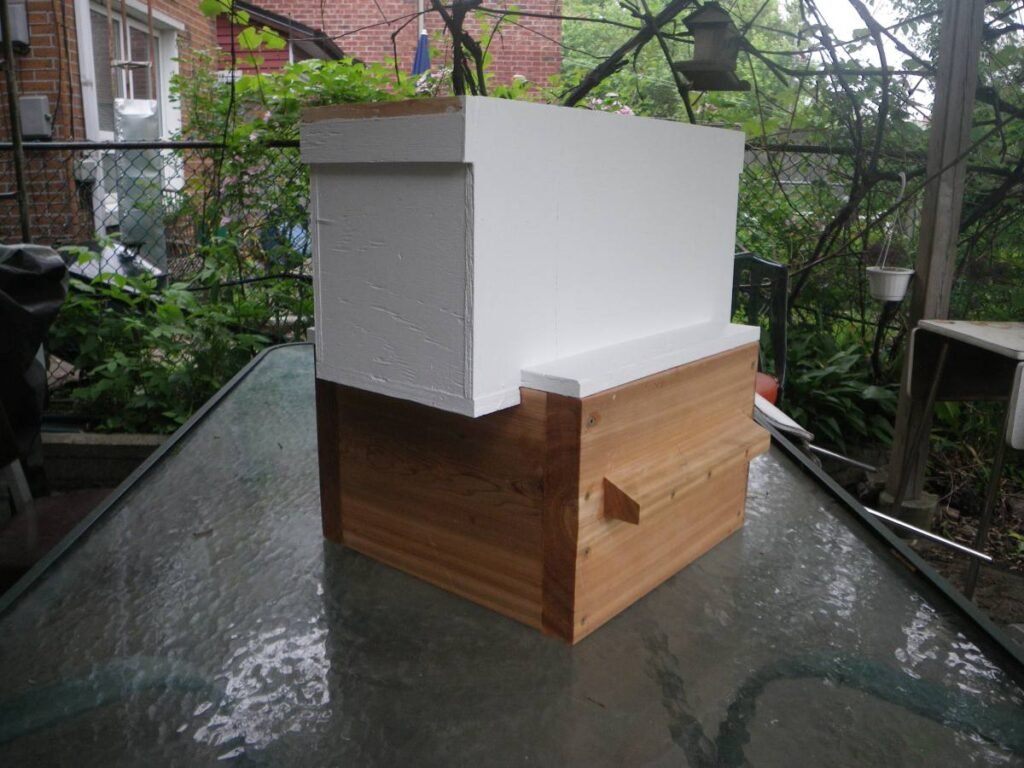
Assemble the vacuum with its hose and collection chamber before arriving on site, and test suction adjustment ahead of time rather than discovering a calibration issue mid-job — confirm the collection chamber is clean and properly cushioned, and have a plan for where vacuumed bees will be housed (a nuc box or hive body) once collection is complete, since bees shouldn’t remain in the vacuum chamber any longer than the active collection process requires. Bring the same protective kit you would for any cutout — a full suit and veil, gloves, a smoker, a hive tool and a bee brush — plus spare straps for securing the catch box, a charger or spare battery for cordless units, and a basic first-aid kit with an antihistamine in case of stings.
Vacuuming Technique to Minimize Bee Loss
Work the hose opening close to clusters of bees rather than from a distance, since suction effectiveness drops off quickly with distance from the opening, and move steadily and predictably rather than jerky, rapid motions that increase the chance of bees being pulled at awkward angles that increase injury risk. Pause periodically during a longer collection session to let the collected bee population inside the chamber settle rather than continuously adding to an already-full chamber, which can increase crushing risk among bees already collected.
Transporting Vacuumed Bees
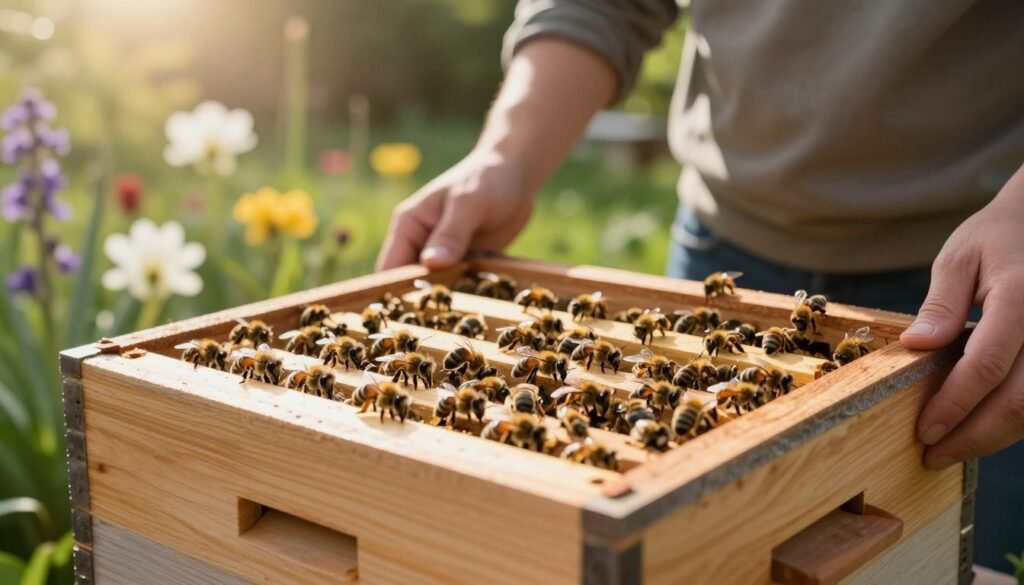
Transfer vacuumed bees to a proper hive box or nuc as soon as reasonably possible after collection is complete, rather than leaving them in the vacuum’s collection chamber for extended transport, since the chamber is designed for brief collection use, not as a long-term holding container. Provide ventilation and, if transport will take more than a short period, consider a light misting of sugar water to help sustain the collected bees until they can be properly hived. The transfer step itself is where the purpose-built designs earn their price: the Colorado Bee Vac’s catch box is an actual deep hive body, the Humble Bee Vac empties directly into a nuc, and the Foxhound unit is emptied by unscrewing the head, tapping the bucket so the bees settle, and pouring them straight into a hive body.
Realistic Survival Expectations
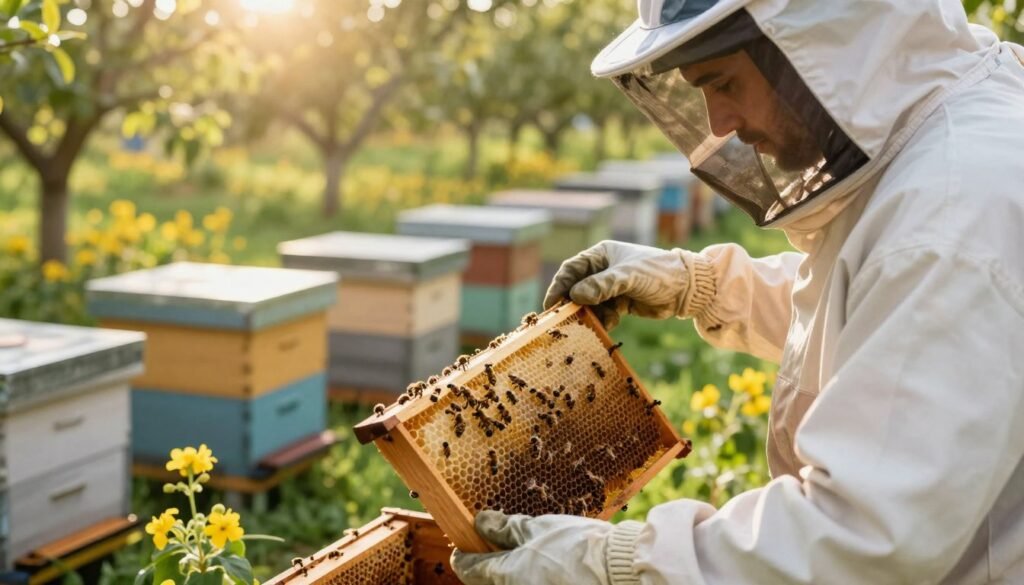
Even with a well-designed, properly used bee vacuum, some bee loss during collection is normal and expected, particularly for a large, well-established colony pulled from a difficult cavity — set realistic expectations with customers about this, being honest that vacuum-assisted removal, while generally gentler than some alternatives, doesn’t guarantee zero losses. The queen’s survival matters most for the colony’s overall viability after transfer, so locating and carefully, separately handling the queen when possible improves overall outcomes more than optimizing worker-bee collection technique alone.
Cleaning and Maintenance
Clean the collection chamber, hose, and any cushioning material thoroughly after each job, removing wax debris, propolis, and any dead bees, both for hygiene and to maintain proper airflow and suction performance for the next job. Periodically check hose connections and suction regulation components for wear, since a degraded seal or regulator can silently shift the actual suction force delivered, undermining the careful calibration the equipment depends on.
Who Should Invest in This Equipment
Beekeepers actively running or building a bee removal business, where cutout jobs are a regular, ongoing part of the work, are the clearest fit for a purpose-built bee vacuum like the Colorado Bee Vac, Humble Bee Vac or Everything Bee Vacuum — see our broader guide on bee cutout technique for how this equipment fits into the broader removal process. A beekeeper doing an occasional, one-off removal may reasonably rent equipment (Foxhound rents its unit), use manual bee rescue techniques, or simply collect a hanging swarm with a brush and a nuc box, reserving this investment for someone doing this work regularly enough to justify the cost.
Locating the Queen Before Vacuuming
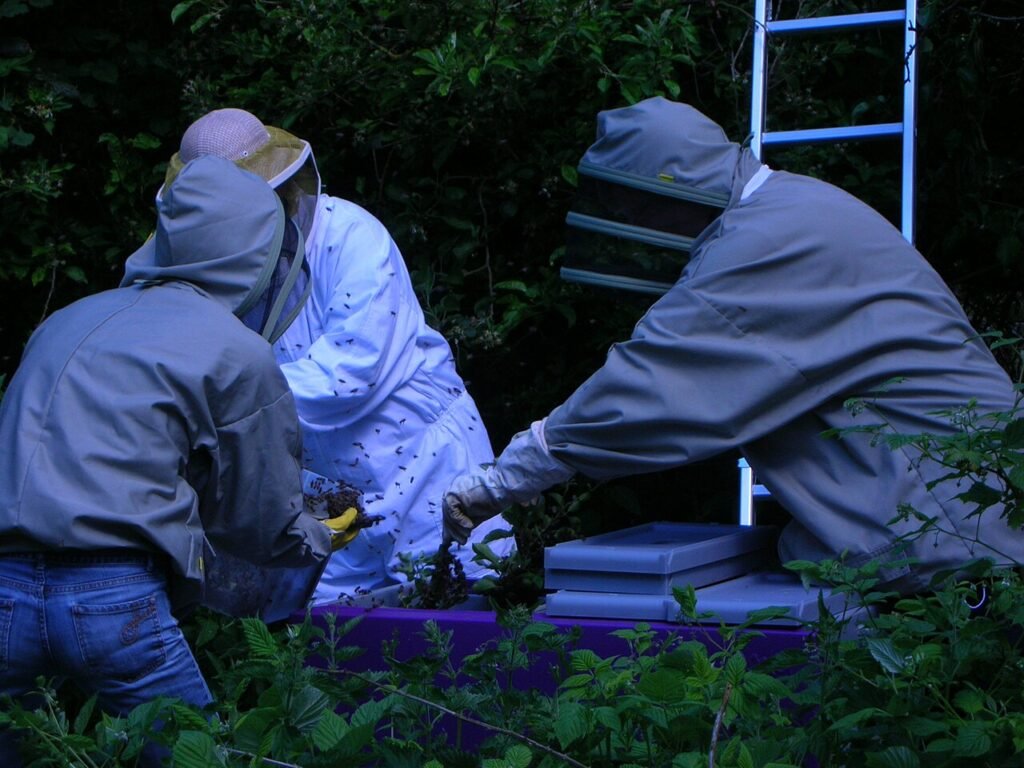
Whenever possible, spot and carefully hand-capture the queen separately before vacuuming the remaining worker population, since a vacuumed queen faces meaningfully higher injury risk than a hand-captured one, and colony survival after transfer depends heavily on the queen surviving in good condition. If the queen can’t be located before vacuuming begins, check the collected bees in the chamber carefully once collection is complete, since she may be found among the collected population and can still be identified and handled with extra care during transfer.
Accessing Difficult Cavities
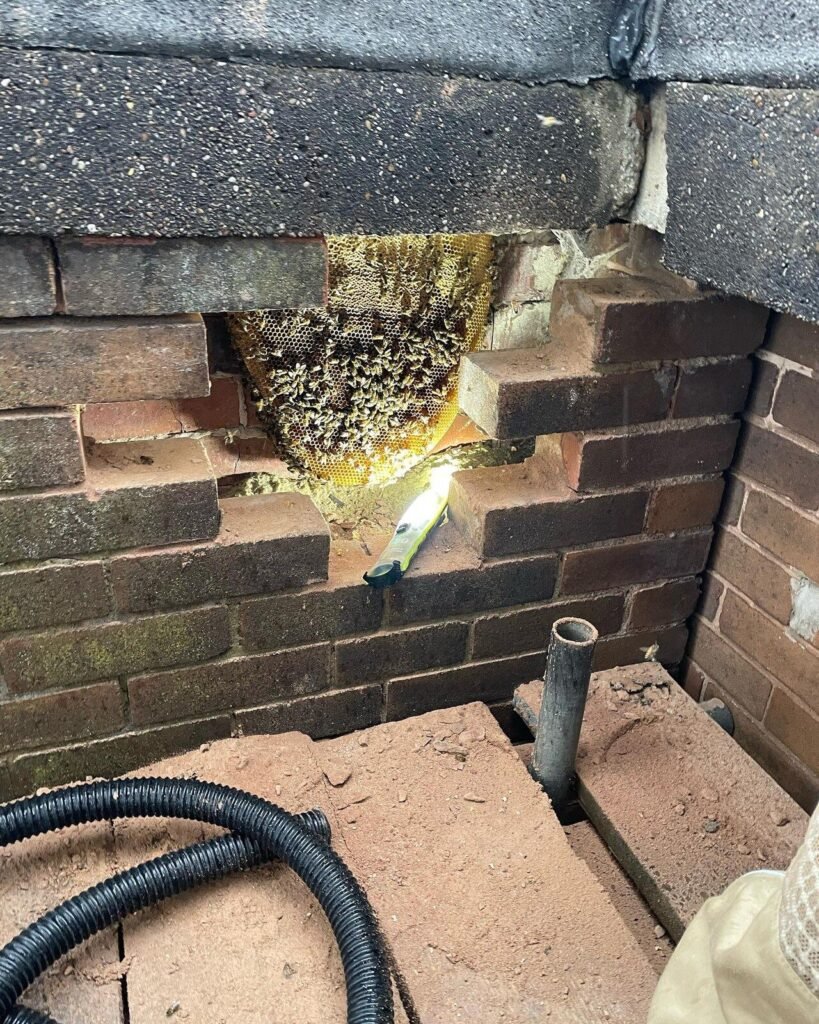
Bee vacuums genuinely shine in situations where physical access to a colony is limited — a narrow gap, a hard-to-reach wall void, or a cavity where cutting away structure isn’t practical or permitted — since the flexible hose can reach into spaces a hand or tool simply can’t. This is a real practical advantage worth factoring into whether a vacuum-based approach or a full structural cutout is the better fit for a specific job’s access constraints, independent of the bee-survival considerations covered elsewhere in this guide.
Power Source Considerations
Corded bee vacuums like the Colorado Bee Vac run on standard household current, a generator, or a vehicle-powered inverter, and confirming your power source is reliable and accessible at the job site before starting matters more than it might seem, since an interrupted vacuum mid-collection leaves a partially collected colony in an awkward, stressful state. Cordless units solve that problem at the cost of finite runtime: the Humble Bee Vac V3 is rated for roughly 45 minutes per charge, while Foxhound rates the Everything Bee Vacuum Gen 2.5 at two full cutouts per charge, so a spare battery or a charging plan between jobs becomes part of the kit. For remote job sites without easy outlet access, either a cordless unit or a portable generator is worth having as a standard part of your removal equipment kit rather than assuming power will always be conveniently available.
Cost and Return on Investment
A purpose-built bee vacuum represents a real upfront cost — roughly $360 to $515 for the three models compared here — compared to basic manual cutout tools, but for an operator running removal jobs regularly, the improved bee survival rate and faster, cleaner collection process can justify the investment through both better customer outcomes (a real selling point for a live-removal-focused business, as covered in our removal business guide) and reduced job time. Weigh this cost against your realistic job volume and whether live-bee-survival messaging is a meaningful part of your business’s value proposition to customers; renting first, where a seller offers it, is a sensible way to test that before buying.
Handling Comb Removed Alongside the Bees
A vacuum collects bees, not comb — cutting and removing the actual wax comb structure from the cavity is a separate step that still requires the manual cutout technique covered in our bee cutout guide, generally done before or alongside vacuuming rather than as a substitute for it. Brood comb worth saving should be cut and rubber-banded into frames so the vacuumed bees have their own brood to cover once they’re hived. Plan a removal job around both tasks together, since collecting bees without also removing comb leaves the structure vulnerable to attracting a new colony or pest activity later, undermining the point of a complete removal.
Weather Conditions for Removal Work
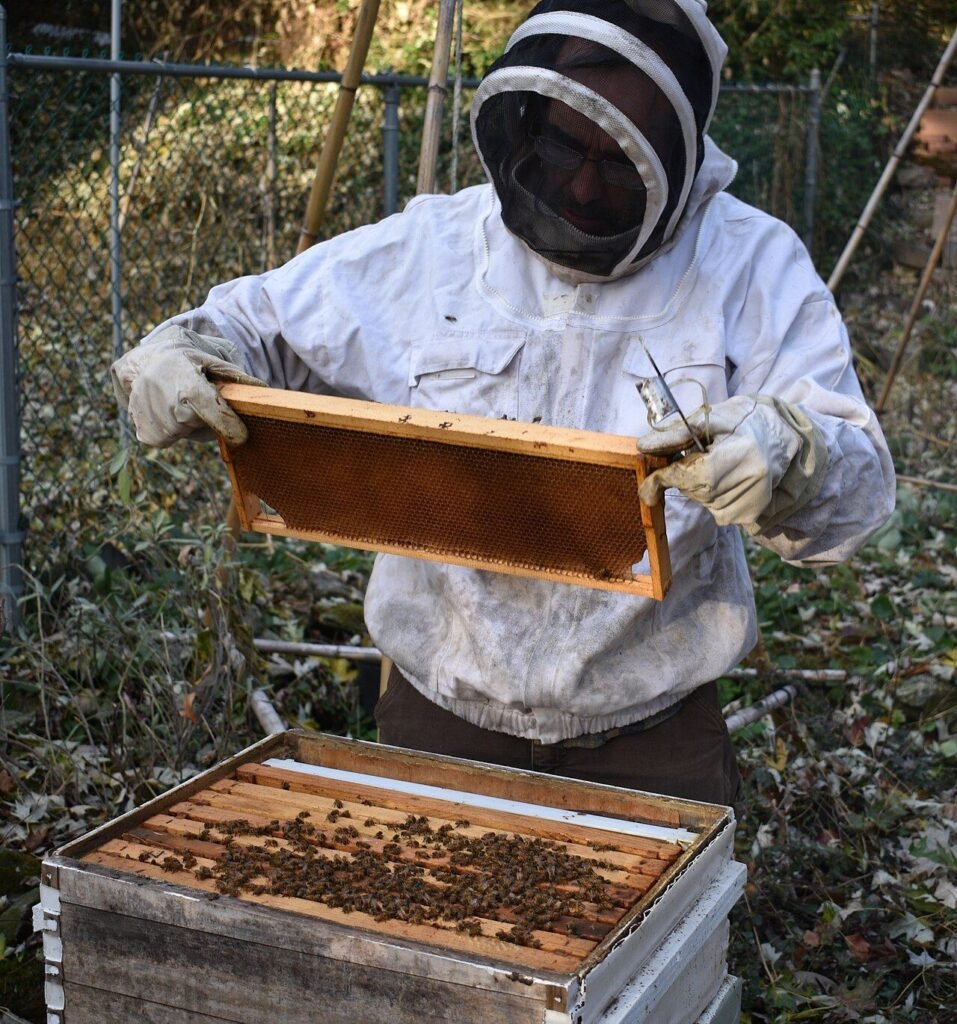
Cool, calm weather generally makes for gentler removal work, since bees are less actively flying and defensive during cooler conditions, reducing both stress on the colony and risk to the operator — schedule vacuum-assisted removals for cooler parts of the day when practical, rather than the heat of a summer afternoon when bee activity and defensiveness both peak. This timing consideration applies to any live-removal method, not just vacuum-based collection specifically.
Building Skill With the Equipment
Like any specialized tool, vacuum technique improves with hands-on practice — a first-time user typically achieves noticeably better bee survival rates and faster collection speed after several real jobs compared to a first attempt, as you develop a feel for hose positioning, movement pace, and reading how a specific colony is responding to the process. If possible, shadow or train under an experienced operator before running your first solo removal job with the equipment, since real-world coaching accelerates this learning curve considerably compared to figuring it out entirely on your own.
Checking Vacuumed Colonies for Disease
A colony pulled from a wall or tree has an unknown disease and pest history, the same caution that applies to any captured or rescued colony — after transferring vacuumed bees to a proper hive, monitor for mite load and signs of brood disease over the following weeks rather than assuming the colony is automatically healthy just because the removal itself went smoothly. Those follow-up checks can be done gently; our guide to inspecting a hive without disturbing brood covers how. This is standard practice for any newly acquired colony of unverified origin, vacuum-collected or otherwise.
Explaining the Process to Customers
Since live-bee-friendly removal is often a genuine selling point for customers who specifically don’t want an extermination approach, briefly explaining how the vacuum process works and what survival expectations are realistic, before starting a job, helps set accurate expectations and reinforces the value of choosing a live-removal specialist over a general pest control service. Customers generally appreciate this transparency, and it heads off potential disputes about outcomes after the job is complete.
Common Mistakes
Using excessive suction, either from an improperly calibrated purpose-built unit or an inadequately modified shop vacuum, is the most damaging mistake, directly increasing bee mortality during collection. Leaving bees in the collection chamber too long after collection is complete, rather than promptly transferring them to a proper hive box, adds unnecessary stress and mortality risk. Skipping equipment cleaning between jobs risks both hygiene issues and gradual suction-calibration drift that undermines the equipment’s core purpose.
Sources
Product specifications are drawn directly from Betterbee’s Colorado Bee Vac product page, Humble Bee Honey’s Bee Vac product page, and Foxhound Bee Company’s Everything Bee Vacuum Gen 2.5 listing (prices as listed on 2026-09-16); general design principles are covered in Wikipedia’s bee vac overview. For removal technique and structural considerations, see Clemson University Extension’s fact sheet on honey bee colony removal from structures.
FAQ
Is a purpose-built bee vacuum better than a modified shop vacuum?
Generally yes for bee survival rate, since it’s specifically calibrated and cushioned for live collection, though a well-modified shop vacuum with proper suction regulation and padding can achieve comparable results at lower cost for someone with the technical know-how to do the modification correctly.
How long can bees stay in the vacuum’s collection chamber?
As briefly as reasonably possible — the chamber is designed for active collection, not long-term holding, so transfer bees to a proper hive box or nuc promptly after collection is complete.
Will all the bees survive a vacuum-assisted removal?
Not necessarily — some bee loss is normal and expected even with proper equipment and technique, particularly for a large or difficult-to-access colony, and setting this expectation honestly with customers avoids disputes.
Is this equipment worth it for an occasional removal job?
Probably not — it’s best suited to beekeepers doing removal work regularly as part of an ongoing business; an occasional one-off job may be better served by renting equipment or using manual cutout technique instead.
Does a bee vacuum remove the comb too?
No — a vacuum collects bees only; removing the wax comb structure from the cavity still requires separate manual cutout technique, generally done alongside the vacuuming process as part of a complete removal.
What safety gear should go with a vacuum-based removal?
A full suit with veil and gloves, a smoker, a hive tool and a bee brush for the transfer, spare straps for securing the catch box, a charger or spare battery for cordless units, and a first-aid kit with an antihistamine in case of stings — the same kit as any cutout, plus the vacuum’s own consumables.
Should I explain the vacuum process to customers before starting?
Yes — briefly explaining how it works and setting realistic survival expectations upfront reinforces the value of a live-removal specialist over general pest control and heads off potential disputes about outcomes after the job.