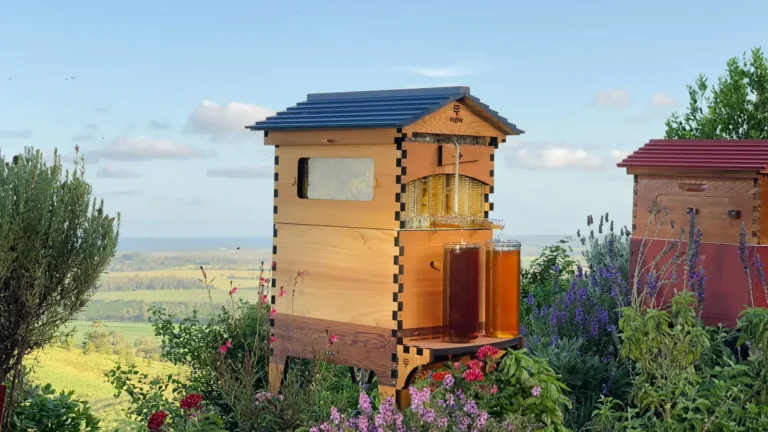
Flow Hive Winter Prep: How to Winterize a Flow Hive in a Cold Climate
How to winterize a Flow Hive in a cold climate: what Flow officially recommends for the Flow super, how to store Flow frames, and Red River Valley dates for each step.

Hive designs compared: the Langstroth most suppliers assume you own, the Dadant, Smith and British Standard, horizontal hives such as the Layens and long deep hives, top bar hives in the Kenyan and Tanzanian styles, the Warré, and natural or alternative designs from skeps and log hives to the Sun Hive, Perone and Flow Hive. Each guide explains how the hive is built, how a colony uses the space and what routine management looks like inside it.
If you are still deciding, frame compatibility matters more than the name on the box. It usually pays to choose a hive that your nearest supplier and local club actually use.
Start here:
How to winterize a Flow Hive in a cold climate: what Flow officially recommends for the Flow super, how to store Flow frames, and Red River Valley dates for each step.

Sellers rate polystyrene and other foam hives at about five times the insulation of a pine box. Here is what USDA and other studies measured, and how the insulated hives sold in the US compare.
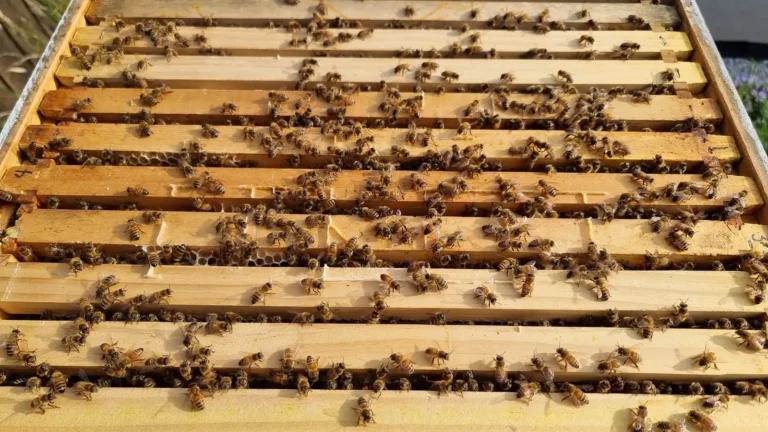
An 8-frame hive is 2.5 in narrower and 11 to 17 lb lighter per full deep. Real weights, which parts fit both widths, and how each width winters up north.

Learn about vertical vs horizontal hive airflow differences. Our beekeeping comparison guide covers the pros and cons of each hive type for better beekeeping decisions.
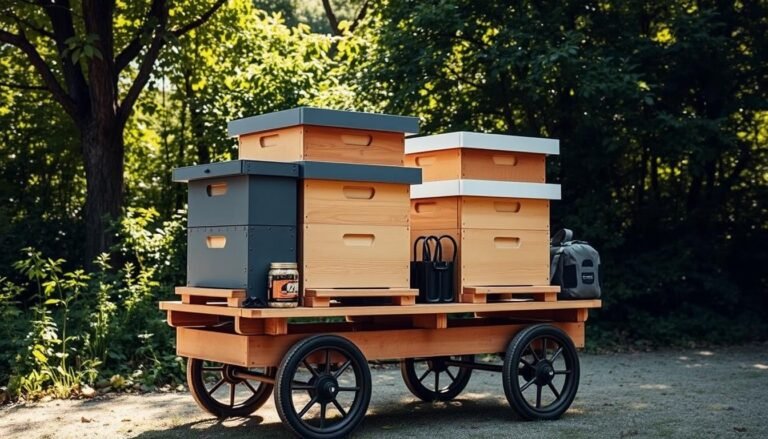
Explore Travel-friendly beekeeping (portable hives) solutions designed for modern beekeepers. Get expert insights on portable beekeeping methods.

Explore the ultimate guide to future hive designs for extreme climates and understand the insights behind their development.
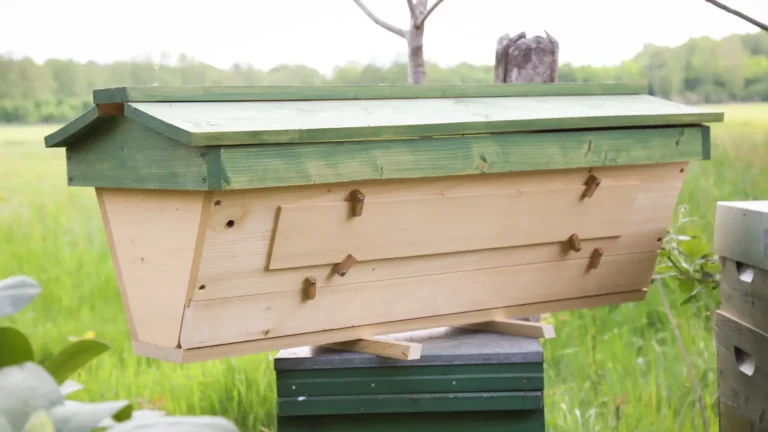
The three main types of beehives are the Langstroth, the top-bar and the Warré. This guide compares 11 designs side by side, with verified frame sizes and the state movable-comb rules that decide which hives you can keep.
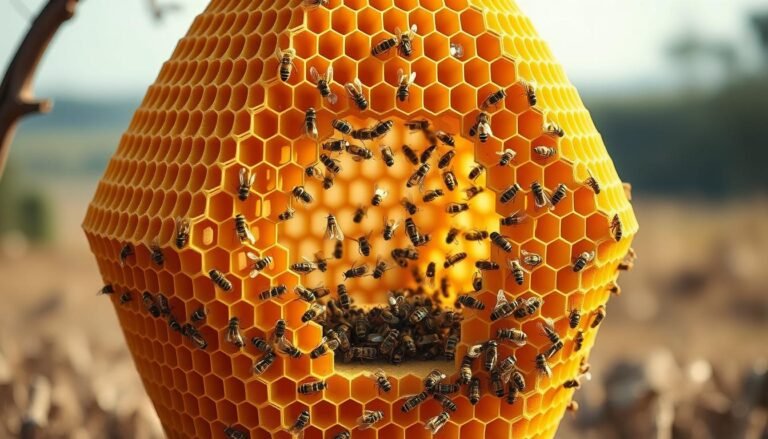
Explore the world of Hive hive design innovations with our expert review. Get insights into the newest designs, trends, and how they can transform your environment.

Beekeeping, an ancient practice that dates back thousands of years, has seen a resurgence in recent times. As more individuals become environmentally conscious, the desire to support pollinators and produce…
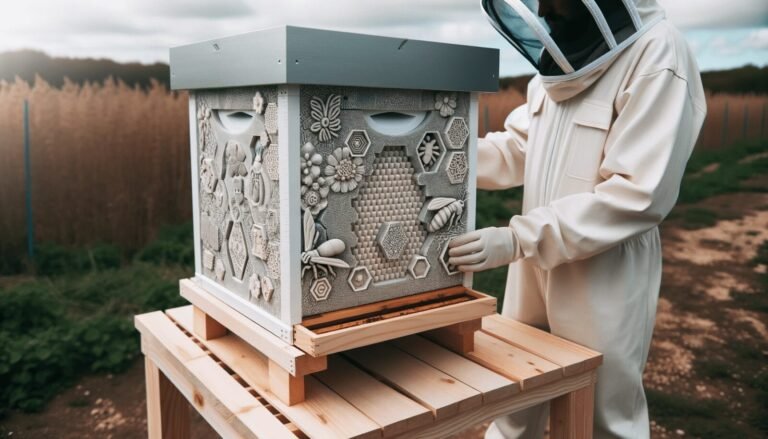
One of the latest innovations in this field is the insulated beehive. This modern beehive design offers a plethora of benefits, from increased honey production to enhanced bee health. In…

Observation beehive offer a unique and fascinating insight into the daily lives and activities of honeybees. These specialized beehives are equipped with transparent walls, allowing beekeepers, researchers, and enthusiasts to…

Eco beehives are real nest-box designs built for one or two visits a year instead of weekly inspection, trading yield and monitoring for lower colony disturbance.

The Beehaus is not just another beehive; it’s a revolution in modern beekeeping. Designed with both the bees and the beekeeper in mind, the Beehaus offered a genuinely unique approach…

The British Standard hive, commonly known as the National hive, is a popular choice among beekeepers in the UK. Its design, rooted in tradition and functionality, has made it a…

The Modified Dadant hive is a popular choice among beekeepers for its unique design and functionality. Originating from the original Dadant hive, this modified version offers several advantages that make…

Modern beehives, such as the Smith hive, are meticulously designed with honeybees in mind. They aim to counteract significant threats to honeybee colonies, like the colony collapse disorder, a global…
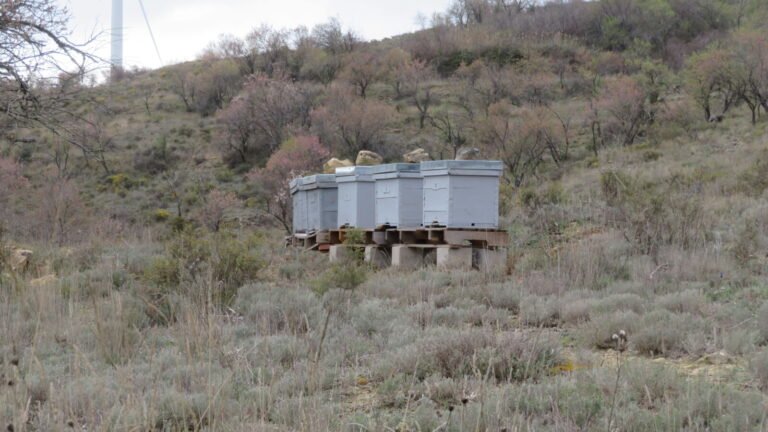
The Layens hive is a one-box horizontal hive with extra-deep frames of about 36.5 x 39.5 cm. This guide covers verified dimensions, free building plans, the two-visit management routine and winter care.

The Golden Hive is a real one-room beehive from UK maker Bee Kind Hives, built around large deep frames rather than separate brood and honey boxes.

The Dartington Long Deep Hive is a British design built around a single engineering problem: how do you keep bees somewhere with no room for a ground-level apiary, without ever…
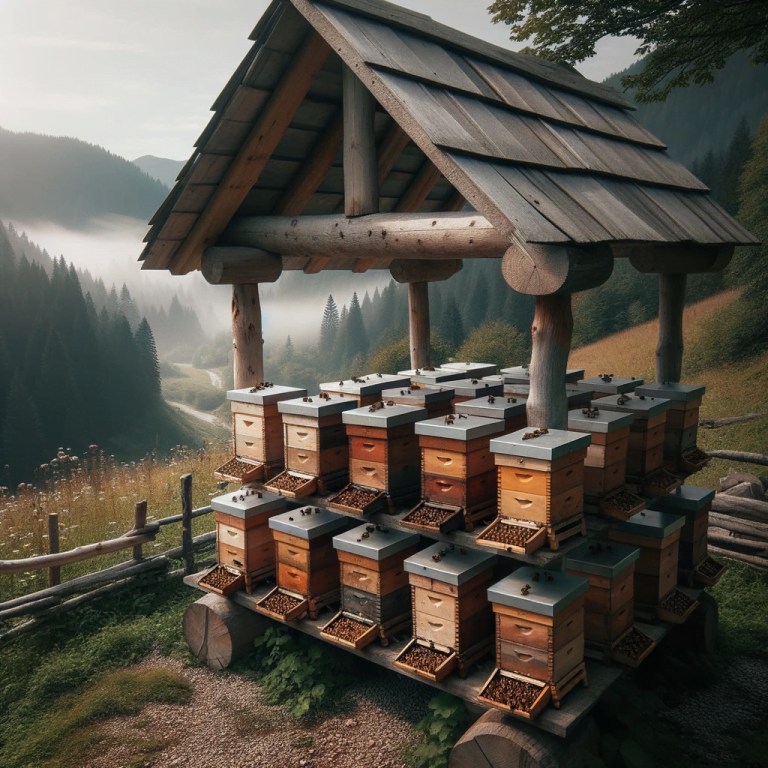
The AZ hive is a rear-loading, frame-based vertical hive standardized in Slovenia in the 1950s. Here is how it actually works and why it never spread widely outside the region.
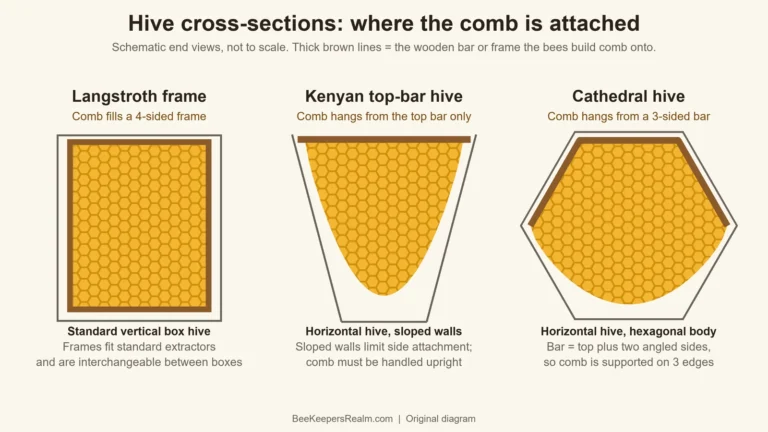
The Cathedral hive is a horizontal top-bar hive with a hexagonal body and 3-sided bars: how it works, the maker's specs and price, and how it compares.

The Perone Beehive, an innovation in the world of beekeeping, is a design that seeks to revolutionize the way honeybees are nurtured. Named after its creator, Oscar Perone, this hive…

The Tanzanian top-bar hive is a unique and sustainable approach to beekeeping that has gained popularity in recent years, especially in East Africa. This hive design prioritizes the well-being of…

A “Hex Hive” almost always means one specific product: the BEEcosystem, a wall-mountable observation hive built from magnetic hexagonal modules. It borrows its shape from the honeycomb cell itself, but…

The Rose Hive is a revolutionary approach to beekeeping that has gained significant traction in recent years. Designed to prioritize the natural behavior of bees, this method offers a more…