The Beehaus is not just another beehive; it’s a revolution in modern beekeeping. Designed with both the bees and the beekeeper in mind, the Beehaus offered a genuinely unique approach to urban beekeeping overall. Its innovative design, combined with its notable ease of use, made it a genuinely popular choice for both beginners and seasoned beekeepers throughout the years it remained in production.
Key Takeaways:
- Beehaus is a modern, molded-plastic beehive originally designed for urban settings.
- It offers a unique and efficient design for beekeeping.
- The Beehaus was suitable for both beginners and experienced beekeepers, though it has since been discontinued by Omlet.
Table of Contents
- What is a Beehaus?
- Benefits of Using Beehaus
- How Does Beehaus Compare to Traditional Hives?
- Beehaus: A Comprehensive Review and User Experience
- User Experience with Beehaus
- Key Features of the Beehaus
- Challenges and Solutions
- Feedback from the Beekeeping Community
- Frequently Asked Questions (FAQs) about Beehaus
What is a Beehaus?
The Beehaus is a modern beehive designed specifically for urban environments. Unlike traditional beehives, the Beehaus is elevated, providing a better working height for beekeepers. This design not only makes it noticeably easier to manage the colony but also helps ensure the bees stay at a genuinely safe distance from potential ground-level threats of all kinds. Its molded plastic construction was also a marked, deliberate departure from the wooden boxes that have quietly defined beekeeping equipment for well over a century of continuous use.
Benefits of Using Beehaus

Easy Management
One of the standout features of the Beehaus is its ease of management. The elevated design means that beekeepers no longer have to bend down or kneel to inspect their colonies. This genuinely ergonomic design reduces the strain on the back and knees considerably, making the whole beekeeping experience much more enjoyable overall, particularly for older beekeepers or those with mobility limitations that make bending down to work a traditional ground-level hive genuinely difficult or even painful.
Dual Hive System
The Beehaus is essentially two hives in one. This unique design allows beekeepers to manage a colony throughout the year and also provides the ability to divide the colony for swarm control. This dual system is especially beneficial for preventing overcrowding and ensuring that the bees have ample space to thrive, and it let a single beekeeper effectively double the size of their apiary without needing any extra floor space, which mattered a great deal in a small urban garden or on a rooftop.
Complete Kit
For those new to beekeeping, the Beehaus was originally sold as a complete kit. It included everything needed to get started, from the hive itself to the essential tools. This all-in-one approach removed much of the guesswork that so often overwhelms first-time beekeepers trying to piece together compatible equipment from several different suppliers, each with their own sizing conventions.
Learn about the fantastic new Beehaus from Omlet
How Does Beehaus Compare to Traditional Hives?
Traditional beehives have been around for centuries, and while they have their merits, the Beehaus offered several genuine advantages that appealed particularly strongly to newer, urban, and physically less mobile beekeepers:
| Feature | Traditional Hive | Beehaus |
|---|---|---|
| Design | Ground-level | Elevated |
| Ease of Management | Moderate | High |
| Swarm Control | Limited | Enhanced |
| Suitability for Urban Areas | Limited | High |
As seen in the table above, the Beehaus outperformed traditional hives in several key areas, making it a preferred choice for many modern beekeepers during its production years. Traditional hives still hold their own real advantages, though, particularly much wider replacement-part availability and a far larger, more established secondhand equipment market that new beekeepers can draw on.
- Omlet’s official website – the original creators of the Beehaus, though the company has since moved entirely away from beekeeping products and no longer supports them.
Beehaus: A Comprehensive Review and User Experience
The Beehaus has garnered significant attention in the beekeeping community, and for good reason. Its unique design and features set it apart from traditional beehives, making it a sought-after choice for many. In this section, we’ll delve deeper into the Beehaus, exploring its benefits, user experiences, and some of the challenges faced by beekeepers who adopted it early on.
User Experience with Beehaus
The Beehaus was a genuine game-changer for many beekeepers who adopted it. One such beekeeper openly shared his detailed experience of using the Beehaus continuously since May 2018. The ergonomic working height and double brood box design were standout features for him personally, eliminating the need for heavy lifting and greatly reducing the strain on his back. The bees genuinely thrived in the Beehaus over multiple seasons, producing good honey yields and consistently maintaining strong population numbers. The hive’s overall design, with its high stand and thick insulation, gave him real confidence that the bees were well-protected through several consecutive winters.
Key Features of the Beehaus
Ergonomic Design
The Beehaus is designed with the beekeeper’s comfort in mind. Its elevated structure means there’s almost no bending or kneeling, making hive inspections and maintenance a breeze, an important consideration for anyone planning to keep bees well into their later years.
Double Brood Box
This feature allows beekeepers to easily combine colonies and perform artificial swarming. It also provides extra space for honey storage, ensuring the bees have ample resources. Splitting a single Beehaus into two fully independent colonies without needing a second stand or any extra garden footprint was one of the features owners consistently praised most.
Thick Insulation
The Beehaus is designed to keep bees warm during the colder months. This insulation is crucial for the bees’ survival and ensures they remain active and healthy, and it also helped moderate sharp temperature swings during unusually hot summer days, something a thin, single-walled wooden hive struggles with much more.
Challenges and Solutions
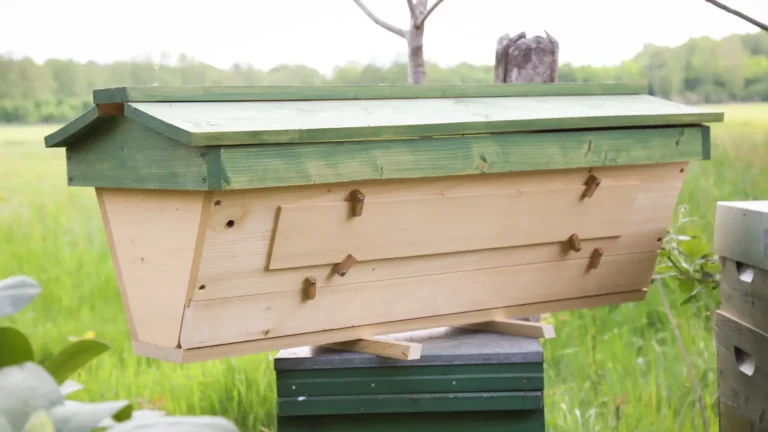
While the Beehaus offered numerous advantages, it wasn’t without its challenges. Some beekeepers noted that the cover boards tended to slide around, making it essential to ensure they were bee-tight. Additionally, there were instances where gaps appeared where the grey and green panels meet, requiring some DIY solutions like taping. A handful of owners also mentioned that the plastic body could become somewhat brittle after many years of continuous UV exposure, something traditional wooden hives generally don’t suffer from in quite the same way, though wood brings its own maintenance needs like repainting and rot prevention.
However, these challenges were generally seen as minor compared to the numerous real benefits the Beehaus provided, and many beekeepers were more than willing to overlook them entirely in favor of the hive’s overall advantages.
Feedback from the Beekeeping Community
The Beehaus received largely positive feedback from the beekeeping community during its years on the market. Many appreciated its modern design and the ease with which they could manage their colonies. The hive’s ergonomic design, in particular, was a hit, with many beekeepers noting the reduced strain on their backs. Some more traditional beekeepers, however, remained genuinely skeptical of plastic hive bodies and simply preferred the tried-and-tested feel and repairability of classic wooden equipment they had used for years.
Frequently Asked Questions (FAQs) about Beehaus
What exactly is a Beehaus?
The Beehaus is a modern beehive designed specifically for urban environments. It offers a unique design that is elevated, providing an ergonomic working height for beekeepers. This design not only facilitates easier management of the bee colony but also ensures that the bees are kept at a safe distance from potential ground-level threats such as curious household pets, small children playing nearby, or common garden pests looking for shelter.
What are the benefits of using a Beehaus?
Some of the key benefits reported by Beehaus owners over the years included:
- Ergonomic Design: The elevated structure reduces the need for bending or kneeling during hive inspections, which many owners found made routine checks noticeably less physically demanding.
- Double Brood Box: This feature allowed for easy colony management and provided extra space for honey storage, and it doubled as the mechanism for splitting one colony into two.
- Thick Insulation: Designed to keep bees warm during colder months, ensuring their survival and activity, while also helping regulate temperature during unusually hot stretches.
- Ease of Management: The Beehaus was user-friendly, making it suitable for both beginners and experienced beekeepers looking for a lower-effort alternative to traditional equipment.
Are there any challenges associated with the Beehaus?
While the Beehaus offered numerous advantages, some beekeepers noted minor challenges such as the cover boards sliding around and occasional gaps appearing where the panels meet. However, these challenges were generally minor and could be addressed with simple, low-cost DIY solutions like weatherproof tape or foam weatherstripping.
How does the Beehaus compare in terms of cost?
The Beehaus carried a premium price tag compared to a basic wooden hive, but when its features and the fact that it functioned as two hives in one are factored in, many owners felt it offered good value overall. It was originally sold as a complete starter kit including essential beekeeping tools, which made the somewhat higher up-front cost noticeably easier to justify for absolute beginners at the time it was on the market.
Can the Beehaus house two bee colonies?
Yes, the Beehaus is designed to accommodate two colonies. It has two entrances (one at either end) and space for 22 frames, which is double the number of frames in a traditional National hive. This design allows for the Beehaus to be used as one large hive or two smaller hives, giving a single owner real flexibility to expand their apiary or run a backup colony without needing to buy and site an entirely separate piece of equipment.
Where can I purchase a Beehaus?
Omlet, the company that originally designed and manufactured the Beehaus, has since fully discontinued the product line and no longer sells any beekeeping equipment at all, having shifted its focus entirely to other pet products like chicken coops and dog beds. Secondhand units do still turn up occasionally through beekeeping marketplaces, dedicated forums, and general resale sites, though replacement parts and manufacturer support are no longer available directly from the company.
Are there any resources for learning more about the Beehaus?
Since Omlet no longer sells the Beehaus, official manufacturer documentation is now quite limited. Beekeeping forums, dedicated Facebook groups for existing Beehaus owners, and general beekeeping communities remain the most useful places to find genuine firsthand experience, troubleshooting advice, and occasional secondhand equipment for sale.
Is the Beehaus suitable for all climates?
The Beehaus is designed with triple insulation, making it suitable for various climates. The insulation ensures that the bees remain warm during colder months and prevents overheating during warmer months, which made it a genuinely popular choice in the UK’s notoriously changeable weather, as well as in a range of more extreme climates found elsewhere around the world.