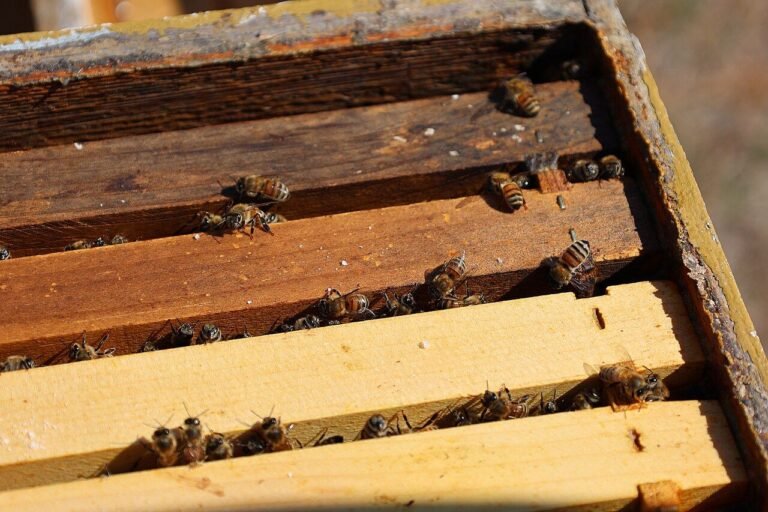
West Virginia Beekeeping Laws and Regulations (2026 Guide)
West Virginia runs its beekeeping registration on a different clock than most states — certificates expire June 30 every year, with renewal forms mailed out each July, rather than following…

Detailed, state-by-state guides to U.S. beekeeping registration, apiary inspection, zoning, and hive-placement laws. Every state handles beekeeping differently: some require every apiary to be registered with the state department of agriculture, others make registration voluntary or limit it to commercial operations. Inspection programs, rules for moving colonies across state lines, and the paperwork needed to sell honey vary just as widely.
The guides cover the questions that come up in every state: who must register and with which agency, whether inspection is mandatory or by request, how the state approaches nuisance complaints and local zoning, what a certificate of inspection or an entry permit involves when bringing bees in from another state, and the reporting rules for regulated pests and diseases such as American foulbrood. Local ordinances sit on top of state law, so the guides also explain how to check city and county rules, which is where most backyard setbacks, hive limits and water-source requirements actually come from.
It is written for new beekeepers deciding whether they can legally keep a hive on their lot, for beekeepers moving to another state with their colonies, and for anyone selling honey who needs to know which rules apply. Start with the national overview, then open the guide for your own state.
Start here:
West Virginia runs its beekeeping registration on a different clock than most states — certificates expire June 30 every year, with renewal forms mailed out each July, rather than following…

South Dakota’s honey production jumped 156% in a single year — from 7.2 million pounds in 2022 to 18.4 million pounds in 2023, worth $37.3 million — vaulting the state…

North Dakota produces more honey than any other state in the country — 38.3 million pounds worth over $67.8 million in 2023 alone — and its beekeeping law reflects an…
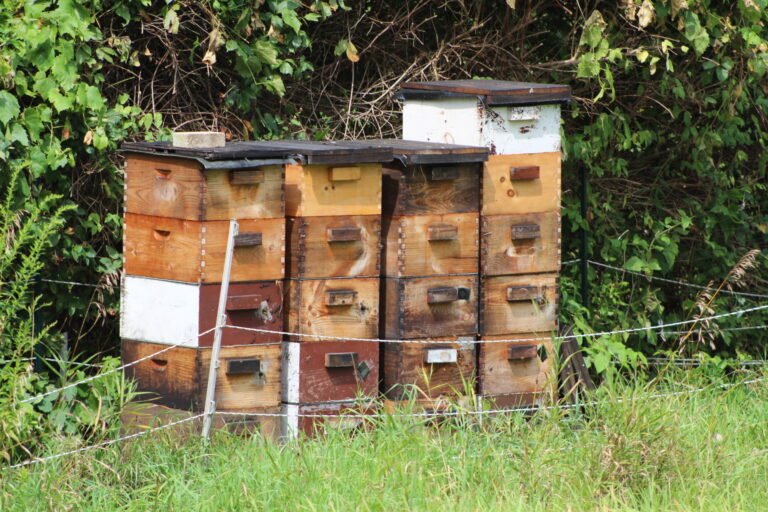
New Hampshire is one of the few states that gives beekeeping and maple syrup the same chapter of law — RSA 429, “Beekeeping and Maple and Honey Products” — reflecting…
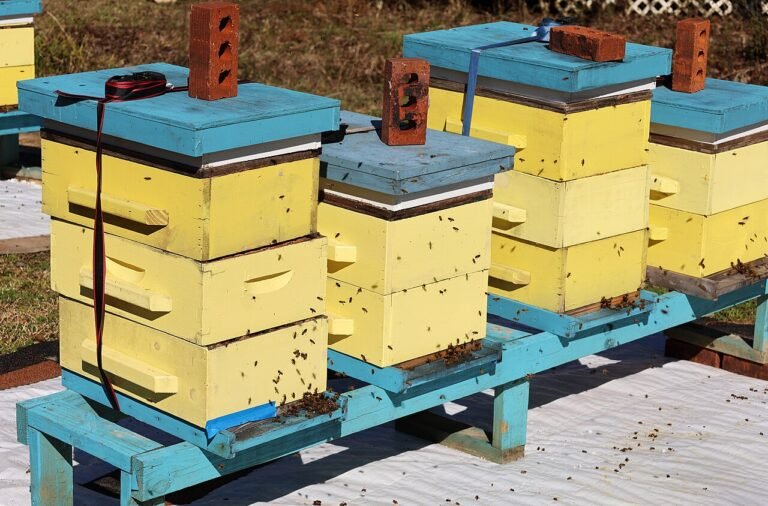
Mississippi doesn’t require beekeepers to register their apiaries — one of the few states where registration is entirely voluntary — but the state runs one of the most detailed inspection-certificate…
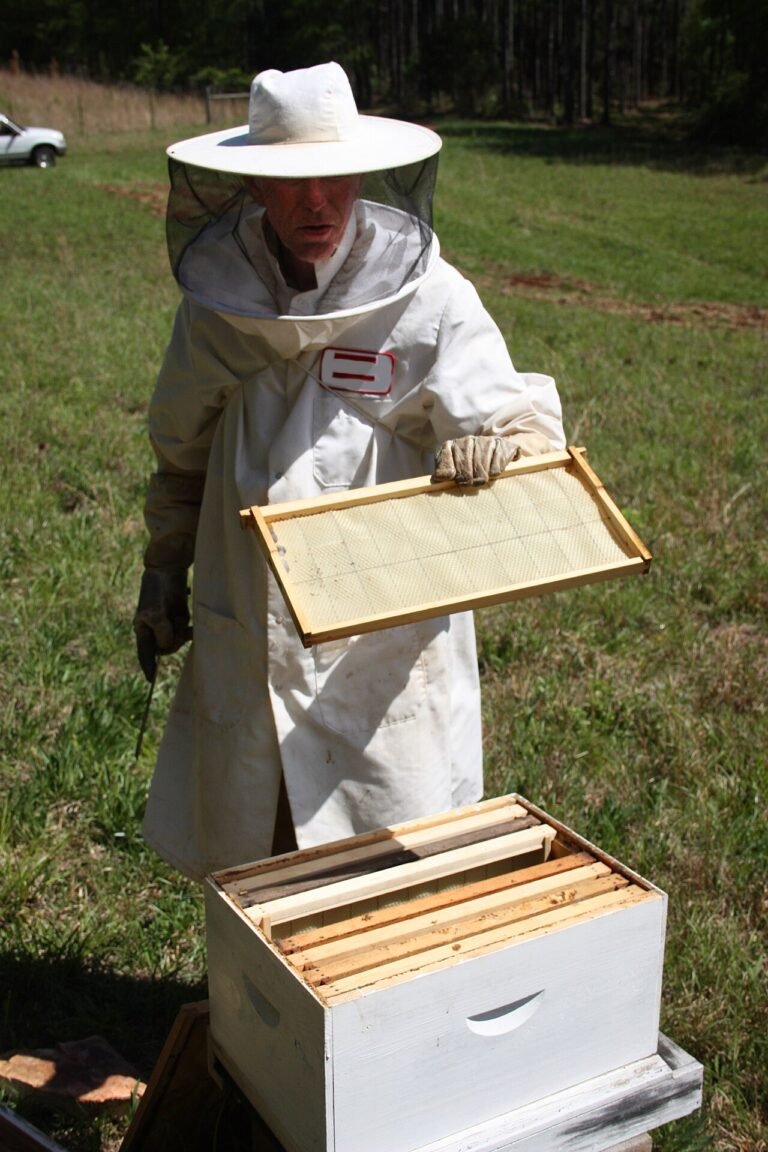
Arkansas is one of the only states where registering an apiary comes with a genuine territorial right attached: once you’ve registered a location, state law bars anyone else from placing…
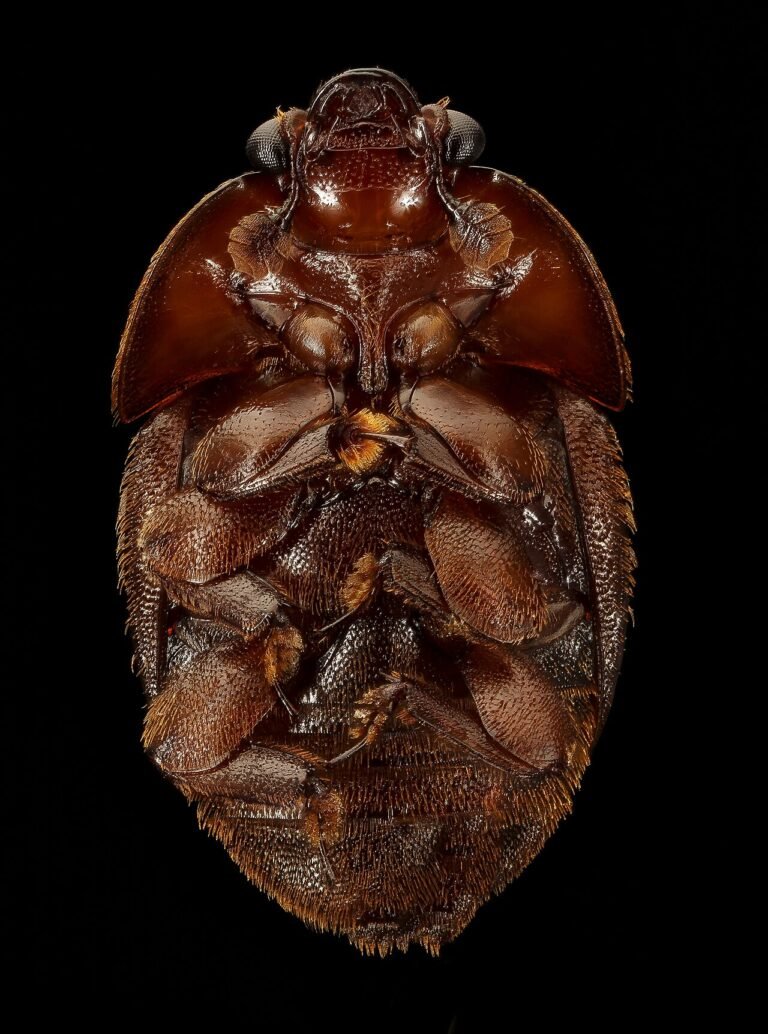
First discovered in August 2025 and officially confirmed that September, Alaska recorded its first-ever detection of the small hive beetle — a pest that had never before established itself in…
Montana is one of the very few states where selling home-produced honey requires no license, no permit, and no inspection at all — a direct result of the state’s 2021…
Hawaii has the toughest bee-smuggling penalty in the country — illegally importing honey bees, queen bees, or used beekeeping equipment is a class C felony carrying fines of up to…
Delaware’s honey bee industry is small but genuinely valuable — roughly 7,200 colonies, worth about $350 each, contribute to nearly $30 million in fruit and vegetable production every year. Protecting…

Wyoming sorts every apiary into one of three specific license classes — hobbyist, landowner, or general — and publishes the location, hive count, and owner details of every registered apiary…

Vermont doesn’t just require beekeepers to register — it requires them to submit an annual report that includes a current varroa mite and pest mitigation plan for every single registered…

Rhode Island requires every apiary to be registered with DEM each year under R.I. Gen. Laws § 4-12-12. This guide covers deadlines, inspections, import permits, Providence and East Providence hive rules, and honey sales.

Nebraska’s Apiary Act defines beekeeping itself as “an agricultural pursuit” — a specific legal classification that matters well beyond semantics, since it shapes how beekeeping interacts with the state’s broader…

Maine maintains a public directory of nearly 300 volunteer swarm collectors, searchable by town, so anyone who finds a swarm on their property can find local help — a genuinely…
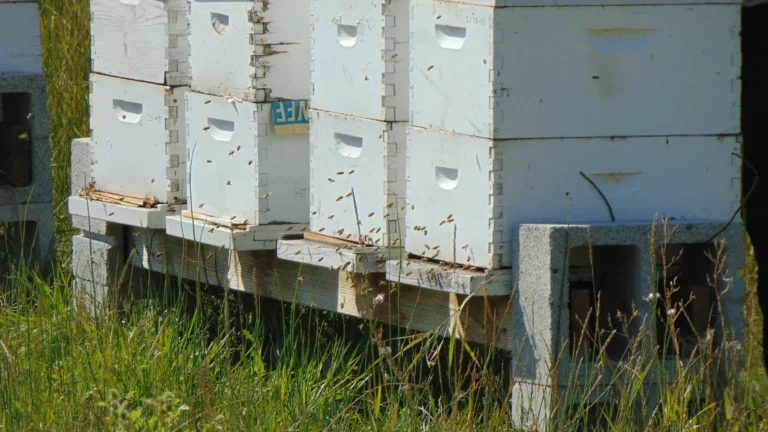
Idaho hobbyists with 50 or fewer colonies owe no state registration fee or honey tax, while commercial beekeepers register with ISDA by July 1. This guide covers fees, inspections, moving bees, Boise, Idaho Falls and Hailey hive rules, and selling honey under the 2026 Direct-to-Consumer Commerce Act.

Louisiana runs a dual-track permit system most states don’t have: Class A permits for Louisiana-domiciled beekeepers, priced as low as $0 for a small operation, and Class B permits for…

Contrary to what dozens of beekeeping blogs will tell you, Minnesota does not currently require beekeepers to register with the state. A mandatory registration and inspection-fee system did exist in…

Washington law gives counties a specific statutory tool most states don’t offer: the power to hold a public hearing and establish a legally binding “apiary coordinated area” that sets the…

Texas is one of the few states that doesn’t require beekeepers to register at all — but that light regulatory touch comes with real strings attached, and one of them…
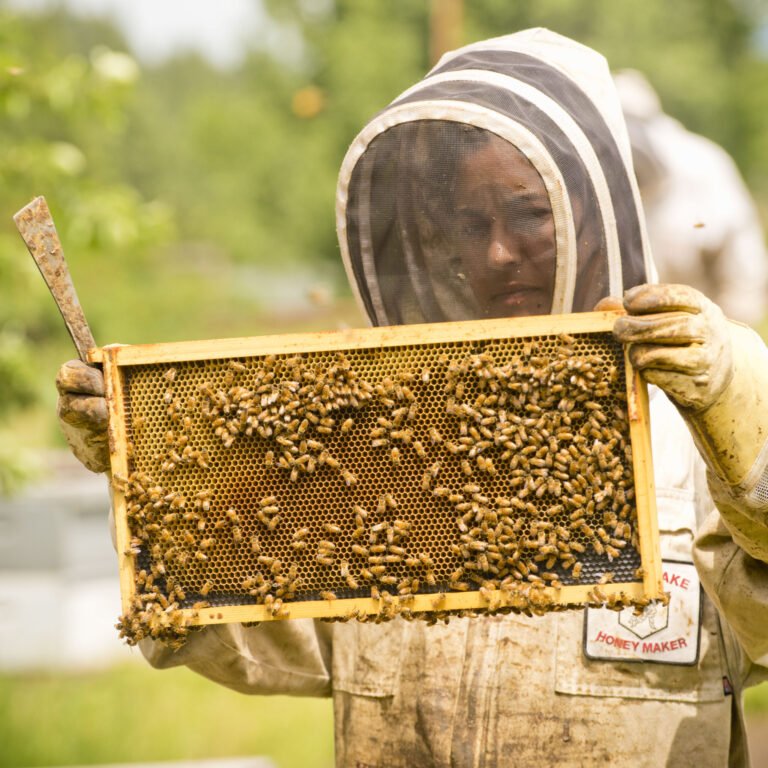
Utah’s beekeeping laws are older than most people expect — beekeepers lobbied the territorial legislature to pass the state’s first bee inspection act in 1892, four years before Utah even…
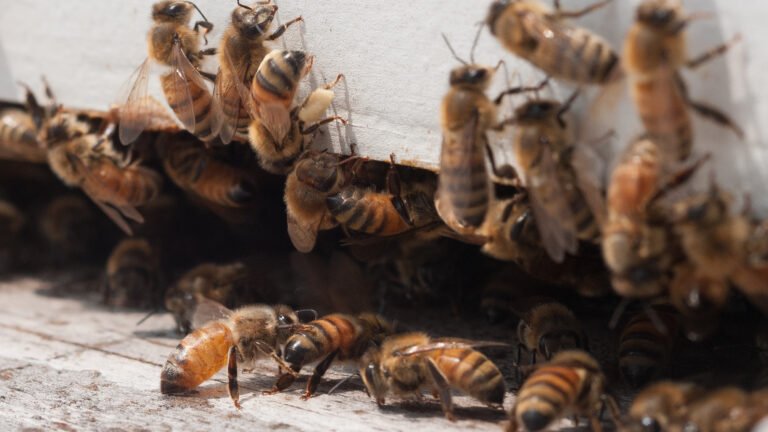
Iowa has protected registered beehives from pesticide drift since 1979 — nearly 40 years before a 2014 presidential directive asked every state to develop a Managed Pollinator Protection Plan. Iowa’s…
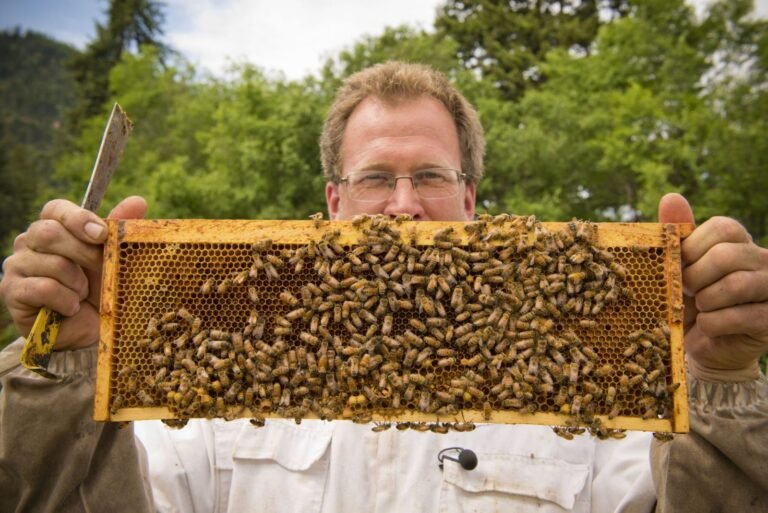
Connecticut requires every beekeeper to register — for free — with an agency most other states don’t use for this purpose at all: the State Entomologist at the Connecticut Agricultural…

Oklahoma has one of the most beekeeper-friendly legal frameworks of any state: it’s illegal for a city or county to ban or restrict keeping honeybees at all. Under state law,…
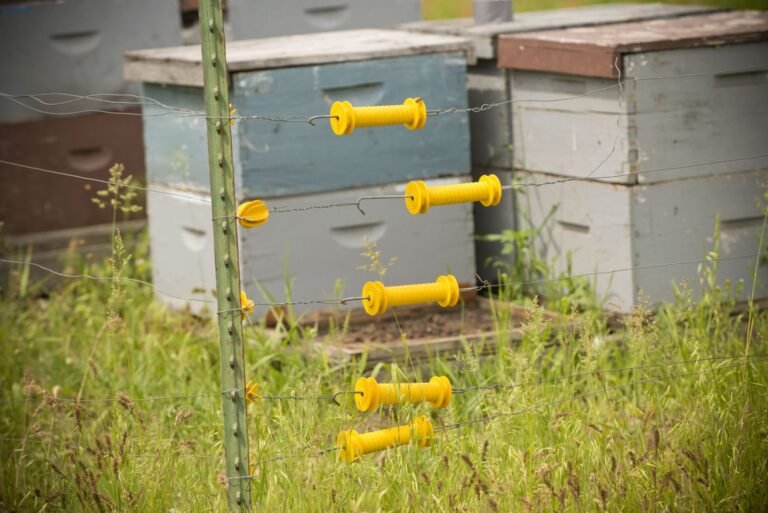
Kansas repealed its state bee law in 2002, so there is no state hive registration or inspection. This guide covers the city codes that do apply, BeeCheck KS, and selling honey under K.S.A. 65-689 and the 2026 HB 2158 exemption.