Last Updated September 16, 2026
New Hampshire is one of the few states that gives beekeeping and maple syrup the same chapter of law — RSA 429, “Beekeeping and Maple and Honey Products” — reflecting how closely the state treats its small-scale bee and syrup producers as part of the same agricultural tradition. True to that low-friction spirit, New Hampshire doesn’t require beekeepers to register or pay a fee just to keep bees; registration is voluntary and free, and the state leaves hive-placement rules entirely to individual towns rather than setting a statewide standard.
This guide covers New Hampshire’s voluntary apiary registration under RSA 429, the state’s pay-per-request inspection program, why hive-placement zoning is a town-by-town matter rather than a state one, and how RSA 429:20’s labeling rules interact with the state’s separate exemption for raw honey from its general cottage food law.
Disclaimer: This guide is for educational purposes only and is not legal advice. Beekeeping regulations change over time — always confirm current requirements directly with your local or national agricultural authority before acting.
Key Takeaways
- Apiary registration in New Hampshire is voluntary and free, administered by the Division of Plant Industry under RSA 429.
- Apiary inspections are available on request rather than conducted routinely, with fees starting at $20 and scaling with the number of locations, colonies, or samples involved.
- New Hampshire sets no statewide zoning rule for hive placement or hive count; that authority belongs entirely to individual towns.
- Registered apiary information is shared with the state’s Division of Pesticide Control so licensed pesticide applicators can be aware of nearby hives before spraying.
- Raw honey has been exempted from New Hampshire’s general cottage food law since December 2022 and is instead regulated as its own agricultural product category under RSA 429, with specific labeling requirements under RSA 429:20.
Table of Contents
- Voluntary Apiary Registration
- Pay-Per-Request Inspections
- Why Zoning Is a Town Matter, Not a State One
- Pesticide Notification Through Registration
- Selling Honey Under RSA 429
- Disease Response and the Value of Registration
- Frequently Asked Questions
Voluntary Apiary Registration
New Hampshire’s Division of Plant Industry, part of the Department of Agriculture, Markets, and Food, offers apiary registration under RSA 429, but registering is entirely voluntary and free of charge — there’s no fee and no legal requirement to register simply because you keep bees. The department actively encourages registration anyway, for a specific practical reason: if a regulated honey bee pest like American foulbrood is detected, a registered apiary means the Division can quickly identify nearby hives as part of its emergency response, rather than having no record of where colonies in the affected area actually are. An unregistered New Hampshire beekeeper faces no penalty for skipping registration, but they’re also invisible to that same emergency-response system if a serious outbreak occurs nearby. New Hampshire’s voluntary model is one of several approaches covered in this site’s overview of state bee inspector and apiary registration programs.
Pay-Per-Request Inspections
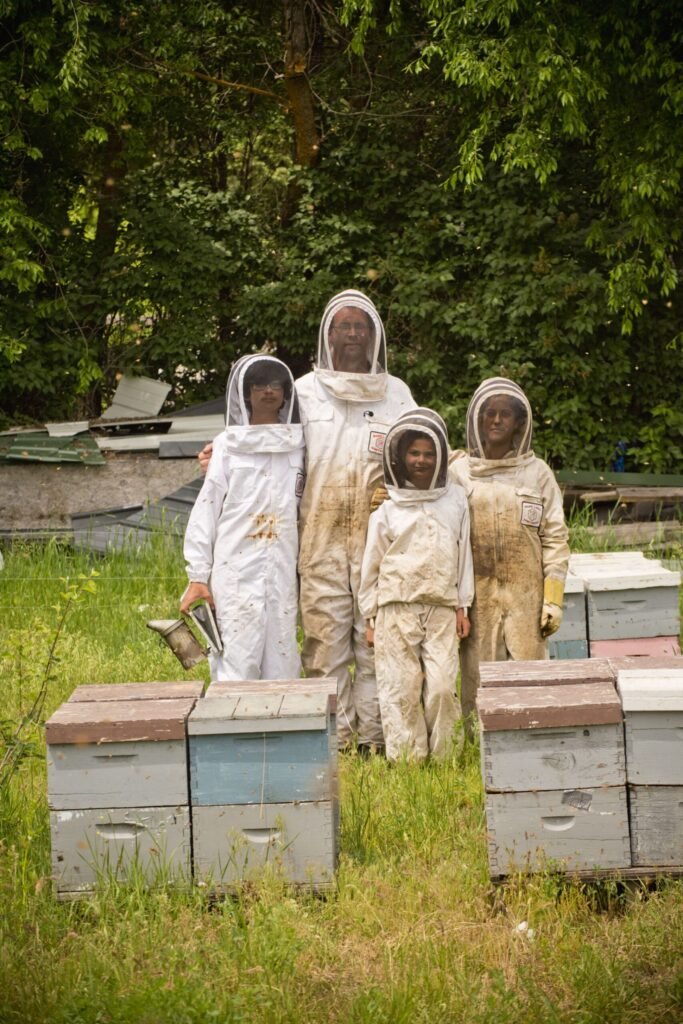
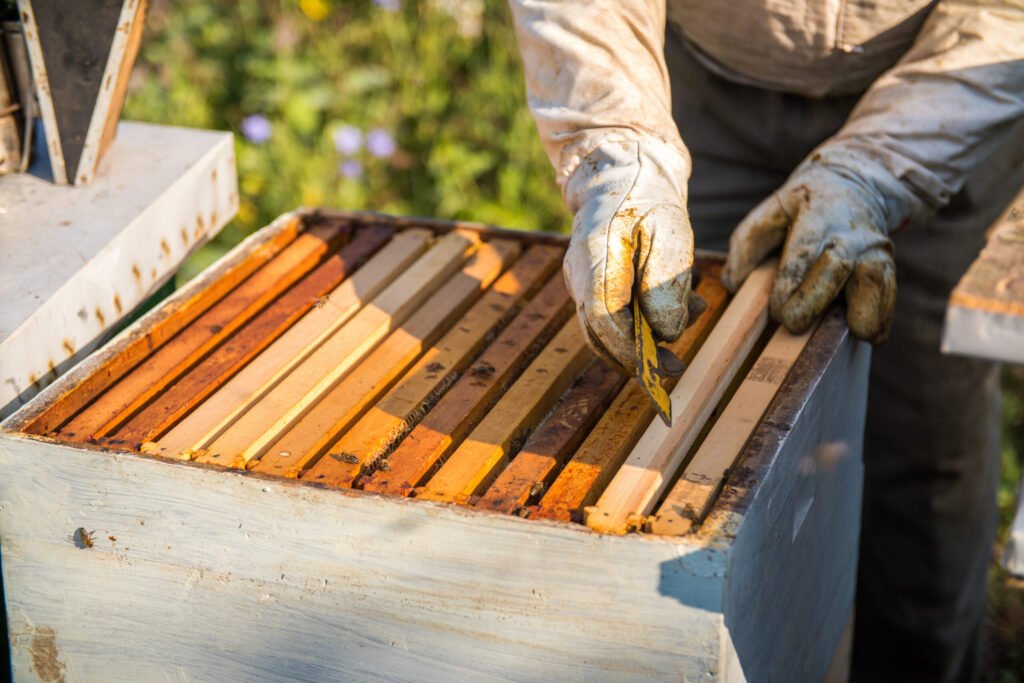
Unlike states that conduct routine, mandatory apiary inspections, New Hampshire makes inspection available on request rather than as a standing program. A beekeeper can request an inspection if they’re experiencing colony health problems, or if they need a health certificate to move bees and equipment to another state. When an inspection happens, the state apiary inspector can collect samples for testing at the beekeeper’s request, issue a certificate attesting to apparent freedom from infectious diseases, parasites, or pests, and recommend controls to limit the spread if something is found. This service isn’t free: inspection fees start at $20, with the total cost scaling based on how many apiary locations are visited, how many colonies or pieces of equipment are inspected, and how many samples are taken. The Division of Plant Industry, under the state entomologist and the commissioner of agriculture, oversees this inspection program alongside its regulatory role over honey bee health more broadly. For the history behind why states run programs like this, see this site’s history of American foulbrood laws and apiary inspection.
Why Zoning Is a Town Matter, Not a State One
New Hampshire’s own Department of Agriculture is explicit on this point: zoning requirements for beekeeping, including whether it’s allowed at all and how many hives a property can have, are determined at the town level, and beekeepers are directed to contact their own town office for specifics rather than looking to state law for an answer. This is a genuinely hands-off approach compared to states that set a baseline statewide setback or hive-count rule even while allowing local ordinances to add further restriction — in New Hampshire, the state simply doesn’t occupy that space at all, which means the practical rules for where and how many hives you can keep can vary enormously between one New Hampshire town and its neighbor.
Pesticide Notification Through Registration
One of the concrete practical benefits tied to New Hampshire’s voluntary registration is pesticide-drift protection. Information about registered apiaries is regularly shared with the state’s Division of Pesticide Control, which uses it to inform licensed pesticide applicators about nearby hives when required by rule. This gives registered beekeepers a real, if indirect, layer of protection against pesticide exposure that unregistered beekeepers simply don’t have access to — another practical reason the state promotes voluntary registration even though it never requires it by law. New Hampshire beekeepers who plan to treat their own hives for pests should also be aware that the federal Veterinary Feed Directive (VFD) requires any in-feed honey bee medication to be administered under a veterinarian’s oversight and order; the state apiary inspector’s involvement in that veterinarian-client-patient relationship brings genuine bee-specific diagnostic expertise to what would otherwise be a general veterinary process not necessarily familiar with honey bee disease. Separately, applying pesticides in or around a hive specifically to protect honey intended for sale or distribution requires its own pesticide permit from the Division of Pesticide Control, distinct from the registration and inspection programs covered above.
Selling Honey Under RSA 429
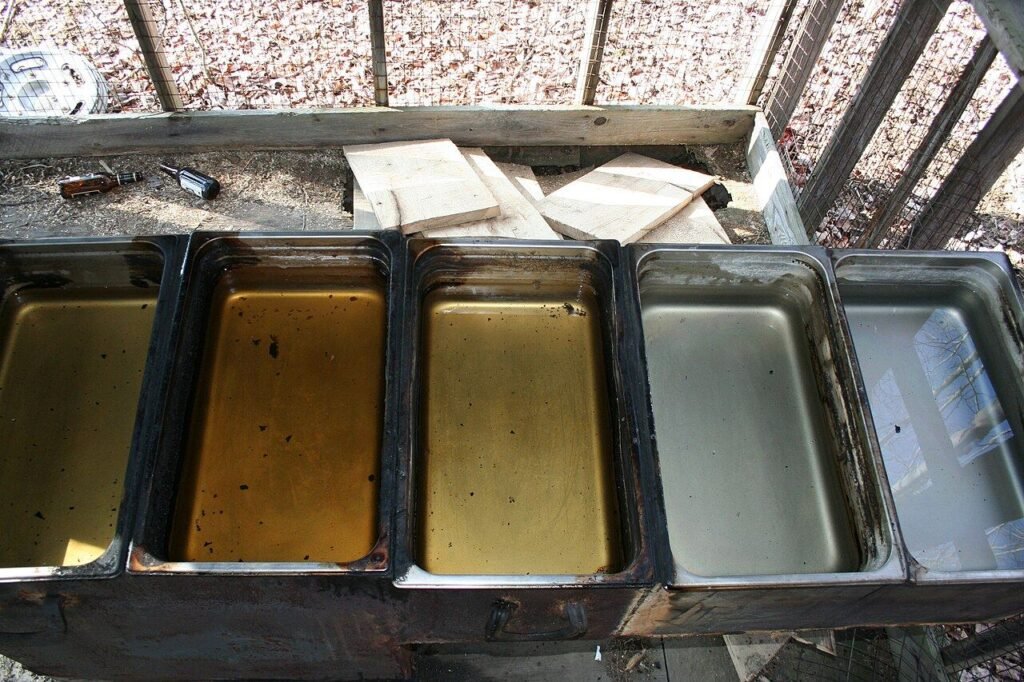
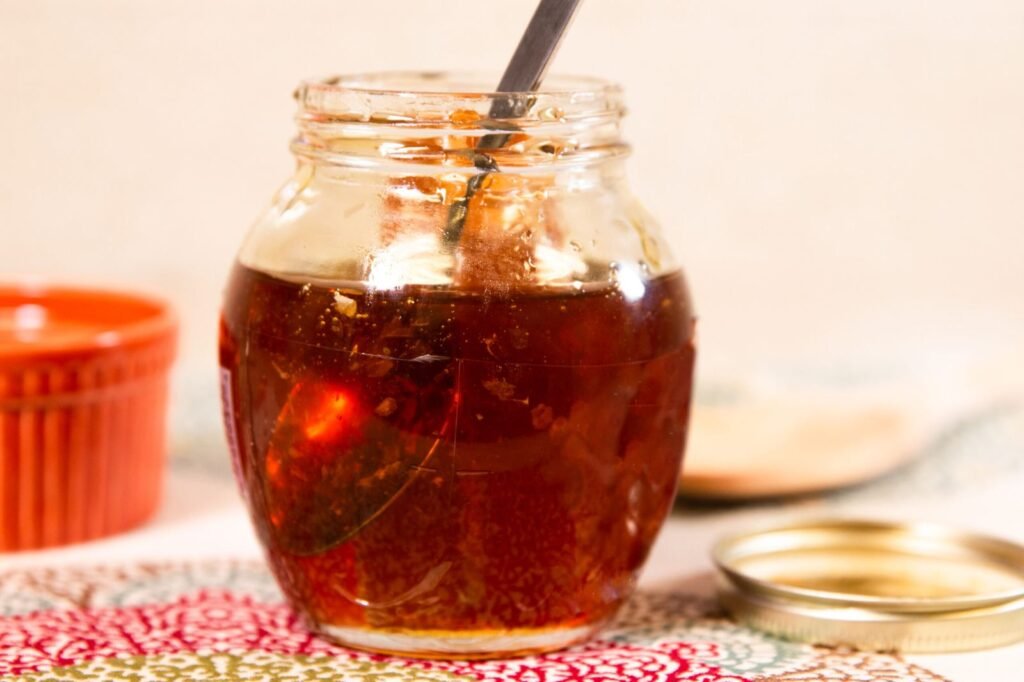
New Hampshire treats honey noticeably differently from most other home-produced foods. Since December 2022, raw honey has been specifically exempted from the state’s general cottage food law, meaning a beekeeper selling raw honey isn’t required to register or operate under the state’s homestead food licensing system the way someone selling homemade jam or baked goods would be. Instead, honey is regulated in its own right as an agricultural product under RSA 429, with its own dedicated labeling standard at RSA 429:20: every shipment, package, or container of honey sold, offered, or distributed in New Hampshire must show the packer or producer’s name, address, and zip code, the true name of the product, the grade (or a statement that it’s “not graded”), and the net weight or volume of contents. This distinction matters in practice — a New Hampshire beekeeper selling only raw honey operates under a simpler, honey-specific set of rules, while anyone processing or infusing honey into a value-added product (a honey-based sauce or a flavored honey blend, for instance) falls back under the state’s general food-licensing requirements instead — see this site’s general guide to cottage food laws and selling honey legally for how this compares nationally. RSA 429 also reaches beyond honey specifically: because the same chapter covers maple products, a New Hampshire producer who keeps bees for honey and also taps trees for maple syrup – a genuinely common combination on small New England farms – deals with both product lines under one unified regulatory framework rather than two entirely separate sets of state law, which simplifies compliance for the kind of small, diversified agricultural operation New Hampshire’s rural economy has long depended on.
| Required Element | Detail |
|---|---|
| Producer identity | Name, address, and zip code |
| Product name | The true name of the product |
| Grade | Stated grade, or “not graded” |
| Quantity | Net weight or volume of contents |
For the full statutory text, see the National Agricultural Law Center’s summary of New Hampshire’s cottage food and homestead law.
Disease Response and the Value of Registration
American foulbrood remains the disease New Hampshire’s inspection program is most concerned with detecting early, since it’s highly contagious between colonies and, left unchecked, can spread through an entire beekeeping area before anyone notices a problem. Because the state doesn’t conduct routine, unannounced inspections the way some states do, its ability to respond quickly to a foulbrood detection depends heavily on knowing where nearby hives actually are – which is precisely the gap voluntary registration is designed to close. A beekeeper whose apiary sits unregistered near a confirmed outbreak may not be contacted or warned at all, simply because the state has no record that bees are kept at that location. This makes New Hampshire’s registration system function less like a compliance requirement and more like an opt-in early-warning network, where the value to any individual beekeeper scales with how many of their neighbors have also chosen to register.
Frequently Asked Questions
Do I have to register my bees in New Hampshire?
No, apiary registration is voluntary and free under RSA 429, though the state encourages it for pest-emergency response purposes.
How much does an apiary inspection cost in New Hampshire?
Inspections are available on request, with fees starting at $20 and increasing based on locations, colonies, and samples involved.
Does New Hampshire set a statewide rule for how many hives I can keep?
No, hive-placement and hive-count rules are set entirely by individual towns, not the state.
Do I need a cottage food license to sell raw honey in New Hampshire?
No, raw honey has been exempted from the cottage food law since December 2022 and is regulated separately under RSA 429 instead.
What must a honey label include in New Hampshire?
The producer’s name, address, and zip code, the product’s true name, its grade or “not graded” status, and the net weight or volume, per RSA 429:20.
Related Reading
For more on this topic, see the official New Hampshire state government apiary program page.
Image credits: Photo: Ivan Radic, CC BY 2.0, via Wikimedia Commons; Photo: "Maple Syrup Rainbow" by rachaelvoorhees, licensed CC BY-SA 2.0, via Wikimedia Commons.