
Last Updated September 16, 2026
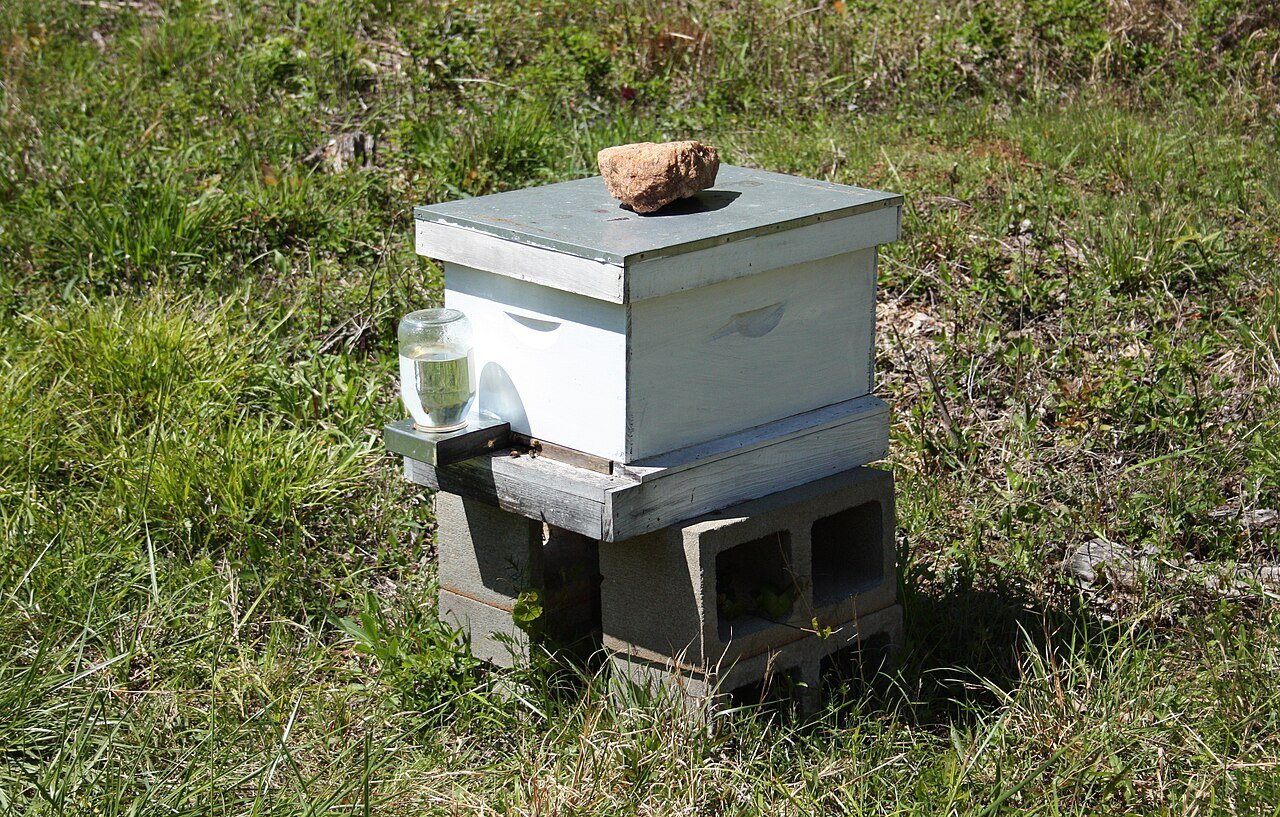
North Dakota produces more honey than any other state in the country — 38.3 million pounds worth over $67.8 million in 2023 alone — and its beekeeping law reflects an industry built at genuine commercial scale, not backyard hobbyists. Every beekeeper in North Dakota, from a single-hive hobbyist to a migratory commercial operation running thousands of colonies, must be individually licensed by the state, post a visible identification sign at every apiary, and pay a per-colony assessment on top of the license fee — a level of physical, on-the-ground enforcement infrastructure that goes well beyond simple registration.
This guide covers North Dakota’s mandatory beekeeper licensing system under North Dakota Century Code Chapter 4.1-16, the state’s distinctive apiary identification-sign requirement, the license fee and colony assessment structure, the unidentified-apiary seizure process, and North Dakota’s California Pre-Inspection Program for migratory beekeepers.
Disclaimer: This guide is for educational purposes only and is not legal advice. Beekeeping regulations change over time — always confirm current requirements directly with your local or national agricultural authority before acting. (Facts and figures in this guide were checked against primary sources in September 2026.)
Key Takeaways
- Every beekeeper in North Dakota, regardless of colony count, must be individually licensed by the Agriculture Commissioner before keeping bees in the state.
- Beyond the $5 license fee, beekeepers must pay a colony assessment of 15 cents per colony, based on the maximum number of colonies listed on their application.
- Every apiary must display a weather-resistant, prominently visible 3-digit identification number (digits at least 3 inches tall) plus the beekeeper’s name and phone number, or risk seizure.
- Violating North Dakota’s beekeeping law is a class A misdemeanor, and can also carry a civil penalty of up to $5,000 per violation.
- North Dakota runs a California Pre-Inspection Program specifically for beekeepers moving hives directly from North Dakota to California, certifying loads before they leave the state rather than at the border.
Table of Contents
- Mandatory Beekeeper Licensing
- License Fee and Colony Assessment
- Apiary Identification and Seizure Risk
- Migratory Beekeeping and the California Pre-Inspection Program
- Penalties and Quarantine Authority
- Frequently Asked Questions
Mandatory Beekeeper Licensing
Under North Dakota Century Code § 4.1-16-02, a person must be licensed by the Agriculture Commissioner before acting as a beekeeper anywhere in the state — this applies to every beekeeper regardless of how many colonies they keep, from a single backyard hive up. The license application requires the applicant’s name, address, and phone number, the maximum number of colonies to be located in the state, and the name and contact information of a resident agent authorized to accept legal service of process. As a condition of licensure, applicants must declare that they won’t place an apiary anywhere without the property owner’s consent, and that they’ll relocate an apiary at the Commissioner’s request if it’s determined to genuinely endanger the health or welfare of a neighboring resident and an acceptable alternative location exists. Notably, an individual under 18 can be licensed as a beekeeper if a parent signs the application — but any civil or administrative liability for that minor’s violations is imputed to the signing parent, who becomes jointly and severally liable alongside their child.
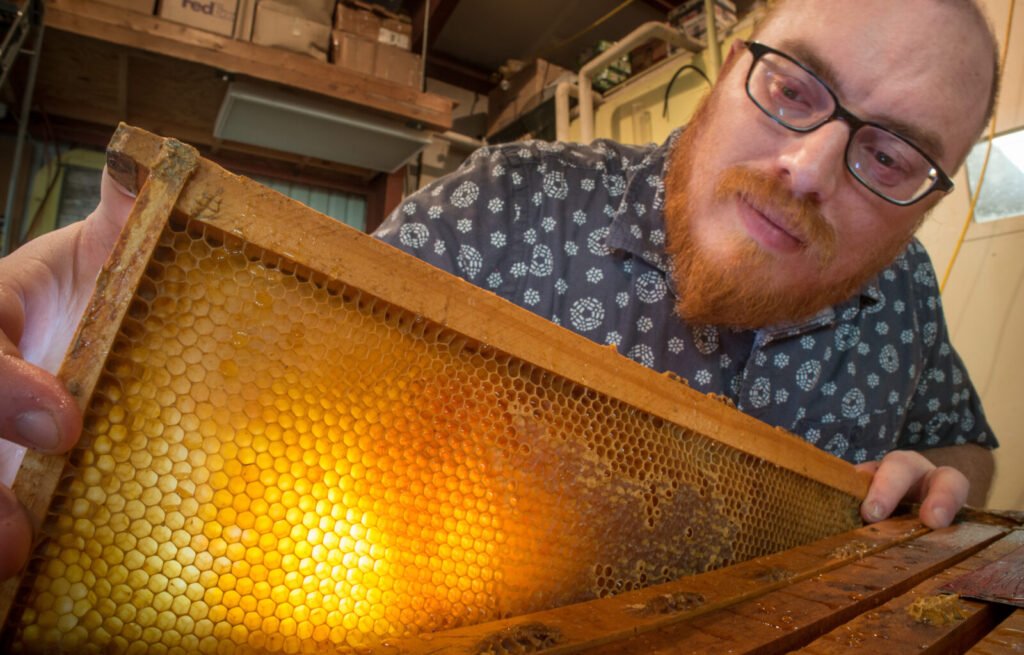
North Dakota has now held the title of the nation’s top honey-producing state for 20 consecutive years, according to USDA figures for 2023 — 511,000 honey-producing colonies averaged 75 pounds of honey each that year, even as the average price growers received fell to $1.77 per pound from $2.60 the year before. That scale is also why neighboring Minnesota and South Dakota run comparable licensing systems: migratory beekeepers routinely move colonies across all three states chasing the same clover and canola nectar flow, so a regulatory system built for large-scale, mobile apiaries is the regional norm rather than a North Dakota quirk.
License Fee and Colony Assessment
North Dakota’s beekeeper license itself costs $5 and expires every December 31, regardless of when during the year it was issued. On top of that flat fee, every applicant must also pay a colony assessment equal to 15 cents multiplied by the maximum number of colonies listed on their application — meaning the real cost of licensing scales directly with the size of a beekeeper’s operation, a structure that makes practical sense in a state where commercial migratory operations can run into the thousands of colonies. A license under this chapter is not transferable, so a change in ownership requires the new operator to obtain their own license rather than simply taking over an existing one. Beyond the licensing fee itself, a beekeeper must also separately notify the Commissioner of each apiary’s location before placing hives – either by legal description down to the section, quarter section, township, and range, or by GPS coordinates – along with the name of whoever owns or leases the property, keeping the state’s records tied to specific physical sites rather than just a general operator license.
| Item | Amount / Requirement |
|---|---|
| Base license fee | $5, flat, per beekeeper |
| Colony assessment | $0.15 per colony (max colonies on application) |
| License expiration | December 31 every year |
| ID sign digit height | At least 3 inches tall, weather-resistant |
| Criminal penalty | Class A misdemeanor |
| Civil penalty | Up to $5,000 per violation |
| Emergency quarantine | Up to 14 days without a prior hearing |
Apiary Identification and Seizure Risk
North Dakota’s identification requirement is unusually specific and physical compared to most states’ apiary laws. Every beekeeper must affix a 3-digit identification number, assigned by the Agriculture Commissioner, that’s prominently displayed and visible on approach to the apiary’s main entrance — each digit has to be at least 3 inches tall, at least half an inch wide, and weather-resistant. Beekeepers must also display their name and phone number nearby, in lettering at least 1.5 inches tall and similarly weather-resistant. This isn’t a minor technicality: an apiary that isn’t properly identified can be seized by the Commissioner. If the Commissioner makes a reasonable effort but still can’t identify the responsible beekeeper, the law requires publishing a public notice in the county’s official newspaper announcing that the colonies, hives, and equipment will be seized and either sold at auction or destroyed at a specified future date — a seizure under this process can’t happen until at least the sixth day after that notice is published, giving an unidentified beekeeper a real, if narrow, window to come forward and claim their property before losing it.
Migratory Beekeeping and the California Pre-Inspection Program
North Dakota’s honey industry runs heavily on migratory beekeeping, and the state’s licensing system is built to accommodate it directly: a license expires December 31 regardless of the calendar, and if bees leave the state for part of the year, the beekeeper must renew their license before bringing hives back into North Dakota, rather than on any fixed renewal date. The Department of Agriculture also runs a California Pre-Inspection Program specifically for North Dakota beekeepers who move hives directly to California, typically for almond pollination — this program certifies a load before it ever leaves North Dakota, functioning similarly to the health inspections normally conducted at state border stations but completed in advance instead. This kind of dedicated, named accommodation for a specific interstate route is a real reflection of how much of North Dakota’s beekeeping economy depends on colonies that spend only part of the year in-state, summering on the region’s clover and canola nectar flow before moving on. The Department of Agriculture also plays a matchmaking role in this ecosystem beyond pure regulation: the Commissioner is specifically empowered to assist farmers in identifying beekeepers who provide pollination services, and maintains a public bee-location map so landowners, pesticide applicators, and farmers seeking pollination can all find registered apiaries and licensed beekeepers near them.
Penalties and Quarantine Authority
Violating North Dakota’s beekeeping chapter is a class A misdemeanor, and the law separately allows a civil penalty of up to $5,000 per violation, adjudicated either through a court or through an administrative hearing before the Commissioner — a considerably higher potential civil penalty than most other states impose for beekeeping-law violations. The Agriculture Commissioner also holds real quarantine authority: if a quarantine of all or part of the state is deemed necessary to control a disease, insect, or pest outbreak (explicitly including Africanized honeybees under this chapter’s definition), the Commissioner must schedule a public hearing with newspaper notice before imposing it, though an emergency quarantine can be issued for up to 14 days while that hearing process plays out. Once a quarantine is in place, moving any colonies, hives, or equipment covered by the order becomes a further, separate violation of the law. Beyond quarantine enforcement, the Commissioner also has general authority to enter private land during daylight hours to enforce the chapter, though outside of a requested certification inspection, the Commissioner must first make a good-faith effort to notify the landowner or lessee before doing so – a real procedural check on the state’s entry power that isn’t universal across every state’s apiary law.
Frequently Asked Questions
Do I need a license to keep even one beehive in North Dakota?
Yes, every beekeeper regardless of colony count must be licensed by the Agriculture Commissioner.
How much does it cost to license bees in North Dakota?
A $5 license fee plus a colony assessment of 15 cents per colony, based on the maximum number listed on your application.
What happens if my apiary isn’t properly marked with an ID sign?
It can be seized by the state, and if you can’t be identified, the colonies and equipment may eventually be sold at auction or destroyed after public notice.
What is North Dakota’s California Pre-Inspection Program?
A program that certifies migratory beekeepers’ hives before they leave North Dakota for California, rather than inspecting them at the border.
What’s the penalty for violating North Dakota’s beekeeping law?
It’s a class A misdemeanor, with an additional possible civil penalty of up to $5,000 per violation.
How long has North Dakota led the nation in honey production?
North Dakota was the top honey-producing state for the 20th consecutive year in 2023, according to USDA figures, with 511,000 honey-producing colonies statewide.


