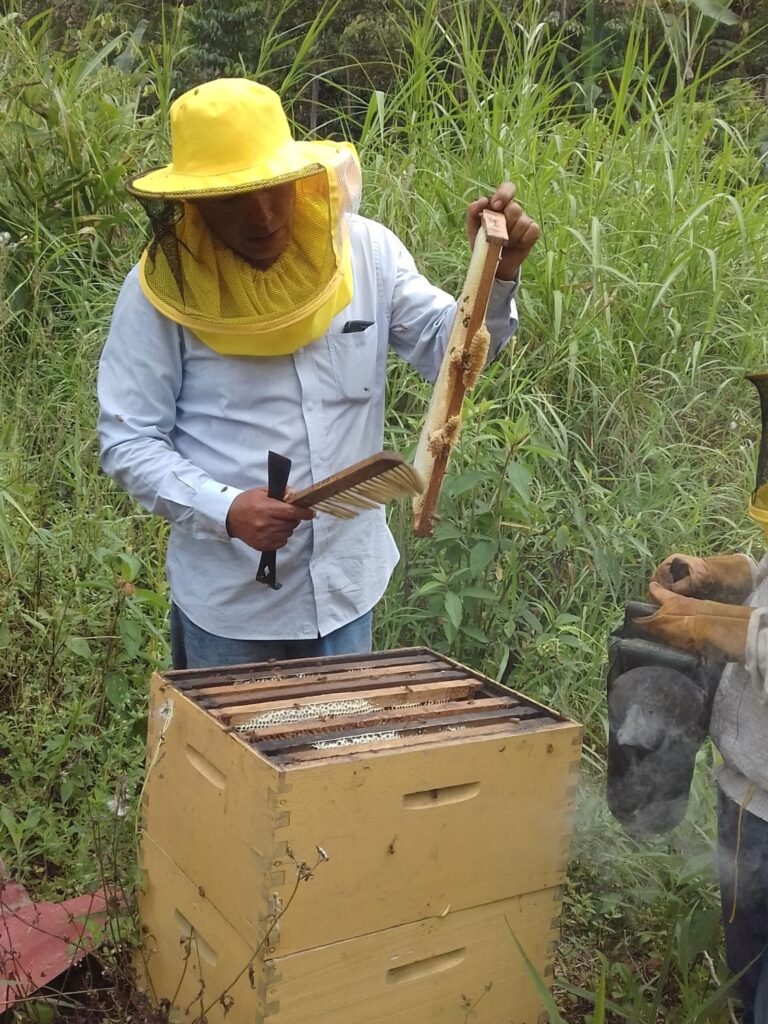
Bee Import Laws by Country: A Real Biosecurity Comparison
How the US, EU, UK, Australia, and Canada each regulate live bee and used-equipment imports -- a real side-by-side comparison no single-country guide covers.

Beekeeping law differs far more between countries than most beekeepers expect, and the rules that matter are rarely in a single beekeeping act. In one country registration is a food-safety requirement because honey is food; in another it sits under animal-health or biosecurity law and comes with annual disease returns; in a third the rule that bites is a veterinary certificate needed before a colony can be moved. The country guides here set out, for each place, who must register, which diseases must be reported, what the rules are for moving and importing bees, and how honey must be labeled to be sold.
Two things are worth knowing before reading any of them. American foulbrood is the disease that drives most of this law, and several countries run formal eradication or quarantine schemes with inspection deadlines and movement bans that apply to hobbyists as much as to commercial operators. And honey labeling is changing: the guides for EU member states cover the origin-labeling rules for blended honey that take effect in 2026. Each guide names the responsible agency and carries the same caution: the rules change, so confirm with the national or regional authority before acting.
Use these when moving abroad with bees, buying queens across a border, or selling honey into another market.
Start here:
How the US, EU, UK, Australia, and Canada each regulate live bee and used-equipment imports -- a real side-by-side comparison no single-country guide covers.
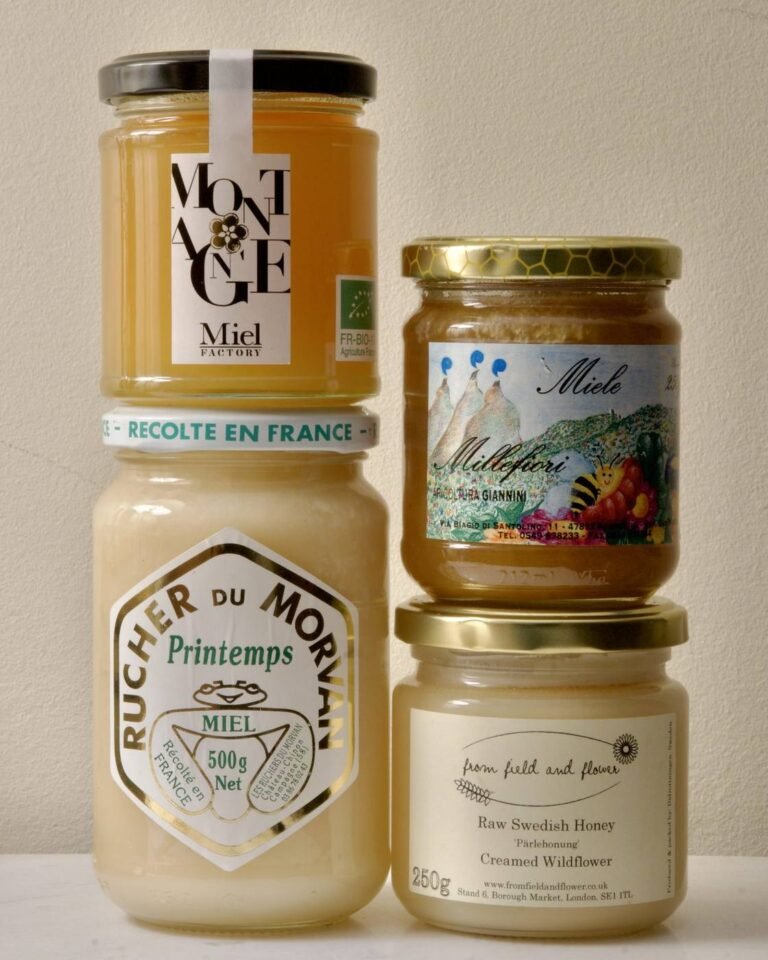
Since June 14, 2026, EU rules require every blended honey to list its countries of origin by weight, replacing vague labels like 'blend of EU honeys.'

Every beekeeper in France, from a single backyard hive to a professional operation running hundreds of colonies, must declare their bees to the government once a year — and the…
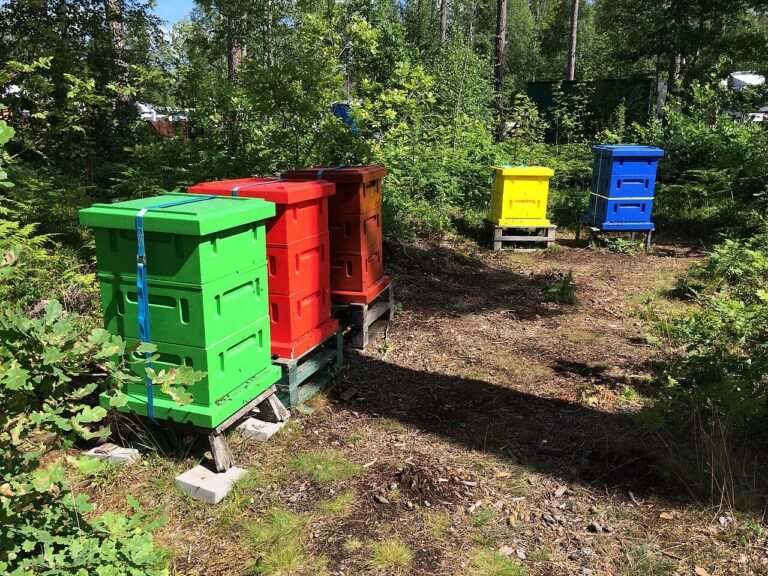
Sweden is in the middle of completely rebuilding its bee health law — the country currently regulates bee diseases under a dedicated Bee Disease Act separate from how it handles…

Every Polish beekeeper, even someone keeping a single hive purely as a hobby, faced a national deadline of June 18, 2026 to verify and update their apiary registration with their…

China alone produces an estimated 45,000 tons of royal jelly every year — the overwhelming majority of the world’s total supply — from a beekeeping sector regulated across four separate…
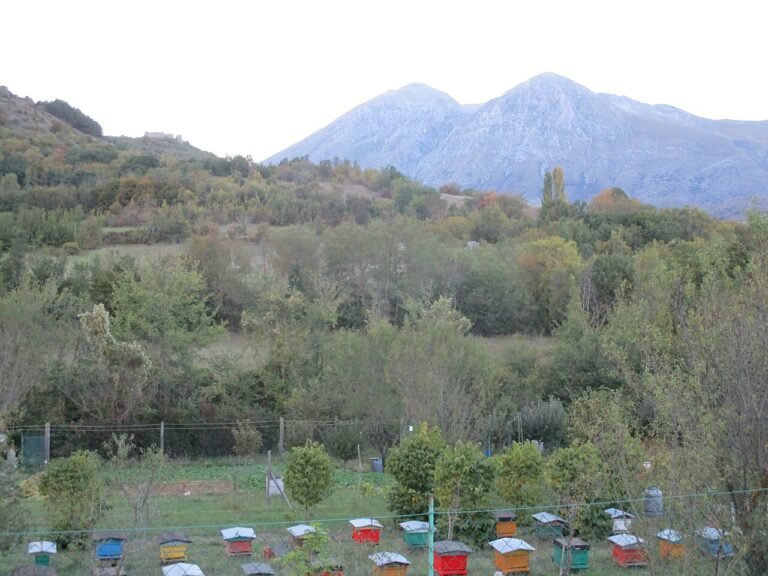
Italy is one of the only countries in the world where beekeeping distances are written directly into the national Civil Code — and one of its rules is genuinely unusual:…
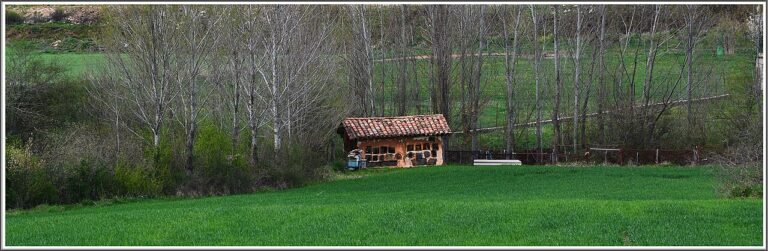
In Spain, registering an apiary follows exactly the same legal process whether you keep 1 hive or 150 — and even a purely personal, self-consumption setup with just a couple…

Argentina requires beekeepers to register in two separate national systems at once — and with more than 4 million hives and 22,000 beekeepers already declared, the country runs one of…

Every beekeeper in the Netherlands, even a hobbyist with a single hive, must register their apiary’s location and obtain a Unique Business Number (UBN) — a requirement that comes not…
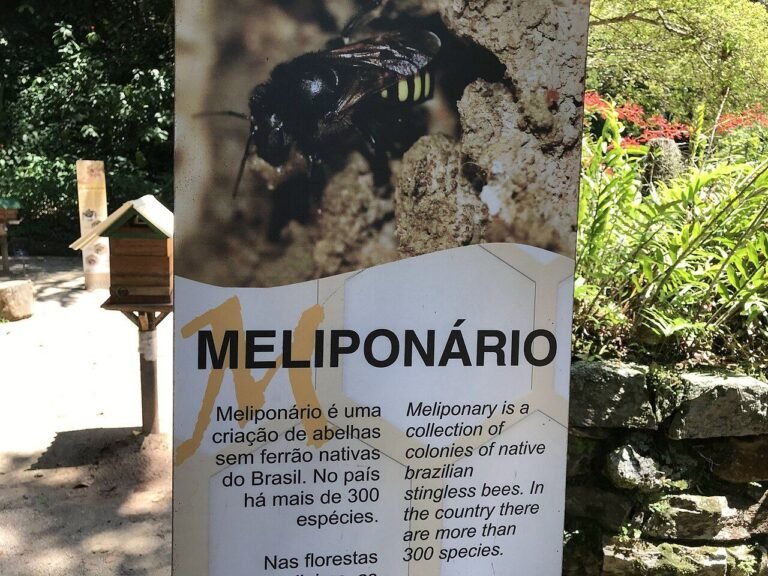
Brazil runs two entirely separate regulatory systems for beekeeping, depending on which bee you’re keeping. Apis mellifera — the honey bee most beekeepers know, and the species behind Brazil’s famous…

Since a 2013 revision to Japan’s Beekeeping Promotion Act, even hobbyist beekeepers with a single rooftop hive in central Tokyo are legally required to register with their prefectural governor —…

Kenya has tried three separate times since 2021 to pass a national law requiring beekeepers to register their apiaries — and as of 2026, none of those attempts has actually…

India has committed roughly ₹500 crore (about $60 million) to a national beekeeping program explicitly named for the goal it’s chasing: a “Sweet Revolution.” The National Beekeeping and Honey Mission…

In Mexico, stealing bees is legally prosecuted the same way as cattle rustling. That isn’t a figure of speech — Mexico’s Federal Beekeeping Law (Ley Federal Apícola) explicitly elevates bees…

South Africa requires every beekeeper and bee remover to register for 24 months under control measures R.858, bars moving bees across the Cape bee line without approval, and sets import, honey-label and city by-law rules.

Germany assigns every registered beekeeper a distinctive twelve-digit registration number — built from the official municipality code plus a four-digit operation number — and enforces one of the strictest American…

What Irish law requires of beekeepers in 2026: DAFM registration to sell honey, the four notifiable bee diseases under S.I. 130/2016, EU rules for bringing bees in, the native bee import-ban bill, and honey labels.
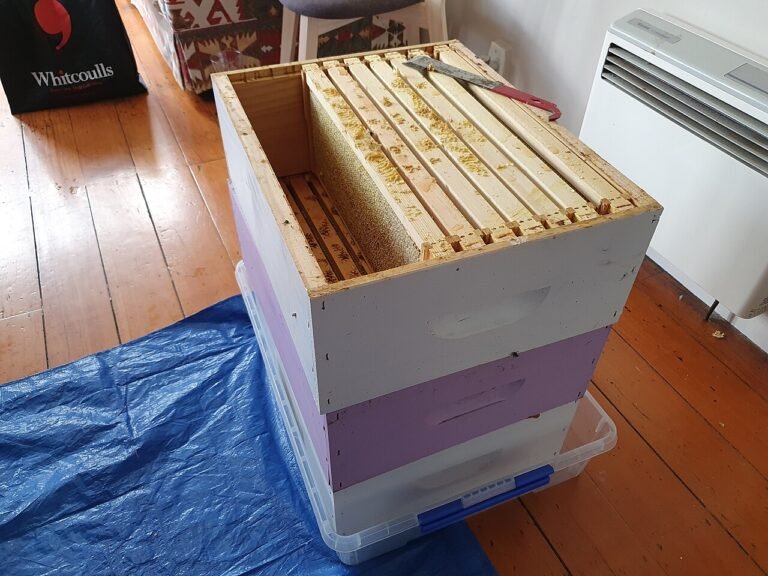
Every New Zealand beekeeper must register with NZ Bee Health & Biosecurity, pay the AFB levy by 1 June, file an Annual Disease Return and have hives inspected for American foulbrood each spring. This guide maps each rule to the clause that creates it, with 2026/27 costs and two councils' bylaws.

Until June 2022, Australia was one of the last major honey-producing nations on Earth free of Varroa mite — a status that shaped the entire structure of Australian beekeeping law…
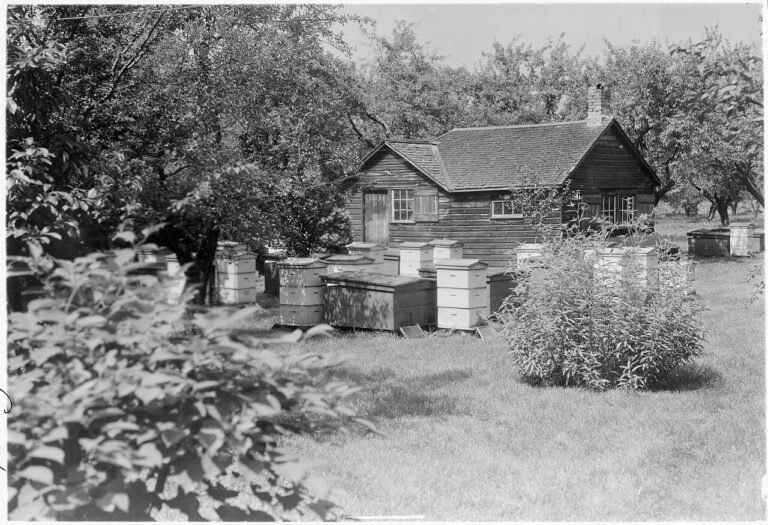
Canada has no single national beekeeping law — each province regulates beekeeping independently, with its own Act, its own Provincial Apiarist, and its own registration system. A beekeeper in Alberta…
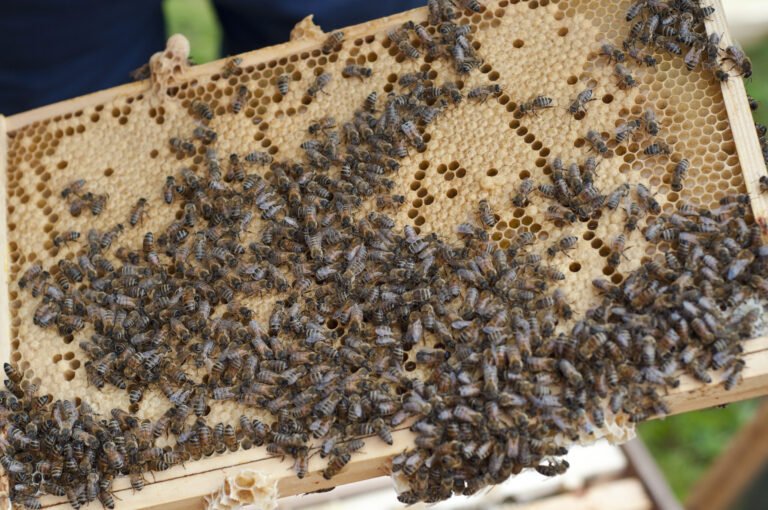
You don’t need a licence, permit, or planning permission to keep honey bees anywhere in the United Kingdom. A back garden, a rooftop, an allotment, or a field all qualify…

Understand beekeeping regulations and licensing in Europe / Greece. Our guide explains the rules, licensing processes, and best practices for beekeepers.

Master the honey export process with our comprehensive guide. Understand the procedures and regulations required for successful honey exports.