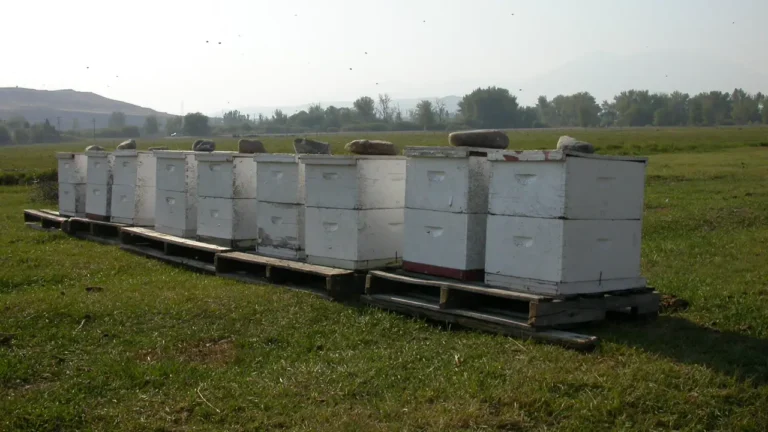
What Is an Apiary? Meaning, Types, Size and Legal Definition
An apiary is a place where beehives are kept, also called a bee yard. This guide covers word origin, apiary vs hive, state legal definitions, size and types.

The fundamentals for new beekeepers: what it costs to start and when to begin, how to set up an apiary and where to place hives, how to carry out a hive inspection and read a brood frame, and what a healthy colony looks like. You will also find seasonal checklists and calendars, record keeping, safety, and the beginner mistakes that most often cost colonies. For hands-on detail, see our guides to backyard beekeeping in the USA, bee brood management, avoiding crushed bees during inspections and expanding a growing hive.
More specialized subjects such as swarm control, feeding, queens, pests and equipment buying have their own sections, reachable from the Articles menu.
Start here:
An apiary is a place where beehives are kept, also called a bee yard. This guide covers word origin, apiary vs hive, state legal definitions, size and types.
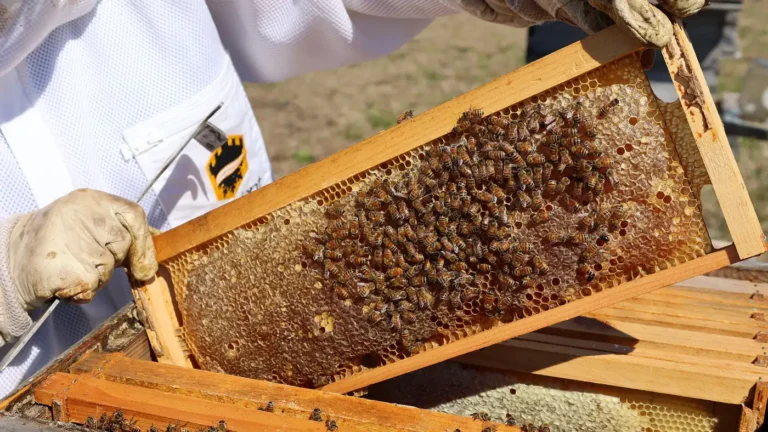
Inspect about every 7 to 9 days in swarm season, every 10 days to 3 weeks after that, and not at all in cold winter weather. This guide covers schedules by season and colony stage, what over-inspecting costs, and how a quick check differs from a full one.
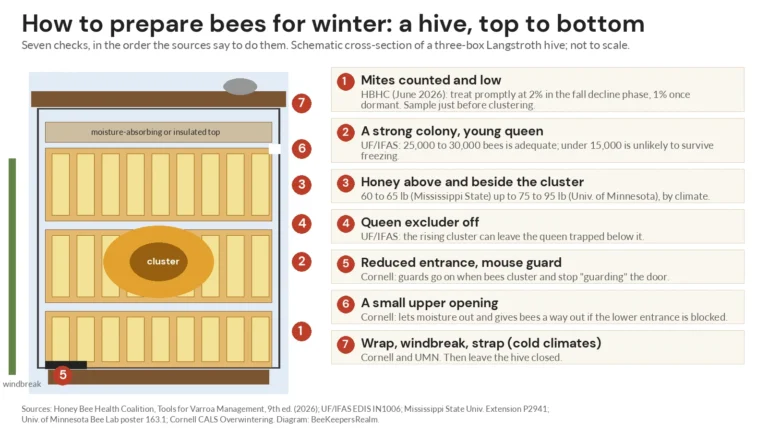
Prepare bees for winter in order: mites first, then colony strength, honey, entrance guards and moisture control, with extension figures for cold, mid-Atlantic, Gulf and Florida climates.
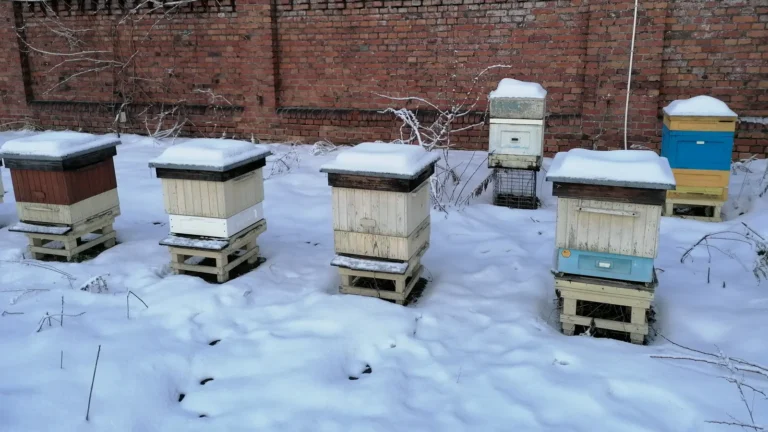
Pull frames only above 55°F, peek for seconds near freezing, feed a starving colony anytime. Plus how to check on bees in winter without opening the hive.
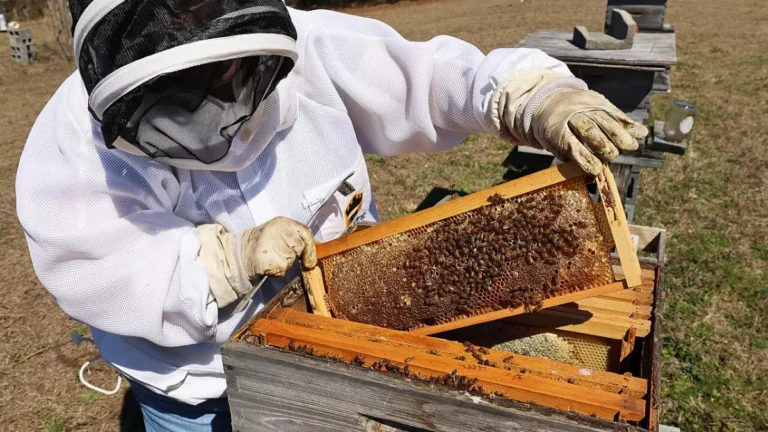
To start beekeeping, first get tested for a bee-sting allergy and check your local zoning, hive limits and registration rules. Then join a local beekeeping association and get hands-on time…

Avoid beekeeping mistakes that kill colonies with our comprehensive prevention guide. Get expert tips on maintaining healthy bee colonies.

Learn the best practices for inspecting a hive without disturbing brood. Discover expert tips and techniques to ensure a safe and effective beekeeping experience.

How to grow an apiary without losing colonies: how fast to expand, splits vs nucs vs swarms, hours and equipment per colony, hive spacing research and state registration triggers.

Get expert tips on how to avoid crushing bees during inspections. Our comprehensive guide covers safe inspection methods for beekeepers.

Discover the best ways on how to keep bees calm without smoke. Expert tips for a stress-free beekeeping experience
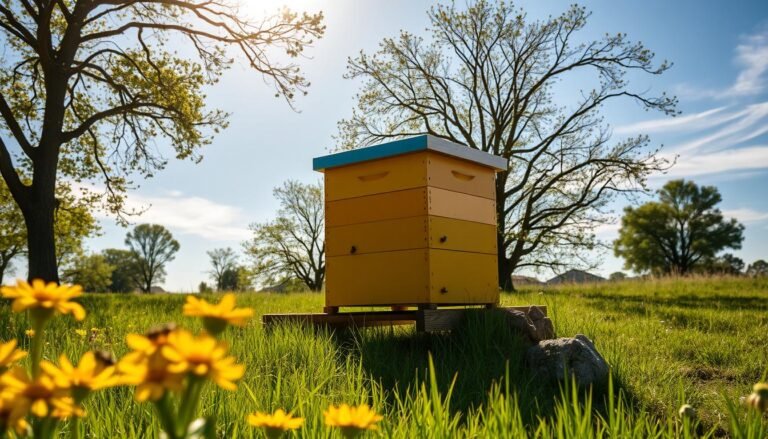
Should beehives be in sun or shade? Field studies show sun cuts varroa mites and small hive beetles, while afternoon shade protects colonies where summers are long and hot.
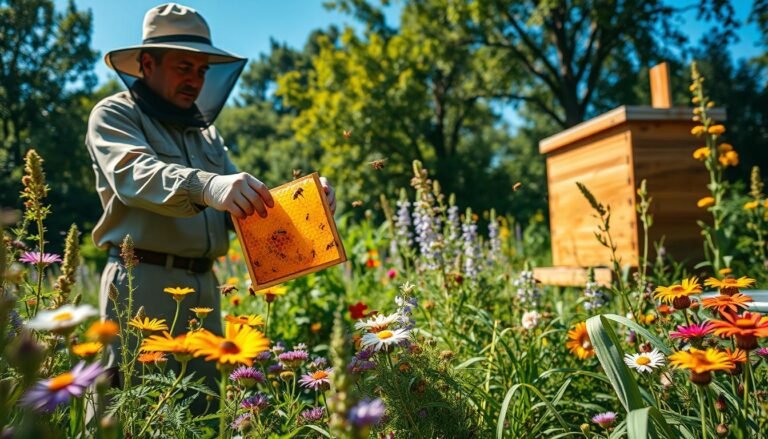
Discover expert chemical-free beekeeping tips for a healthier hive. Learn effective methods for beginners and experienced beekeepers alike.

Learn how to reduce stress during hive inspections with our expert beekeeper's guide. Discover practical tips and techniques to make beekeeping easier and more enjoyable.
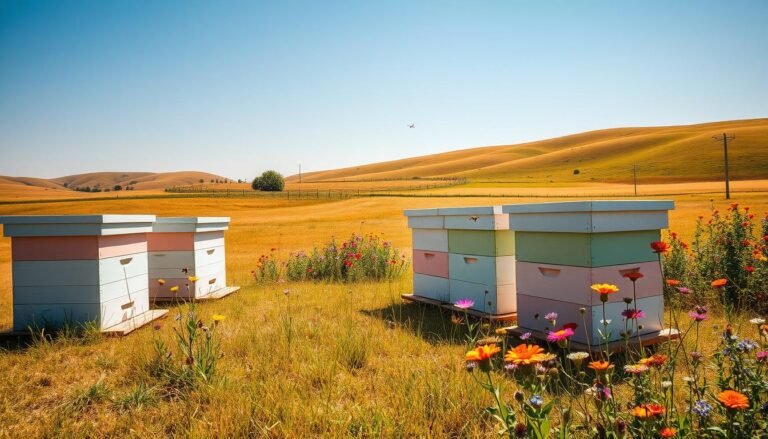
Maximize your honey harvest with the best hive placement for maximum honey flow. Get expert tips on how to position your beehive for success.

Find out the best time of day to inspect a hive and improve your beekeeping skills. Our step-by-step guide provides expert advice for a successful inspection.

Discover the best practices for moving a beehive short distance vs long distance. Our comprehensive guide covers everything you need to know for a successful move.

Learn how to set up a backyard apiary with our step-by-step guide. Discover the best practices for establishing a thriving apiary at home.
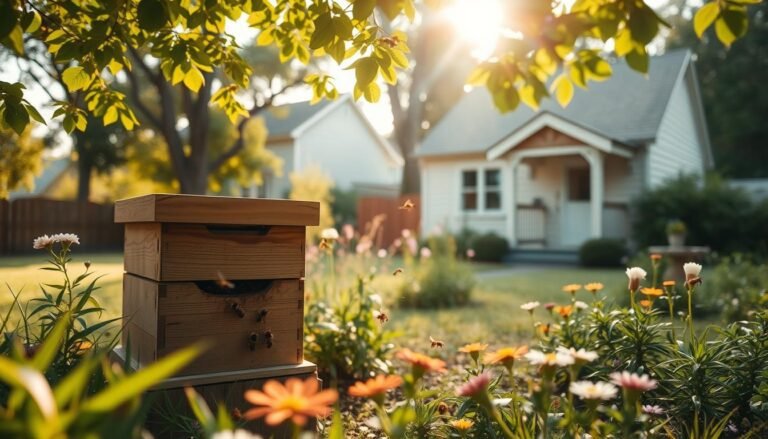
Discover the ideal distance for beekeeping: 18. how far should beehives be from a house. Learn safety tips and guidelines for placing beehives near your home.
Discover the best time of year to start beekeeping USA. Get expert tips on timing and preparation for a successful beekeeping journey.

How many hives one person can manage depends on free hours first: a formula from extension time-per-colony guidance, benchmarks by beekeeper type, income per colony and when to hire help.
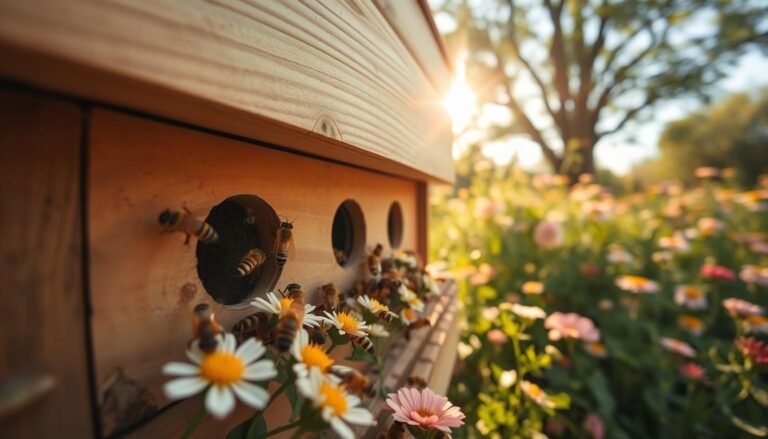
Learn how to tell if a hive is healthy by checking for these essential signs. Discover the indicators of a thriving beehive.
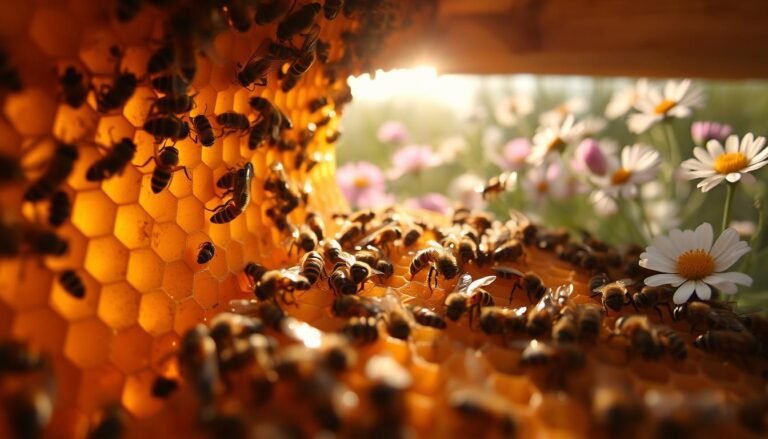
Discover the truth behind U.S. beekeeping myths and misconceptions. Get the facts on common beekeeping misconceptions in the U.S. today.
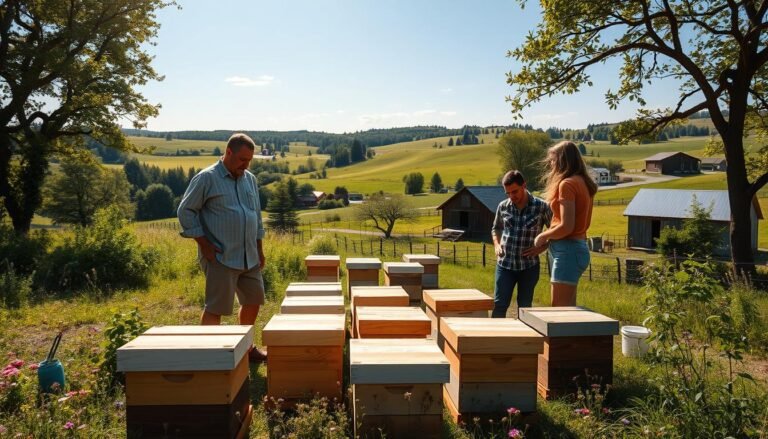
Learn the essential steps for starting an apiary in rural America. Discover how to successfully establish and maintain a thriving apiary
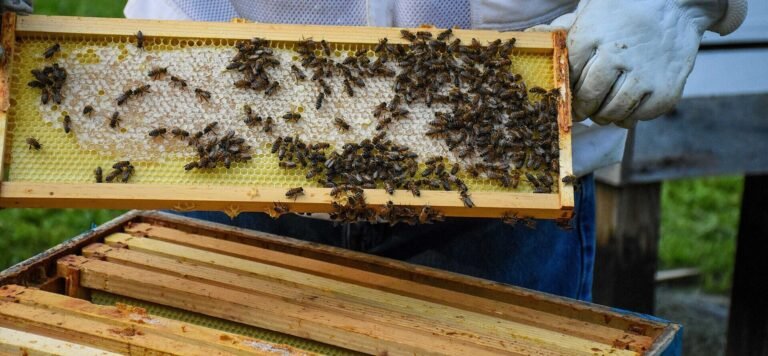
Long-term honey bee health for US beekeepers: Varroa monitoring and thresholds, nutrition, comb and queen renewal, foulbrood checks, records, winter prep.

Get started with beekeeping using our comprehensive backyard beekeeping guide USA. Tips, techniques, and best practices for US beekeepers.