
When and How to Expand a Growing Beehive
When and how to give a growing colony more room: adding supers versus splitting the hive, and how to tell which one your colony actually needs.

The fundamentals for new beekeepers: what it costs to start and when to begin, how to set up an apiary and where to place hives, how to carry out a hive inspection and read a brood frame, and what a healthy colony looks like. You will also find seasonal checklists and calendars, record keeping, safety, and the beginner mistakes that most often cost colonies.
More specialized subjects such as swarm control, feeding, queens, pests and equipment buying have their own sections, reachable from the Articles menu.
Start here:
When and how to give a growing colony more room: adding supers versus splitting the hive, and how to tell which one your colony actually needs.
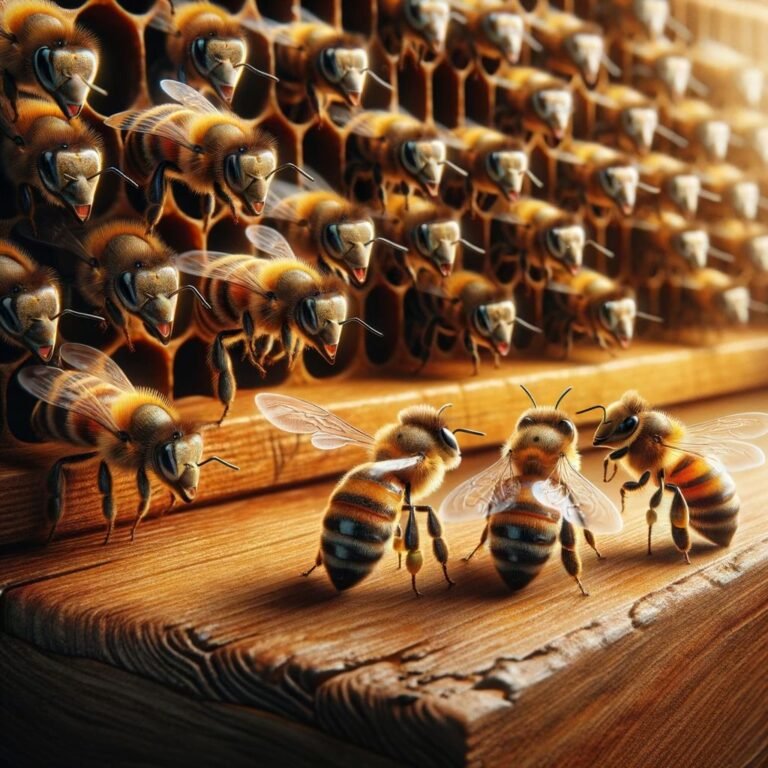
What actually separates a genuinely productive, thriving hive from a struggling one: queen quality, population health, nutrition, and disease pressure.
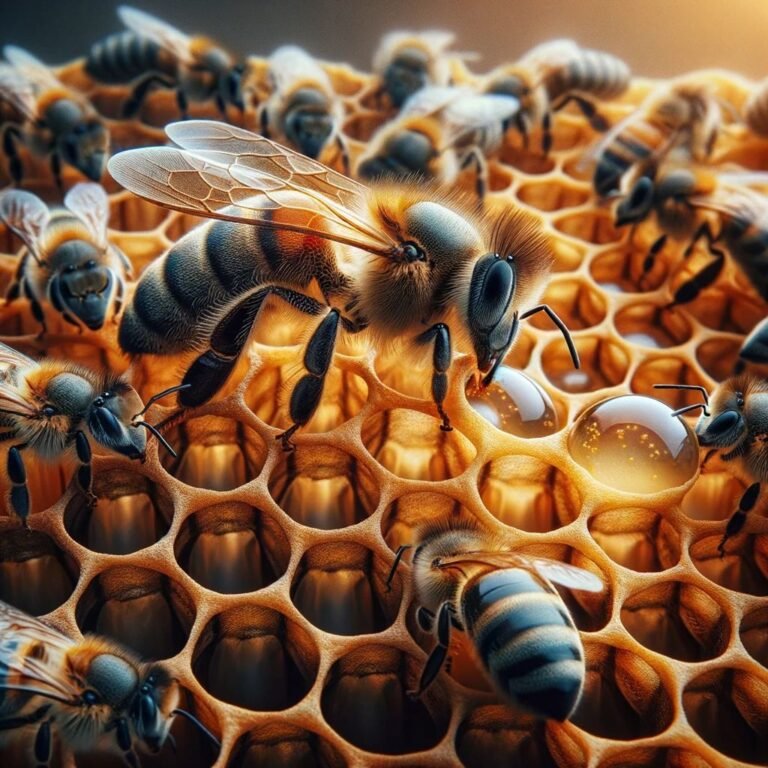
What a genuinely healthy brood pattern looks like: the density, capping quality, and structure experienced beekeepers actually check for.

What actually determines whether a honey bee colony survives for years or collapses in a season: queen quality, varroa management, forage, and beekeeper experience.

Improving at beekeeping is not about learning more techniques — it is about getting faster and more accurate at a few judgements you already make every time you open a…

A beekeeper who only remembers “that hive seemed a bit weak last month” has no real way to tell whether it’s actually declining or just had an off week. A…

Beekeeping gives you honey, wax, better garden pollination and a hobby that keeps teaching. This guide weighs those benefits against real 2026 costs and colony losses, using USDA and university data.

A single Langstroth hive with frames runs roughly $150-$200 new, and that’s before protective gear, a smoker, and the bees themselves. Those add-on costs are what catch a lot of…