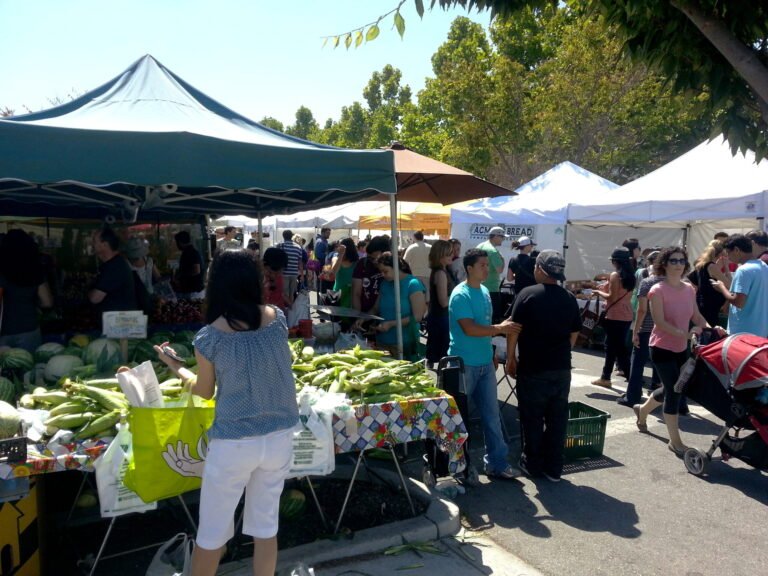
Where to Sell Honey: Etsy vs. Farmers Markets vs. Co-ops
A real side-by-side comparison of Etsy, farmers markets, food co-ops, and wholesale buyers for selling honey, with actual current fees, reach, and control for each.

Buying beekeeping equipment is where new beekeepers waste the most money, usually on items that look essential in a catalog and sit unused by August. The guides here compare real, currently sold products by the job they do: smokers, gloves and suits, refractometers, wax melters, bee vacuums, hive monitors, jars and labels, and gift ideas.
A few rules hold across all of them. Buy for the work you actually do: a bee vacuum only earns its keep if you take cutouts regularly, while a refractometer pays for itself the first time it stops you bottling honey that would have fermented. With smokers, the larger barrel is nearly always the right choice, because a small one burns out halfway through a long inspection. With gloves, thick leather feels safer but costs the dexterity that keeps bees calm, and most people move to thinner gloves within a season. Prices in each guide date from its last update, so treat them as reference points.
Each comparison explains which features matter, which are marketing, and who should skip the purchase entirely. Start with the equipment overview if you are assembling a first-year kit, then come back to the individual guides as specific needs arise.
Start here:
A real side-by-side comparison of Etsy, farmers markets, food co-ops, and wholesale buyers for selling honey, with actual current fees, reach, and control for each.
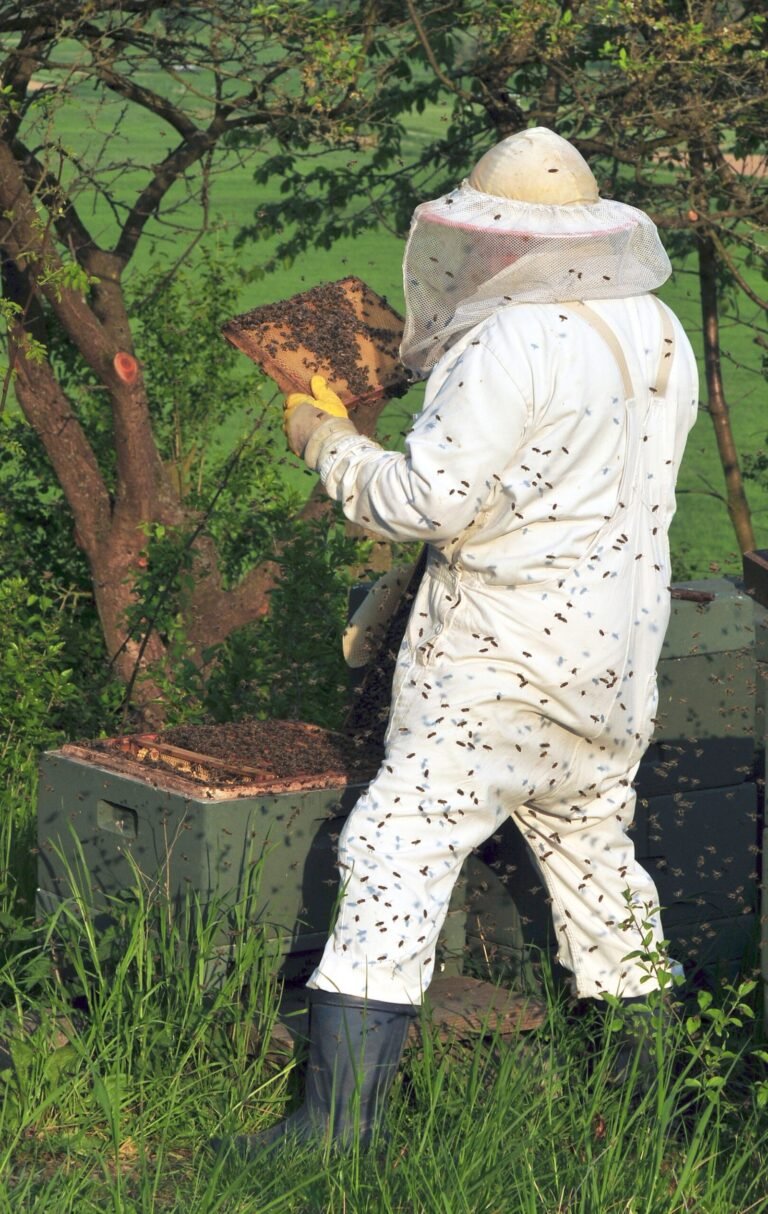
BroodMinder's basic sensors need no subscription; BeeGuard's weather station carries a confirmed EUR36/year fee. What you actually pay over time, verified brand by brand.
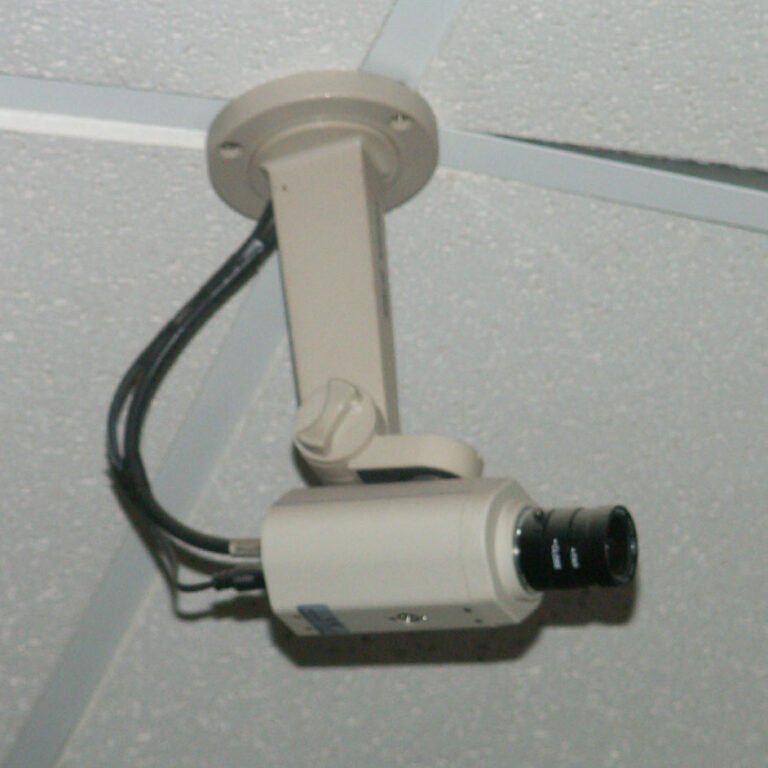
A $90 Wyze Battery Cam Pro or Blink Outdoor camera, aimed at the entrance, tracks flight activity, robbing, and pests -- a genuinely different job than an in-hive inspection camera.
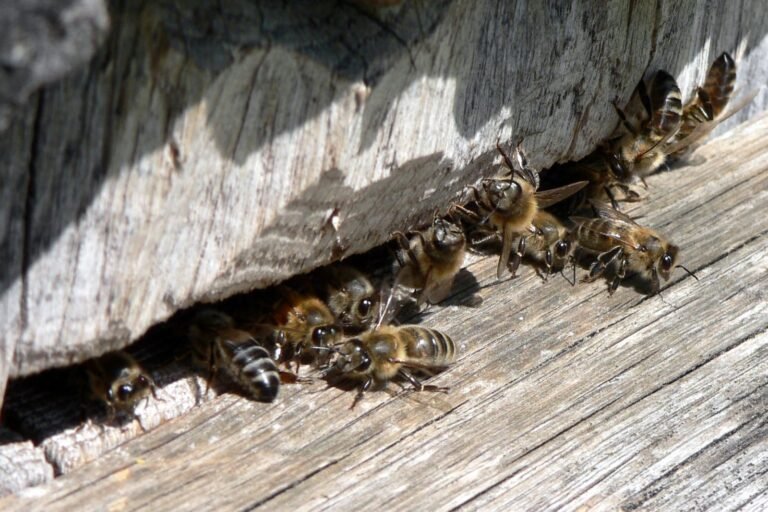
A single sensor starts under $50; a full weight-plus-weather-plus-tracker buildout runs several hundred dollars. Real, verified prices added up by category.
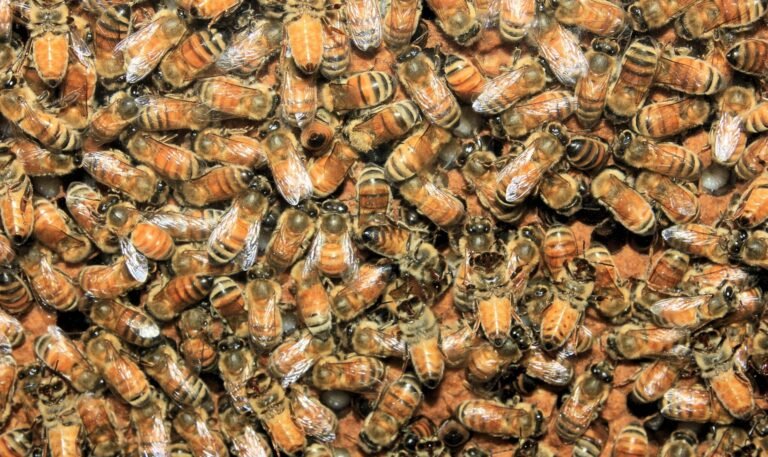
From budget acrylic-windowed kits to Bonterra Bees' rotating SwingView cabinet, here is what observation hives actually cost and what separates the price tiers.
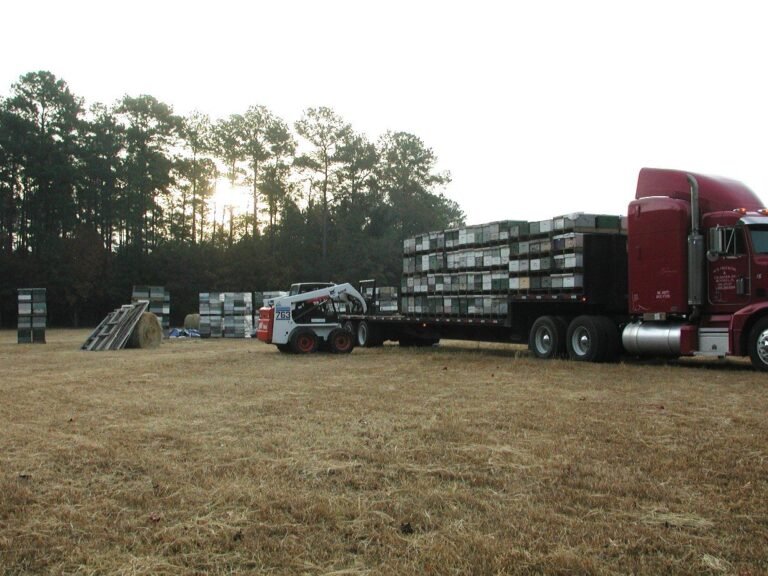
A practical comparison of trailer types, capacity, load-securing, and loading equipment for beekeepers moving colonies for pollination or apiary relocation.

Not every product marketed as natural or organic is actually safe for foraging bees. Here's how to read a real pesticide label and pick lower-risk products correctly.
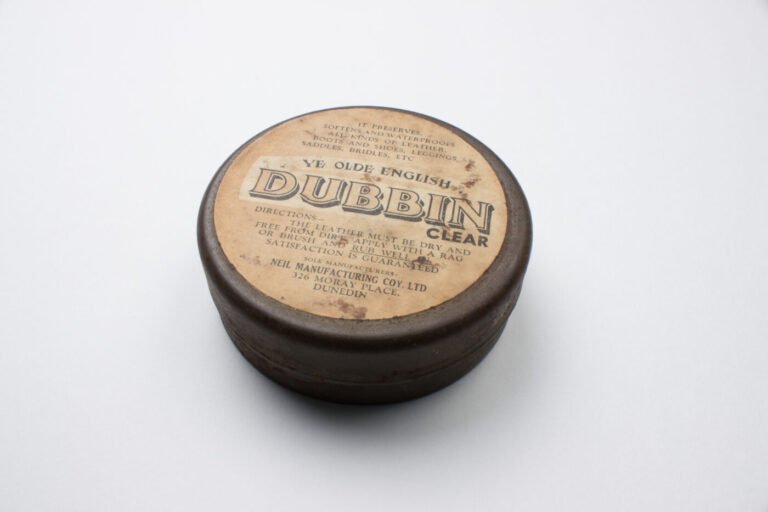
Beeswax-based leather waxes seal and waterproof; oil-based conditioners soften. Here's how Otter Wax, Sno-Seal, Obenauf's, and Bickmore actually compare.
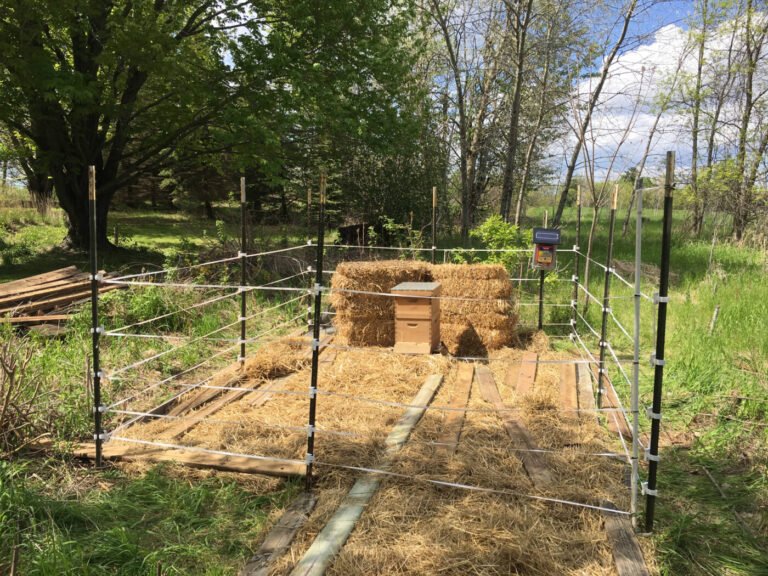
Hidden GPS trackers, motion-activated alarms, and RFID tags are how beekeepers are actually fighting a real rise in hive theft. Here's how the real products compare.
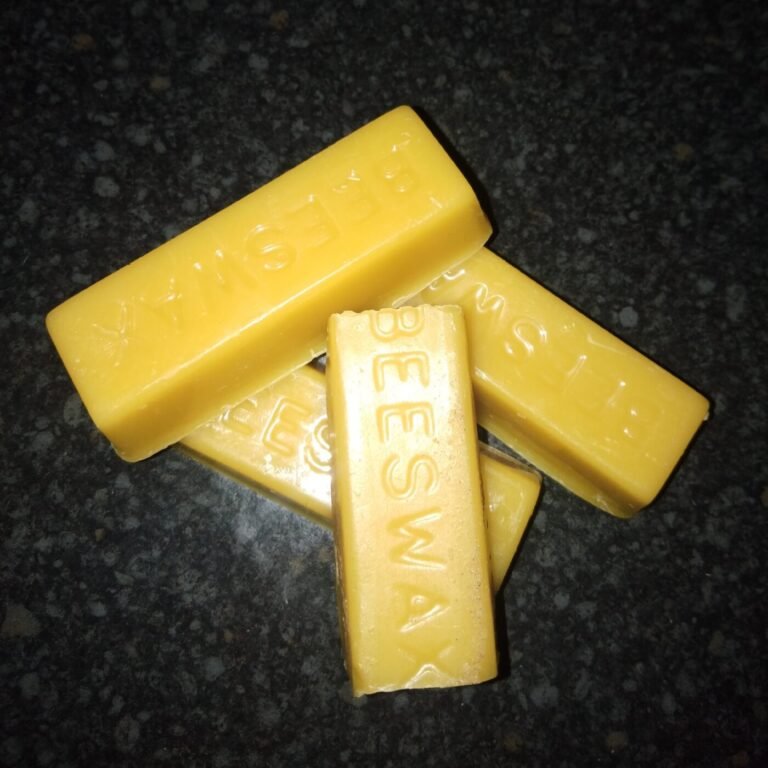
Mustache wax and beard balm both start with beeswax, but hold level and ingredient ratio vary a lot by brand. Here's how to read a label and pick the right one for your facial hair.
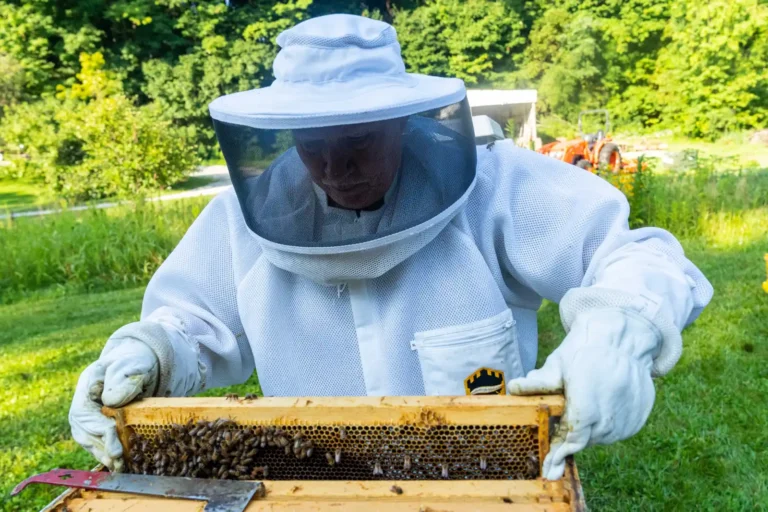
Where to actually find beekeeping suits sized for plus-size and tall beekeepers, with real height-based size charts compared across three suppliers.
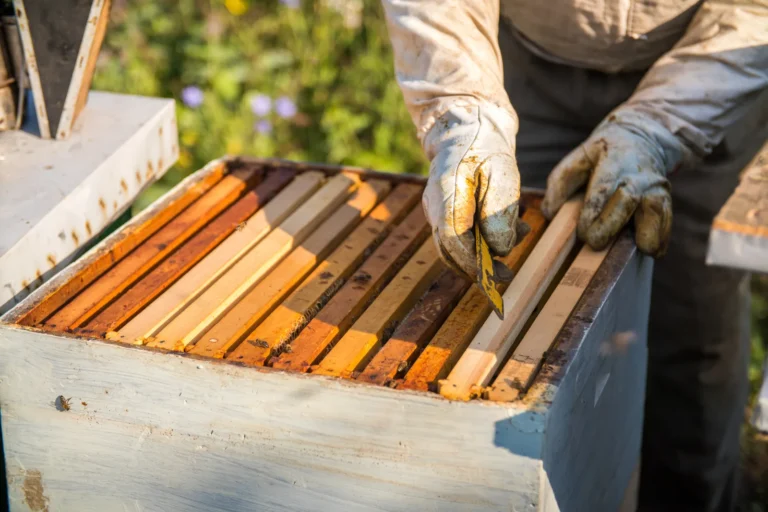
How beekeepers use general-purpose borescope cameras for low-disturbance winter cluster checks, cutout scouting, and swarm-trap peeks — and where they fall short of a real inspection.
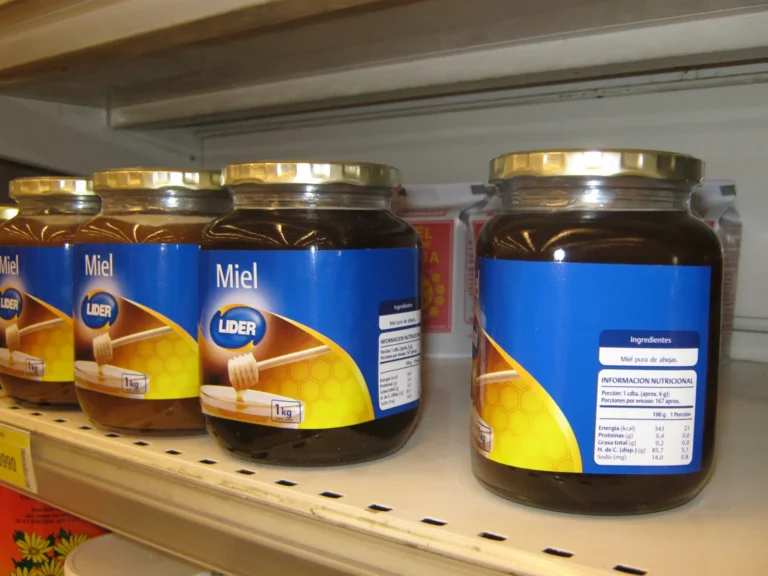
A practical comparison of glass and plastic honey containers for small producers — real sizes, bulk pricing tiers, and which to use for markets versus mail-order shipping.
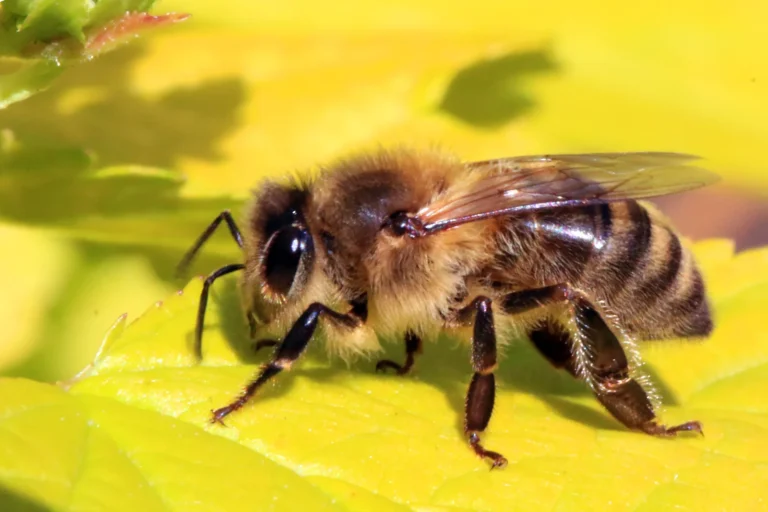
A real buying-decision comparison of Italian, Carniolan, Buckfast, Saskatraz, and Russian honey bees — climate fit, swarming tendency, and Varroa tolerance, not just breed trivia.

Why 'bee-friendly' and 'pollinator mix' labels guarantee nothing, and the specific things -- a real species list, regional fit, filler-free seed -- worth checking before you buy.
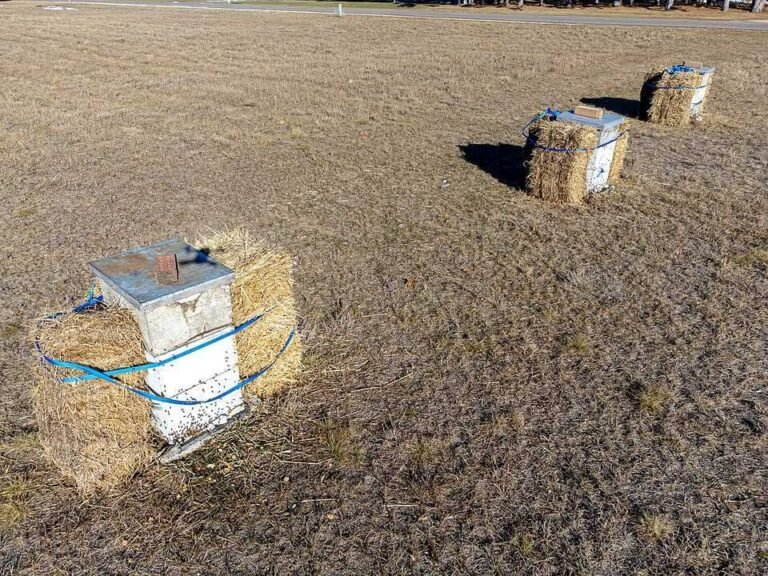
A real look at the hive-hosting industry -- Best Bees, Alveole, Bee Downtown -- what they actually charge, and how it differs from a charity 'adopt a hive' donation.

A practical look at which USDA programs actually help pay for beekeeping equipment (EQIP, FSA microloans, SARE grants), what's a loan versus a grant, and why local bee clubs are often the more realistic option for beginners.
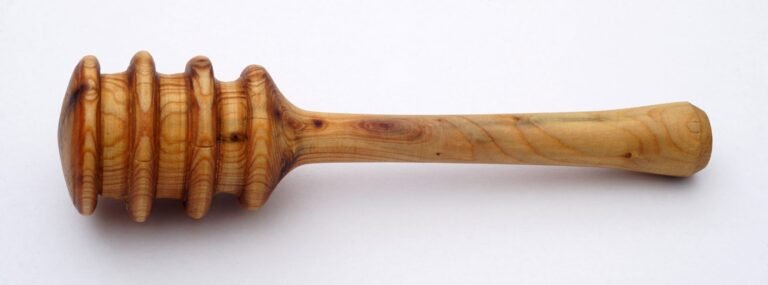
A buying guide comparing wood, silicone, and stainless steel honey dippers, how they actually work, and how to pick the right one for your kitchen.

A small honey seller's guide to the physical hardware for jar labels: Rollo vs. Zebra thermal printers, choosing weatherproof label stock, and a real limitation most guides never mention.

BroodMinder, SolutionBee, and Arnia remote hive monitors compared side by side: what each measures, real pricing, and which fits a hobbyist apiary versus a commercial operation.
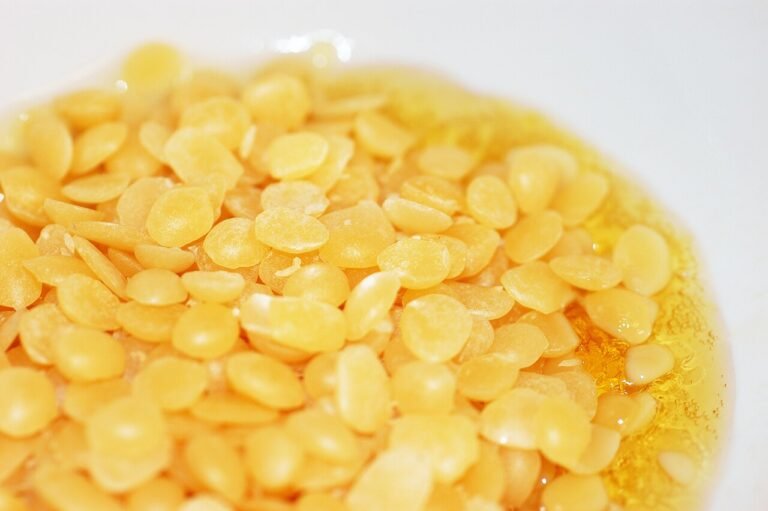
Bee's Wrap, Etee, and Abeego beeswax food wraps compared side by side: the real airtight-vs-breathable design tradeoff, pricing, and which brand actually fits your kitchen.
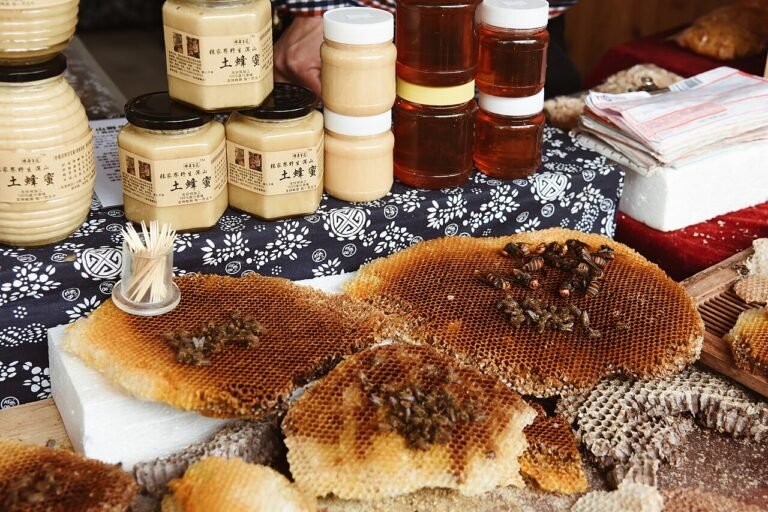
A buyer's guide for bakeries, cafes, and restaurants purchasing bulk honey: real container sizes, USDA grading standards, raw vs. filtered vs. organic, and what to ask a supplier before ordering.
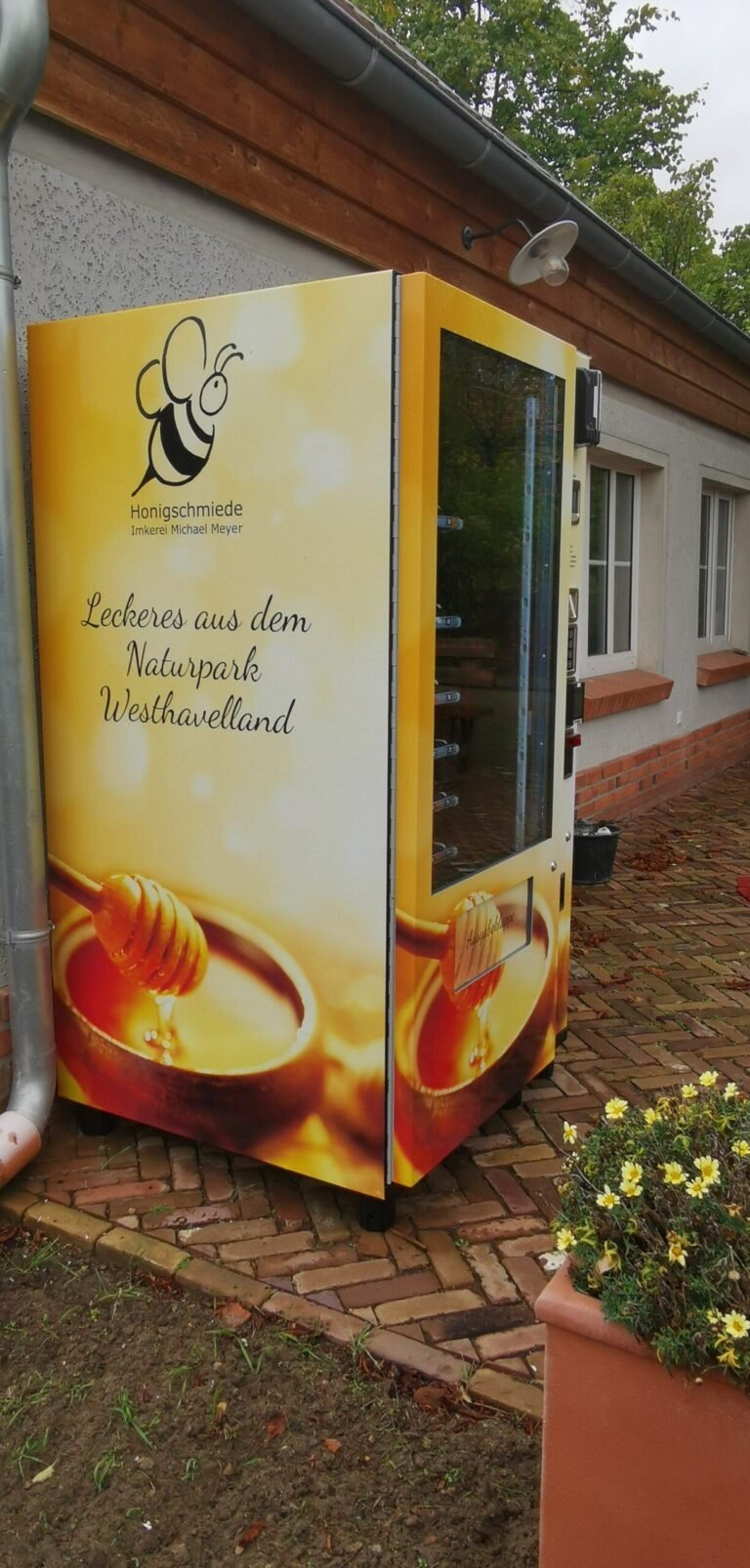
How honey vending machines work, the real European farm-gate tradition behind them, and whether one makes sense for a small producer.
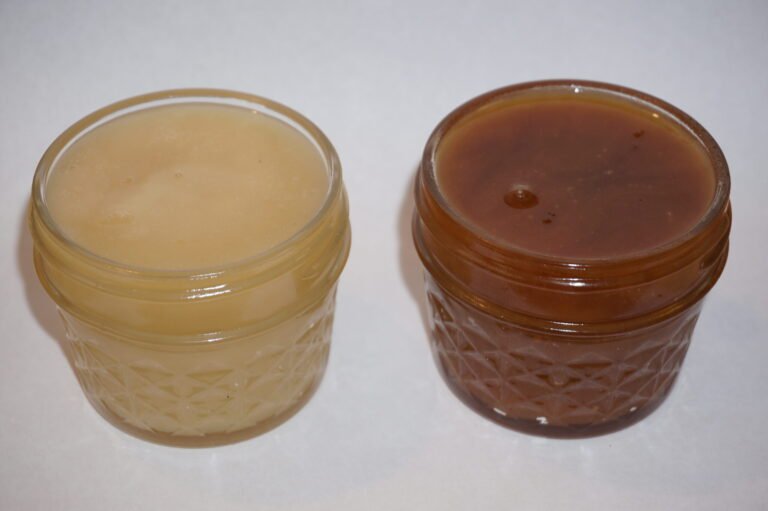
The real equipment producers use to scale creamed honey production, from home kits to industrial stir tanks, and what to look for when buying.

What Beewise's BeeHome robotic hive actually does, how it differs from a passive hive monitor, and how you actually access one.