A dedicated hive inspection camera and a $90 backyard wildlife camera solve two completely different problems, and confusing them is the most common mistake a beginner makes when shopping for “hive camera” online. This site’s existing guide to hive inspection cameras and borescopes covers cameras built to go between frames and show you what’s happening inside the box. This article covers something different: pointing an ordinary, off-the-shelf outdoor security or wildlife camera at the hive entrance from outside, to track flight activity, robbing, and predator visits — without opening anything.
Key Takeaways
- An entrance-facing wildlife/security camera and an in-hive inspection camera answer different questions — outside activity versus inside comb condition — and one doesn’t substitute for the other.
- Mainstream battery-powered outdoor cameras like the Wyze Battery Cam Pro ($89.98) and Blink Outdoor 4 ($79.99) are real, current, well-documented products, not a beekeeping-specific niche item.
- Battery life on these general-purpose cameras runs around six months per charge in typical use, and several models support an optional solar panel accessory to avoid recharging entirely.
- No subscription is required for basic local recording on most of these cameras, though optional cloud-storage plans exist (Wyze’s Cam Plus starts around $2.99/month) for continuous cloud footage.
- The realistic use case is entrance-activity monitoring — flight intensity, robbing behavior, pest and predator visits — not colony health diagnostics, which still require weight, temperature, or a physical inspection.
Table of Contents
- A Different Job Than an Inspection Camera
- Real Cameras Worth Knowing About
- Wildlife Camera vs. Dedicated Hive Monitor
- What Entrance Footage Actually Shows You
- Setup Notes Specific to a Hive Entrance
- Storage, Power, and Weatherproofing Notes
- What It Can’t Tell You
- Frequently Asked Questions
A Different Job Than an Inspection Camera
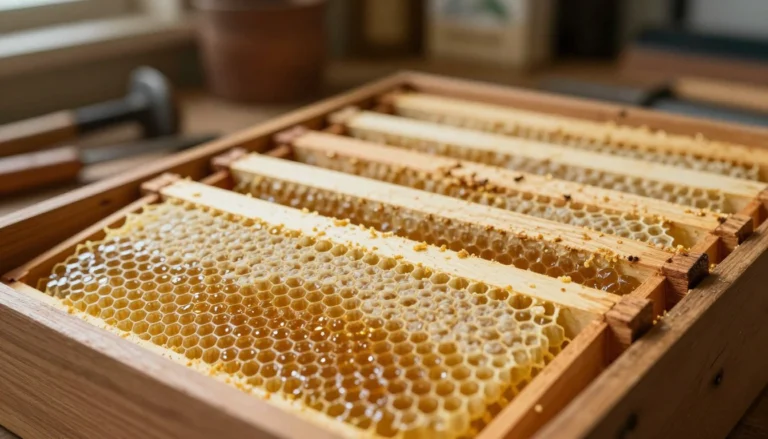
A dedicated hive inspection camera, the kind covered in this site’s existing guide to that category, is built to be inserted into the hive itself — between frames or through a viewing panel — to show comb, brood, and bee activity without lifting frames out. A wildlife or outdoor security camera does the opposite: it stays entirely outside the hive, mounted a short distance away and aimed at the entrance, and records what flies in and out. It can’t show you a single frame of comb. What it’s genuinely good at is something an inspection camera isn’t built for at all: continuous, hands-off observation of entrance traffic over hours, days, or weeks, which is exactly the kind of long-duration monitoring a purpose-built bee product in this category simply doesn’t offer at this price point.
Real Cameras Worth Knowing About
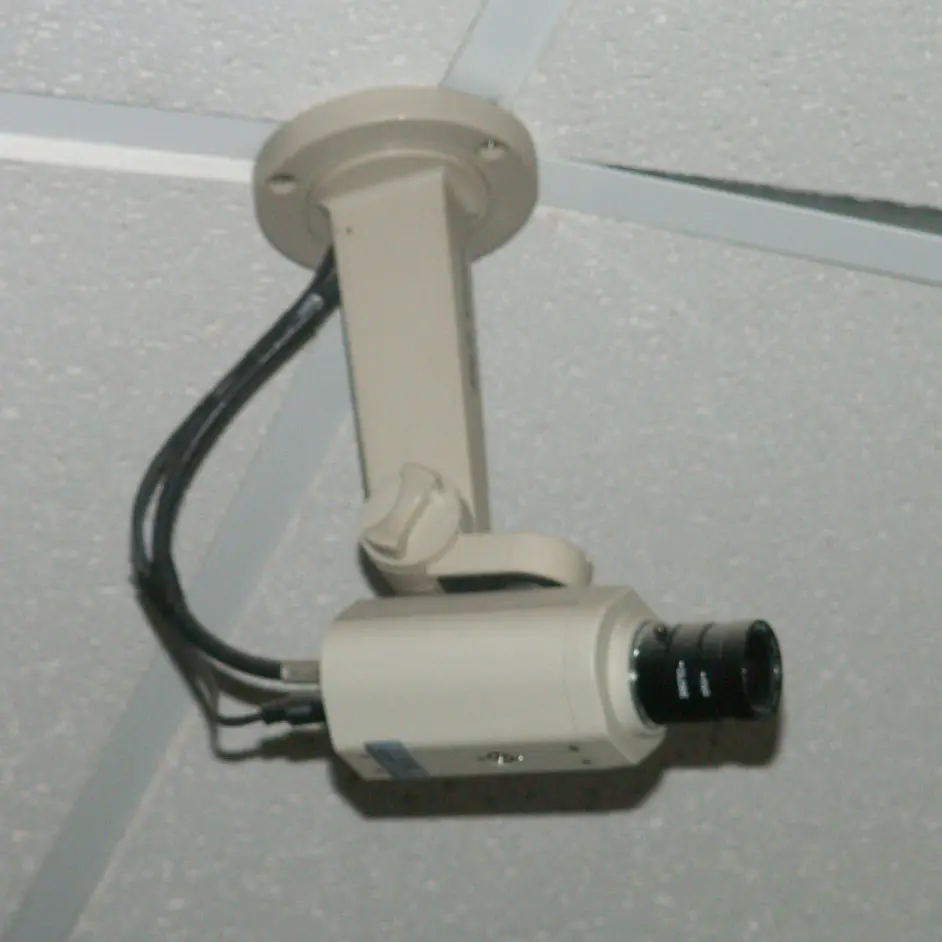
Two mainstream, currently-sold outdoor cameras illustrate the category well. The Wyze Battery Cam Pro, priced at $89.98 for a single unit (with per-unit pricing dropping in multi-packs), records 2.5K video with color night vision, is rated for roughly six months of battery life per charge under normal use, and is explicitly compatible with an optional solar panel accessory for continuous power without manual recharging. It stores footage locally to a microSD card with no subscription required, though an optional cloud-storage plan (Wyze’s Cam Plus, starting around $2.99/month after a free trial) adds cloud backup and more advanced motion-detection features. Blink’s Outdoor 4 camera, priced at $79.99, is a comparable weatherproof, battery-powered option from a different manufacturer, illustrating that this is a genuine, competitive consumer product category rather than a single-brand niche. Neither camera is marketed for or designed around beekeeping specifically — they’re ordinary home-security hardware being repurposed for a bee-specific use, which is exactly the point: no bee-branded product currently on the market offers this kind of long-duration entrance monitoring at anywhere near this price.
Wildlife Camera vs. Dedicated Hive Monitor
| Factor | General wildlife/security camera | Dedicated in-hive inspection camera |
|---|---|---|
| What it shows | Entrance traffic, robbing, predator visits, mouse-guard issues | Comb, brood pattern, bees between frames |
| Placement | Outside the hive, aimed at the entrance | Inserted between frames or through a viewing panel |
| Battery life | ~6 months typical, extendable with solar accessory | Varies; typically used briefly during an inspection, not continuously |
| Subscription | Optional; local recording usually free | Brand-dependent |
| Bee-specific design | None — repurposed general consumer hardware | Purpose-built for hive interiors |
What Entrance Footage Actually Shows You
Pointed at the entrance, an outdoor camera genuinely earns its keep for a handful of specific questions: whether foraging activity is picking up or slowing down through the day (a rough, visual proxy for flow conditions), whether an unusual cluster of fighting or dead bees at the entrance suggests robbing, whether wasps, yellowjackets, or small hive beetles are making repeated entrance visits, and whether a mouse or other pest has been probing the entrance reducer overnight — something easy to miss without a camera running while you’re asleep. None of this requires disturbing the colony, which is the same practical appeal that makes weight scales and temperature sensors useful, just applied to visual rather than numeric data.
Setup Notes Specific to a Hive Entrance
A camera aimed at a hive entrance needs a slightly different setup than a typical backyard security placement: position it far enough away and at an angle that avoids directly obstructing the bees’ flight path, since bees returning heavily loaded with nectar or pollen fly a fairly direct line to the entrance. Direct afternoon sun on the camera lens can wash out footage the same way it would on any outdoor camera, so an angle that keeps the sun behind or beside the camera generally records better footage. And because these are general-purpose consumer products, standard outdoor-camera practices apply — mount securely against wind, and check the manufacturer’s actual weatherproofing rating rather than assuming “outdoor” means fully weatherproof in every climate.
Storage, Power, and Weatherproofing Notes
A few practical details specific to running one of these cameras long-term in an apiary setting are worth planning for upfront. A microSD card large enough to hold several weeks of motion-triggered clips avoids needing to swap cards constantly — most of these cameras only record on motion detection rather than continuously, which conserves both battery and storage compared to a true always-on security camera. For an apiary without easy access to check or recharge a camera often, the solar-panel compatibility mentioned above is worth budgeting for from the start rather than added later, since running out of charge mid-season simply means a gap in the footage until someone visits to recharge it. And because these cameras are general consumer hardware rather than apiary-specific, checking the manufacturer’s actual IP weatherproofing rating against your local climate (heavy rain, extreme heat, or winter freezing) is a reasonable step before mounting one permanently outdoors.
What It Can’t Tell You
A camera aimed at the entrance can’t see mite load, can’t confirm a queen is present, and can’t measure honey stores — it’s a visual record of traffic in and out, nothing more. For those questions, the weight and temperature/humidity sensors covered elsewhere on this site, or a real physical inspection, remain necessary. Treat entrance-camera footage as a complement to that data, a way to catch something visually obvious (robbing, a predator, unusual entrance congestion) between the physical checks and sensor readings that actually diagnose colony health.
Frequently Asked Questions
Do I need a bee-specific camera, or will a regular home security camera work?
A regular outdoor/wildlife camera works fine for entrance-activity monitoring — no bee-specific product on the market currently offers continuous entrance monitoring at a comparable price, so a general consumer camera is a genuinely reasonable choice here.
Will the bees be bothered by a camera near the entrance?
Not typically, provided it’s mounted a reasonable distance away and doesn’t block their direct flight path — bees generally ignore stationary objects near the hive that aren’t interfering with their movement.
Can this replace a hive scale or temperature sensor?
No — a camera shows visual entrance activity only; it can’t measure weight, internal temperature, or humidity, and should be treated as a complement to those sensor categories rather than a replacement for them.
Do I need a subscription to use one of these cameras?
Not necessarily — several mainstream models, including the Wyze Battery Cam Pro, support free local recording to a memory card, with cloud-storage subscriptions offered only as an optional upgrade.