
Reviewed by Daniel M. · Last Updated October 6, 2026 · How we review
The best gifts for beekeepers are the things they wear out, lose or keep putting off buying: a spare hive tool, goatskin gloves in their size, a bee brush, smoker fuel, a queen marking pen in next year’s color, a good book or a year of club dues. Skip anything that has to fit the hive, such as boxes, frames or covers, unless you know their frame count and box depth.
This guide is sorted by who you are buying for and by budget. Every price comes from a US retailer, publisher or club page we checked on October 6, 2026. BeeKeepersRealm sells no gear and earns no commission on anything named here.
Key Takeaways
- Under $25, the safest picks are pocket tools and consumables: hive tools list at $9 to $20, bee brushes at $10 to $17 and a single queen marking pen at about $9.
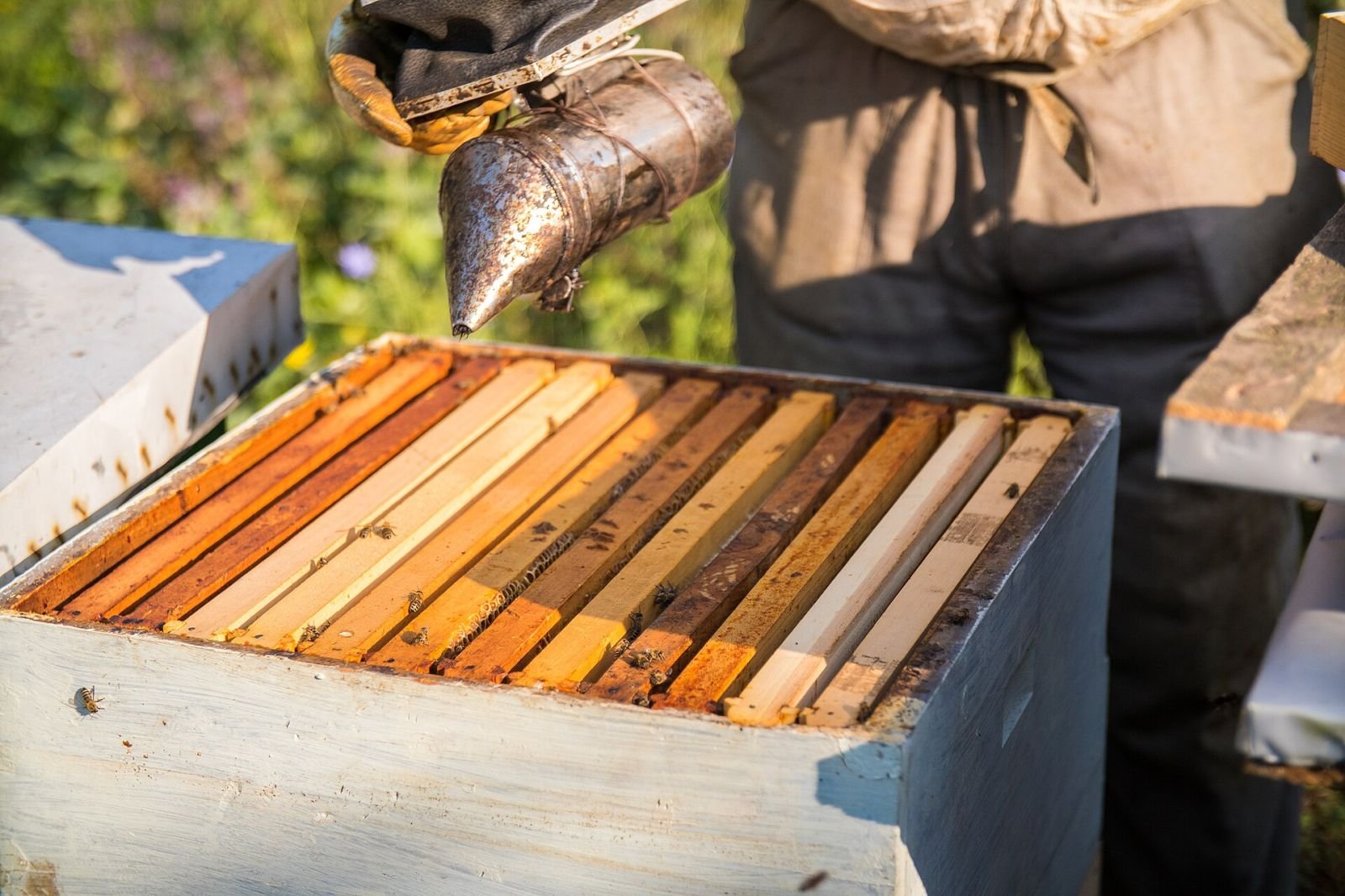
- NC State Extension names three items required to work a hive safely: a smoker, a hive tool and a veil. If a new beekeeper lacks one, that is your gift.
- Gloves, veils and suits need the person’s size. Boxes, frames, covers and feeders need their frame count and box depth. Find out first or pick something else.
- Queens raised in 2027 are marked yellow, so a yellow marking pen is a timely holiday gift.
- For someone who has not started yet, a course or club membership beats equipment. Spring bees are reserved months ahead; one South Carolina supplier lists 2027 nucs at $185 for April pickup.
Table of Contents
- Gift Ideas by Budget at a Glance
- Find Out These Three Things First
- Gifts for a New or Future Beekeeper
- Gifts for an Experienced Beekeeper
- Gifts for Kids Who Help With the Hives
- Gifts for Someone Who Loves Bees but Doesn’t Keep Them
- What Not to Buy a Beekeeper
- Frequently Asked Questions
Gift Ideas by Budget at a Glance
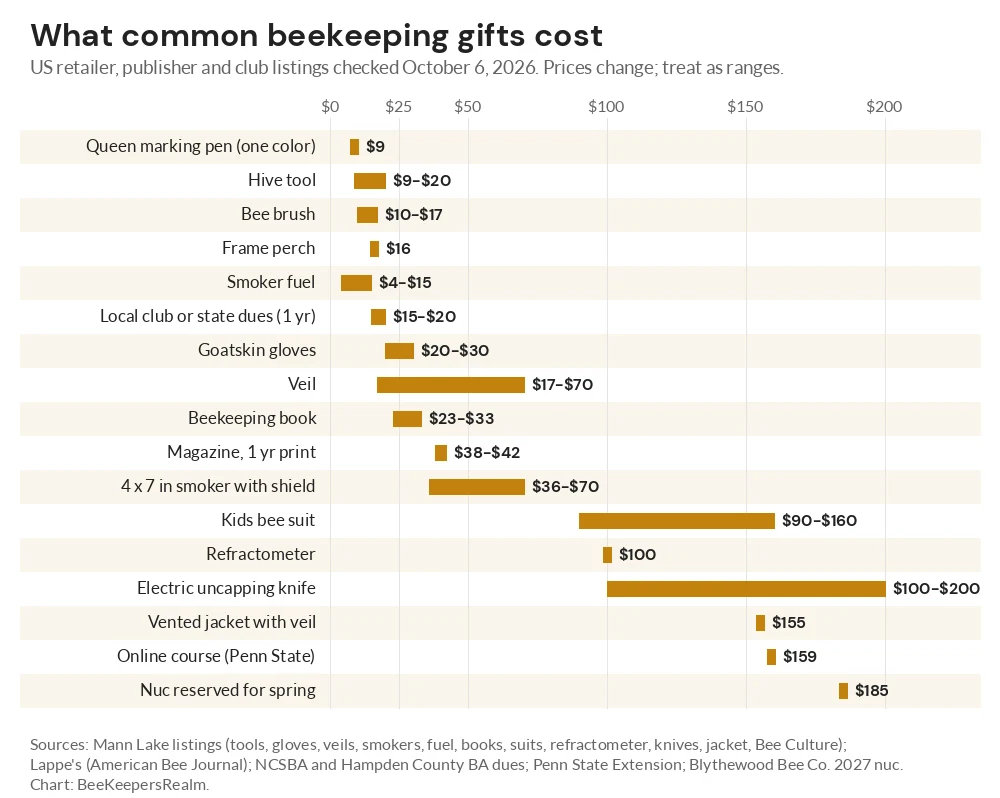
List prices on the day we checked, before shipping and tax, rounded to the dollar. Most come from Mann Lake’s catalog; the sources for each are in the chart below.
| Gift | Listed price | Need to know first? |
|---|---|---|
| Under $25 | ||
| Queen marking pen, one color | About $9 | Only the year |
| Hive tool | $9 to $20 | No |
| Bee brush | $10 to $17 | No |
| Stainless frame perch | $16 | No |
| Smoker fuel | $4 to $15 | No |
| Club or state association dues | $15 to $20 a year | Which club |
| $25 to $75 | ||
| Goatskin gloves | $20 to $30 | Glove size |
| Veil | $17 to $70 | Style they like |
| Beekeeping book | $23 to $33 | No |
| Magazine, one year in print | $38 to $42 | No |
| 4 x 7 in stainless smoker with heat shield | $36 to $70 | Whether they already own one |
| $75 and up | ||
| Child or junior bee suit with veil | $90 to $160 | Child’s size |
| Honey refractometer | About $100 | Whether they harvest honey |
| Electric uncapping knife | $100 to $200 | Whether they extract their own honey |
| Vented jacket with veil | About $155 | Size |
| Penn State Extension online course | $159 | No |
| Five-frame nuc reserved for spring | About $185 | Location, timing, their hive setup |
Find Out These Three Things First
Three facts settle almost every gift that has to fit.
- Their size. Gloves, jackets and suits are sized; Mann Lake sells its vented goatskin gloves from 3X Small to XX Large. Check the tag on the gloves they already use.
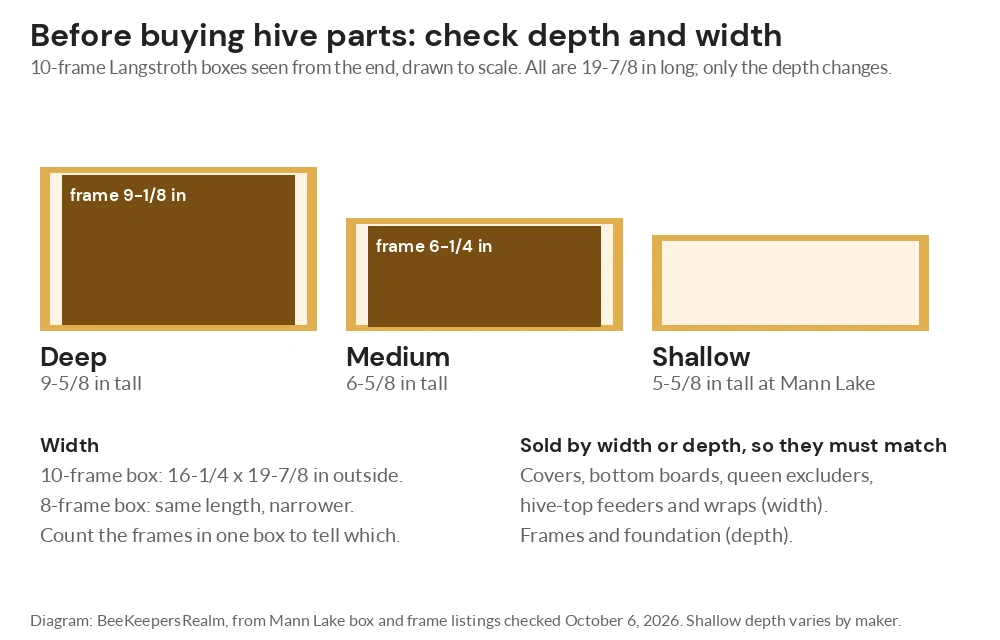
- Their frame count. Langstroth hives come in 10-frame and 8-frame widths. A 10-frame box is 16-1/4 by 19-7/8 inches outside; an 8-frame box is the same length but narrower. Covers, bottom boards, queen excluders, hive-top feeders and wraps are sold by width. Mann Lake’s Easy On winter wrap, for example, comes in separate versions, and the 8-frame one is “compatible with 8 frame equipment only.” Count the frames in one box in a photo of their hive.
- Their box depth. At Mann Lake a deep box is 9-5/8 inches tall and holds 9-1/8-inch frames; a medium is 6-5/8 inches with 6-1/4-inch frames. Shallow boxes vary by maker. Frames and foundation must match the depth, and a top-bar or Warré hive takes no Langstroth parts at all.
If you cannot find out without spoiling the surprise, stick to the gifts marked “No” in the table above, or give a gift card for the supplier they already order from.
Gifts for a New or Future Beekeeper
If they have not started yet
Buy knowledge and people before equipment. Someone without a chosen hive style cannot use boxes yet.
“Third, augment your reading by joining a local beekeeping club so that you’re not learning in a vacuum.”
- Club or state dues. The North Carolina State Beekeepers Association charges $15 a year for an individual, and the Hampden County Beekeepers Association in Massachusetts charges $20. Timing matters: NCSBA memberships bought on or after November 1 run for the next calendar year, so a December gift covers all of 2027.
- A winter bee school or online course. NC State Extension counts dozens of club “bee schools” in North Carolina each year, typically held in winter while the bees are quiet. One club, the Beekeepers of Wilkes County, folds a year of club and state membership into its course fee. If nothing local fits, Penn State Extension’s Beekeeping 101 is a self-paced online course of about nine hours with a certificate, listed at $159.
- One solid book. The Beekeeper’s Handbook by Diana Sammataro and Alphonse Avitabile (5th edition, Cornell University Press) lists at $29.99. Our guide to beekeeping books has more picks for each level.
- Bees, only if they have decided. Nucs are reserved over winter. Blythewood Bee Company lists 2027 five-frame nucs at $185, pickup only in South Carolina in April, built on deep frames, so the buyer also needs a deep box to put them in.
If they start in spring
“There are three items that are required to safely work a beehive: a smoker (to pacify the bees and reduce their defense response), a hive tool (to pry apart hive equipment and frames), and a veil (to protect the head and face).”
Most starter kits include a smoker and hive tool, but not all include protection. When we compared four kits in our beginner starter kit guide, two came with no veil and no gloves. That gap is the gift: a veil they choose (see our comparison of veil types) or gloves in their size. A vented jacket with an attached veil lists at about $155 and covers both head and arms.
If they have no smoker, a 4 x 7 inch stainless model with a heat shield is the standard size for a few hives; Mann Lake’s economy version lists at $35.99. Our bee smoker buying guide explains why the shield matters.
Gifts for an Experienced Beekeeper
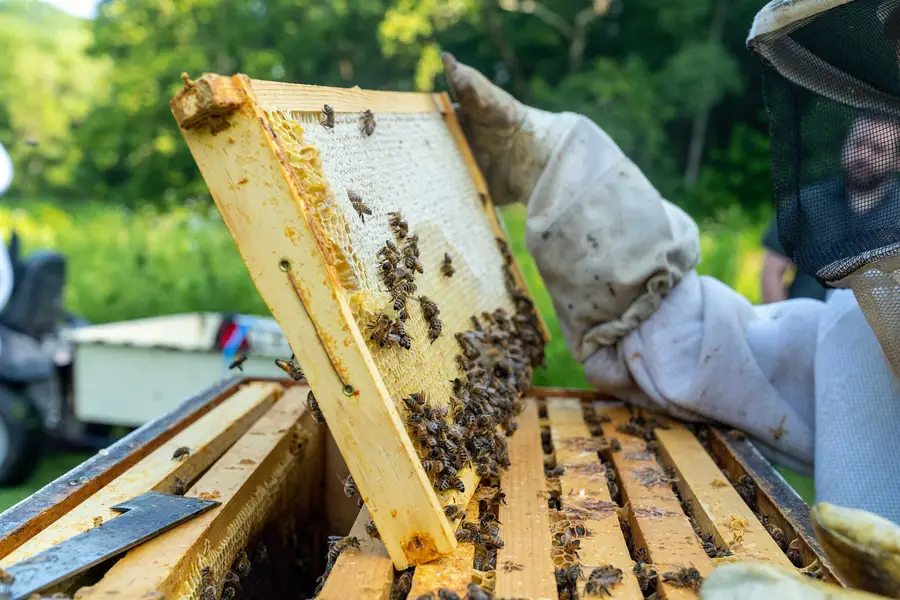
They own the basics. Aim for replacements and small upgrades they keep postponing.
Replace what wears out
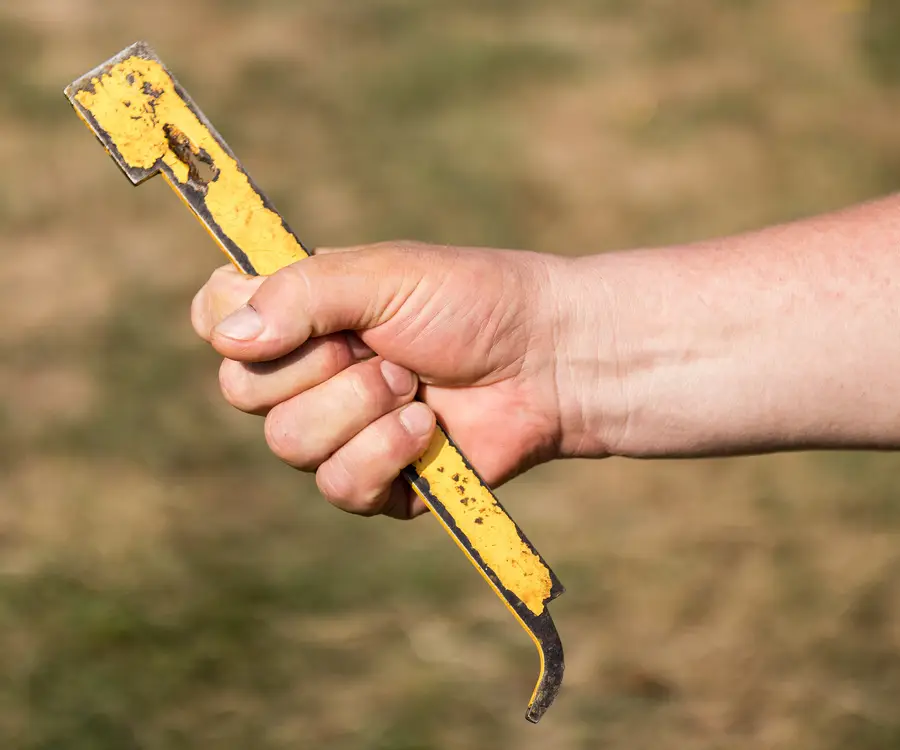
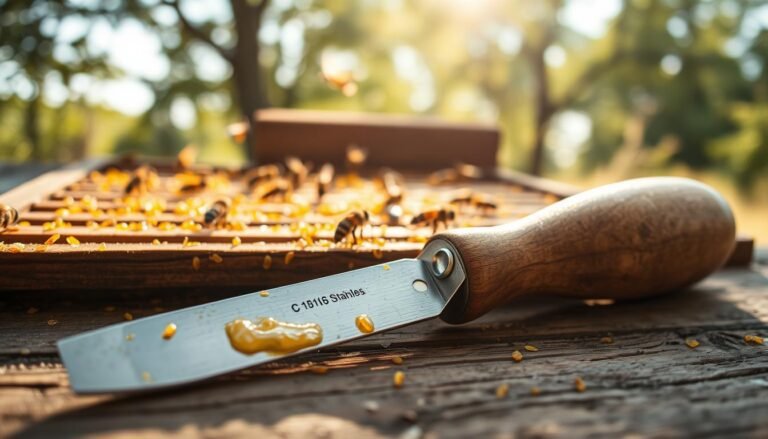
- Hive tools. They get bent, gummed with propolis and lost in the grass. Nobody minds owning a spare at $9 to $20.
- Gloves and veils. Fingertips split, mesh tears and elastic loosens. Gloves need their size; a veil needs their style.
- A bee brush. Mann Lake describes its $9.99 brush as having long, soft bristles that will not crush bees. A sticky old one does a worse job.
- Smoker parts and fuel. Bellows do break; Mann Lake sells a replacement bellows for 4 x 7 and 4 x 10 smokers at $19.99. Fuel runs $4 to $15; see our guide to the best smoker fuels.
Upgrades they keep putting off
- A frame perch. Mann Lake’s stainless perch, $15.99, hooks over the edge of the box and holds up to three frames during an inspection.
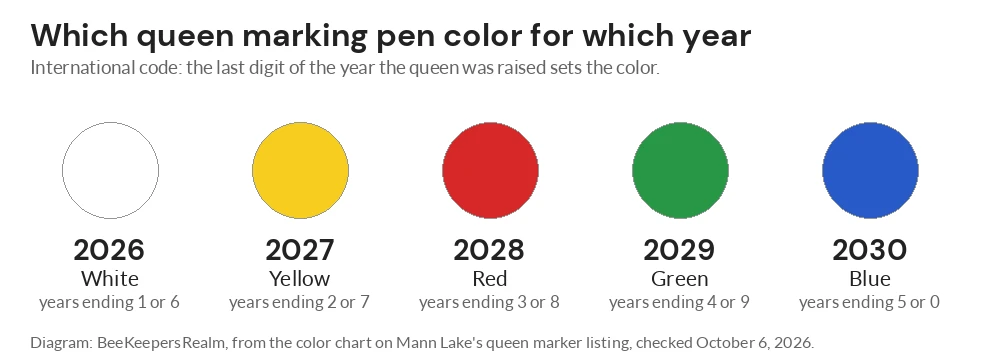
- A yellow queen marking pen. Marked queens are easier to find, and the color tells their age. Queens raised in 2027 get yellow under the international code shown on Mann Lake’s queen marker listing; one pen is $8.99. Our queen marking color chart runs to 2035.
- A refractometer. It measures honey moisture before bottling. Mann Lake’s model reads 12% to 27% and lists at $99.99; its listing gives 17% to 18% as ideal and 20% as the ceiling to avoid fermentation.
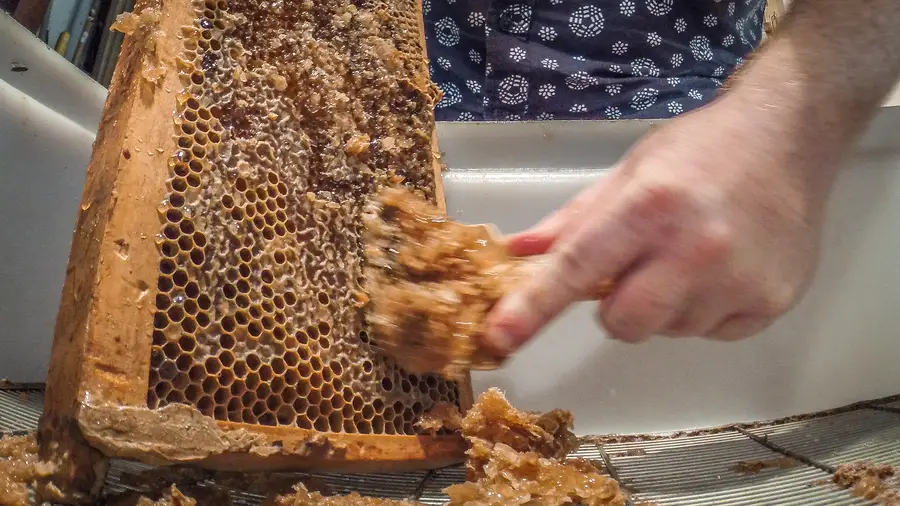
- An electric uncapping knife, only for someone who extracts their own honey. Mann Lake lists models from $99.95 to $199.99. Our uncapping knife guide compares heated and cold knives.
- A magazine subscription. American Bee Journal is $38 a year in print through Lappe’s Bee Supply, and Bee Culture is $42 a year through Mann Lake. Mann Lake warns that subscriptions take 4 to 6 weeks to process, so tuck a note in the card.
Gifts for Kids Who Help With the Hives
A real child’s suit with an attached veil is the gift that lets a child stand at the hive instead of behind the fence. Mann Lake lists a child suit (sizes 6 to 9) at $89.99, a junior suit (10 to 14) at $99.99 and its Child’s Honey Maker suit at $159.99; gloves are sold separately. Avoid costume suits, which look the part without the closures. Our kids’ bee suit buying guide covers sizing with room to grow.
Gifts for Someone Who Loves Bees but Doesn’t Keep Them
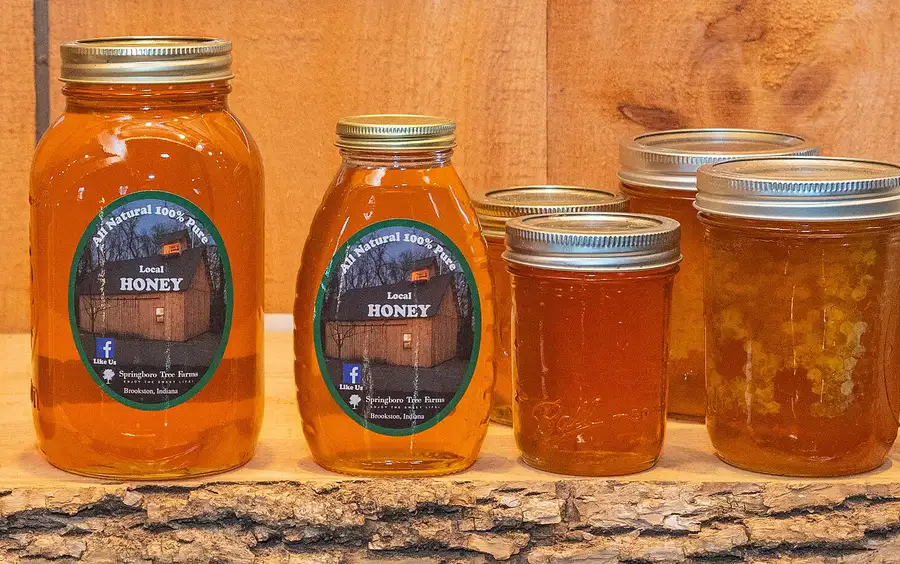
- Local honey and comb honey. Buy it straight from a beekeeper at a farm stand or market, which also supports the beekeepers near them.
- A beeswax candle kit you assemble. A 1-pound block of pure beeswax lists at $19.99 and a 4-pound melting pot at $29.99 at Mann Lake. Add a wick and a mold, or skip the mold and dip tapers.
- A native bee house, done right. Choose one with removable, replaceable tubes or trays. A house that cannot be cleaned builds up mites and fungus within a few seasons; see our mason bee house guide.
- A book about bees, not beekeeping. Thomas Seeley’s Honeybee Democracy (Princeton University Press) tells how a swarm chooses a new home.
What Not to Buy a Beekeeper
- Hive parts without the fit check. A 10-frame cover will not sit right on an 8-frame hive, and deep frames will not fit a medium box.
- Used equipment of unknown history. American foulbrood spores can survive in old boxes and frames for decades. Our used equipment quarantine checklist explains the risk.
- Mite treatments and medications. These are pesticides with label rules on timing and temperature, chosen from the beekeeper’s own mite counts.
- Live bees as a surprise. Bees need a site, equipment and a keeper who has said yes.
- Another bee-print mug. One is charming. Beekeepers tend to collect plenty.
“Once you become a beekeeper, it seems like every gift you receive is bee related.”
Frequently Asked Questions
What would be a good gift for a beekeeper?
Something they use up or lose: a spare hive tool, gloves in their size, a bee brush, smoker fuel or a queen marking pen in the coming year’s color.
What does every beekeeper need?
NC State Extension lists three essentials for working a hive safely: a smoker, a hive tool and a veil. Most beginners add gloves.
What should I get someone who loves bees but doesn’t keep them?
Local or comb honey, beeswax for candle making, a cleanable native bee house or a book about bees.
What are some unique bee-themed gifts?
A year of club membership, a yellow 2027 queen marking pen, a beekeeping magazine subscription or a reserved spring nuc for someone ready for bees.
Is a bee suit a good gift?
Only if you know their size. Otherwise pick an unsized gift from the table above, or a gift card.
What can I give a beekeeper for under $25?
A hive tool, bee brush, frame perch, smoker fuel, queen marking pen or a year of club dues.
Should I give a beekeeper bees?
Only if they asked. Nucs are reserved months ahead and must suit their hive and their pickup location.
The Bottom Line
When in doubt, give something that wears out or a year of club dues. If you want to buy hive parts, check their frame count and box depth first.

.jpg)
.jpg)
.jpg)
.jpg)