A handful of real federal programs will help pay for beekeeping equipment or land improvements that support bees, but none of them hand a hobbyist a check to buy a starter hive kit outright — the money is either cost-share for habitat-related work, a loan you still repay, or funding aimed at commercial-scale or research-linked operations. Knowing which category a program actually falls into before you apply saves weeks of chasing paperwork for something that was never going to fund a $500 starter kit in the first place.
Key Takeaways
- The USDA’s Environmental Quality Incentives Program (EQIP), run by the Natural Resources Conservation Service, cost-shares pollinator habitat work and can cover materials, equipment, and installation tied to an approved conservation plan — it is not a general-purpose “buy a hive” grant.
- USDA Farm Service Agency microloans offer up to $50,000 for operating expenses and up to $50,000 for farm ownership through a simplified application built for new and small operations, including many beginning beekeepers who register as a farm business.
- NRCS reserves a specific portion of EQIP funding in every state for beginning farmers and ranchers, which can include a first-time commercial beekeeper who meets the definition.
- Sustainable Agriculture Research and Education (SARE) grants fund on-farm research and demonstration projects, not routine equipment purchases — a beekeeping-related SARE grant needs a genuine research or education angle, not just “I want an extractor.”
- The single most realistic source of low-cost equipment for a first-year hobbyist is usually not a federal program at all, but a local beekeeping association’s loaner equipment, mentorship, or used-equipment network.
Table of Contents
- EQIP: Habitat Money, Not a Hive Voucher
- FSA Microloans: Real Money, But It’s a Loan
- The Beginning Farmer Set-Aside
- SARE Grants: Research and Education, Not Retail
- What Actually Pays for a First Hive, Realistically
- Frequently Asked Questions
EQIP: Habitat Money, Not a Hive Voucher
The USDA’s Environmental Quality Incentives Program, administered by the Natural Resources Conservation Service (NRCS), is the program beekeepers most often hear about when someone says “the government will pay for your bees.” That’s an oversimplification of what EQIP actually does. EQIP provides financial and technical assistance to agricultural producers to address a natural resource concern on their land, and pollinator habitat is one of the resource concerns NRCS explicitly funds through targeted conservation practices. Payments under an approved EQIP contract can cover planning, design, materials, equipment, installation, labor, management, maintenance, and training tied to that specific conservation practice — for example, establishing a pollinator forage planting, improving nesting habitat, or reducing pesticide drift onto an apiary site.
What EQIP will not do is write you a check because you own bees. You apply through your local NRCS field office with a defined conservation practice in mind, NRCS ranks applications against other producers’ in your state, and the cost-share only kicks in once a contract is signed and the approved work is actually completed and verified. It is a genuinely useful program for someone establishing new pollinator forage or making land-management changes that happen to benefit an apiary, and considerably less useful for someone who just wants help buying a smoker and a suit.
FSA Microloans: Real Money, But It’s a Loan
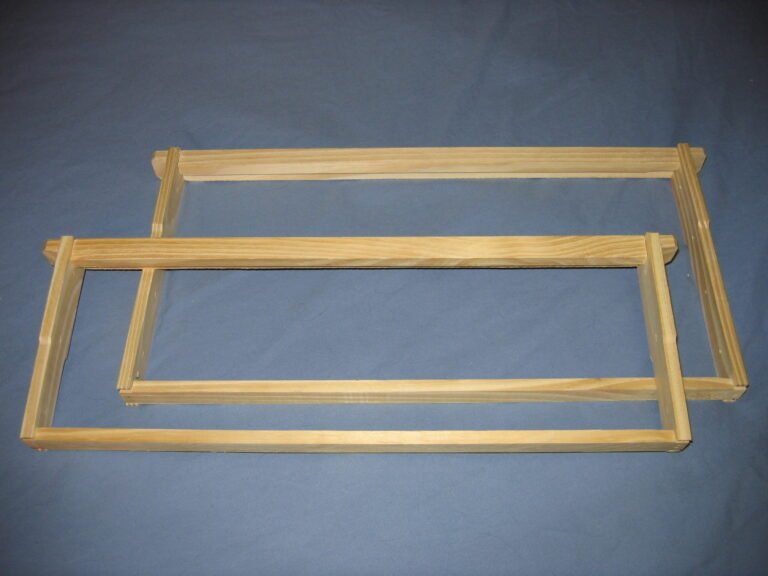
The USDA Farm Service Agency (FSA) runs a microloan program built specifically for new, small, and non-traditional farm operations — a category many first-time commercial or semi-commercial beekeepers fall into once they register a farm business. FSA microloans offer up to $50,000 for operating expenses (which can include equipment like hive bodies, frames, an extractor, or protective gear) and a separate track for up to $50,000 in farm ownership financing, both through a streamlined application process designed to be less burdensome than FSA’s standard farm loan paperwork.
The important distinction from EQIP: a microloan is debt, not a grant. You’re borrowing money at an interest rate set by FSA and repaying it on a schedule, the same as any other farm operating loan — the benefit is access and a simplified process for an operation too small to interest most commercial agricultural lenders, not free money. For someone planning to scale from two hives to twenty and needs equipment capital they don’t want to put on a credit card, it’s a legitimate option. For someone who wants two backyard hives as a hobby, it’s usually more paperwork than the equipment cost justifies.
The Beginning Farmer Set-Aside
Within EQIP, NRCS reserves a specific portion of each state’s annual funding for beginning farmers and ranchers, a designation with its own federal definition (generally someone who has operated a farm for fewer than ten years). This set-aside is meant to keep first-time producers from getting outcompeted for funding by long-established operations with a longer conservation track record. A first-year commercial or semi-commercial beekeeper establishing forage plantings or making other qualifying land-management changes may be able to apply against this set-aside specifically, which can mean a real, if modest, improvement in the odds of approval compared with applying in the general pool — worth asking your local NRCS office about directly rather than assuming eligibility.
SARE Grants: Research and Education, Not Retail
Sustainable Agriculture Research and Education (SARE) is a USDA-funded competitive grant program, and its Farmer/Rancher grant track has funded genuine beekeeping-related projects in the past — but the operative word is “research.” SARE funds a defined on-farm research, demonstration, or education project with a hypothesis, a method, and an intended outcome to share with other producers, not a routine equipment purchase framed as a project after the fact. A proposal built around testing a specific overwintering method, comparing forage outcomes, or developing an extension-worthy educational resource has a real shot; a proposal that’s really just “I would like an extractor” does not, no matter how it’s worded. If you have a genuine on-farm question you’d want to test systematically and report back on, SARE is worth the application. If you just need gear, it’s the wrong program and will waste your time.
What Actually Pays for a First Hive, Realistically
For the large majority of new beekeepers — people starting with one to three backyard hives, not building a commercial operation — none of the federal programs above are the realistic path to cheaper equipment. The two things that actually move the needle are a local beekeeping association’s loaner equipment or mentorship program (many clubs maintain a shared extractor, uncapping tools, or even loaner suits for members who don’t want to buy everything before their first season) and the secondhand market, where retiring beekeepers sell complete setups for well under new retail price. This site’s own breakdown of the cheapest realistic way to start beekeeping covers what a genuinely minimal first-year setup costs and where those savings actually come from. If your beekeeping does become a real side business, it’s also worth reading how the IRS treats it before you assume every purchase is deductible — see this site’s guide to hobby versus business tax rules for beekeeping, since that status affects far more of your equipment costs, long-term, than any single grant program will.
Frequently Asked Questions
Is there a federal grant that pays for a beekeeping starter kit?
No direct program exists specifically to buy a hobbyist starter kit. EQIP funds habitat-related conservation practices that can include equipment tied to that practice; it isn’t a general equipment voucher.
What’s the easiest USDA program for a beginning beekeeper to actually qualify for?
FSA microloans have the simplest application built for new, small operations, but they are loans that must be repaid, not grants. EQIP’s beginning farmer set-aside is worth asking a local NRCS office about if you’re doing qualifying habitat work.
Can a SARE grant pay for basic beekeeping equipment?
Only as part of a genuine on-farm research, demonstration, or education project with a defined method and outcome — not as a stand-alone equipment purchase.
Do local beekeeping clubs really lend out equipment?
Many do, particularly extractors and uncapping equipment that are expensive relative to how often a hobbyist with one or two hives actually needs them; contacting a local association before buying is worth doing regardless of federal program eligibility.
Does registering as a farm business for FSA purposes affect my taxes?
It can, since it moves your beekeeping toward business rather than hobby classification for IRS purposes; see this site’s dedicated guide to hobby-versus-business rules before assuming a straightforward answer.
For more background on this, see Oklahoma State University Extension.