Last Updated September 15, 2026
Most “bee-friendly” or “pollinator” wildflower seed mixes sold online and in garden centers never disclose their actual seed list clearly enough for a buyer to check it, and a real, documented problem exists behind that vagueness: some commercial mixes include non-native or regionally invasive species mixed in as cheap filler alongside the genuinely beneficial natives the packaging advertises. Checking a mix before you buy takes about two minutes and prevents you from planting something that actively works against the pollinators you’re trying to help. That’s especially worth getting right when the seed is going into a dedicated planting like a field-edge or fence-line meadow rather than a few garden beds — see this guide to the benefits of planting wildflower strips for how to plan one that actually supports local bees.
Key Takeaways
- A trustworthy wildflower seed mix lists every species by common and scientific (Latin binomial) name on the packaging or product page — a mix that only says “wildflower blend” or “pollinator mix” with no species list is a genuine red flag, not just an inconvenience.
- “Bee-friendly” and “pollinator” are marketing terms with no legal definition or certification standard behind them in the US, so the label itself guarantees nothing about what’s actually in the packet.
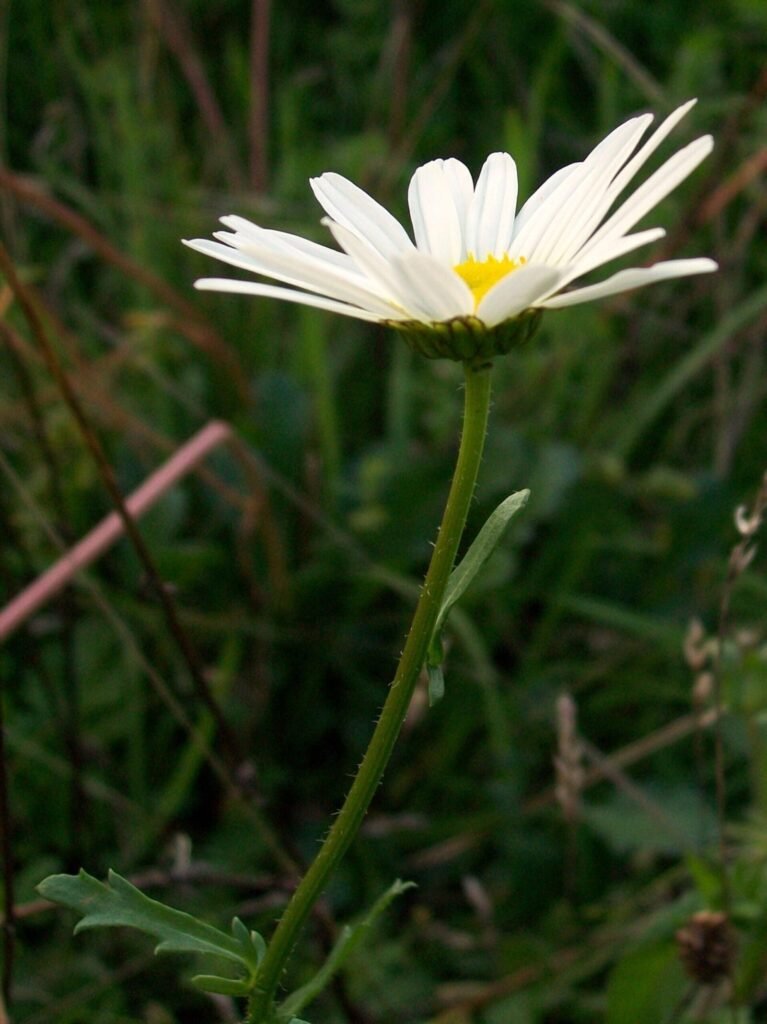
- Regional mixes matter because a species that’s a beneficial native in one part of the country can be a listed invasive species in another — ox-eye daisy and butterfly bush are common examples that show up in generic “wildflower mixes” while being restricted or discouraged in various U.S. states and Canadian provinces.
- Reputable seed suppliers explicitly state their mixes are free of fillers, weed seeds, and dead or non-viable seed included just to pad the bulk weight — a detail worth specifically checking for, since it’s not something disreputable sellers volunteer.
- A regionally appropriate native-only mix, even a smaller and slightly more expensive one, generally does more for local bees and pollinators than a larger, cheaper generic mix with unclear origins.
Table of Contents
- The Real Problem With “Bee-Friendly” Labels
- Check for a Real Species List
- Watch for Regionally Invasive Filler Species
- Filler Seed and Bulk-Weight Padding
- What to Actually Buy Instead
- Common Problem Species Found in Generic Mixes
- Frequently Asked Questions
The Real Problem With “Bee-Friendly” Labels
“Bee-friendly,” “pollinator mix,” and “wildflower blend” are marketing phrases, not regulated or certified claims — no U.S. agency verifies that a bag labeled this way actually contains species that meaningfully support bees, let alone species appropriate for the buyer’s own region. That gap between the label’s implied promise and what’s legally required to put on it is exactly what lets low-quality or poorly sourced mixes use the same feel-good language as genuinely well-designed native mixes. It doesn’t mean every bee-friendly mix is bad — plenty are exactly what they claim to be — but it does mean the label alone tells you nothing, and the actual contents list is the only thing worth trusting.
Check for a Real Species List
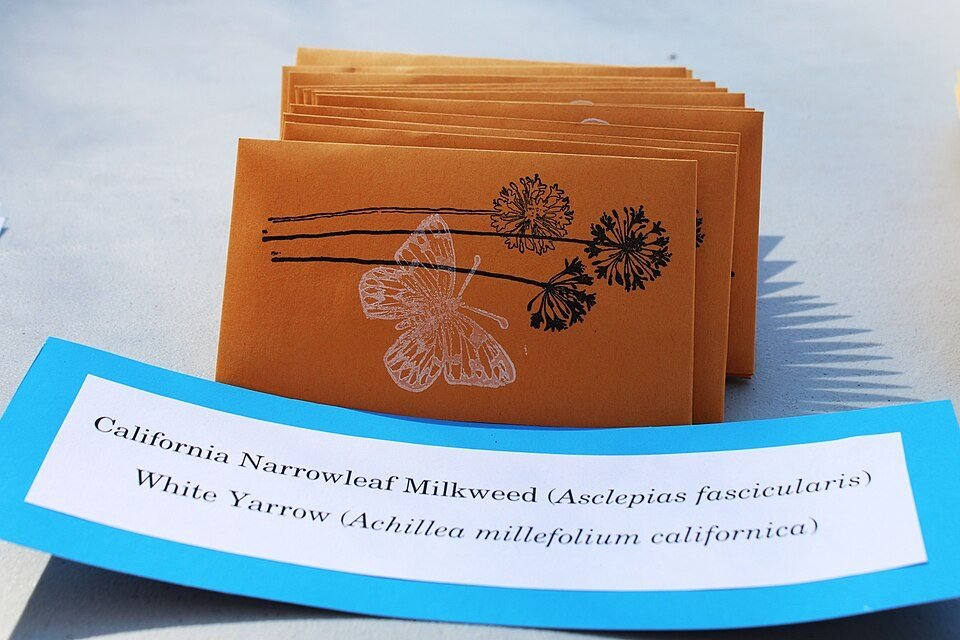
A trustworthy seed mix will tell you exactly what’s in the bag: every species included, ideally by both common name and scientific (Latin binomial) name, since common names vary regionally and can refer to different plants in different places. If a product listing or seed packet only says something like “pollinator wildflower blend” with a photo of a flowering meadow and no actual species breakdown, that’s a genuine warning sign rather than a minor omission — a seller confident in their sourcing has no reason to hide what’s actually in the mix. This matters more than it might seem: this site’s own coverage of what actually attracts bees, including its look at whether specific plants like lavender genuinely attract bees, only works as a buying reference if you can actually confirm which species are in the bag you’re holding.
Watch for Regionally Invasive Filler Species
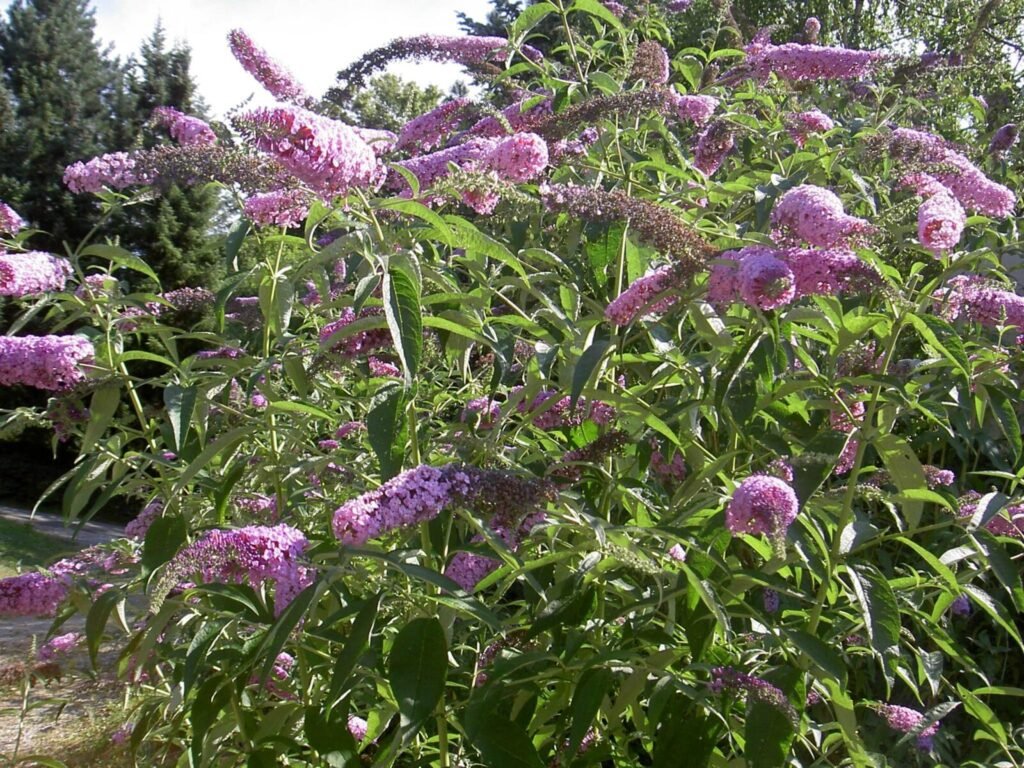
The most serious version of the labeling problem isn’t just vagueness — it’s a mix containing a species that’s genuinely invasive or restricted in the buyer’s specific region, sold nationally under one generic blend with no regional variation. Ox-eye daisy and butterfly bush are two commonly cited examples: both show up in a wide range of generic “wildflower” and “pollinator” mixes sold across the U.S., and both are listed as invasive or noxious in various individual states and Canadian provinces even though they aren’t uniformly restricted everywhere. A mix genuinely designed with regional ecology in mind will either specify which region it’s intended for or use a supplier that sells separate, regionally distinct blends rather than one nationwide bag — a real, checkable difference between a company that’s thought about this and one that hasn’t.
A 2024 peer-reviewed survey of 36 commercial “pollinator-friendly” wildflower seed mixes sold in Italy found that most (about 83%) contained at least one species alien to the region, and three mixes included species classified as genuinely invasive there — a European data point, not a US one, but a useful sign that the labeling gap described above isn’t unique to any one country’s seed market. The full study is open-access for anyone who wants to see the methodology.
Common Problem Species Found in Generic Mixes
| Species | Often Marketed As | Regulatory Status (example) |
|---|---|---|
| Ox-eye daisy (Leucanthemum vulgare) | Classic “wildflower meadow” filler | Class C noxious weed in Washington State; quarantined for sale |
| Butterfly bush (Buddleja davidii) | “Pollinator magnet” shrub | Class B noxious weed in Washington State since 2005; regulated in Oregon |
Sources: Washington State Noxious Weed Control Board (oxeye daisy) and Washington State Noxious Weed Control Board (butterfly bush). Status varies by state — always check your own state’s noxious weed list, since a restricted species in one region can be unregulated in another.
Filler Seed and Bulk-Weight Padding
A separate, more mundane quality issue is filler: some low-cost bulk seed is sold by weight padded out with dead seed, non-viable seed, inert material, or cheap non-native annuals that germinate fast and look impressive the first season but crowd out the slower-establishing native perennials the mix was supposedly built around. Reputable seed suppliers explicitly state their product is free of fillers, weed seed, and dead material — a specific claim worth looking for on the product page rather than assuming, since it’s exactly the kind of detail a lower-quality seller has no incentive to volunteer. A mix that’s unusually cheap per square foot of coverage relative to competitors selling clearly labeled, filler-free native blends is worth being skeptical of rather than treating as simply a good deal.
What to Actually Buy Instead
The practical fix is straightforward even if it takes slightly more effort than grabbing the first bag with a bee graphic on it: look for a supplier that lists species by name, explicitly states the mix is regionally appropriate (ideally sold as a region-specific blend rather than one nationwide product), and discloses that the seed is filler-free. A smaller, slightly pricier bag that actually matches your region’s native pollinator plants will generally do more real good than a larger, cheaper bag of unclear or non-native origin — the same “smaller but genuinely correct” principle that applies broadly across this site’s coverage of pollinator gardening, including in its guide to companion planting for pollinators that actually works. Checking a species list before buying costs a couple of minutes; planting something regionally invasive because a bag said “pollinator-friendly” can take years to undo.
Frequently Asked Questions
Are “bee-friendly” wildflower seed mixes regulated or certified?
No — in the U.S., “bee-friendly” and “pollinator mix” are marketing terms with no legal definition or third-party certification behind them, so the label alone doesn’t guarantee anything about the actual contents.
What should I check before buying a wildflower seed mix?
Look for a full species list by common and scientific name, confirmation the mix is regionally appropriate (or a region-specific product rather than one nationwide blend), and an explicit statement that the seed is free of fillers and dead or non-viable seed.
Can a wildflower mix actually contain invasive species?
Yes. Species like ox-eye daisy and butterfly bush commonly appear in generic national wildflower mixes despite being listed as invasive or restricted in various individual U.S. states and Canadian provinces.
Is a bigger, cheaper seed mix better value?
Not necessarily — a larger bag padded with filler or non-native fast-germinating annuals generally does less for local pollinators than a smaller, correctly sourced, regionally native mix, even at a higher price per bag.
Why does it matter if a mix isn’t regionally specific?
A species that’s a genuinely beneficial native pollinator plant in one region can be a listed invasive elsewhere, so a single nationwide mix can’t be simultaneously appropriate for every buyer’s location.
For additional context, see Pollinator Partnership.