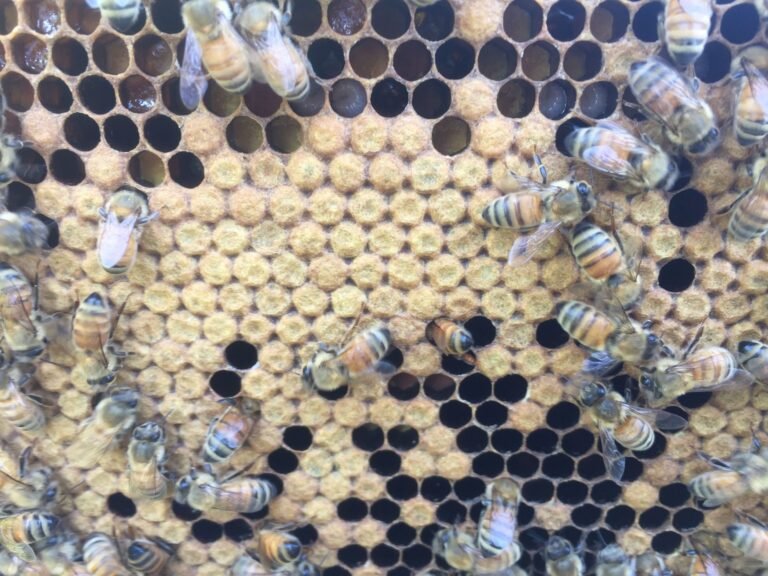
How to Inspect Brood for Disease Without Missing Eggs
Check for eggs first with the light behind you, then shake the frame and read open and capped brood separately. A one-pass brood and disease inspection method.

Most brood problems look alike from three feet away: a patchy pattern, some sunken cappings, a few dead larvae. What they mean depends on details that take a minute to check. A spotty pattern with multiple eggs per cell or drone brood in worker cells is a queen problem, not a disease. Sunken, perforated cappings over discolored larvae point toward a brood disease, though hygienic bees also open cappings to pull out mite-damaged pupae, so check underneath first.
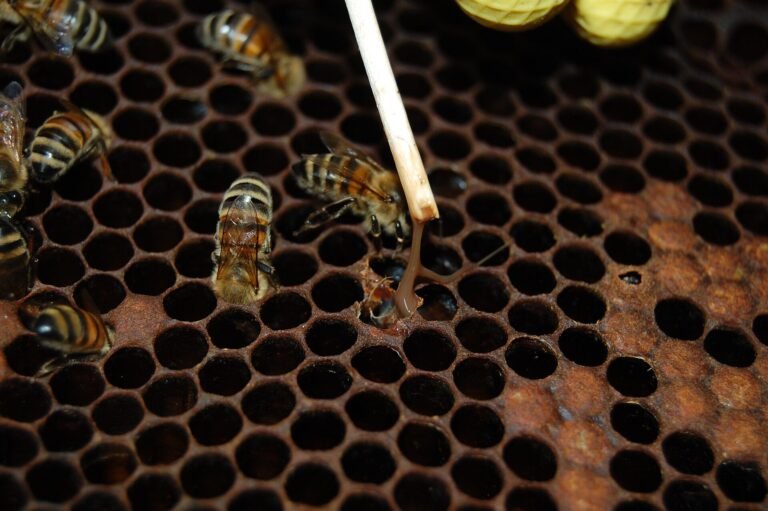
Smell and texture separate the foulbroods: European foulbrood gives a sour smell and twisted, yellowed larvae that die before capping, while American foulbrood smells foul and a matchstick pushed into a dead cell draws out a brown rope. Dead larvae in uncapped cells at the nest edge after a cold snap are more often chilled brood than infection. The adult-bee cases get the same treatment: trembling, hairless black bees may mean chronic bee paralysis virus or a pesticide hit, and dysentery on the hive front does not by itself confirm nosema.
When field signs will not settle it, the section covers lab testing and when to call an apiary inspector. Quarantine anything suspect first; a diagnosis can wait a week, spread cannot.
Start here:
Check for eggs first with the light behind you, then shake the frame and read open and capped brood separately. A one-pass brood and disease inspection method.
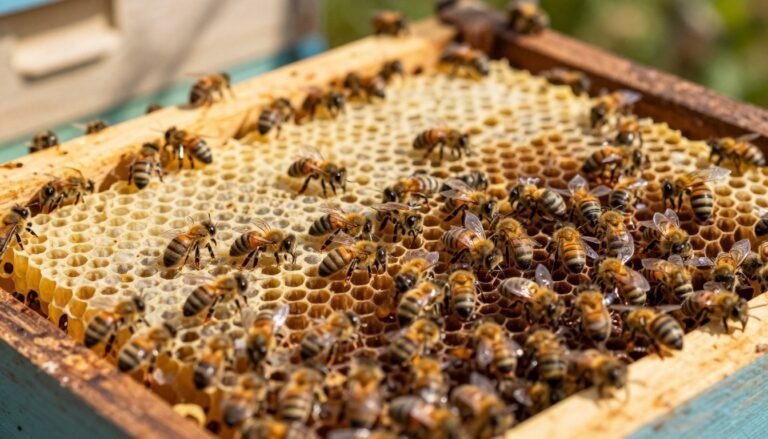
Patchy brood after a queen change is usually normal for about 3 weeks. Why it happens, what ND-MN research says about colony vs queen, and when it means trouble.
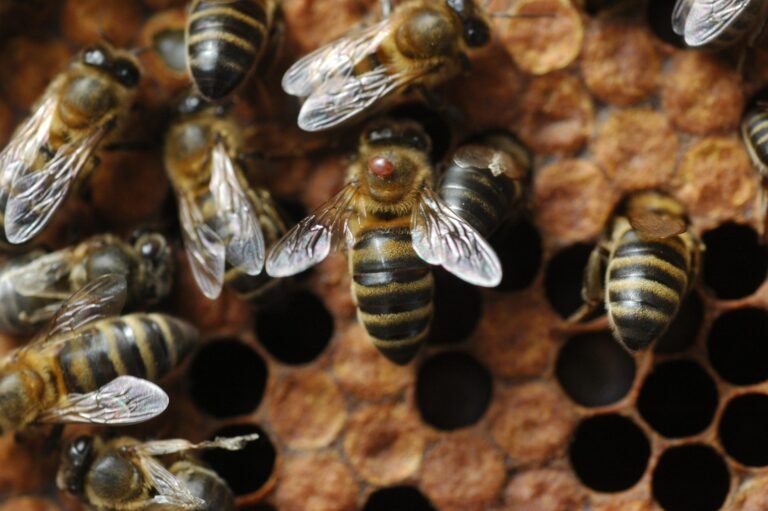
Most disease crosses between apiaries on comb, honey, used gear and robbing. Four research-backed rules to keep foulbrood and mites out of your other yards.
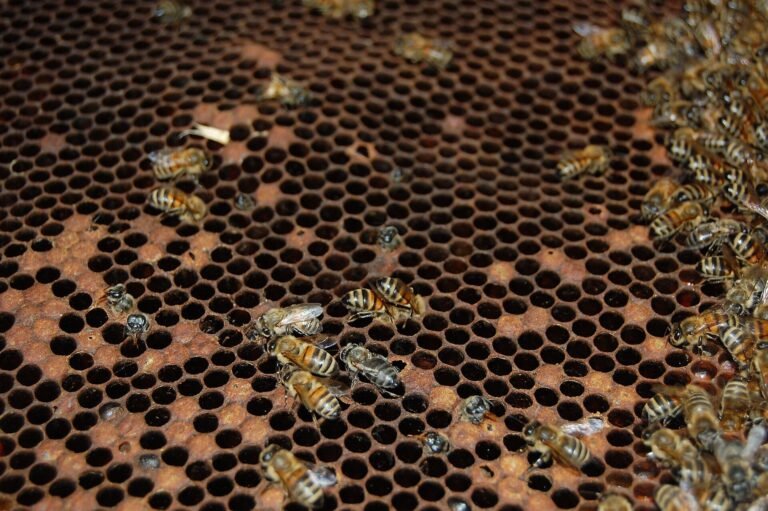
Identify and manage brood diseases using our guide. Explore brood disease photos and field signs to improve your beekeeping skills and ensure a healthy colony.
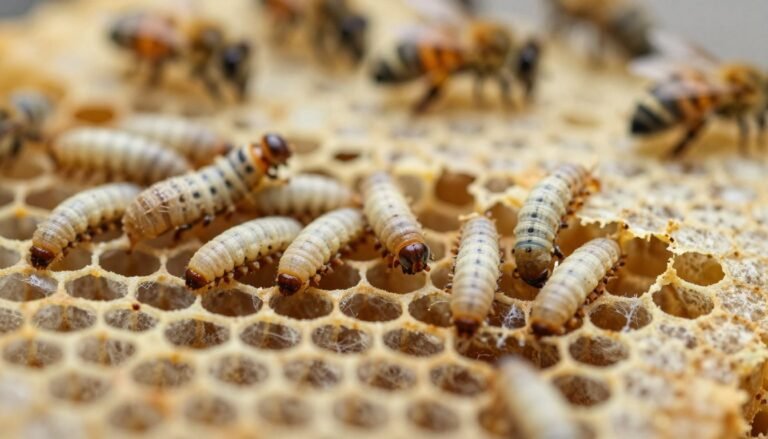
Learn how to recognize wax moth damage vs disease in bee colonies with our expert guide. Discover the signs and solutions for a healthy hive.
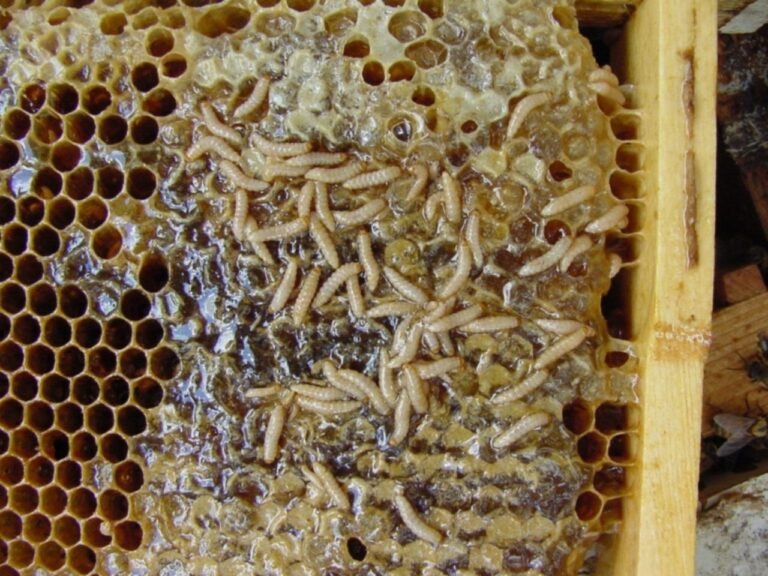
Discover the reasons behind slimy brood in beehives. Learn what causes slimy brood in a hive and find effective solutions to this common beekeeping issue.
Which lab tests which honey bee disease, what USDA's free Beltsville service does and doesn't cover, and how to read Nosema, mite and virus results in 2026.
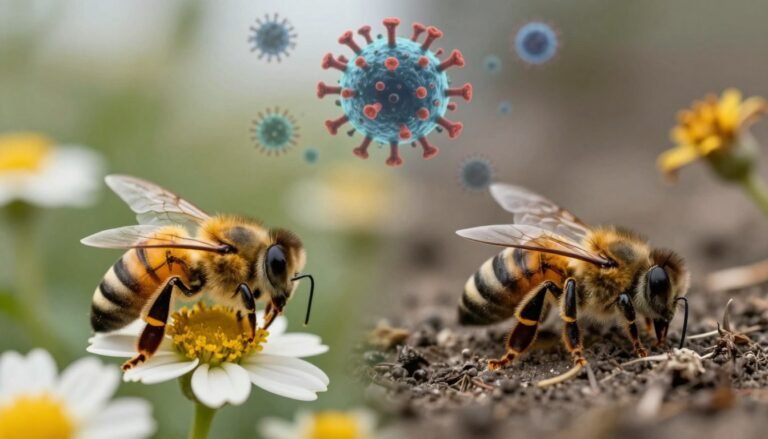
Discover the key differences between chronic bee paralysis virus vs pesticide poisoning, and their impact on bee colonies in the past.
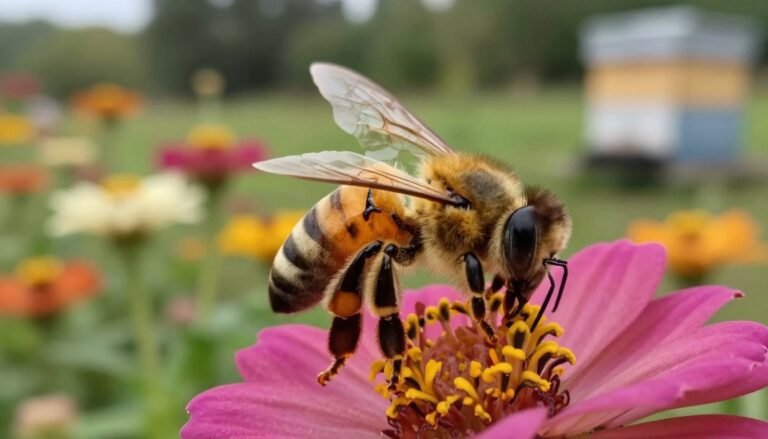
Trembling, black, hairless bees usually mean chronic bee paralysis virus. Learn the signs, how to rule out pesticides and nosema, and what helps the colony.
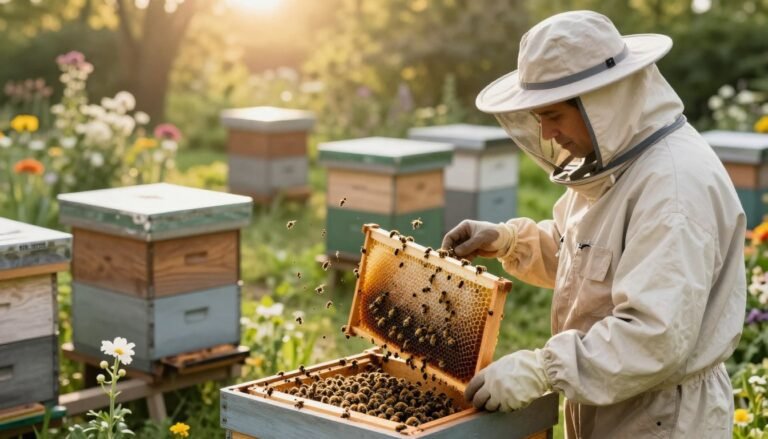
Learn how to monitor weak colonies for disease with our expert tips and strategies for beekeepers. Discover the best practices to keep your bees healthy.
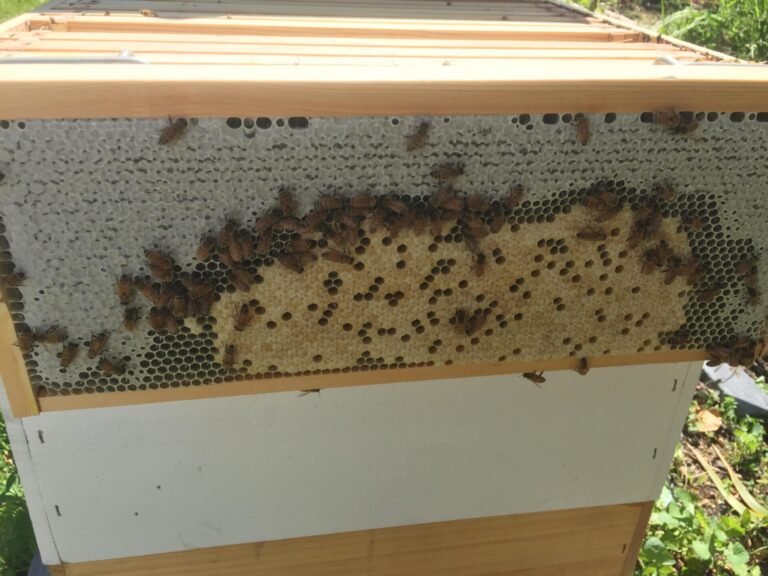
Brood vanishing in a nectar dearth? Workers eat eggs and young larvae to ration food. How to tell it from a failing queen or disease, and the 7-day recheck.
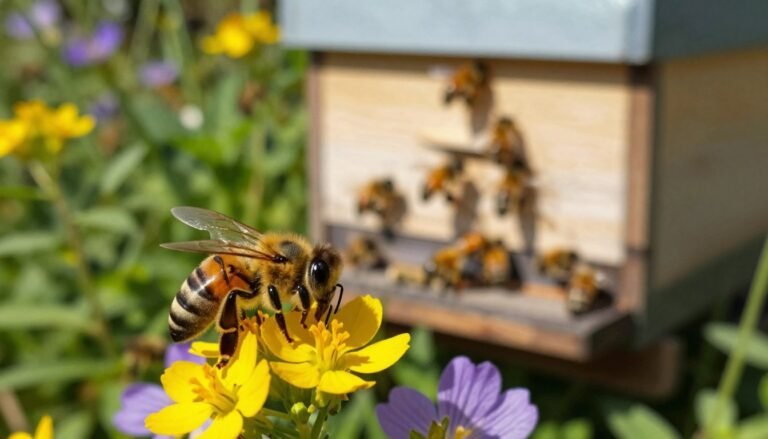
Discover the underlying black shiny bees syndrome causes and understand its impact on bee colonies in the present day.
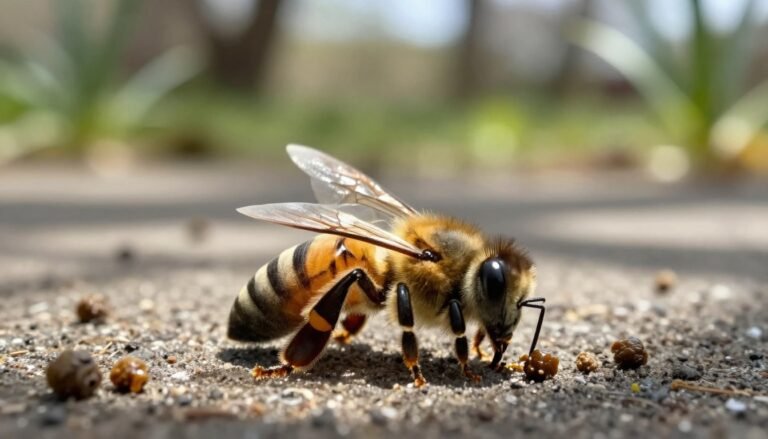
Get expert advice on dealing with bee dysentery after winter cleansing flights. Our comprehensive guide covers diagnosis, treatment, and prevention techniques.
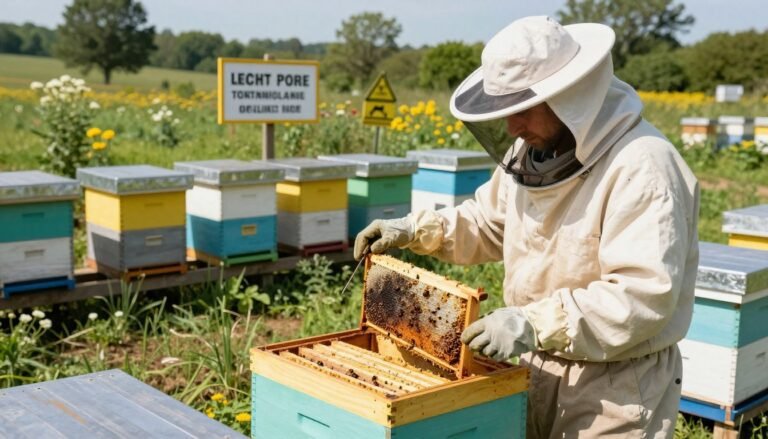
Discover the essential steps on how to quarantine a suspect diseased hive and safeguard your apiary against disease outbreaks.
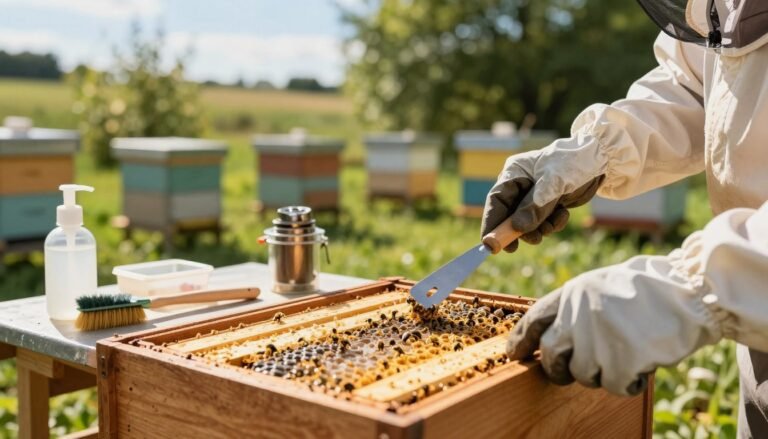
Find out can you reuse equipment after chalkbrood. Our guide provides tips and best practices for safe equipment reuse and beekeeping hygiene.
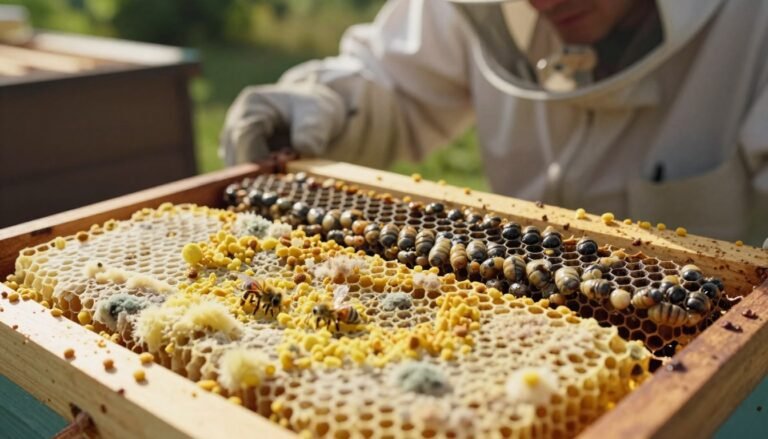
Confused about moldy pollen vs diseased brood? Our guide provides clear insights and practical advice for beekeepers.
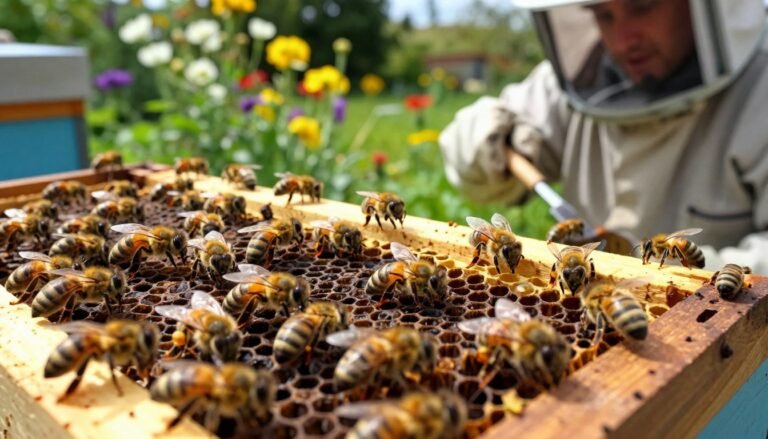
Identify disease signs after installing package bees and take prompt action. Our how-to guide provides essential tips for beekeepers to ensure colony health.
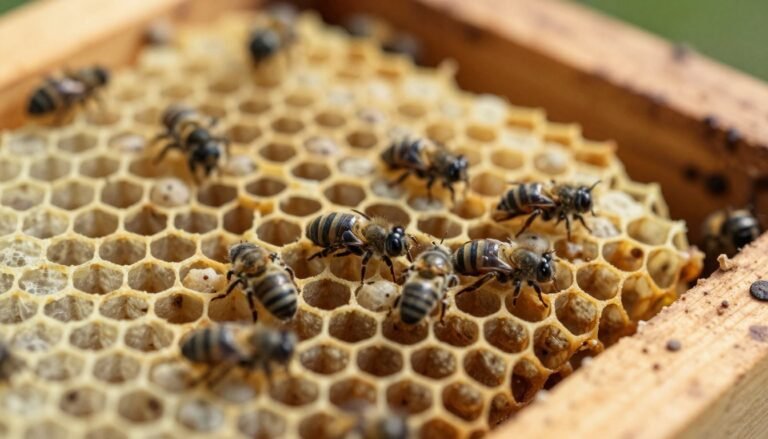
Sick drone brood usually means Varroa in capped drone cells, chalkbrood at the nest edge, or a failing queen. Learn the signs of each and a quick drone check.
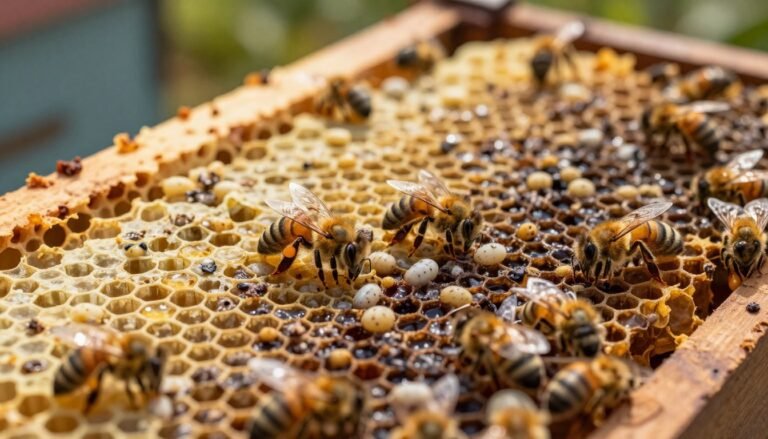
Find out can you save a hive with European foulbrood by following expert advice on diagnosis, treatment, and prevention of this serious bee disease.
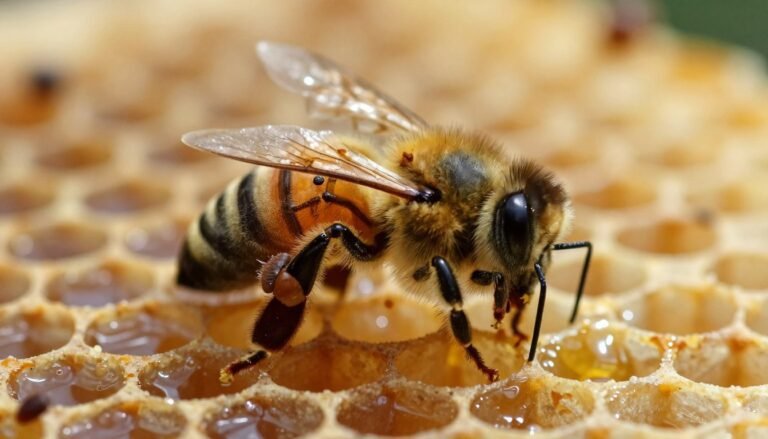
Explore the impact of varroa damage and subsequent secondary infections after varroa damage on bee health, based on past research findings and data analysis.
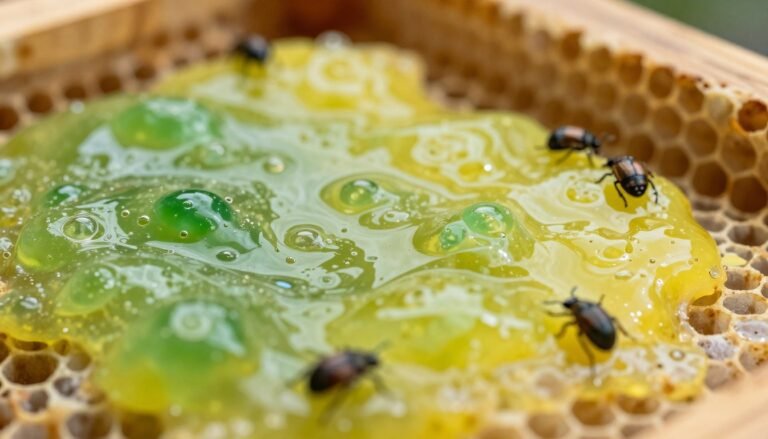
Small hive beetle slime is wet, frothy, weeping honey that smells like rotting oranges. Learn to confirm it, what to salvage, and how to prevent a slime-out.
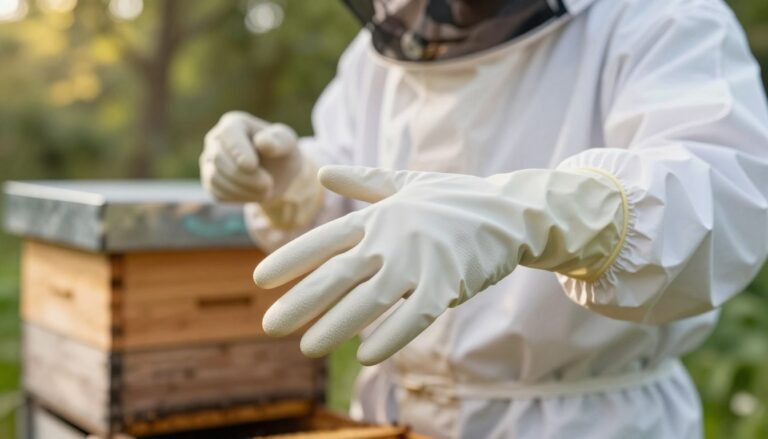
Learn how to sanitize gloves between hive inspections effectively with our step-by-step guide. Keep your beehives safe and healthy.
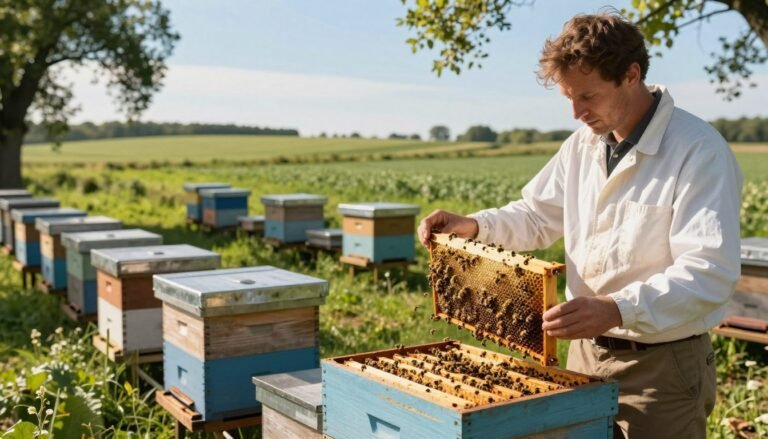
Learn when to call an apiary inspector for beekeeping issues. Discover the signs that indicate you need professional help with your beehives.
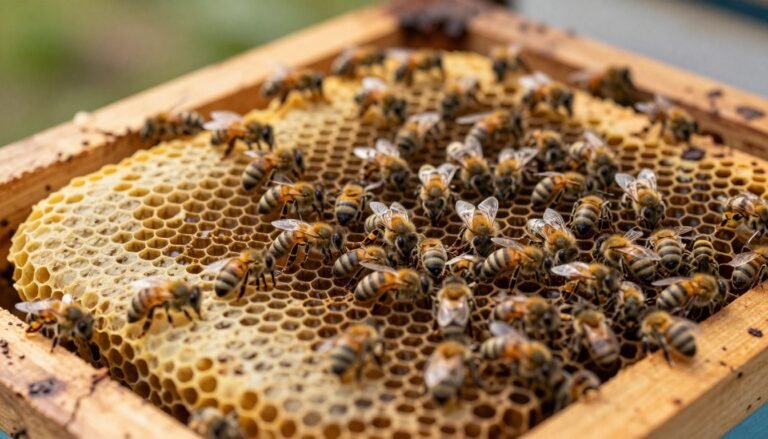
Understand the reasons behind the shotgun brood pattern in honey bee colonies and find practical solutions with our step-by-step guide on shotgun brood pattern causes.

Learn about the pros and cons of bleach vs flame sterilization for hive tools and choose the most effective method for your beekeeping needs