Table of Contents
- What Tylan Is and What It Treats
- Prescription Requirements and Legal Status
- How Tylosin Works Against AFB
- Dosing and Application Methods
- When Antibiotics Help — and When They Don’t
- Tylan vs. Terramycin: Choosing Between the Two
- Antibiotic Resistance: A Real, Documented Concern
- Honey Contamination and Withdrawal Periods
- What Antibiotics Can’t Fix
- Finding a Veterinarian Willing to Prescribe for Bees
- What Happens After a Course of Treatment
- Confirming a Real AFB Diagnosis Before Treating
- Reporting Requirements
- Reducing Future AFB Risk Alongside Treatment
- Considerations for Commercial and Migratory Operations
- Storing and Handling Tylan Safely
- Common Mistakes
What Tylan Is and What It Treats
Tylan (tylosin tartrate) is a macrolide antibiotic labeled for suppressing clinical signs of American foulbrood (AFB) in honey bee colonies, used as a suppressive treatment rather than a cure — it does not eliminate the AFB spores already present in a colony’s wax and equipment. It’s most relevant as an alternative to Terramycin (oxytetracycline) specifically in situations where oxytetracycline resistance has been documented or suspected in a region, since tylosin works through a different mechanism.
Prescription Requirements and Legal Status
In the United States, Tylan and all antibiotics used in beekeeping require a veterinary prescription or a Veterinary Feed Directive (VFD) under FDA rules that took effect in 2017 — you can no longer buy these products over the counter as was once possible. This means establishing a working relationship with a veterinarian willing to prescribe for honey bees (not all are, since it’s a specialized area) is a practical prerequisite before you can legally use Tylan at all, and this requirement applies regardless of colony count or operation size.
How Tylosin Works Against AFB
Tylosin works by inhibiting protein synthesis in the Paenibacillus larvae bacterium that causes AFB, suppressing active bacterial growth in a way that reduces visible clinical symptoms in the colony. Critically, it doesn’t kill the highly resistant spore form of the bacterium, which can remain viable in wax, equipment, and hive woodware for decades — this is the central reason antibiotic treatment is described as suppressive rather than curative, and why a colony can appear clinically clear after treatment while spores capable of causing a future outbreak remain present in the equipment.
Dosing and Application Methods
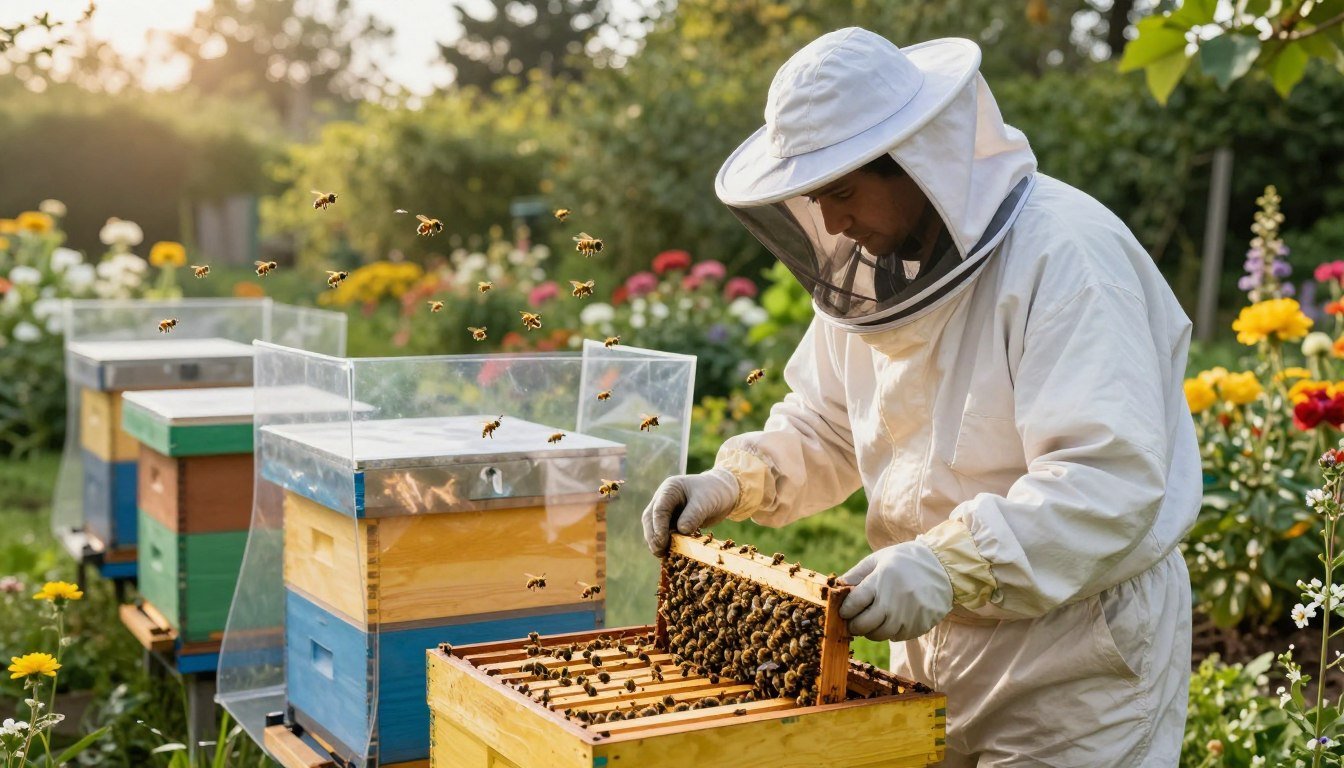
Tylan is typically administered as a dry dust mixed with powdered sugar, dusted onto the top bars, or as a syrup drench, following the exact dosing and application schedule specified on the current product label and by your prescribing veterinarian, since formulations and label guidance can change. Treatment is generally given as a series of applications spaced roughly a week apart across several weeks rather than a single dose — follow your veterinarian’s specific protocol rather than a generic online schedule, since your local disease pressure and regulatory requirements may call for adjustments.
When Antibiotics Help — and When They Don’t
Antibiotic treatment is appropriate for suppressing clinical AFB symptoms in a colony where the disease burden is still low enough that the colony has a realistic chance of recovery with support, generally used alongside other management steps like combining with a strong colony or requeening. For a heavily infected colony with widespread symptoms, most current state apiarist and extension guidance still recommends the traditional response — burning the colony and equipment — over relying on antibiotics alone, since antibiotics suppress symptoms without eliminating spores, and a heavily infected colony treated with antibiotics alone often relapses or continues silently spreading spores to other colonies and equipment.
Tylan vs. Terramycin: Choosing Between the Two
| Factor | Tylan (Tylosin) | Terramycin (Oxytetracycline) |
|---|---|---|
| Drug class | Macrolide | Tetracycline |
| Use case | Alternative where oxytetracycline resistance is documented | Historically the standard first-line option |
| Resistance status | Less widespread documented resistance so far | Documented resistant AFB strains exist in parts of the U.S. |
| Prescription required | Yes (VFD/veterinary prescription) | Yes (VFD/veterinary prescription) |
Because the two drugs work through different mechanisms, an AFB strain resistant to oxytetracycline isn’t automatically resistant to tylosin, which is the practical reason Tylan exists as a labeled option at all — it gives beekeepers and veterinarians a second tool when the first-line option isn’t working in a given region — see our companion guide to Terramycin for foulbrood for the full picture on that historical first-line option. Your veterinarian is the right authority on which is appropriate for your specific situation, since regional resistance patterns vary and change over time.
Antibiotic Resistance: A Real, Documented Concern
Oxytetracycline-resistant strains of Paenibacillus larvae have been documented in parts of the United States, a direct consequence of historical antibiotic overuse in beekeeping before prescription requirements tightened. This is precisely why tylosin exists as an alternative and why current veterinary guidance generally discourages routine, preventive antibiotic use in colonies without confirmed clinical disease — using antibiotics only when actually needed, under veterinary guidance, is both a resistance-management practice and now a legal requirement.
Honey Contamination and Withdrawal Periods
Antibiotic residue in honey intended for sale is a real regulatory and food-safety concern, which is why product labels specify withdrawal periods — a minimum time between the last treatment and adding honey supers or harvesting — that must be followed strictly. Never treat a colony with honey supers on, and confirm the specific current withdrawal period on your product’s label and with your prescribing veterinarian before adding supers back after treatment, since violating withdrawal periods risks both contaminated honey and regulatory consequences if tested.
What Antibiotics Can’t Fix
Antibiotics don’t sanitize contaminated equipment — wax, frames, and hive bodies from a treated colony can still harbor viable AFB spores capable of infecting a future colony placed in the same equipment, which is why our guides on preventing disease spread between apiaries and quarantining a suspect hive remain essential even when antibiotic treatment is part of your response. Irradiation or burning remains the standard for genuinely decontaminating heavily infected equipment; antibiotics only address the living bacterial infection in the current colony, not the spore contamination in the woodware.
Finding a Veterinarian Willing to Prescribe for Bees
Because bee-specific veterinary prescribing is still a relatively specialized area compared to livestock or companion animal practice, not every local vet is equipped or willing to prescribe antibiotics for honey bees — your state apiarist’s office or state beekeeping association is often the best starting point for a referral to a vet with actual experience in this area, since they typically maintain informal networks of veterinarians who work with beekeepers. Establishing this relationship before you have a confirmed AFB outbreak, rather than scrambling to find a prescriber during an active disease event, is worth doing proactively if you manage colonies at any meaningful scale.
What Happens After a Course of Treatment
Following a completed antibiotic course, monitor the colony closely over the following weeks for any return of clinical symptoms, since suppression isn’t guaranteed to be permanent, particularly if underlying equipment contamination remains unaddressed. Many beekeepers combine antibiotic treatment with a plan to eventually replace old brood comb in the treated colony, reducing the reservoir of spore-contaminated wax over time even if full equipment destruction isn’t immediately pursued — a middle-ground approach some state apiarist programs accept for lower-severity cases, though always confirm what your specific state’s regulations actually require, since AFB reporting and response requirements vary by state.
Confirming a Real AFB Diagnosis Before Treating
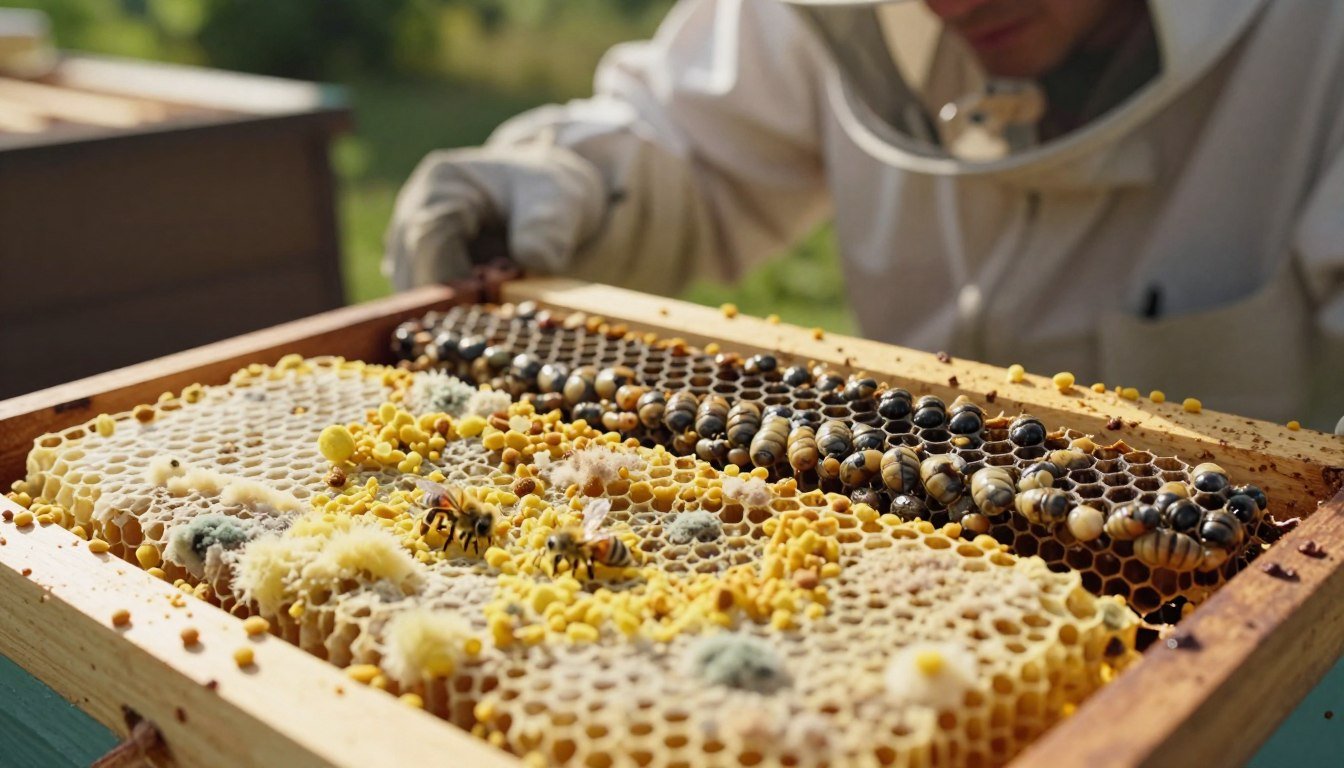
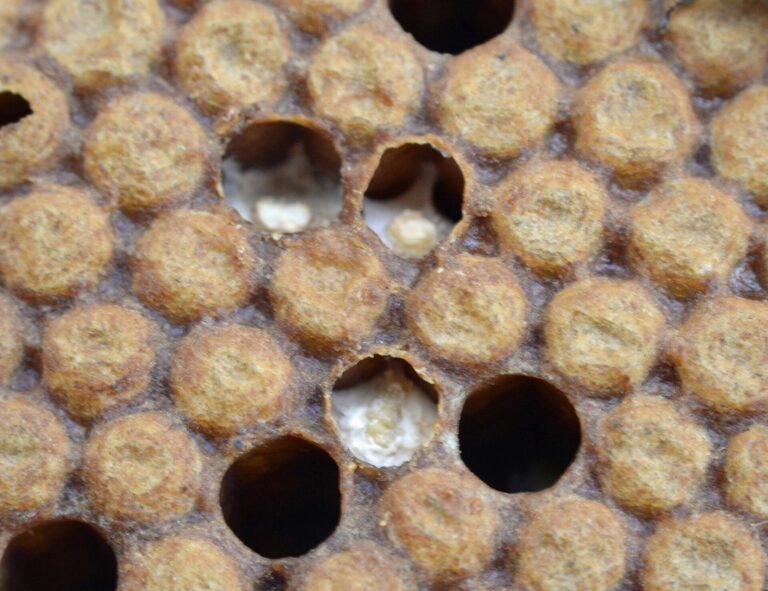
Because European foulbrood, sacbrood, and other brood diseases can superficially resemble AFB to an inexperienced eye, a confirmed diagnosis before starting antibiotic treatment matters both for effective treatment and for legal compliance, since misdiagnosing and needlessly reporting or treating for AFB carries its own costs and complications. The classic field indicators — a sunken, greasy-looking cappings pattern, a foul smell, and a positive rope test where a toothpick drawn through the affected larva stretches into a ropy strand — are useful first-pass checks, but a lab submission to your state’s bee diagnostic lab remains the gold-standard confirmation, especially for a first suspected case in a new apiary.
Reporting Requirements
American foulbrood is a reportable disease in most U.S. states, meaning a confirmed or strongly suspected case must be reported to your state apiarist’s office regardless of whether you intend to treat with antibiotics or burn the colony. This isn’t optional paperwork — it exists because AFB spreads readily between colonies and apiaries through drifting bees, robbing, and shared equipment, and state programs use these reports to track outbreaks and issue guidance to nearby beekeepers who may be at risk. Check your specific state’s current reporting requirements and contact information before treating, since procedures and reporting thresholds vary.
Reducing Future AFB Risk Alongside Treatment
Antibiotic treatment addresses a current outbreak, but reducing future risk means addressing how AFB actually spreads: avoid feeding bees honey of unknown origin (a classic transmission route, since AFB spores survive in contaminated honey), practice good hive-tool and equipment hygiene between colonies, and avoid combining a treated colony’s old brood comb with clean equipment from unaffected colonies. Regularly rotating out old dark brood comb across your apiary generally, not just in colonies with confirmed disease, is a reasonable ongoing risk-reduction practice recommended in much current extension guidance, since older comb accumulates more pathogen load over years of use regardless of any single disease event.
Considerations for Commercial and Migratory Operations
Larger operations managing colonies across multiple yards face a compounded risk profile, since an undetected AFB case can spread through shared equipment, migratory transport, or drifting bees before it’s caught — regular, systematic disease inspection across all yards, not just a reactive check when symptoms are already obvious, is worth the added labor for anyone managing colonies at commercial scale. Coordinate antibiotic prescribing and treatment planning with your veterinarian well ahead of pollination season, since the lead time to establish a prescription relationship and complete a treatment course doesn’t align well with discovering an outbreak right before a contracted pollination move.
Storing and Handling Tylan Safely
Store the prescribed product according to your veterinarian’s and the label’s instructions — typically in a cool, dry location away from direct sunlight — and keep it in its original labeled container, never transferred to unlabeled storage, both for your own safety and to keep your treatment records auditable if a state inspector ever asks. Dispose of any unused product according to your veterinarian’s guidance rather than simply discarding it, since antibiotic disposal has its own environmental and regulatory considerations separate from general household waste.
Common Mistakes
Treating without a confirmed AFB diagnosis, based on symptoms that might actually be European foulbrood or another brood disease, is a common and costly mistake — confirm diagnosis first, using a method like the rope test or a lab submission, since treating the wrong disease wastes the antibiotic and delays proper action. Assuming a colony is “cured” and safe to combine with healthy colonies after a clean-looking course of treatment, without accounting for spore contamination in the equipment, is another serious mistake. Skipping the veterinary prescription requirement is not just a legal risk but also means missing professional guidance on dosing and regional resistance patterns that meaningfully affects whether treatment actually works.
Sources
Regulatory requirements, mechanism, and resistance information reflect FDA Veterinary Feed Directive rules for medically important antimicrobials in livestock (effective 2017) and current USDA/university extension guidance on American foulbrood management and antibiotic use in apiculture. See USDA APHIS’s National Honey Bee Surveys program for additional authoritative detail.
FAQ
Can I buy Tylan without a prescription?
No — since 2017, FDA rules require a veterinary prescription or Veterinary Feed Directive for antibiotics used in food-producing animals, including honey bees, regardless of operation size.
Does Tylan cure American foulbrood?
No — it suppresses clinical symptoms by inhibiting bacterial growth but doesn’t kill the highly resistant spore form, which can remain viable in equipment for decades. It’s a suppressive management tool, not a cure.
When should I choose Tylan over Terramycin?
Primarily when oxytetracycline resistance is documented or suspected in your region — your prescribing veterinarian is the right authority to guide this decision based on current local resistance patterns.
Is it safe to use antibiotics with honey supers on?
No — treat only without honey supers in place, and follow the product’s specified withdrawal period before adding supers back, to avoid antibiotic residue in honey intended for consumption.
Is American foulbrood a reportable disease?
Yes, in most U.S. states — a confirmed or strongly suspected case must be reported to your state apiarist’s office, since AFB spreads readily between colonies and state programs track outbreaks to protect nearby beekeepers.