Last Updated September 15, 2026
Lorenzo Langstroth rightly gets the credit for the movable-frame hive, but the man widely regarded as the genuine father of practical, commercial-scale American beekeeping was a New York farmer who was already, quietly, running one of the single largest apiaries anywhere in the entire country well before Langstroth’s patent even formally existed. Moses Quinby’s lasting influence spans a genuinely foundational beekeeping book, one of the earliest large commercial beekeeping operations anywhere in the United States, and a genuinely important piece of equipment still recognizable within modern beekeeping practice today.
Key Takeaways
- Moses Quinby (born April 15 or 16, 1810, in New Castle, New York; died May 26, 1875) ran one of America’s first true commercial-scale apiaries – roughly 1,200 colonies during his 1853-1859 partnership with Thomas Underwood.
- Even after cutting back around 1862 due to Civil War-era labor shortages, his operation still shipped 11 tons of honey to New York City in a single year.
- He invented the bellows smoker in 1873 (improved in 1874) and deliberately never patented it, choosing to give the design to the wider beekeeping community rather than profit exclusively from it.
- His 1853 book, “Mysteries of Bee-Keeping Explained,” was revised and expanded after his death by his son-in-law Lyman C. Root, who had married Quinby’s daughter Elizabeth in 1869.
- His major book appeared in 1853 – the same general era as Langstroth’s 1852 patent – making the two men active contemporaries, not one following the other.
Table of Contents
- Who Was Moses Quinby?
- One of America’s First Large-Scale Commercial Beekeepers
- His New York Farming Background
- Mysteries of Bee-Keeping Explained
- A Practical, Evidence-Based Approach
- His Bellows Smoker Invention
- His Relationship to the Langstroth Era
- Why He Earned the “Father of Practical Beekeeping” Title
- His Lasting Influence on American Beekeeping
- Moses Quinby vs. Lorenzo Langstroth
- Common Misconceptions
- Frequently Asked Questions
Who Was Moses Quinby?
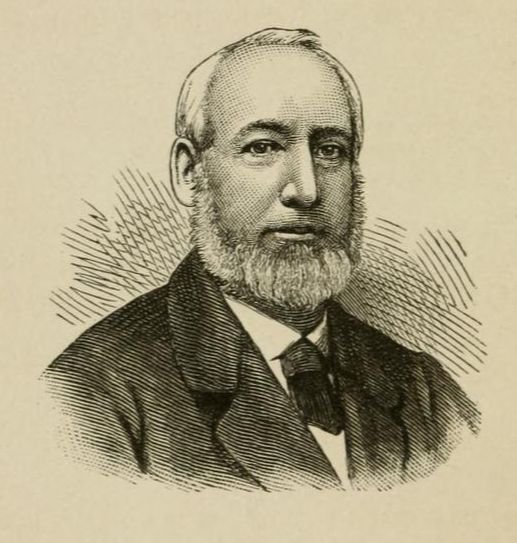
Moses Quinby (born April 15 or 16, 1810, in New Castle, New York; died May 26, 1875, at age 65) was a genuinely significant American beekeeper based in New York State, widely credited as one of the most significant figures in shaping American beekeeping into a genuinely practical, commercially viable enterprise during the mid-19th century. His combined body of work — spanning a genuinely foundational book, a large and demonstrably successful working apiary, and real, lasting equipment innovation — earned him the informal, yet genuinely well-deserved, title “father of practical beekeeping” within the broader scope of American beekeeping history overall.
One of America’s First Large-Scale Commercial Beekeepers
Quinby operated one of the largest beekeeping operations in the United States for his era, treating beekeeping as a genuine, scalable commercial enterprise rather than a small backyard hobby, at a time when most American beekeeping remained considerably smaller in scope. During his 1853-1859 partnership with beekeeper Thomas Underwood, the operation ran an estimated 1,200 colonies – a genuinely striking figure for the period. Even after he reduced hive numbers around 1862, likely due to Civil War-era labor shortages, the operation still shipped roughly 11 tons of honey to New York City in a single year. This commercial-scale approach was itself a genuinely significant contribution: demonstrating that beekeeping could function as a serious, profitable business helped shift broader American attitudes toward the practice’s commercial potential.
His New York Farming Background
Quinby operated from a farming background in New York State, and his practical, hands-on approach to beekeeping reflected the broader agricultural context he worked within, treating bee colonies as a genuine farm enterprise to be managed methodically rather than a curiosity kept separately from other agricultural work. This grounding in real, working farm life shaped the practical, results-oriented character of his later writing and teaching, distinguishing his voice from more purely academic natural-history approaches to bee study.
Mysteries of Bee-Keeping Explained
In 1853, Quinby published “Mysteries of Bee-Keeping Explained,” one of the earliest significant American beekeeping books, offering practical, experience-based guidance to a growing audience of American beekeepers during a period when reliable, systematically organized beekeeping knowledge was still genuinely difficult to find. After Quinby’s death in 1875, his son-in-law Lyman C. Root – who had married Quinby’s daughter Elizabeth in 1869 – revised the book, updating it and adding more illustrations, extending its useful life well beyond its original author’s lifetime.
A Practical, Evidence-Based Approach
Quinby’s writing and teaching emphasized practical, evidence-based methods over inherited folklore or superstition, reflecting the same general shift toward methodical, observation-driven beekeeping practice that characterized much of the broader 19th-century transformation of beekeeping into a more rigorous discipline. This approach helped position his work as a genuinely trustworthy, practical resource for beekeepers looking to improve their results through demonstrated methods rather than tradition alone.
His Bellows Smoker Invention
Quinby invented the bellows smoker in 1873 and improved the design again the following year – a genuinely important refinement covered in more detail in the history of the smoker already published on this site. A detail worth highlighting on its own: Quinby deliberately chose not to patent the design, effectively giving it to the wider beekeeping community rather than restricting it for personal profit – a genuinely generous decision that likely helped the bellows smoker spread quickly into standard practice. This invention represents a real, distinct piece of Quinby’s legacy alongside his book and commercial operation, adding genuine equipment innovation to his broader contribution to practical American beekeeping.
His Relationship to the Langstroth Era
Quinby’s major book was published in 1853, just one year after Langstroth’s movable-frame patent, placing him as a genuine contemporary of Langstroth working within the same rapidly transforming period of American beekeeping history. Rather than being a later follower building on already-established Langstroth-era knowledge, Quinby was actively contributing his own practical expertise and commercial experience during the same foundational period, making the two men parallel, contemporaneous contributors rather than one simply following the other’s lead. Charles Dadant’s own hive-design work later drew directly on both Quinby’s and Langstroth’s writing, a real thread connecting all three figures.
Why He Earned the “Father of Practical Beekeeping” Title
The informal title “father of practical beekeeping” reflects the genuine combination of factors that set Quinby apart from many contemporaries: he didn’t just theorize about improved methods, he actually ran a large, demonstrably successful commercial operation using those methods, then documented and shared that practical experience in a widely read book – and then gave away his most significant equipment invention rather than monetizing it exclusively. This combination of doing, succeeding at scale, and then teaching is precisely what distinguishes “practical” contribution from purely theoretical or academic natural-history writing about bees, and it’s the specific reason this particular title has remained attached to his name within American beekeeping history.
His Lasting Influence on American Beekeeping
Quinby’s combined legacy — a widely read practical book, proof that commercial-scale beekeeping was genuinely viable, and a real piece of lasting equipment innovation — helped establish some of the foundational practical and commercial groundwork that later 19th-century American beekeeping figures, including Charles Dadant and A.I. Root, would go on to build further upon in subsequent decades.
Moses Quinby vs. Lorenzo Langstroth
| Feature | Moses Quinby | Lorenzo Langstroth |
|---|---|---|
| Primary contribution | Practical commercial beekeeping (~1,200 colonies), bellows smoker (1873, unpatented) | Movable-frame hive |
| Major publication | Mysteries of Bee-Keeping Explained (1853) | Hive patent (1852) |
| Base of operations | New York State | Pennsylvania/Ohio |
| Known for | Commercial scale and practical method | Foundational hive design |
Common Misconceptions
The most common misconception is assuming Quinby was simply a follower who adopted and applied Langstroth’s already-established ideas, when he was actively developing his own significant practical and commercial contributions during essentially the same foundational period. A second common misconception is reducing his legacy to the bellows smoker alone, when his book, his refusal to patent that smoker, and his demonstration that beekeeping could function as a genuine large-scale commercial enterprise arguably represent equally significant, if less physically tangible, contributions.
Frequently Asked Questions
Is “Mysteries of Bee-Keeping Explained” still read or referenced today?
It remains a genuinely significant historical text within American beekeeping literature, referenced by historians of the field and beekeeping enthusiasts interested in primary 19th-century sources, even as more current guides have naturally become the standard practical reference for modern beekeepers.
How large was Quinby’s beekeeping operation compared to a typical hobbyist today?
During his 1853-1859 partnership with Thomas Underwood, the operation ran an estimated 1,200 colonies – a scale far beyond a typical hobbyist operation today, and genuinely enormous by the standards of mid-19th-century American beekeeping.
Did Quinby and Langstroth ever interact or correspond directly?
Both were significant, active contemporaries within the same rapidly developing mid-19th-century American beekeeping community, though this article can’t confirm the specific details of any direct personal correspondence between them with full confidence.
Why didn’t Quinby patent the bellows smoker he invented?
By most accounts he chose deliberately not to patent it, effectively giving the design to the wider beekeeping community rather than restricting its use or profiting exclusively from it – a choice that likely helped it become standard equipment more quickly.
Who continued Quinby’s written work after his death?
His son-in-law Lyman C. Root, who married Quinby’s daughter Elizabeth in 1869, revised and updated “Mysteries of Bee-Keeping Explained” after Quinby died in 1875, adding new illustrations and keeping the book current.
Why is Quinby less well known today than Langstroth or Dadant?
Unlike Langstroth’s globally standardized hive design or Dadant’s still-operating namesake company, Quinby’s legacy is spread across a book, a commercial demonstration, and an unpatented equipment refinement, none of which carries quite the same single, easily identifiable modern brand recognition.
Further Reading
- The History of the Honey Extractor: The Invention That Let Beekeepers Stop Destroying Comb
- New Zealand’s Beekeeping History: From Cotton’s First Hives to the Manuka Boom
- The History of Instrumental Insemination in Queen Bees
Sources and further reading: Moses Quinby biographical overview, Wikipedia; “Quinby’s New Bee-Keeping,” Cornell University Library exhibit.