Table of Contents
- Who Emile Warre Was
- Testing 350 Hives Across a Dozen Designs
- A Genuinely Different Motivation Than Langstroth
- The People’s Hive Design
- The Natural-Beekeeping Philosophy Behind the Design
- Beekeeping for All: The Book Behind the Hive
- Warre vs. Langstroth: Two Different Answers
- The Design’s Modern Legacy
- Why This History Is Worth Knowing
- The Distinctive Quilt Box Feature
- Boxes Added at the Bottom, Not the Top
- The Honey Harvest Trade-Off
- Standard Dimensions and Box Sizing
- Real Limitations on Colony Inspection
- Modern Modifications to the Original Design
- How the Design Spread Beyond France
- A Genuinely Useful History for Understanding Design Trade-Offs
- Beekeepers Combining Elements of Both Philosophies
- Documenting Your Own Warre Experience
- Regional Climate Considerations
- Finding Warre-Specific Community and Resources
- Warre’s Final Years
- Common Mistakes
Who Emile Warre Was
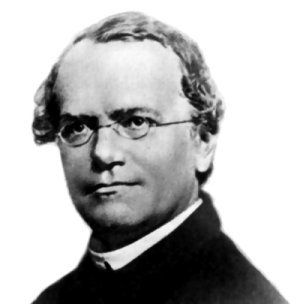
Abbe Emile Warre (1867-1951) was a French Catholic priest and dedicated beekeeper who developed the hive design that now bears his name, working from a genuinely different starting philosophy and social context than Lorenzo Langstroth’s roughly contemporaneous American movable-frame design. Understanding Warre’s actual background and motivation gives real context for why his hive looks and functions so differently from the standard equipment most beekeepers use today.
Testing 350 Hives Across a Dozen Designs

By 1948, after more than three decades of active beekeeping, Warre had operated an apiary of roughly 350 hives representing about a dozen well-known hive designs of his era, comparing their real-world performance over more than 15 years before finalizing his own design. This is a genuinely substantial, methodical research process — not a quick invention, but a carefully tested design refined through direct comparative observation across a huge sample size most individual beekeepers, then or now, could never replicate.
A Genuinely Different Motivation Than Langstroth
While Langstroth’s design responded to the specific practical needs of a growing American commercial beekeeping industry, Warre’s explicit goal was making beekeeping genuinely accessible to poor and working-class French people as a path toward self-sufficiency, prioritizing low material cost and simple construction using basic tools over the more equipment-intensive commercial-scale management Langstroth’s system enabled. This social-accessibility motivation is a meaningfully different design philosophy from the start, shaping essentially every subsequent design choice.
The People’s Hive Design
Warre called his finished design “the People’s Hive” (La Ruche Populaire), a vertical, stacked-box hive using simple top bars rather than movable frames, built specifically to be constructible economically by anyone with modest woodworking tools and access to his published instructions, without requiring the specialized commercial equipment supply chain a Langstroth-style operation typically depends on.
The Natural-Beekeeping Philosophy Behind the Design
Warre specifically rejected forcing bees onto perfectly straight, movable comb, believing this practice increased disease and health risk compared to letting bees build comb more naturally, and designed his hive’s top-bar (rather than full-frame) approach specifically to minimize beekeeper disturbance and intervention compared to more actively managed systems. This philosophy — mimicking natural colony conditions and behavior while remaining genuinely practical for a beekeeper to use — is the conceptual foundation modern “natural beekeeping” approaches continue to build on.
Beekeeping for All: The Book Behind the Hive
Warre documented his complete design, reasoning, and management philosophy in his book “L’Apiculture Pour Tous” (published in English as “Beekeeping for All”), which reached a twelfth French edition by 1948 reflecting genuine sustained interest and ongoing refinement over decades, and has since been translated into English, giving today’s beekeepers direct access to Warre’s own original reasoning rather than relying solely on secondhand summaries.
Warre vs. Langstroth: Two Different Answers
| Factor | Warre Hive | Langstroth Hive |
|---|---|---|
| Core structure | Vertical stacked boxes, top bars | Horizontal frames, bee-space design |
| Primary goal | Accessibility, minimal intervention | Efficient large-scale management |
| Development era | Early-to-mid 1900s France | 1850s United States |
| Development method | Comparative testing across 350 hives | Observation of bee-space behavior |
Neither design is objectively superior — they represent genuinely different, deliberately reasoned answers to the same underlying question of how to keep bees well, shaped by different social contexts, priorities, and eras.
The Design’s Modern Legacy
The Warre hive has experienced a genuine resurgence in popularity among beekeepers specifically drawn to its natural, low-intervention philosophy, particularly within the broader natural and treatment-minimal beekeeping movement, even as it remains a distinct minority choice compared to Langstroth-style equipment’s overwhelming market dominance. Modern Warre practitioners generally follow Warre’s original design principles closely, a testament to how thoroughly Warre’s own extensive testing process got the fundamentals right the first time.
Why This History Is Worth Knowing
Understanding Warre’s actual history and reasoning helps beekeepers considering the design make a genuinely informed choice based on real philosophical fit, rather than either dismissing it as a fringe alternative or romanticizing it without understanding the real trade-offs (like reduced honey-harvest efficiency and less straightforward disease inspection) that come with its minimal-intervention design. It’s also simply good general knowledge for understanding the genuine diversity of thoughtful, deliberately reasoned approaches within beekeeping’s broader history.
The Distinctive Quilt Box Feature
A genuinely distinctive Warre design element is the quilt box, a fabric-covered box of absorbent material (often wood shavings or sawdust) placed atop the hive beneath the roof, specifically designed to wick away excess moisture from the colony’s own respiration while still retaining warmth — a passive climate-management solution reflecting Warre’s broader emphasis on working with natural colony processes rather than mechanically overriding them with active ventilation engineering.
Boxes Added at the Bottom, Not the Top
This short demonstration shows nadiring in practice – a new empty box going in underneath the existing stack rather than on top of it.
A genuinely distinctive Warre management practice is adding new boxes at the bottom of the growing stack (called “nadiring”) rather than the top, letting the colony expand downward as bees naturally build comb from the top of a cavity down — mirroring how a wild colony expands within a hollow tree rather than the upward-supering pattern standard Langstroth management uses. This bottom-addition approach is a direct, practical expression of the same natural-mimicry philosophy underlying the whole design.
The Honey Harvest Trade-Off
Because the top-bar design doesn’t support the same easy frame-by-frame extraction Langstroth equipment allows, harvesting honey from a Warre hive typically requires crush-and-strain methods that destroy the harvested comb rather than returning empty drawn comb to the colony for reuse — a genuine, honest trade-off of the design’s natural-comb philosophy that beekeepers should understand clearly before choosing this system specifically for anticipated honey production goals.
Standard Dimensions and Box Sizing
Warre specified relatively precise box dimensions in his original design, smaller than a standard Langstroth deep box, chosen specifically to closely approximate the internal volume and shape of a naturally occurring tree cavity a wild colony might select, rather than dimensions optimized for equipment interchangeability or frame-handling convenience the way Langstroth’s design was. Modern Warre builders generally follow these original specified dimensions closely rather than freely modifying them, respecting the deliberate reasoning behind the original sizing.
Real Limitations on Colony Inspection
Because top bars don’t lift out and separate as cleanly as fully drawn movable frames, thoroughly inspecting a Warre colony for disease or general health is genuinely more difficult and disruptive than a comparable Langstroth inspection, a real practical trade-off of the design’s minimal-intervention philosophy that beekeepers should weigh honestly against their own comfort level with less frequent, less detailed hands-on colony monitoring.
Modern Modifications to the Original Design
Some contemporary Warre practitioners incorporate small modifications to Warre’s original specifications, such as adding observation windows or slightly adjusting box dimensions for regional lumber availability, while still preserving the core philosophy and structural principles Warre established — a reasonable evolution most beekeeping traditions undergo over time, though purists sometimes debate how much modification a hive can incorporate before it stops meaningfully representing Warre’s original design intent.
How the Design Spread Beyond France
Following the English translation of Warre’s book, the People’s Hive gained genuine international following, particularly within the natural-beekeeping and permaculture communities across English-speaking countries, with dedicated Warre-focused suppliers, forums, and communities now established well beyond its original French origins. This international spread happened gradually over decades, distinct from the rapid, industry-driven adoption Langstroth’s design experienced, reflecting the more grassroots, philosophy-driven nature of Warre’s ongoing following.
A Genuinely Useful History for Understanding Design Trade-Offs
Warre’s story is a genuinely useful teaching example for any beekeeper wanting to understand that hive equipment isn’t simply a technical solved problem with one correct answer, but reflects real, deliberately reasoned trade-offs between competing priorities like accessibility, natural mimicry, inspection convenience, and honey-harvest efficiency — priorities different beekeepers, in different eras and contexts, have reasonably weighted differently.
Beekeepers Combining Elements of Both Philosophies
Some modern beekeepers adopt a hybrid approach, running some colonies in Warre-style equipment for the natural-mimicry experience alongside standard Langstroth colonies for more actively managed honey production, treating the two systems as complementary tools serving genuinely different personal goals rather than requiring an exclusive commitment to just one philosophy. This kind of pragmatic combination reflects a reasonable, non-dogmatic way to engage with both design traditions’ real strengths.
Documenting Your Own Warre Experience
Beekeepers trying a Warre hive for the first time benefit from keeping detailed records of colony behavior, comb development, and honey yield compared to any parallel standard equipment they manage, since this kind of natural-mimicry, minimal-intervention approach genuinely rewards careful observation over frequent hands-on inspection — good record-keeping partially compensates for the reduced direct inspection frequency Warre’s design philosophy intentionally encourages.
Regional Climate Considerations
The Warre design’s quilt box and vertical structure were originally developed and tested in France’s temperate climate, and while the design has been successfully adapted worldwide, beekeepers in significantly different climates — particularly very hot or very cold extremes — should research region-specific Warre adaptations other practitioners in similar climates have already worked out, rather than assuming Warre’s original French specifications translate perfectly to every regional condition unchanged.
Common Mistakes
Assuming the Warre hive is simply an older, less-developed precursor to modern equipment misunderstands that it was a deliberately, carefully designed alternative developed through extensive comparative testing, not an earlier evolutionary stage superseded by later improvement. Choosing a Warre hive purely for its aesthetic or “natural” branding without understanding the real management trade-offs it involves sets up mismatched expectations. Assuming Warre’s accessibility-focused design philosophy makes it automatically easier for a beginner overlooks that minimal-intervention beekeeping still requires genuine skill in reading colony health without the more frequent, detailed inspection a frame-based system more easily allows.
Finding Warre-Specific Community and Resources
Beekeepers interested in trying the Warre approach can find dedicated Warre-focused suppliers, online forums, and regional natural-beekeeping groups specifically oriented around this design and philosophy, offering more targeted, experience-specific guidance than general beekeeping resources built primarily around standard Langstroth management practices.
Warre’s Final Years
Warre continued refining and promoting his design until his death in 1951, having spent essentially his entire adult beekeeping life pursuing a single coherent design philosophy through direct, methodical comparative testing rather than jumping between competing approaches, a genuine consistency of purpose worth noting as part of the design’s overall credibility.
Another low-cost alternative has its own story: the history of the top bar hive.
Sources
Biographical and historical details reflect the English translation of Emile Warre’s own book, prepared by David and Patricia Heaf – the full “Beekeeping for All” translation is available as a free PDF directly from David Heaf, widely regarded as the UK’s leading Warre-beekeeping authority and the person most responsible for making Warre’s original reasoning accessible to English-language readers. See also the Wikipedia entry on Emile Warre for a referenced biographical overview.
FAQ
How long did it take Warre to develop his hive design?
He spent over 15 years comparatively testing roughly a dozen well-known hive designs across an apiary of about 350 hives before finalizing the design he called the People’s Hive.
Why did Warre design a hive different from Langstroth’s?
His explicit goal was making beekeeping accessible and affordable for poor French people as a path to self-sufficiency, prioritizing low-cost, simple construction and minimal intervention over the more equipment-intensive commercial management Langstroth’s system enabled.
Is the Warre hive still used today?
Yes — it has seen genuine renewed interest particularly among natural and treatment-minimal beekeeping practitioners, though it remains a distinct minority choice compared to Langstroth-style equipment’s overwhelming market dominance.
Where can I read Warre’s own original writing?
His book, originally published in French as “L’Apiculture Pour Tous,” has been translated into English as “Beekeeping for All” and remains available for beekeepers wanting his complete original reasoning directly.
What is “nadiring” in Warre beekeeping?
Nadiring means adding new hive boxes at the bottom of the growing stack rather than the top, mirroring how a wild colony naturally expands downward within a hollow tree cavity, distinct from the upward-supering pattern used in standard Langstroth management.
Can I combine Warre and Langstroth equipment in the same apiary?
Yes — some beekeepers run both systems side by side for different purposes, treating them as complementary tools serving different goals (natural-mimicry experience vs. more actively managed honey production) rather than requiring an exclusive commitment to one philosophy.