Last Updated September 15, 2026
The Hittite Laws, a cuneiform legal code from the Anatolian empire that dominated much of the Near East during the Late Bronze Age, contain what may be the oldest surviving written penalty specifically for stealing bees — and the law itself records its own history changing, noting that beehive theft was once punished by exposing the offender to bee stings before the code shifted to a fixed fine in silver. It’s a genuinely rare thing in ancient legal history: a text that shows its own punishment for the same crime evolving, rather than a single static rule.
Key Takeaways
- Section 92 of the Hittite Laws sets the penalty for stealing two or three beehives at 6 shekels of silver, and explicitly states that the offender “would formerly” have been exposed to bee stings instead — recording a punishment reform within the text itself.
- Stealing an empty hive (one with no bees in it) carried a lighter penalty of 3 shekels of silver under the same law, showing the code distinguished between the value of the bees and the value of the physical hive.
- The Hittite Laws survive on cuneiform tablets recovered from Hattusa, the Hittite capital in what is now north-central Turkey, and are generally dated to roughly the 17th to 16th centuries BCE with later copies and revisions.
- The shift described in Section 92 — from corporal/physical punishment to a monetary fine — reflects a broader pattern across the Hittite Laws as a whole, which shows multiple crimes moving from harsher earlier penalties toward fixed compensation over the life of the code.
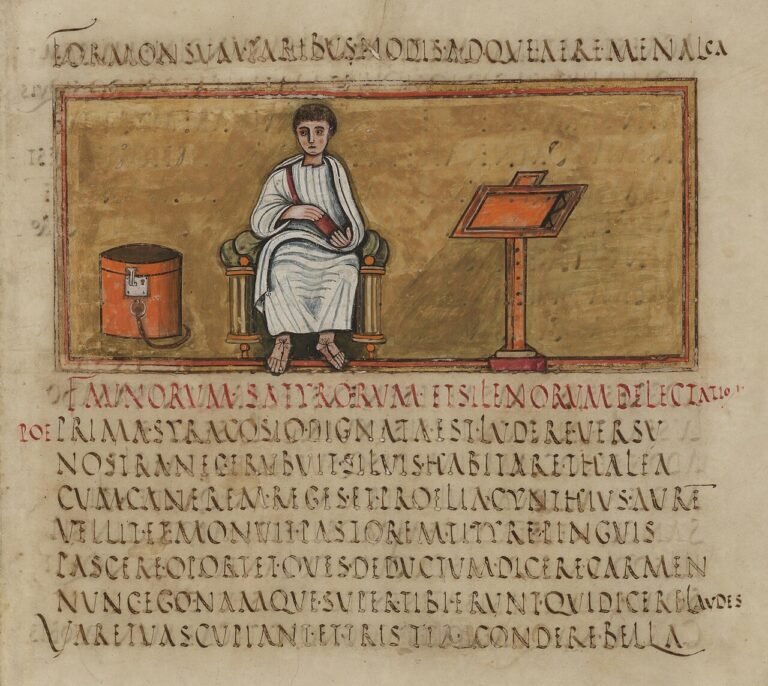
- This predates other well-known ancient beekeeping references, including Virgil’s Georgics and the honey tribute recorded in England’s Domesday Book, by well over a thousand years, making it one of the earliest concrete pieces of evidence that beekeeping was valuable and organized enough to need dedicated legal protection.
Table of Contents
- What Section 92 Actually Says
- From Bee Stings to Silver Shekels
- Old vs. New Penalties, Side by Side
- Who the Hittites Were and Where the Tablets Were Found
- Part of a Bigger Pattern of Legal Reform
- Why This Matters for Beekeeping History
- Frequently Asked Questions
What Section 92 Actually Says
Section 92 of the Hittite Laws addresses beehive theft directly and with real specificity. As preserved and translated by modern Hittitologists, it states that anyone who steals two or three beehives must pay 6 shekels of silver — and separately, that stealing a hive containing no bees carries a lighter penalty of 3 shekels. The distinction matters: the law wasn’t simply protecting a piece of property (the hive structure itself), it was explicitly pricing the bees inside as the more valuable component, at exactly double the penalty of an empty hive. For a legal code roughly 3,600 years old, that’s a strikingly practical, almost modern piece of legal reasoning — valuing the living colony above the container it lived in.
From Bee Stings to Silver Shekels
What makes Section 92 unusually valuable to historians isn’t just that it exists, but that it records its own history. The law states that beehive thieves “formerly” would have been exposed to bee stings as punishment — a corporal penalty presumably meaning the offender was physically subjected to attack by the stolen bees themselves — before the code was revised to the fixed 6-shekel silver fine described above. That single clause turns Section 92 from a static rule into a documented reform: it’s evidence that Hittite law was actively revised over time, moving at least this specific crime away from a harsh, almost poetic-justice physical punishment and toward standardized monetary compensation, the same general direction many ancient and medieval legal systems moved in in later centuries for a wide range of offenses.

Old vs. New Penalties, Side by Side
Section 91, immediately before the beehive-theft law, addresses a related but distinct offense — stealing a swarm of bees rather than a hive — and shows the same reform pattern with its own numbers:
| Offense | Former Penalty | Revised Penalty |
|---|---|---|
| Stealing a swarm of bees (§91) | 1 mina of silver (~450g) | 5 shekels of silver (~35g) |
| Stealing 2-3 occupied beehives (§92) | Exposure to bee stings | 6 shekels of silver |
| Stealing an empty beehive (§92) | — | 3 shekels of silver |
Source: Demirel, S. (2022), “Apiculture in Hittite cuneiform texts,” European Zoological Journal 89(1): 1215–1222, translating the text preserved on tablet KBo 6.2 IV 32–36.
Who the Hittites Were and Where the Tablets Were Found

The Hittites built one of the major empires of the Late Bronze Age Near East, centered in Anatolia (modern-day Turkey) and, at their peak, controlling territory extending into the Levant and rivaling Egypt as a regional power — including negotiating one of history’s earliest known peace treaties with Ramesses II. Their laws survive on cuneiform tablets excavated at Hattusa, the Hittite capital, near the modern Turkish village of Boğazköy/Boğazkale. The Hittite Laws themselves are generally dated to an original composition around the 17th to 16th centuries BCE, with the surviving tablet copies reflecting later scribal transmission and periodic updates over the following centuries — which is itself consistent with Section 92’s own account of a penalty being revised over time rather than fixed once and never touched again.
Part of a Bigger Pattern of Legal Reform

Section 92’s shift from physical punishment to a fixed silver fine isn’t an isolated quirk; it reflects a broader pattern visible across the Hittite Laws as a whole. Multiple provisions in the code show earlier, harsher penalties for various offenses being replaced by monetary compensation over the life of the text, suggesting a deliberate, sustained legal-reform effort rather than one scribe’s isolated decision about beehives specifically. Beehive theft simply happens to be one of the clearest, most concrete examples that survives intact, because the “before” and “after” penalties are both stated explicitly in the same clause rather than requiring comparison across separate tablets or fragments.
Why This Matters for Beekeeping History
A dedicated legal penalty for stealing bees tells you something a poem or a religious text can’t: that by the second millennium BCE, beekeeping in Hittite Anatolia was organized and economically significant enough to need formal legal protection against theft, with real, itemized value placed on a live colony. It sits alongside — and predates by well over a thousand years — other well-documented ancient beekeeping evidence, including the practices this site has covered in Beekeeping in Ancient Egypt and the agricultural detail in Virgil’s Georgics. Where Egyptian tomb art shows beekeeping being practiced and Roman poetry shows it being described with real technical care, the Hittite Laws show something different and just as valuable: an ancient legal system treating a beehive as property serious enough to legislate over, and revising that legislation over time as its own society’s approach to punishment evolved.
Frequently Asked Questions
What is the oldest known law about stealing bees?
Section 92 of the Hittite Laws, generally dated to around the 17th–16th centuries BCE, is among the oldest known written legal penalties specifically addressing beehive theft.
What was the punishment for stealing bees under Hittite law?
Stealing two or three beehives carried a fine of 6 shekels of silver; stealing an empty hive carried a lighter penalty of 3 shekels. The law itself notes that thieves were formerly punished by exposure to bee stings before this fine was introduced.
Where were the Hittite Laws found?
On cuneiform tablets excavated at Hattusa, the Hittite capital, near the modern Turkish village of Boğazköy/Boğazkale in north-central Turkey.
Why did the punishment change from bee stings to a fine?
The Hittite Laws as a whole show a pattern of revising earlier, harsher penalties toward fixed monetary compensation over the life of the code; Section 92’s beehive-theft law is one of the clearest surviving examples of that same reform pattern.
Is this older than Egyptian or Roman beekeeping records?
The Hittite Laws’ composition predates Virgil’s Georgics by well over a thousand years, though Egyptian beekeeping imagery from tomb art is independently very old — the Hittite Laws are notable specifically as a legal, rather than artistic or literary, record.
For readers who want to dig into primary Hittite legal texts more broadly, the Corpus of Hittite Laws project maintains ongoing critical editions and translations of the full law collection, not just the bee-related sections covered here.
Related Reading
Image credits: Photo: Bjorn Christian Torrissen, CC BY-SA 3.0, via Wikimedia Commons.