Last Updated September 14, 2026
The oldest confirmed bee fossils are about 100 million years old, preserved in amber from Myanmar, and they don’t look much like a modern honeybee — they’re smaller, closer in several respects to the predatory wasps bees evolved from, and they capture bees right around the time flowering plants were beginning their evolutionary partnership with pollinating insects. Two separate fossil species from that same amber deposit, described 14 years apart, are now considered jointly the oldest bees known to science — a reminder that “the oldest known” is a moving target that gets revised as new amber turns up.
Key Takeaways
- Melittosphex burmensis, described in 2006 by Oregon State University zoologist George Poinar Jr. from a specimen preserved in Burmese amber, was for years considered the single oldest known bee, dated to roughly 100 million years old.
- At about one-fifth the size of a modern honeybee (roughly 3mm long), Melittosphex shows a mix of bee and wasp features — branched, pollen-collecting hairs alongside anatomical traits closer to the crabronid wasp lineage bees descended from.
- In 2020, a second species, Discoscapa apicula, was described from the same Burmese amber deposit and dated to approximately the same age — the two fossils are now generally treated as jointly the oldest known bees rather than one holding a solo record.
- Both fossils date to close to 20 million years after the emergence of eudicots, the major flowering-plant lineage most dependent on insect pollination — fitting the broader scientific picture of bees and flowering plants evolving their pollination partnership together.
- Bees are now understood to have evolved from a lineage of predatory, hunting wasps that gradually shifted to collecting pollen instead of prey — the branched body hairs used to carry pollen are one of the clearest physical markers separating a true bee from its wasp ancestors in the fossil record.
Table of Contents
- The Fossil That Changed the Timeline
- From Hunting Wasp to Pollen Collector
- A Second Contender for “Oldest Bee”
- Why the Fossil Record Is Still Being Rewritten
- Frequently Asked Questions
The Fossil That Changed the Timeline
In 2006, Oregon State University zoologist George Poinar Jr. described a tiny insect trapped in amber recovered from a mine in Myanmar’s Hukawng Valley as Melittosphex burmensis — a genuinely new species, and at the time, the oldest bee ever documented in the fossil record. The amber dates to the Early Cretaceous period, roughly 100 million years old, meaning the insect inside it was alive alongside some of the earliest dinosaurs still commonly known to the public and well before most of the modern flowering-plant families familiar today had fully diversified. The finding was significant enough to be published in the journal Science, one of the most selective outlets in all of scientific publishing.
From Hunting Wasp to Pollen Collector
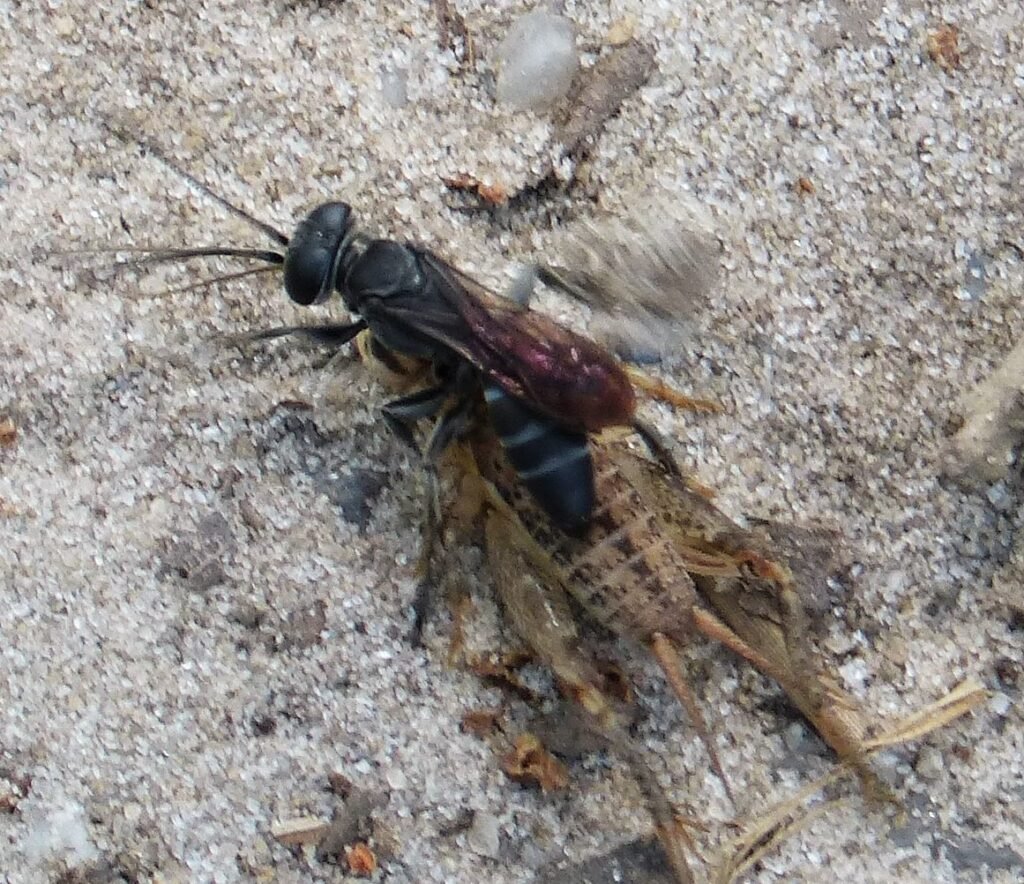
Melittosphex is scientifically interesting less for being old and more for what it physically looks like: a genuine transitional form. At roughly 3 millimeters long — about a fifth the size of a modern worker honeybee — it carries branched body hairs specialized for collecting pollen, a defining bee trait not found in wasps. At the same time, several other anatomical details align it more closely with crabronid wasps, a predatory lineage, than with any modern or fossil bee group. That combination is exactly what evolutionary biologists look for in a transitional fossil: solid evidence of the shift from a hunting, prey-catching ancestor to a pollen-collecting descendant, caught in the act partway through. The original research describing the find is published in full in the journal Science and remains publicly viewable via its official DOI record.
A Second Contender for “Oldest Bee”
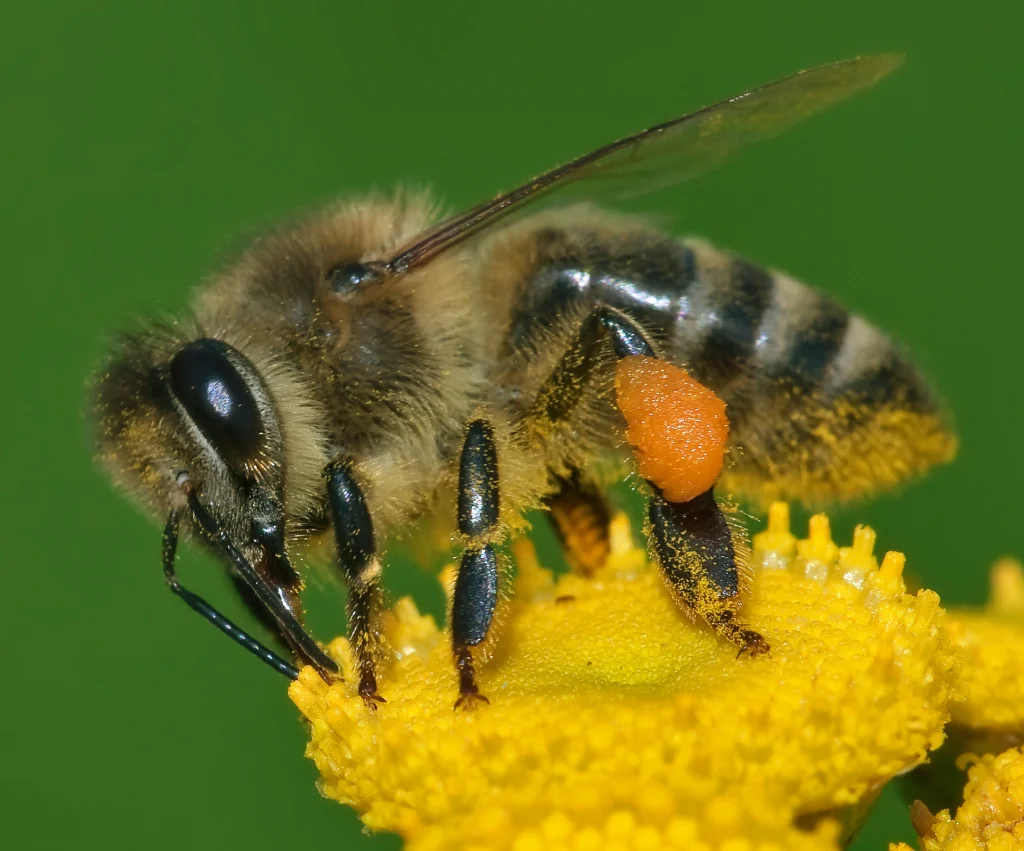
For over a decade, Melittosphex burmensis held the “oldest known bee” distinction largely uncontested. That changed in 2020, when Poinar described a second species, Discoscapa apicula, from the same Burmese amber deposit and placed it in a new family, Discoscapidae, dating it to approximately the same age — around 99 million years old, functionally indistinguishable in age from Melittosphex given the dating methods available. The formal description, published in the journal Palaeodiversity, notes a genuinely distinctive detail: the fossil preserves a bifurcated (two-segment) antennal scape not seen in any other known bee or wasp lineage, living or extinct. It also captured an unrelated piece of forensic evidence — 21 beetle larvae (triungulins) preserved in the same amber, apparently hitching a ride on the bee to reach its nest and feed on its brood and food stores, a parasitic relationship still seen on modern bees today and, per Oregon State University’s own account of the find, quite possibly what caused the overloaded bee to fly into the resin in the first place. Rather than dethroning the earlier fossil, the new find effectively created a tie: both specimens are now generally described together as the two oldest bees known to science, both recovered from the same Cretaceous-era amber source in Myanmar. It’s a useful illustration of how paleontological “oldest known” records work in practice — they represent the oldest fossil evidence found and described so far, not necessarily the actual origin point of a lineage, which almost always predates the earliest fossil that happens to have been preserved and discovered. The full technical description is available via its Palaeodiversity DOI record for anyone who wants the primary taxonomic detail rather than a summary.
Why the Fossil Record Is Still Being Rewritten
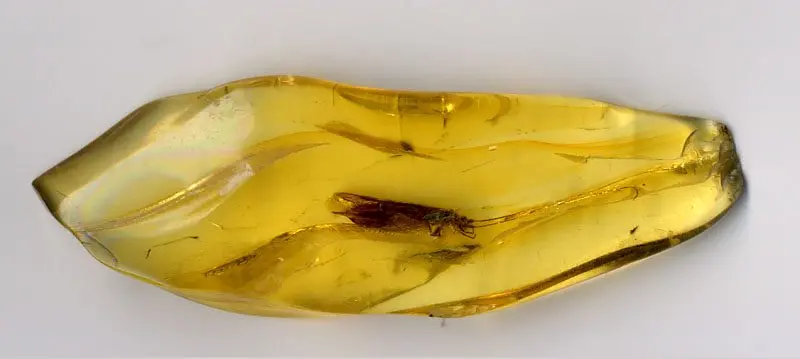
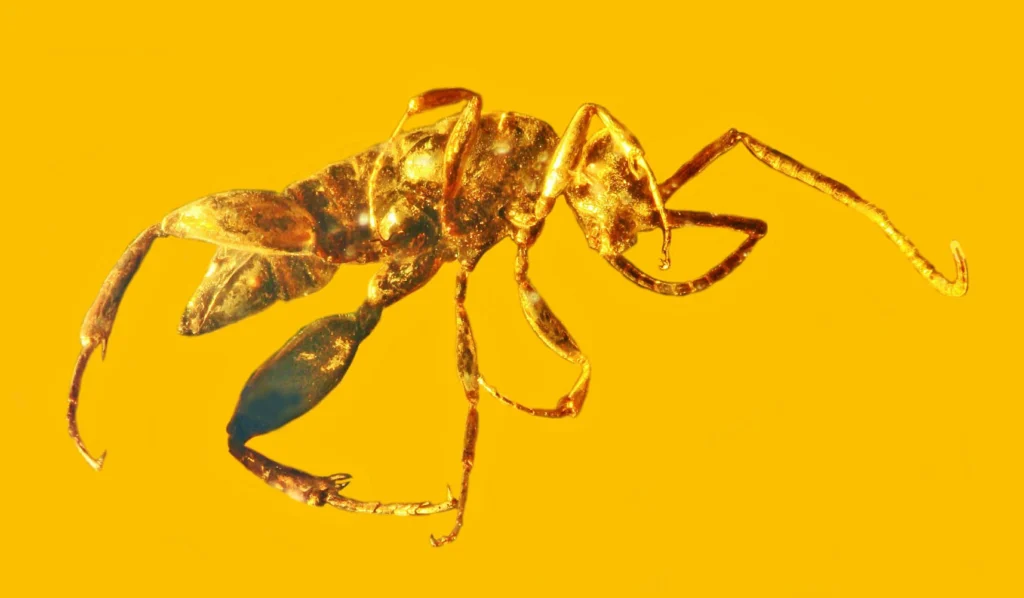
Bee evolution research sits at an intersection with the broader, very active field of Cretaceous amber paleontology — a field where new specimens are still being described regularly. The Hukawng Valley amber deposits that produced Melittosphex, Discoscapa, and unrelated finds like the wingless wasp Aptenoperissus burmanicus shown above have yielded thousands of other insect species and continue to be studied, meaning it’s entirely plausible an even older bee fossil gets described in the years ahead. For a site that’s covered bee history through documented human sources — from the Hittite Laws’ bee-theft penalties to Karl von Frisch’s decoding of the waggle dance — the fossil evidence pushes the story back roughly 100 million years earlier than any written record, into a period when the basic pollination relationship between bees and flowering plants that underpins modern agriculture was only just beginning to take shape. For a broader look at how honeybees themselves evolved and spread across the eras since, see this site’s overview of honeybee evolution and history.
Frequently Asked Questions
What is the oldest known bee fossil?
Melittosphex burmensis, described in 2006 from Burmese amber and dated to roughly 100 million years old, was long considered the oldest. A second species, Discoscapa apicula, described in 2020 from the same amber deposit and dated to a nearly identical age, is now generally treated as co-oldest alongside it.
What did the earliest bees look like?
Small and wasp-like. Melittosphex was about 3mm long — roughly a fifth the size of a modern honeybee — with branched, pollen-collecting hairs (a bee trait) combined with several anatomical features closer to predatory crabronid wasps.
Did bees evolve from wasps?
Yes. Bees are understood to have evolved from a lineage of predatory, prey-hunting wasps that gradually shifted toward collecting pollen instead of hunting other insects, a transition the earliest bee fossils help document directly.
Why were both oldest-bee fossils found in the same place?
Both came from Cretaceous-age amber deposits in Myanmar’s Hukawng Valley, one of the richest and most extensively studied sources of insect-bearing amber from that period, which is why multiple significant early-bee specimens have come from the same general source.
Could an older bee fossil be found in the future?
Yes — “oldest known” fossil records reflect the oldest specimen described so far, not necessarily the true origin of the lineage, and active research on Cretaceous amber deposits continues to turn up new specimens.