Last Updated September 15, 2026
Nearly three full decades before Lorenzo Langstroth ever patented his now-famous movable-frame hive in the United States, a Ukrainian beekeeper had already independently designed, built, and successfully used a genuinely working frame hive of his own. Petro Prokopovych’s story remains one of the least internationally known, yet genuinely significant, chapters in the entire history of beekeeping, a real reminder that the movable-frame concept credited so heavily to one American inventor actually has a considerably more layered, international origin story.
Key Takeaways
- Who he was: Petro Prokopovych (July 10, 1775 – April 3, 1850), a Ukrainian beekeeper educated at the Kyivan Mohyla Academy who developed a working frame hive around 1814 — roughly four decades before Langstroth’s 1852 US patent.
- His school: Founded the first scientific beekeeping school in Eastern Europe, which trained nearly 600 apiarists between 1828 and 1874.
- A documented reason he stayed obscure: Tsarist authorities blocked him from acquiring a printing press to publish his Ukrainian-language beekeeping lectures — a concrete political obstacle, not just a vague language-and-geography gap.
- What his hive achieved: He was the first in the world documented to extract clear comb honey without destroying the colony, using a design that separated brood-rearing space from honey storage.
- What it didn’t solve: His design lacked Langstroth’s precise “bee space” principle, which is what later made fully clean, non-destructive frame removal commercially practical worldwide.
Table of Contents
- Who Was Petro Prokopovych?
- His Frame Hive, Decades Before Langstroth
- Why Frame Hive Ideas Emerged in Multiple Places Around This Era
- Why He Remains Less Known Internationally
- Founding One of the World’s First Beekeeping Schools
- Separating Brood From Honey Storage
- Practical Impact on Honey Yield and Colony Survival
- What His Design Didn’t Fully Solve
- His Legacy in Ukraine and Eastern Europe
- Prokopovych’s Hive vs. the Langstroth Hive
- Common Misconceptions
- Frequently Asked Questions
Who Was Petro Prokopovych?
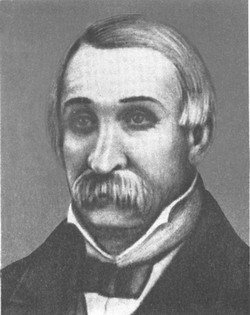
Petro Prokopovych (July 10, 1775 – April 3, 1850) was a Ukrainian beekeeper, educated at the Kyivan Mohyla Academy before serving in the army from 1794 to 1798, widely credited within Eastern European beekeeping history as one of the earliest pioneers of the frame hive concept. He developed his design in the early 19th century, well before the movable-frame hive became standardized internationally through Langstroth’s later, separately developed American design.
His Frame Hive, Decades Before Langstroth
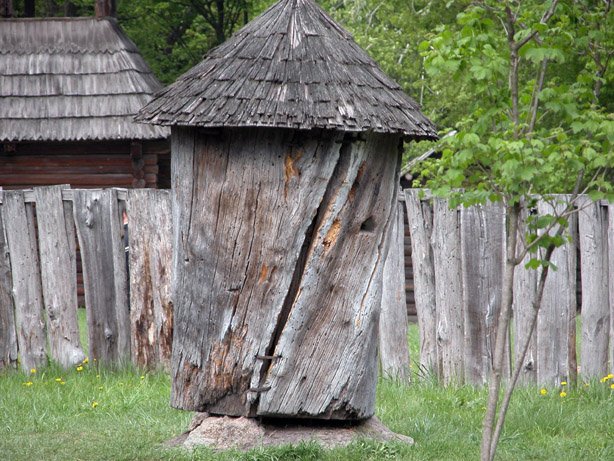
Prokopovych developed a working frame hive around 1814, allowing beekeepers to remove individual honeycomb sections for harvesting without destroying the entire nest structure, a genuinely significant improvement over the destructive skep and log-hive methods still dominant in much of Europe at the time. According to the Encyclopedia of Ukraine, he was the first in the world documented to extract clear comb honey without harming the bees. This predates Langstroth’s 1852 patent by roughly four decades, making Prokopovych’s design one of the earliest documented practical frame-hive systems in beekeeping history.
Why Frame Hive Ideas Emerged in Multiple Places Around This Era
Prokopovych’s innovation didn’t happen in a vacuum; the late 18th and early 19th centuries saw a broader wave of agricultural and scientific advancement across Europe, with naturalists and practical farmers alike experimenting with improved methods across many fields, beekeeping included. Understanding Prokopovych’s frame hive alongside contemporaries working on similar underlying problems, including the observational research already covered on this site involving François Huber in Switzerland, helps place his specific innovation within a genuine broader pattern of the era rather than treating it as an isolated, disconnected curiosity.
Why He Remains Less Known Internationally
Despite the genuine significance of his innovation, Prokopovych remains far less internationally recognized than Langstroth. Geography, language, and Langstroth’s eventual global commercial standardization all played a role — but there’s also a concrete, documented political obstacle: per the Encyclopedia of Ukraine, tsarist authorities specifically blocked Prokopovych from acquiring a printing press to publish his own Ukrainian-language beekeeping lectures. His work, documented and taught primarily within the Russian Empire and later Ukrainian beekeeping tradition, simply didn’t achieve the same worldwide commercial adoption and English-language documentation that carried Langstroth’s name into beekeeping vocabulary internationally.
Tsarist authorities “prevented him from acquiring a printing press” to publish his Ukrainian-language beekeeping lectures.
That specific, documented obstacle — recorded by the Encyclopedia of Ukraine — is a more concrete explanation for his relative international obscurity than geography and language alone.
Founding One of the World’s First Beekeeping Schools
Like François Huber in Switzerland, whose own foundational research came from an entirely different angle decades earlier, Prokopovych represents another real example of significant beekeeping innovation happening well outside what later became the dominant Anglo-American narrative. Beyond his hive design, Prokopovych founded the first scientific beekeeping school in Eastern Europe, which trained nearly 600 apiarists between 1828 and 1874 — a documented, specific figure, not a vague claim of influence. This educational contribution is genuinely significant in its own right, reflecting a broader commitment to advancing beekeeping as a teachable, improvable practice rather than treating his hive design as his only lasting contribution to the field.
Separating Brood From Honey Storage
A key practical benefit of Prokopovych’s frame design was the ability to separate brood-rearing areas from honey storage areas within the hive, allowing beekeepers to harvest surplus honey without disturbing the colony’s brood or destroying the nest entirely in the process. This brood-honey separation concept, achieved through his specific frame arrangement, addressed a genuinely important practical beekeeping problem that traditional destructive-harvest methods simply couldn’t solve.
Practical Impact on Honey Yield and Colony Survival
Beyond the conceptual innovation, Prokopovych’s frame design had genuinely practical consequences: allowing selective honey harvest without destroying the entire colony meant beekeepers could take surplus honey while leaving the colony and its brood intact to continue producing in future seasons, rather than needing to kill or severely disrupt a colony at every harvest the way traditional skep-based destructive methods generally required. This shift from an essentially one-time-harvest-then-rebuild model toward sustained, repeated colony productivity represents a genuinely significant practical advance in its own right, independent of the design’s later historical overshadowing by Langstroth’s more famous invention.
What His Design Didn’t Fully Solve
It’s worth stating honestly that Prokopovych’s frame hive, while genuinely innovative, didn’t incorporate the precise “bee space” principle that Langstroth would later formalize — the specific gap dimension bees won’t fill with either burr comb or propolis, which is what made Langstroth’s frames fully, cleanly removable in a way earlier frame designs, including Prokopovych’s, didn’t fully achieve. This is a genuinely important, historically meaningful distinction worth stating clearly rather than treating as a minor technical footnote: Langstroth’s specific contribution was less “inventing the frame hive concept from nothing” and more “solving the remaining practical problem that made frame hives fully commercially viable,” building on a concept others, including Prokopovych, had already begun exploring.
His Legacy in Ukraine and Eastern Europe
Within Ukraine specifically, Prokopovych is recognized as a genuinely foundational figure in national beekeeping history, with his contributions commemorated in Ukrainian beekeeping education and cultural memory in a way that reflects real, lasting national significance, even though that recognition hasn’t historically translated into the same level of international name recognition Langstroth holds in English-language beekeeping contexts.
Prokopovych’s Hive vs. the Langstroth Hive
| Feature | Prokopovych’s Frame Hive (c. 1814) | Langstroth Hive (1852) |
|---|---|---|
| Core innovation | Removable frame sections | Removable frames using precise bee-space |
| Brood/honey separation | Yes | Yes |
| Fully clean frame removal | Limited | Yes, via bee-space principle |
| International commercial adoption | Primarily regional | Global standard |
Common Misconceptions
The most common misconception is assuming Langstroth invented the entire concept of a removable-frame hive from nothing, when earlier frame-based designs including Prokopovych’s already existed and had seen real practical use decades before Langstroth’s specific patent. A second common misconception is assuming Prokopovych’s relative international obscurity reflects a lesser or less genuine achievement, when the more accurate explanation involves a documented mix of geography, language, and a specific tsarist-era restriction on publishing his Ukrainian-language work, rather than any shortfall in the substance of what he actually built.
Frequently Asked Questions
Did Petro Prokopovych and Lorenzo Langstroth ever have any documented connection or communication?
There’s no documented direct connection between the two; they developed their respective frame hive innovations independently, decades apart, within entirely separate national and linguistic beekeeping traditions.
Is Prokopovych’s original hive design still used by any beekeepers today?
Modern Ukrainian and Eastern European beekeeping has, like most of the world, largely moved toward Langstroth-style equipment and its direct descendants, though Prokopovych’s historical design remains genuinely significant within regional beekeeping history and education.
Why is the bee-space principle considered such an important distinction between the two designs?
Without precise bee-space dimensions, bees will fill small gaps with either burr comb or propolis, making frames difficult to remove cleanly; Langstroth’s specific formalization of this exact spacing is what made his design more reliably commercially practical than earlier frame concepts.
How many students passed through Prokopovych’s beekeeping school during his lifetime?
The Encyclopedia of Ukraine documents that his school trained nearly 600 apiarists over the period 1828–1874, a specific, sourced figure rather than a vague estimate.
Was Prokopovych’s frame hive design ever exported or adopted outside the Russian Empire during his lifetime?
His design and methods primarily circulated and were adopted within the Russian Empire and neighboring regions during his lifetime, rather than achieving the kind of broad international export and adoption Langstroth’s design would later see, consistent with the documented tsarist-era publishing restriction and the language and geography factors already discussed.
Where can someone learn more about Prokopovych’s specific hive design and methods?
The Encyclopedia of Ukraine and broader Eastern European beekeeping history resources document his contributions in more depth than most English-language beekeeping sources, reflecting his stronger regional historical recognition.
Does this history change how modern beekeepers should think about who “invented” beekeeping as we know it?
It’s a genuinely useful corrective: rather than crediting a single inventor with the entire modern beekeeping system, the honest history involves multiple independent innovators across different countries and decades, each solving pieces of the same underlying practical problem, with Langstroth’s design ultimately becoming the global standard more through practical completeness and commercial timing than through being the sole original idea.
Further Reading
For more on this topic, see the Encyclopedia of Ukraine’s biography of Petro Prokopovych.
Related reading: Charles Dadant’s story, Moses Quinby, the father of practical American beekeeping.