Eva Crane was a trained physicist who received a beehive as a wedding present in 1942, and by the time she died in 2007 at age 95, she had turned that gift into the founding of the world’s leading bee-research institution and the single most comprehensive scholarly history of beekeeping ever written. Nearly every article on this site that touches honey-hunting traditions, ancient beekeeping, or the deep history of apiculture rests, at some remove, on the fieldwork this one woman did across more than 60 countries.
Key Takeaways
- Eva Crane (born Ethel Eva Widdowson, 12 June 1912 – 6 September 2007) trained as a physicist and mathematician, lecturing in physics at Sheffield University in the early 1940s, before a wedding-gift beehive redirected her entire career toward bee science.
- In 1949 she founded the Bee Research Association from her own home, which grew into the International Bee Research Association (IBRA) — still today the publisher of the peer-reviewed Journal of Apicultural Research and Bee World magazine.
- She headed IBRA until 1984 and, over her lifetime, wrote more than 180 papers, articles, and books — many published in her seventies and eighties.
- Her 1999 book, The World History of Beekeeping and Honey Hunting, is the definitive academic reference on the subject: a 700-plus-page synthesis of fieldwork in more than 60 countries that underpins much of what’s known today about honey-hunting cultures from Nepal to the Maya lowlands.
- The IBRA’s Eva Crane Library and Archive, and the independent Eva Crane Trust established after her death, continue to fund bee research in her name.
Table of Contents
- From Wartime Physics Lecturer to Beekeeper
- Founding the Bee Research Association
- Sixty Countries of Fieldwork
- Why Her Work Still Matters
- Frequently Asked Questions
From Wartime Physics Lecturer to Beekeeper
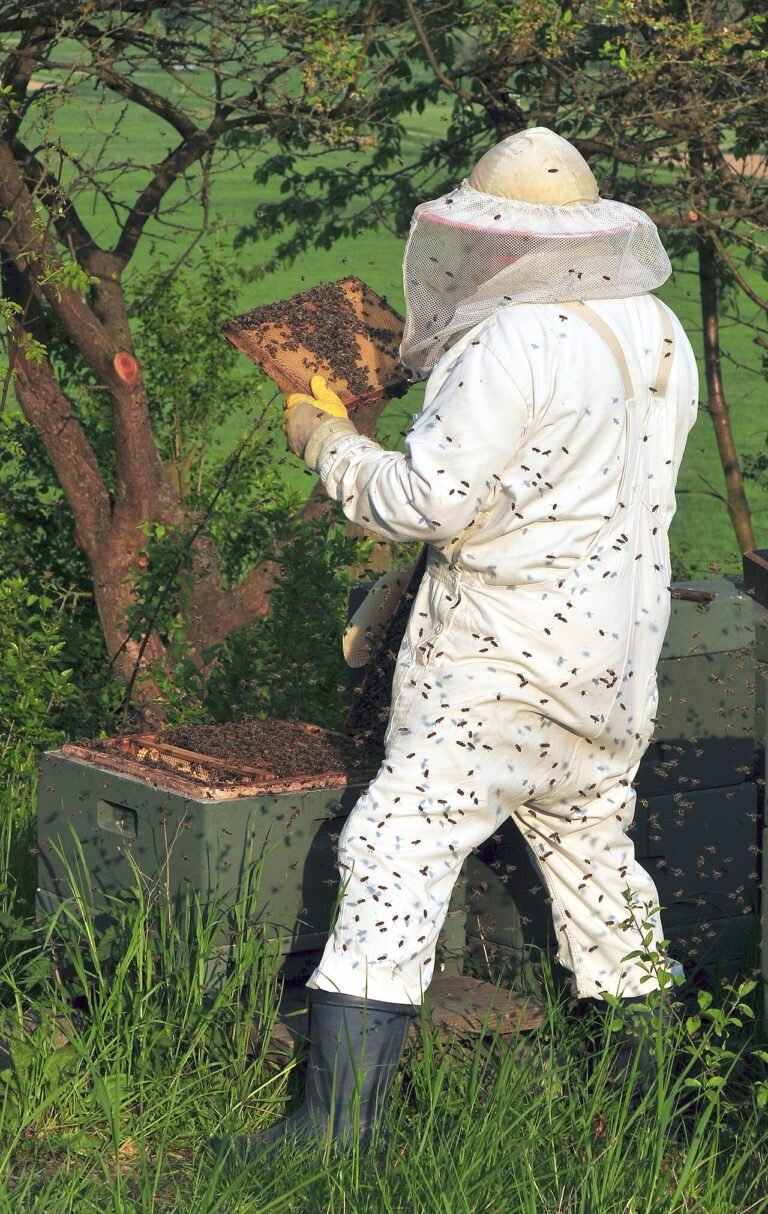
Eva Crane was not trained as a naturalist, an entomologist, or an agricultural scientist. She was a mathematician and quantum physicist. In 1941 she took a post as a Lecturer in Physics at the University of Sheffield, and the following year she married James Crane, a stockbroker. Among their wedding presents was a working beehive — given, as the story is usually told, to help supplement the couple’s wartime sugar ration with home-produced honey.
What started as a practical wartime workaround became a genuine scientific fascination. Crane began reading everything available on bee biology and beekeeping practice and quickly found the existing literature scattered, inconsistent, and in many cases scientifically unreliable. Rather than simply keeping bees as a hobby, she set out to build something that didn’t yet exist: a rigorous, centralized, international clearinghouse for bee research.
Founding the Bee Research Association
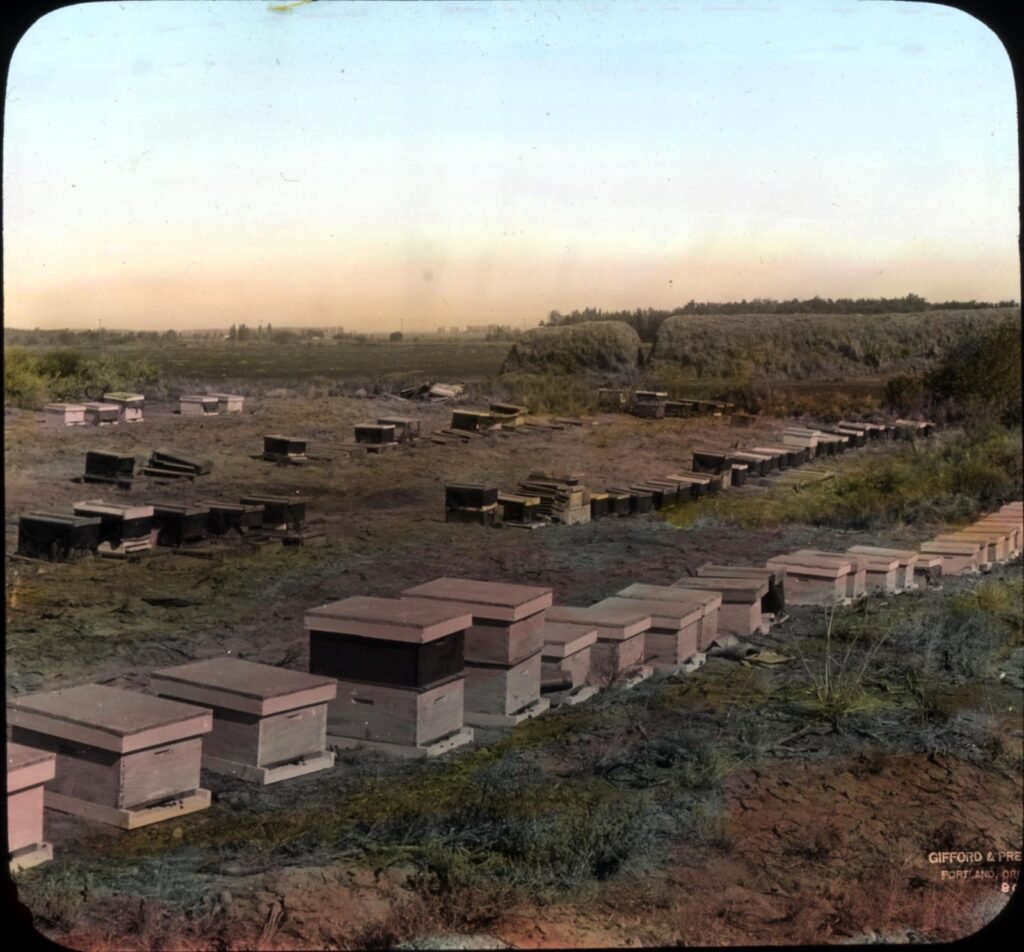
In 1949, Crane founded the Bee Research Association, initially run out of the Cranes’ own living room. It was a genuinely unusual project for the time: a dedicated, ongoing effort to collect, review, and disseminate bee science from around the world rather than leaving it fragmented across national journals and regional beekeeping societies that rarely spoke to each other.
The association later became the International Bee Research Association (IBRA), which Crane headed until 1984. IBRA remains active today, publishing the peer-reviewed Journal of Apicultural Research and the long-running magazine Bee World, and maintaining the Eva Crane Library and Archive — one of the largest dedicated collections of beekeeping and apiculture literature anywhere in the world. That an organization founded from a private home by someone with no formal training in entomology became, and remains, a central pillar of international bee science is itself a fairly remarkable outcome, and it happened because Crane treated the absence of good synthesis as a problem worth personally solving rather than simply complaining about.
Sixty Countries of Fieldwork
What sets Crane apart from most of the inventors and breeders covered elsewhere in this site’s history coverage — Langstroth, Dzierzon, Berlepsch, Dadant — is that her contribution wasn’t a single hive design or a genetic discovery. It was comprehensive, first-hand, comparative fieldwork, carried out over decades and, according to her own later accounts and obituaries, in more than 60 countries, often in genuinely difficult conditions: remote regions with little existing documentation of local beekeeping and honey-hunting practice.
That fieldwork culminated in her 1999 book The World History of Beekeeping and Honey Hunting, widely regarded as the single most comprehensive scholarly reference on the subject ever produced. It’s the kind of source that specialist writers on ancient and traditional beekeeping practices — the Maya stingless-bee tradition, cliff-face honey hunting in Nepal, Ethiopia’s tej-and-honey economy, tree beekeeping in Russia — routinely cite or build on, whether or not they credit her by name. She followed it with Bees and Beekeeping: Science, Practice and World Resources (1990) and several other books, on top of more than 180 papers and articles published across her career — a substantial share of them written in her seventies and eighties, well past when most researchers have stopped publishing.
Why Her Work Still Matters
Crane’s career runs directly against a genre convention this site’s own history coverage has otherwise followed without much variation: nearly every named historical figure profiled elsewhere in this cluster — François Huber, Johann Dzierzon, August von Berlepsch, L.L. Langstroth, Charles Dadant, A.I. Root, Anton Janša, Karl von Frisch, Petro Prokopovych — is a man, and most made their mark through a single hive design, a genetic discovery, or an institutional legacy tied to one country’s beekeeping industry. Crane’s contribution doesn’t fit that mold. She wasn’t trying to build a better hive or discover a new mechanism of bee biology; she was trying to make sure the world’s existing, scattered knowledge about bees and beekeeping — including knowledge held by honey-hunting communities with no written tradition of their own — didn’t simply disappear ungathered.
She died on 6 September 2007 in Slough, England, at 95. The Eva Crane Trust, established after her death, continues to fund research and scholarship in bee science and the history of beekeeping, and IBRA’s journal and archive both still bear the direct imprint of the institution she started in her own living room in 1949.
Frequently Asked Questions
Who was Eva Crane?
Eva Crane (1912–2007) was a British physicist and mathematician who redirected her career toward bee science after receiving a beehive as a wedding present in 1942. She founded the Bee Research Association in 1949, which became the International Bee Research Association, and wrote the definitive academic history of beekeeping.
What is Eva Crane’s most famous book?
The World History of Beekeeping and Honey Hunting (1999), a comprehensive synthesis of her decades of fieldwork in more than 60 countries. It remains the standard scholarly reference on the global history of beekeeping and traditional honey hunting.
What is the International Bee Research Association?
IBRA is the organization Crane founded in 1949, originally called the Bee Research Association. It publishes the Journal of Apicultural Research and Bee World, and maintains the Eva Crane Library and Archive, a major collection of beekeeping literature.
Was Eva Crane a trained scientist in bees or entomology?
No. She trained and worked as a physicist and mathematician, including a post as a physics lecturer at the University of Sheffield in the early 1940s, before shifting her research focus entirely to bees and beekeeping after 1942.
Is the Eva Crane Trust still active?
Yes. Established following her death in 2007, the Eva Crane Trust continues to fund research and scholarship connected to bee science and the history of beekeeping.
For further reading, see the Eva Crane Trust.