Last Updated September 15, 2026
Decades before Lorenzo Langstroth patented the movable-frame hive, a Swiss naturalist who couldn’t see designed a hive that opened like the pages of a book — and used it, through the eyes of a devoted assistant, to correct centuries of mistaken beliefs about honeybee biology. François Huber’s story stands out as one of the more genuinely remarkable in the entire history covered on this site: rigorous, foundational, patiently accumulated science conducted almost entirely without the ability to directly observe, even once, the very insects being so carefully studied.
Key Takeaways
- Who he was: François Huber (1750–1831), a Swiss naturalist blinded in adolescence who nonetheless became one of the foundational figures in scientific beekeeping research.
- How the science happened: His assistant, François Burnens, conducted the physical hive observation and reported findings back for Huber to interpret and direct further experiments — a genuine, sustained research partnership, later supported also by Huber’s wife, Marie-Aimée Lullin.
- His invention: The “leaf hive” (ruche à feuillets) — hinged frames that opened like the pages of a book — let every comb be inspected without destroying the hive, decades before Langstroth’s 1852 patent.
- His book: “Nouvelles Observations sur les Abeilles” (“New Observations on Bees”), first published in Geneva in 1792 (English translation 1806), with a second expanded volume in 1814.
- Key discovery: Established that queen bees mate in flight away from the hive, correcting earlier, inaccurate beliefs about honeybee reproduction.
Table of Contents
- Who Was François Huber?
- Losing His Sight
- François Burnens: The Assistant Who Made the Science Possible
- The Leaf Hive: A “Book” That Opened Onto Every Comb
- Correcting the Record on Queen Mating
- Documenting How Feeding Determines Caste
- His Influence on Later Bee Research
- Nouvelles Observations sur les Abeilles
- A Genuine Model of Collaborative Science
- The Leaf Hive vs. the Langstroth Hive
- Huber’s Discoveries at a Glance
- Common Misconceptions
- Frequently Asked Questions
Who Was François Huber?
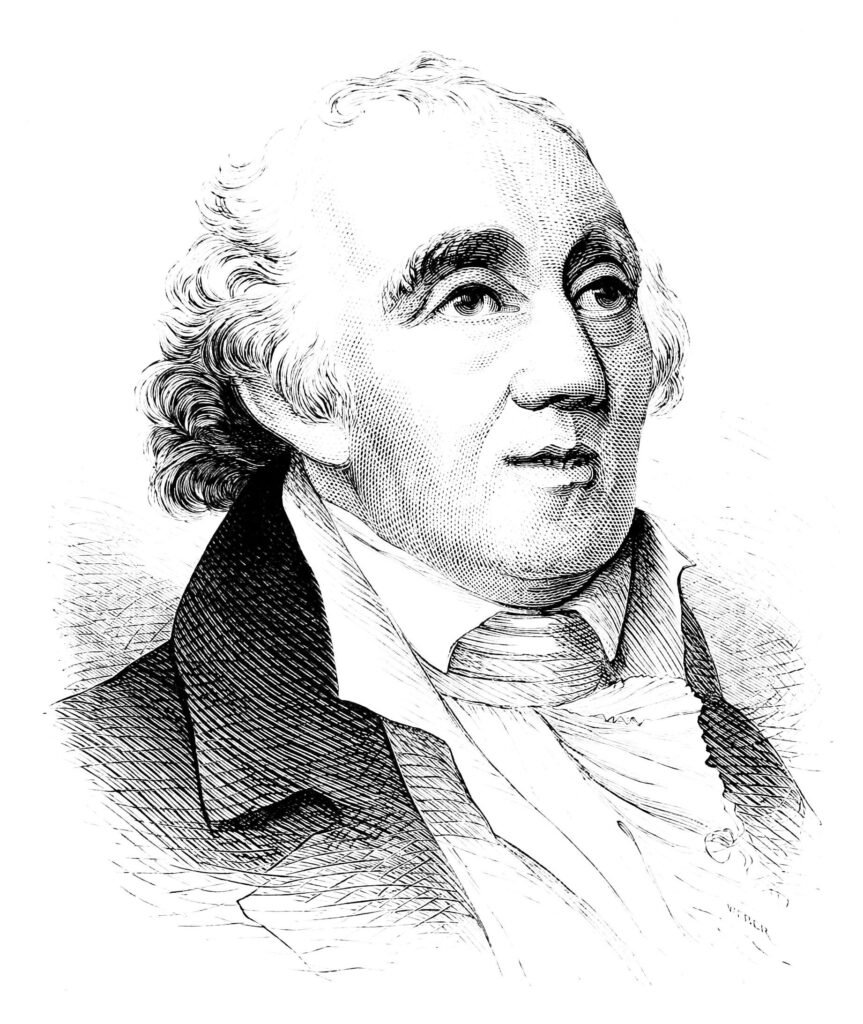
François Huber (July 2, 1750 – December 22, 1831) was a Swiss naturalist widely regarded as one of the foundational figures in scientific beekeeping research. Working primarily in the late 18th and early 19th centuries, well before Darwin and well before the modern movable-frame hive existed, Huber conducted detailed, methodical honeybee research that corrected significant misconceptions held by earlier naturalists and beekeepers.
Losing His Sight
Huber began losing his eyesight around age fifteen due to illness, progressing to total blindness — a genuinely significant fact given that his most important scientific contributions came entirely after this loss. Rather than ending his scientific ambitions, his blindness shaped an entirely different, collaborative research method: he directed careful, guided experiments and observations conducted by others on his behalf, interpreting and building on what was reported to him with the same rigor a sighted researcher would apply to direct observation.
François Burnens: The Assistant Who Made the Science Possible
Central to Huber’s entire research program was François Burnens (1760–1837), the son of peasant farmers from Oulens-sous-Échallens in the Canton of Vaud, who arrived in Huber’s household in 1780 and served as his devoted and remarkably patient assistant — effectively his eyes across years of painstaking, detailed hive observation. Burnens conducted the physical work of opening hives, tracking individual bees, and reporting detailed observations back to Huber, who would then direct further specific experiments based on what was described to him. This collaborative research model is genuinely worth highlighting on its own terms: Huber’s scientific contribution depended on a real, sustained partnership rather than being a solo achievement, and Burnens’ careful, disciplined observation work deserves credit alongside Huber’s own scientific direction.
Huber’s 1792 findings showed for the first time that a virgin queen has to leave the hive to mate, overturning generations of mistaken belief about how honeybee colonies reproduce.
The Leaf Hive: A “Book” That Opened Onto Every Comb
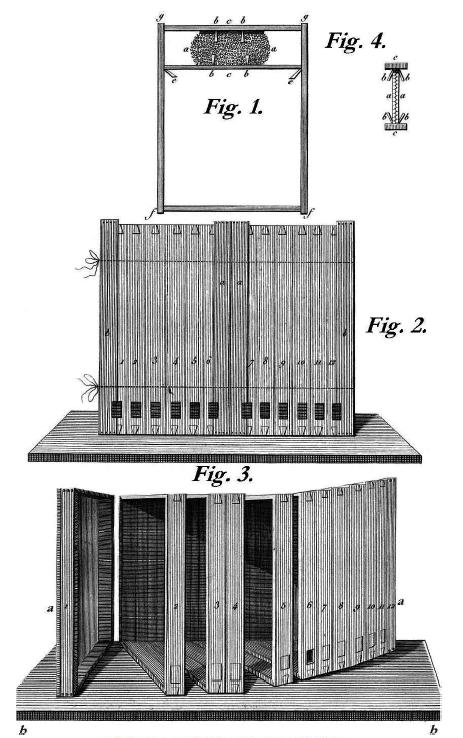
To make this detailed observation possible at all, Huber designed the “leaf hive” (ruche à feuillets), a hive built from multiple hinged wooden frames that could be swung open individually like the pages of a book, exposing every comb for direct inspection without destroying the structure. This was a genuinely significant, forward-thinking innovation in hive design, one that predated Langstroth’s later movable-frame patent by several full decades and representing one of the earliest serious attempts to solve the same fundamental problem later beekeeping equipment would continue refining: how to inspect a colony’s internal structure without destructive disruption.
Correcting the Record on Queen Mating
Through Burnens’ careful observation, Huber’s research helped establish that queen bees mate in flight, away from the hive, correcting earlier and less accurate beliefs about honeybee reproduction that had circulated among naturalists and beekeepers before his work. This finding, still consistent with what modern research confirms about honeybee reproduction, represents exactly the kind of empirically grounded correction that made Huber’s research so significant to the broader development of apiculture as a genuine science rather than a collection of folk beliefs.
Documenting How Feeding Determines Caste
Huber’s research also contributed meaningfully to understanding how differential feeding shapes caste development within a colony, documenting how a larva destined to become a queen is fed and treated differently than one that will become a worker. This foundational observation, later refined and explained in more biochemical detail by subsequent research, was a genuinely important early step toward understanding how a single genetic starting point can develop into the physically and behaviorally distinct castes that structure a honeybee colony.
His Influence on Later Bee Research
Huber’s foundational work established a rigorous empirical standard for honeybee research that influenced generations of naturalists who followed, including later researchers whose own discoveries built directly on the kind of careful, sustained hive observation Huber pioneered. Karl von Frisch, whose own dance-language discoveries came more than a century later, worked within a scientific tradition of patient, methodical bee observation that Huber’s research had helped establish as a legitimate, rigorous field of study rather than casual folk knowledge.
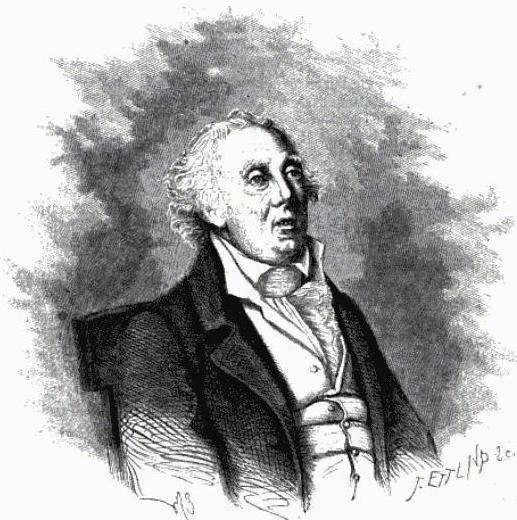
Nouvelles Observations sur les Abeilles
Huber’s research culminated in his book “Nouvelles Observations sur les Abeilles” (“New Observations on Bees”), first published in Geneva in 1792 and translated into English in 1806. A second, expanded volume followed in 1814, covering additional subjects including comb construction and experiments on bee respiration. This work compiled his and Burnens’ years of detailed hive observations into a genuinely foundational scientific text, one that influenced beekeeping and honeybee biology research for generations after its publication and remains cited in serious historical accounts of the field today.
A Genuine Model of Collaborative Science
Huber’s research method is also worth understanding on its own terms as a genuine, historically significant model of collaborative science, rather than framing it narrowly as a story of a disabled researcher overcoming a limitation. Burnens’ disciplined, carefully reported observation and Huber’s scientific direction and interpretation functioned as complementary halves of a single research process, each genuinely necessary and neither reducible to the other, offering a real historical example of how significant scientific discovery doesn’t always require one person to personally perform every step of the empirical work.
The Leaf Hive vs. the Langstroth Hive
While Huber’s leaf hive and Langstroth’s later movable-frame hive both solved the same core problem of non-destructive comb inspection, they took genuinely different mechanical approaches: Huber’s book-like hinged frames versus Langstroth’s free-standing frames resting on precisely spaced rails using the bee-space principle. Langstroth’s design ultimately proved more practical for widespread commercial adoption, but Huber’s leaf hive deserves recognition as a genuine conceptual predecessor, tackling the same fundamental inspection problem decades earlier with the tools and materials available to him.
Huber’s Discoveries at a Glance
| Discovery | What It Corrected or Established |
|---|---|
| Queen mating flight | Corrected earlier misconceptions about how queens mate |
| Caste development via feeding | Documented differential feeding’s role in caste outcome |
| Leaf hive design | Enabled non-destructive full-comb inspection decades before Langstroth |
| Detailed comb-building observation | Documented worker involvement in wax production and comb construction |
Common Misconceptions
The most common misconception is assuming Huber’s blindness limited his research to secondhand theorizing rather than genuine empirical science, when in reality his method involved rigorous, directed observation carried out through a trusted collaborator, producing results that held up to the same scientific scrutiny as sighted researchers’ work. A second common misconception is crediting Langstroth with the very first attempt at a hive designed for non-destructive inspection, when Huber’s leaf hive represents a genuine, earlier attempt at solving that same core problem.
Frequently Asked Questions
How did François Huber conduct research if he couldn’t see the bees himself?
He directed detailed, methodical observation and experimentation carried out primarily by his assistant François Burnens, who reported findings back to Huber for interpretation and further experimental direction, a genuine collaborative scientific method rather than secondhand guesswork.
Is the leaf hive still used by beekeepers today?
No, it has been almost entirely superseded by Langstroth-style movable-frame hives and their descendants, which proved more practical for large-scale commercial use, though the leaf hive remains historically significant as an early solution to the same inspection problem.
What is François Huber’s book actually called and is it still available to read?
His major work is titled “Nouvelles Observations sur les Abeilles” (“New Observations on Bees”), originally published in French in Geneva in 1792, translated into English in 1806, and reprinted editions have made his findings accessible to English-language readers and historians of science since.
Why isn’t François Huber as well known today as Langstroth?
Langstroth’s hive became the practical commercial standard still used worldwide, giving his name broader ongoing recognition, while Huber’s contribution, though scientifically foundational, is more specifically remembered within beekeeping history and honeybee biology circles rather than in general public awareness.
Were there other assistants or collaborators involved in Huber’s research besides Burnens?
His wife, Marie-Aimée Lullin, is also documented as having supported his work in genuine, meaningful ways over the course of his research career, reflecting that his broader household and personal circle played a real role in sustaining the decades of careful observation his discoveries depended on, beyond Burnens’ direct hive work alone.
Did Huber’s findings face any skepticism or controversy at the time of publication?
As with many significant scientific claims, some contemporaries questioned findings from a researcher who could not personally verify observations firsthand, though the accumulated weight of consistent, repeatable results reported through Burnens over years of work gradually established Huber’s credibility within the broader naturalist community of his era.
Did Huber’s research cover topics beyond queen mating and caste development?
Yes, his and Burnens’ documented observations extended to broader colony behavior, comb-building processes, and general hive organization, making “Nouvelles Observations sur les Abeilles” a genuinely comprehensive early treatment of honeybee biology rather than a narrow study limited to just one or two specific questions.
Further Reading
For more on this topic, see the Linda Hall Library’s Scientist of the Day profile of François Huber and a historical account of François Huber’s contributions to hive science.