Australia’s 2019-2020 “Black Summer” bushfires destroyed roughly 5,000 hives and millions of bees in New South Wales alone, and the damage went far beyond the hives themselves — the fires burned so much native flowering forage, particularly flowering eucalypts, that New South Wales honey production was projected to fall by around 30 percent for at least the following decade. This site has already covered two other real beekeeping disasters — the 2023 Turkey earthquakes and the 2021 Winter Storm Uri polar vortex — and Black Summer belongs in that same real, documented category: a disaster whose consequences for beekeeping outlasted the headlines by years.
Key Takeaways
- The 2019-2020 Black Summer bushfire season burned an extraordinary area of southeastern Australia, destroying an estimated 5,000 hives and millions of bees in New South Wales alone, with one insurer alone reporting that beekeepers affected by a single fire (the Dunns Road fire near Tumut) may have lost more than 6,000 hives.
- The larger, longer-lasting damage was to forage, not just hives — NSW honey production was projected to fall roughly 30 percent for at least a decade, since many flowering eucalypt species take five to twenty years to recover enough to produce meaningful nectar and pollen again.
- The fires had a real downstream effect on pollination-dependent agriculture, adding to existing concern for Australia’s roughly $1 billion almond industry, which depends entirely on bee pollination.
- Displaced and fire-affected beekeepers pushed for, and in some cases won, greater access to unburnt national park land to place surviving hives where forage still existed — a direct policy consequence of the disaster.
- The multi-year forage recovery timeline is the single most important lesson for beekeepers anywhere reading this after their own regional wildfire: hive losses are the visible damage, but forage loss is the disaster that keeps compounding for years afterward.
The Scale of the Fire Season Itself
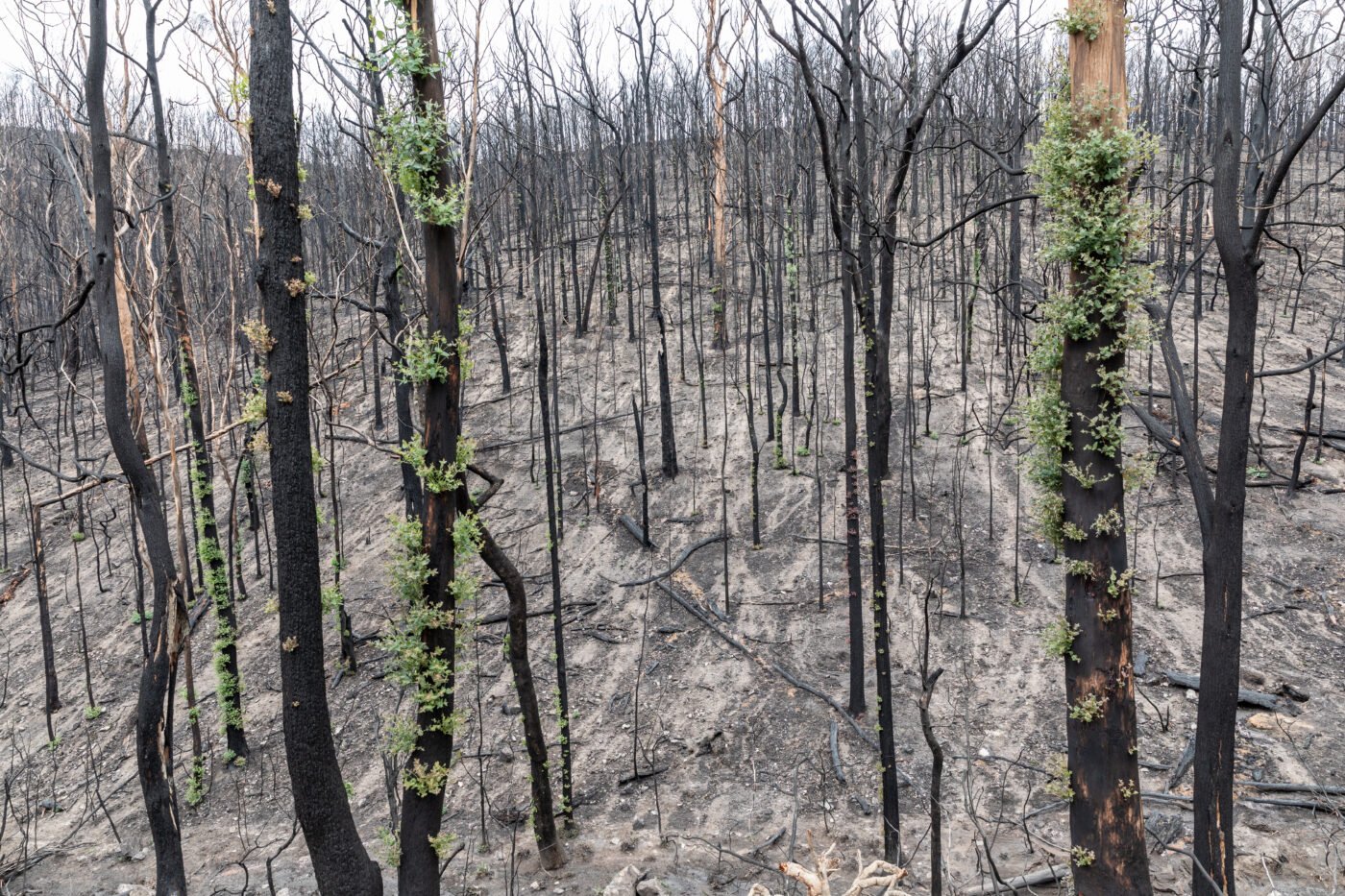
Black Summer refers to the 2019-2020 Australian bushfire season, an unusually early, intense, and geographically extensive series of fires across southeastern Australia, primarily New South Wales and Victoria. It followed an extended drought that left forests exceptionally dry, and the fires that resulted burned through an enormous area of both settled agricultural land and native bushland — including huge stretches of the eucalypt forest that much of Australia’s commercial honey industry depends on directly for nectar flow.
Direct Losses to Beekeeping
| Impact | Documented scale |
|---|---|
| Hives destroyed, NSW | Approximately 5,000 hives and millions of bees |
| Single-fire hive losses (Dunns Road fire, near Tumut) | Insurer reports suggest more than 6,000 hives lost from beekeepers affected by this one fire |
| Projected NSW honey production decline | Roughly 30% for at least the following decade |
| Eucalypt forage recovery timeline | Five to twenty years for some flowering gum species to produce meaningful nectar and pollen again |
New South Wales matters specifically here because it’s Australia’s largest honey-producing state — a 30 percent decline projected specifically for that state was a disproportionately large hit to the country’s total honey output, not just a regional dip.
The Forage Problem: Why This Wasn’t a One-Season Disaster
A destroyed hive is a total, immediate, quantifiable loss — but it’s also, in principle, replaceable within a season or two given healthy forage and available bees. What made Black Summer different from a typical hive-loss event was the scale of forage destruction: many of the flowering eucalypt species Australian commercial beekeepers depend on for major honey flows don’t simply resprout and bloom again the following spring. Some take five to twenty years to mature enough to produce nectar and pollen at a meaningful commercial scale again. That timeline is the real reason the projected 30 percent NSW honey production decline was framed as a decade-long impact rather than a single bad year — the bees can be replaced faster than the flowers they depend on can regrow.
Beekeepers assessing the damage estimated it could take between five and twenty years for some flowering gum species to fully recover and produce enough nectar and pollen to support commercial-scale beekeeping again — a timeline that reframes a bushfire from a single-season event into a decade-long industry disruption.
Ripple Effects Into Pollination-Dependent Agriculture
The damage didn’t stay contained to honey production. Australia’s almond industry, valued at roughly $1 billion and, like almond growing regions worldwide, entirely dependent on bee pollination for a crop, had genuine cause for concern given the scale of hive losses and the multi-year forage disruption to surviving colonies’ health and strength heading into future pollination seasons. This is the same basic dynamic covered in this site’s piece on the value concentrated in almond pollination operations — when something disrupts the regional bee population’s health at scale, the effects reach well beyond the beekeeping industry itself and into the broader agricultural economy that depends on it.
The Policy Response: Access to National Parks
One of the more direct, documented policy consequences of Black Summer was a push by fire-affected beekeepers for greater access to unburnt national park land, where surviving colonies could be relocated to reach forage that no longer existed on their normal home ground. This wasn’t a hypothetical ask — beekeepers publicly and specifically appealed for expanded access in the fires’ immediate aftermath, framing it correctly as a direct, practical response to a real and otherwise unsolvable forage shortage rather than a general policy preference.
What Other Regions Can Actually Learn From This
Black Summer, the 2023 Turkey earthquakes, and Winter Storm Uri’s 2021 polar vortex are three genuinely different disaster types — fire, seismic, and extreme cold — but they share a pattern worth internalizing regardless of which specific disaster a beekeeper in any region might eventually face: the immediate, countable loss (destroyed hives) is rarely the whole story, and the recovery timeline is often set by something slower and less visible than the disaster itself, whether that’s regrowing forage, rebuilding regional colony genetics, or restoring damaged infrastructure. Disaster planning that only accounts for hive replacement, without accounting for a multi-year forage or ecosystem recovery window, is planning for the wrong timeline.
Frequently Asked Questions
How many hives were actually lost in the Black Summer bushfires?
Estimates put New South Wales losses at roughly 5,000 hives and millions of bees, with insurer reporting suggesting beekeepers affected by the Dunns Road fire near Tumut alone may have lost more than 6,000 hives — indicating the true statewide total may be higher than headline figures suggested.
Why did honey production keep declining years after the fires ended?
Because the fires destroyed vast areas of flowering eucalypt forage that commercial beekeeping depends on, and some of those tree species take five to twenty years to recover enough to produce meaningful nectar and pollen again — the forage loss, not the fire itself, set the actual recovery timeline.
Did the bushfires affect crops beyond honey production?
Yes — the scale of hive losses and forage disruption raised real concern for Australia’s roughly $1 billion almond industry, which relies entirely on bee pollination, illustrating how a beekeeping-specific disaster ripples into broader agriculture.
What did beekeepers actually do in response?
Among other responses, fire-affected beekeepers publicly appealed for expanded access to unburnt national park land, seeking places to relocate surviving hives to reach forage that no longer existed on their usual sites — a direct, documented policy consequence of the disaster.
Black Summer is a reminder that a beekeeping disaster’s real cost is measured less in hives lost on the worst day than in how many years it takes the landscape itself to make beekeeping viable again.