Last Updated September 14, 2026
Long before purpose-built bee suits and the standardized, carefully engineered veils sold today, beekeepers protected their faces from stings using essentially whatever practical materials happened to be on hand — wrapped cloth, wide-brimmed hats, and improvised netting. The veil’s gradual evolution into a reliable, purpose-built piece of protective equipment tracks closely alongside several other 19th-century beekeeping innovations already covered elsewhere on this site, including the history of the smoker.
Key Takeaways
- Bee veils evolved from improvised wrapped cloth and hat-and-netting combinations to wire mesh, then to the rigid-frame “fencing veil” that’s the modern standard.
- The most persistent design problem across early veils was fabric or netting touching the skin — a bee can sting through thin material pressed against skin just as easily as with no barrier at all.
- The 19th-century shift to movable-frame hives, which required far more frequent close inspection, is what created real pressure for reliable, purpose-built facial protection rather than ad hoc solutions.
- Light or white veil and suit coloring is a genuine practical choice: bees show documented defensive-behavior differences toward dark colors and certain textures associated with natural predators.
- Modern synthetic mesh and rigid fencing-veil frames solved the fabric-touching-skin problem directly, though bulk and cost remain the tradeoff against older, simpler designs.
Table of Contents
- What Is a Bee Veil?
- Early, Improvised Face Protection
- Why the Need for Reliable Veils Grew in the 1800s
- The Wide-Brimmed Hat and Veil Combination
- Early Wire Mesh Veils
- The Persistent Problem of Fabric Touching Skin
- Why Veils and Suits Are Typically Light-Colored
- The Fencing Veil Innovation
- Synthetic Mesh and Modern Manufacturing
- Modern Integrated Veil-Suits
- Historical Veil Styles vs. Modern Fencing Veils
- Common Misconceptions
- Frequently Asked Questions
What Is a Bee Veil?
A bee veil is simply a piece of protective equipment covering the head, face, and neck, made of mesh or netting fine enough to see through while blocking stinging insects from reaching the skin underneath. Today it’s typically worn as part of a full integrated bee suit or attached separately to a hat or jacket, but its basic core function — reliably protecting the most sensitive and hardest-to-avoid part of the body during close hive inspection work — has remained genuinely constant across centuries of otherwise significant design changes.
Early, Improvised Face Protection
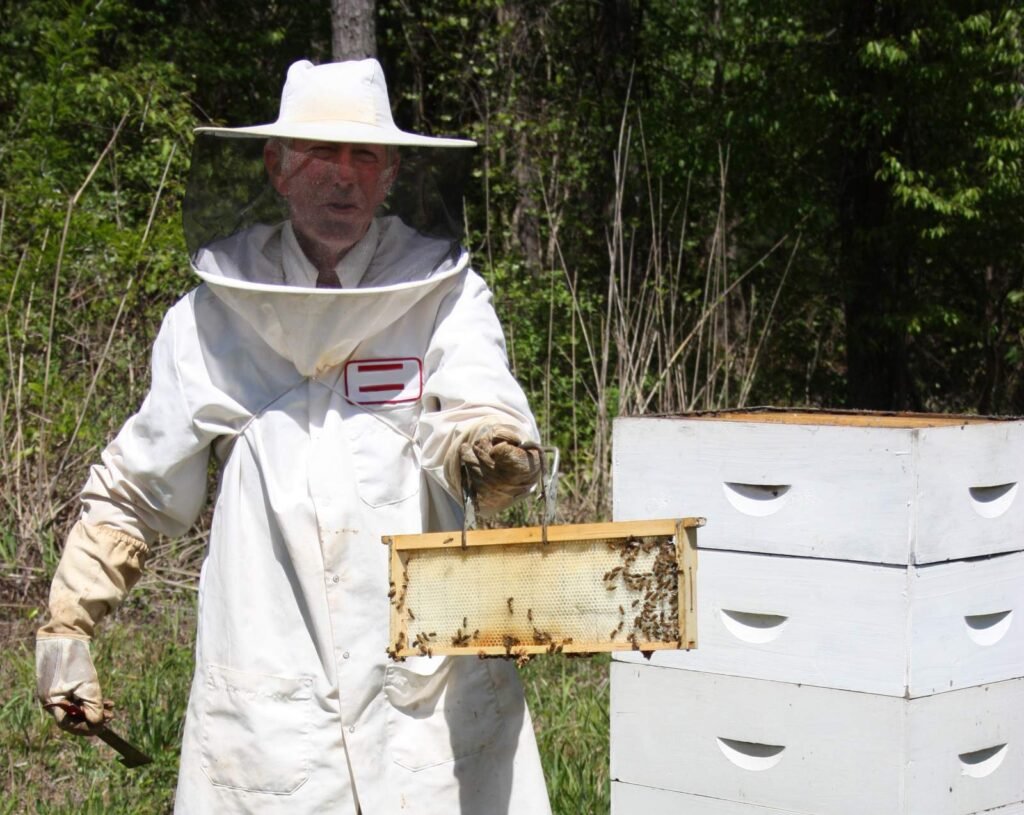
Long before any standardized commercial veil existed, historical beekeepers protected their faces using whatever practical materials were available, including cloth wrapped around the head and face or simple netting draped from a hat. These early makeshift solutions were reasonably functional but genuinely inconsistent, varying considerably from one individual beekeeper’s own improvisation to the next rather than following any single shared design standard.
Why the Need for Reliable Veils Grew in the 1800s
The 19th-century shift toward movable-frame hives meaningfully changed how often beekeepers needed to open and inspect their colonies. Frequent, closer inspection work brought beekeepers’ faces nearer to defensive bees on a more regular basis than the older, less frequently disturbed hive designs had required, creating genuine practical pressure for more reliable, comfortable, purpose-built facial protection rather than ad hoc solutions improvised on an as-needed basis.
The Wide-Brimmed Hat and Veil Combination
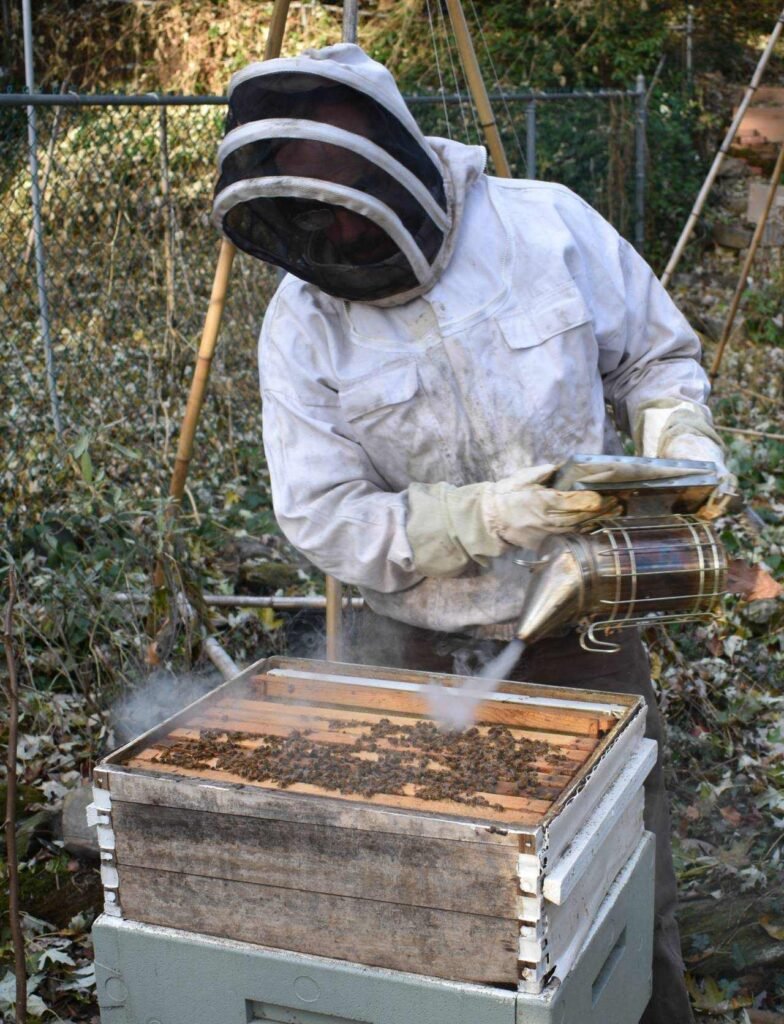
One of the most recognizable historical beekeeping images is the wide-brimmed hat with netting descending down over the shoulders, sometimes referred to informally as a bonnet-style veil. This practical design used the hat’s wide brim to help hold netting away from the face while also covering the neck and upper shoulders reasonably well, and it remained a common, practical veil style for a considerable period even as more specialized designs eventually emerged alongside it. This era of increasingly purpose-built gear runs parallel to the history of the Langstroth hive itself.
Early Wire Mesh Veils
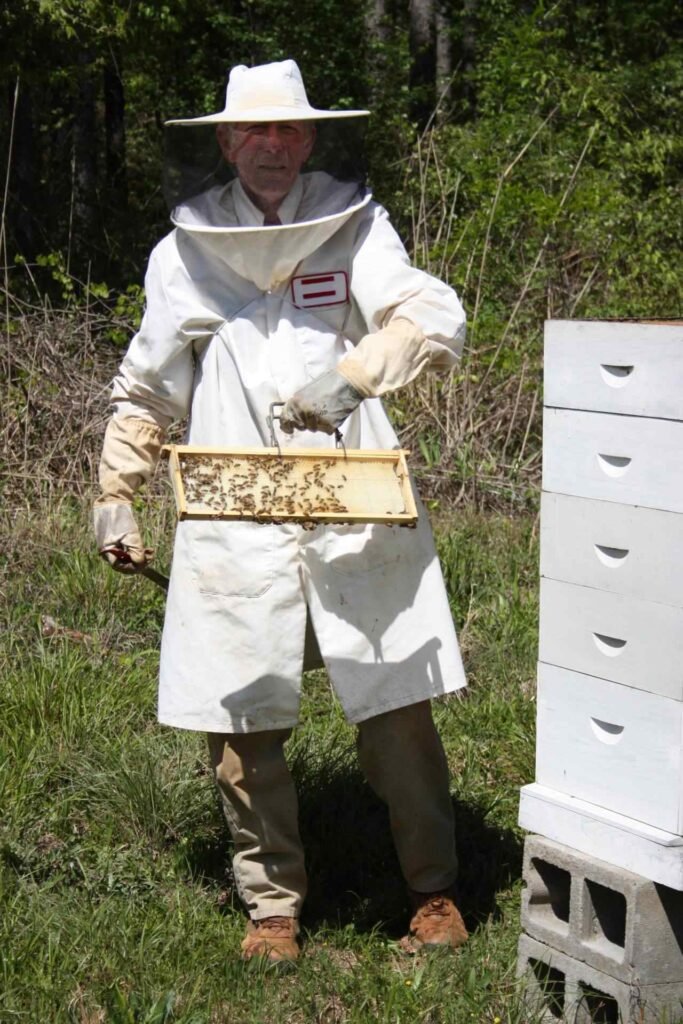
Wire mesh veils represented an early alternative to fabric netting, offering genuine durability and good visibility advantages over cloth-based designs. Wire construction held its shape reliably and resisted wear better than delicate fabric netting, though it came with real tradeoffs in weight and breathability compared to lighter cloth or synthetic mesh options that would later become more common.
The Persistent Problem of Fabric Touching Skin
A genuinely persistent practical problem across many early veil designs was fabric or netting pressing directly against the face or neck, since a bee can sting through thin material touching the skin just as effectively as if no barrier were there at all. This wasn’t a minor cosmetic annoyance but a real functional flaw, and solving it — keeping mesh reliably away from the skin regardless of movement or wind — became a genuine design priority that later veil innovations specifically targeted.
Why Veils and Suits Are Typically Light-Colored
The overwhelmingly common light or white coloring of veils and bee suits reflects a genuine practical consideration rather than pure aesthetic tradition: honeybees show documented defensive behavior differences toward dark colors and certain textures, associating them more readily with natural predators like bears, and light-colored clothing generally provokes a calmer response during hive inspections — the same reasoning behind the bee suit essentials guidance on this site. This color choice became a consistent, deliberate design standard as veil and suit manufacturing matured, rather than being an arbitrary industry convention.
The Fencing Veil Innovation
The modern “fencing veil,” named for its resemblance to a fencing competitor’s protective mask, addressed the fabric-touching-skin problem directly through a rigid, structured frame that holds mesh consistently away from the face regardless of wind or movement. This design represents a genuine, meaningful refinement over older soft-fabric veils, offering both better visibility through a more rigid, evenly-tensioned mesh panel and more reliable sting protection than looser hanging netting ever provided.
Synthetic Mesh and Modern Manufacturing
Modern veils have largely moved to synthetic mesh materials such as polyester or nylon netting, offering a genuinely favorable combination of light weight, durability, and airflow that older cloth or wire designs couldn’t match simultaneously. This manufacturing shift paralleled broader synthetic textile developments through the 20th century, allowing veil designers to fine-tune mesh density for visibility and breathability without sacrificing the sting-resistant barrier the material needs to provide.
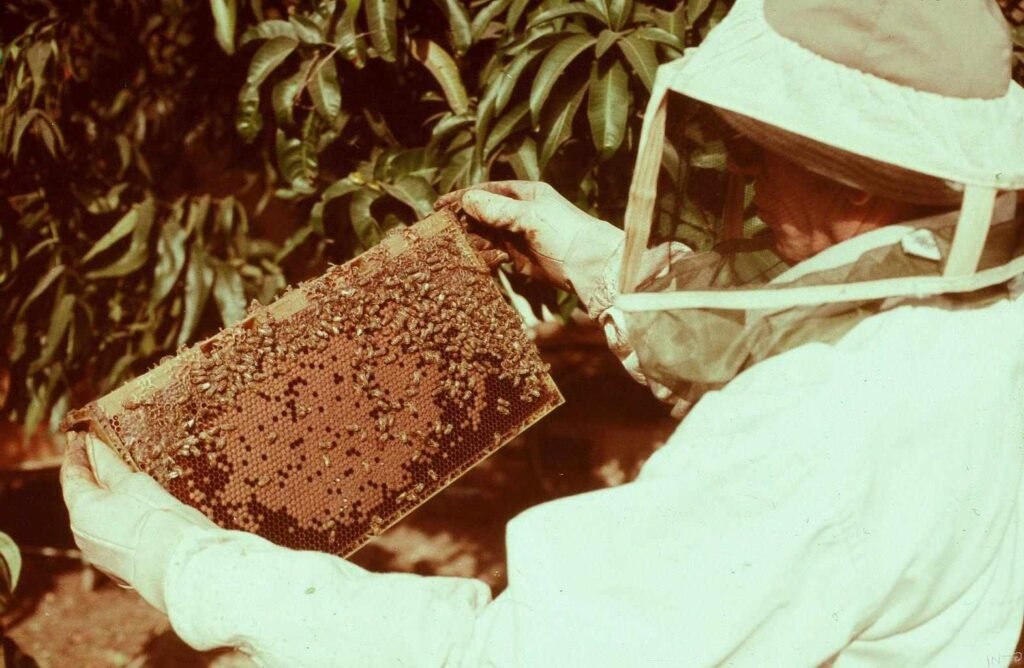
Modern Integrated Veil-Suits
Contemporary beekeeping equipment increasingly integrates the veil directly into a full suit via zippers, creating a single continuous protective barrier from head to ankle rather than relying on a separate veil, hat, and jacket combination with potential gaps between pieces. This integrated approach, covered in more practical detail in the bee suit essentials and kids’ bee suit buying guide content already on this site, reflects the culmination of this long design evolution toward more reliable, gap-free protection.
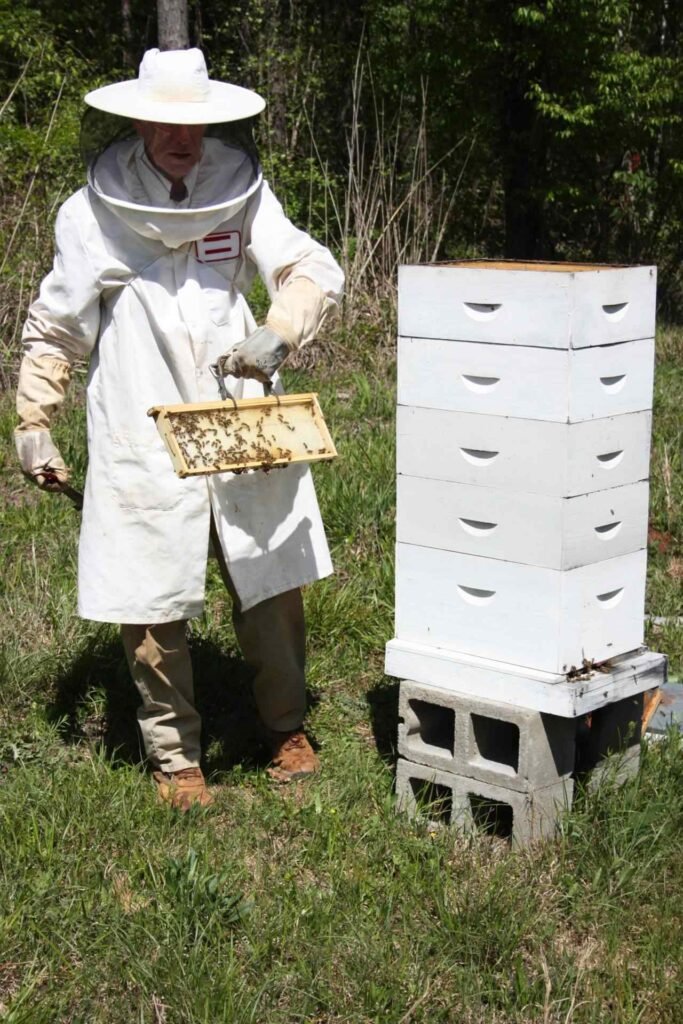
Historical Veil Styles vs. Modern Fencing Veils
| Feature | Hat-and-Netting Veil | Early Wire Veil | Modern Fencing Veil |
|---|---|---|---|
| Material | Cloth netting | Wire mesh | Synthetic mesh, rigid frame |
| Skin contact risk | Higher | Moderate | Low |
| Weight | Light | Heavy | Light |
| Visibility | Variable | Good | Very good |
Common Misconceptions
The most common misconception is assuming the veil has always looked essentially like today’s standard fencing-style veil, when the design went through genuine, meaningful iterations, from wrapped cloth to hat-and-netting combinations to wire mesh before arriving at the modern rigid-frame fencing design. A second common misconception is assuming a veil alone, regardless of era or design, guarantees complete sting protection, when fabric-to-skin contact has been a real, documented failure point across multiple historical veil styles.
Frequently Asked Questions
Why is it called a “fencing veil” specifically?
The name reflects its visual resemblance to the protective mask worn by fencing athletes, both featuring a rigid frame holding mesh away from the wearer’s face rather than loose fabric draped over it.
Do any beekeepers still use older-style hat-and-netting veils today?
Some beekeepers still use simpler, more traditional veil styles, particularly for brief or low-risk inspections, though the modern fencing veil has become the more widely recommended standard for reliable protection during regular hive work.
Is a full integrated bee suit always better than a separate veil and jacket?
Not necessarily for every situation; a separate veil paired with lighter clothing can offer more breathability in hot weather, while a full integrated suit offers more consistent, gap-free protection, making the choice a genuine tradeoff depending on climate and personal preference.
Can a modern fencing veil still allow stings through if worn incorrectly?
Yes, if the veil isn’t properly secured or if it shifts significantly during inspection work, gaps can still allow access, meaning correct fit and secure attachment remain important regardless of how advanced the veil design itself is.
Did beekeepers in ancient times use any form of face protection at all?
Documentation is thin for the ancient period specifically, but the earliest clearly documented depiction of a beekeeper’s net veil dates to the medieval period (roughly the 11th century), well before any standardized commercial design existed, suggesting face protection is a genuinely old practice even if early records are sparse.
Is there a specific person or company credited with inventing the fencing veil the way Langstroth is credited with the movable-frame hive?
Unlike the Langstroth hive, there isn’t one single, widely documented inventor credited with the fencing veil. Some sources point to UK beekeeping suppliers popularizing the modern rigid-frame design in the mid-20th century, but this is less rigorously documented than the veil’s earlier, better-recorded evolution from cloth to hat-and-netting to wire mesh.
Is there any downside to the modern fencing veil compared to older, simpler designs?
The main tradeoff is generally bulk and cost, since a rigid-frame fencing veil or fully integrated suit typically costs more and takes up more storage space than a simple hat-and-netting combination, though most beekeepers consider the improved reliability well worth that modest additional expense and bulk.
How should a beekeeper check whether their veil still provides reliable protection?
Regularly inspect the mesh for tears or gaps, confirm the rigid frame (if it’s a fencing veil) still holds its shape and keeps mesh consistently away from the face, and check that zippers or attachment points to a suit or jacket seal completely without gaps.
Sources: Wikipedia’s overview of beekeeping protective clothing and a history of medieval and early bee suit evolution.
Image credits: Photo: Ich, CC BY-SA 4.0, via Wikimedia Commons.