Last Updated September 15, 2026
Arthur Conan Doyle retired Sherlock Holmes to a small farm on the Sussex Downs to keep bees, and it was never a throwaway joke — the detective is explicitly described as having written a “Practical Handbook of Bee Culture, with Some Observations upon the Segregation of the Queen,” and Conan Doyle brought him back from that retirement specifically as an aging beekeeper turned wartime spy in “His Last Bow” (1917). It’s one of the more genuinely detailed literary retirements in popular fiction, and it maps onto a real place well enough that fans still argue over exactly which Sussex village Holmes supposedly lived in.
Key Takeaways
- Conan Doyle placed Holmes’s retirement on “a small farm upon the Downs, five miles from Eastbourne,” in Sussex — a real, identifiable stretch of English countryside, not an invented setting.
- The retirement is confirmed and given real substance in “The Adventure of the Lion’s Mane” (1926), narrated by Holmes himself, in which he mentions his bee book by title and describes beekeeping as his chosen occupation in old age.
- “His Last Bow” (1917), set on the eve of the First World War, brings a retired, beekeeping Holmes back into action as a spy — meaning Conan Doyle didn’t abandon the bee detail, he built directly on it years later.
- Clues scattered across the stories (the Eastbourne distance, references to the South Downs) point fans and scholars toward the village of East Dean or nearby Westdean as the likely real-world model for Holmes’s fictional farm, though Conan Doyle never named an exact location.
- The detail reflects a genuine late-Victorian and Edwardian cultural pattern: beekeeping was a widely respected retirement pursuit for educated professional men of exactly Holmes’s background, not an eccentric or comedic choice for its era.
Table of Contents
- Why Conan Doyle Chose Beekeeping
- “The Adventure of the Lion’s Mane”: Holmes in His Own Words
- “His Last Bow”: Bringing the Beekeeper Back
- Where Was Holmes’s Farm, Really?
- Beekeeping as a Victorian Gentleman’s Retirement
- The 2016 “Discovery” of Holmes’s Handbook
- Frequently Asked Questions
Why Conan Doyle Chose Beekeeping
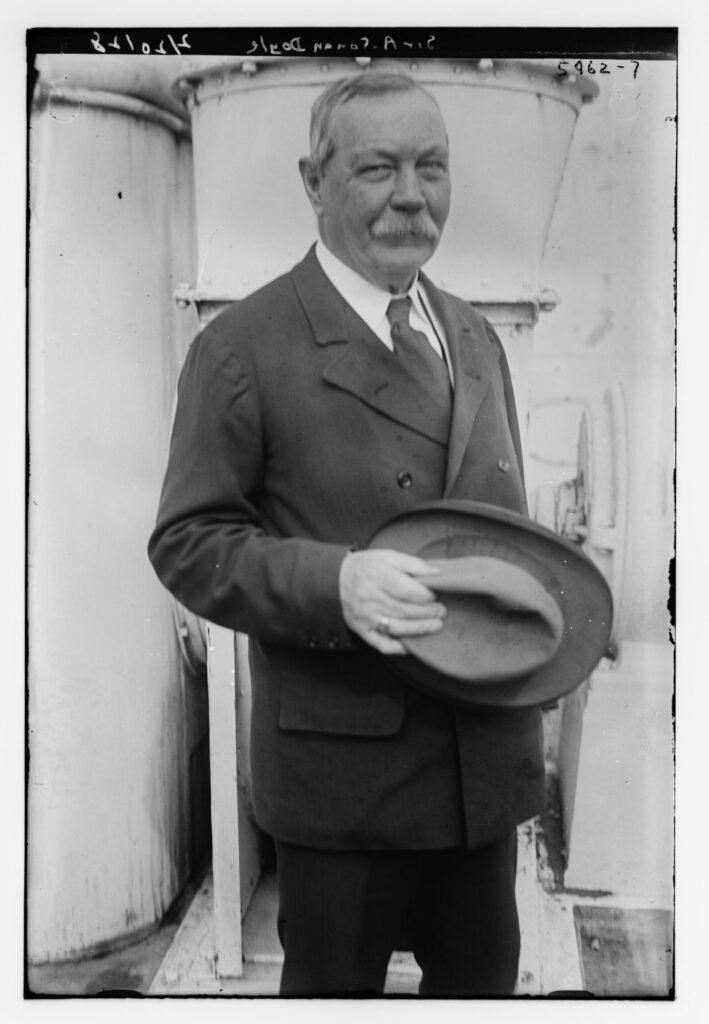
By the time Arthur Conan Doyle wanted Holmes off the stage for good, he needed a retirement believable enough for a famously restless, hyper-analytical character — not a passive one. Beekeeping fit that requirement unusually well for a late-Victorian audience: it demanded genuine intellectual engagement (understanding colony behavior, disease, seasonal management), rewarded close, patient observation exactly like detective work did, and carried real social respectability as a pursuit for an educated professional man rather than reading as either too idle or too manual a labor for a character of Holmes’s standing. Conan Doyle didn’t invent this pairing from nothing; he was drawing on a genuine cultural association between careful, analytical minds and beekeeping as a natural retirement interest, one this site’s own history of the hobby’s more analytically minded practitioners touches on repeatedly.
“The Adventure of the Lion’s Mane”: Holmes in His Own Words
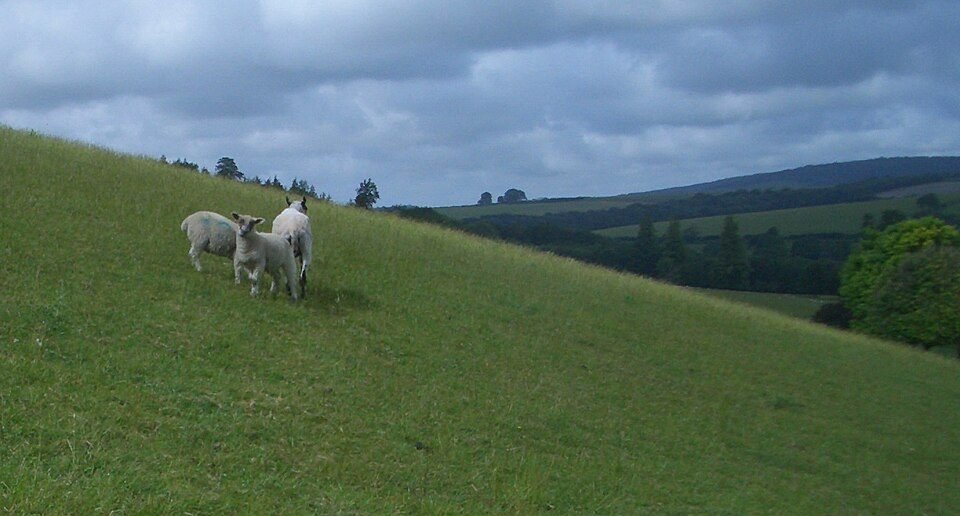
The clearest and most detailed confirmation of Holmes’s beekeeping retirement comes from “The Adventure of the Lion’s Mane,” published in 1926 and unusual among the Holmes stories for being narrated by Holmes himself rather than Dr. Watson. In it, Holmes explicitly refers to having authored a book titled “Practical Handbook of Bee Culture, with Some Observations upon the Segregation of the Queen” — a title specific and technically plausible enough that it reads as a genuine piece of period beekeeping literature rather than a vague gag. Holmes describes his retirement occupation with real specificity, treating beekeeping as a serious, considered second career rather than simply “the old detective puttering around a garden” — consistent with how thoroughly Conan Doyle treated every other technical detail across the canon.
“His Last Bow”: Bringing the Beekeeper Back
Conan Doyle didn’t treat the beekeeping retirement as a detail to quietly drop once it had served its purpose. “His Last Bow,” published in 1917 and set on the eve of the First World War, pulls an older Holmes out of his Sussex retirement for one final case — recruiting him as a spy to counter German intelligence operations just before the war begins. The story is explicit that Holmes is coming from his bee farm and returning to it once the mission concludes, treating the retirement as an ongoing, stable fact of the character’s life rather than a plot device that had been forgotten. That Conan Doyle chose to reactivate this specific detail, nearly a decade after first establishing it, is itself evidence he considered the beekeeping retirement a meaningful, permanent part of who Holmes had become by the end of the canon.
Where Was Holmes’s Farm, Really?
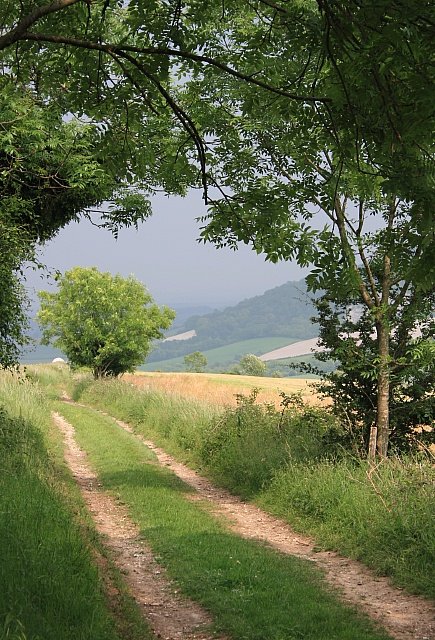
Conan Doyle gave real geographic specificity without ever naming an exact village: Holmes’s farm sits “on the Downs, five miles from Eastbourne.” That single detail, combined with general references to the South Downs landscape across the later stories, has led generations of Holmes scholars and enthusiasts to point toward the area around East Dean and the neighboring village of Westdean as the most plausible real-world match — close enough to Eastbourne to fit the stated distance, and sitting directly on the chalk downland Conan Doyle describes. No plaque or historical record marks an actual “Holmes farm” because the character and the location are fictional, but the specificity is real enough that fans still visit the area today explicitly because of the Holmes connection, a rare case of a fictional detective’s retirement address generating genuine literary tourism in the English countryside.
Beekeeping as a Victorian Gentleman’s Retirement
Conan Doyle wasn’t inventing an eccentric hobby out of nowhere; educated, professionally successful men retiring to keep bees was a genuinely recognized pattern in late-Victorian and Edwardian England, sitting alongside gardening and natural history as respectable pursuits for a certain class of retired professional. It required just enough specialized knowledge and equipment to be intellectually satisfying without requiring the physical labor of full-scale farming, and it fit neatly into the same late-19th-century surge of interest in modern, science-informed beekeeping that also produced serious contemporary manuals, exactly the kind of literature Holmes’s own fictional handbook was designed to evoke. Read against that backdrop, Holmes’s retirement isn’t a quirky authorial flourish — it’s Conan Doyle placing his most famous character into a genuinely plausible and socially legible ending for a man of his era, intellect, and station.
The 2016 “Discovery” of Holmes’s Handbook
In 2016, retired broadcaster Paul Ashton found a copy of a book titled Practical Handbook of Bee Culture, with Some Observations upon the Segregation of the Queen at a car boot sale in Sussex and bought it for £2. Framed and marketed as Holmes’s own long-lost journal covering 1904 to 1912, it’s presented playfully as though it were a genuine historical find — it’s actually a modern tribute edition, written to fill in the fictional book Conan Doyle only ever referenced by title, and later published by MX Publishing with the Strand Magazine’s involvement. It’s a fun, well-documented example of just how far fans have taken Conan Doyle’s single throwaway detail: a book title that was never actually written has since been written, for real, more than a century later. The publisher’s own account of the find lays out the story in full.
Frequently Asked Questions
Did Sherlock Holmes really retire to become a beekeeper?
Within the fiction, yes — Arthur Conan Doyle explicitly retired Holmes to a small Sussex farm to keep bees, confirmed directly in “The Adventure of the Lion’s Mane” (1926) and referenced again in “His Last Bow” (1917).
What was the name of Holmes’s supposed book on beekeeping?
“Practical Handbook of Bee Culture, with Some Observations upon the Segregation of the Queen,” mentioned by Holmes himself in “The Adventure of the Lion’s Mane.”
Where exactly did Holmes retire to keep bees?
Conan Doyle described it only as a farm “on the Downs, five miles from Eastbourne” in Sussex — never an exact village name, though clues point many fans toward the East Dean/Westdean area of the South Downs.
Does Holmes actually appear as a beekeeper in any story, or is it only mentioned?
Both. It’s mentioned retrospectively in “The Adventure of the Lion’s Mane,” and “His Last Bow” is set during a mission that interrupts his beekeeping retirement, treating it as his established, ongoing life at that point in the canon.
Was beekeeping an unusual retirement choice for a Victorian-era detective character?
No — it fit a genuinely recognized late-Victorian and Edwardian pattern of educated professional men taking up beekeeping in retirement, making it a socially plausible choice for Conan Doyle rather than a purely comedic one.
For additional context, see the National Endowment for the Humanities.
Related Reading
Image credits: Photo: Yak (de.wikipedia), GFDL / CC BY-SA 3.0, via Wikimedia Commons.