Last Updated September 15, 2026
In December 1841, a young English clergyman departed Plymouth with beehives stowed in the ship’s hold, determined to establish honeybees in a country that had never had them before. William Charles Cotton, chaplain to the first Anglican Bishop of New Zealand, is one of the most colorful and genuinely important figures in the early history of New Zealand beekeeping – the author of a beloved, unusually warm-hearted English beekeeping manual who then carried that same enthusiasm across the world and helped establish an industry that would eventually make New Zealand internationally famous for a very different reason: Manuka honey. His own hives, as it turns out, never survived that first voyage – and that inconvenient detail, missing from most popular retellings, is part of what makes his real story more interesting than the tidy version.
This article covers Cotton’s life, his popular English beekeeping book, the honest and slightly more complicated real story of how honeybees actually reached New Zealand and what happened to Cotton’s own attempt, and his lasting role in establishing beekeeping practice in his new home.
Key Takeaways
- Cotton did not bring the first successful honeybees to New Zealand – Mary Bumby did, in March 1839. Cotton’s own hives died before his ship even reached Sydney during his 1841-42 voyage.
- His real, lasting contribution was teaching and writing, including “A Manual for New Zealand Beekeepers” (1848) and “Ko Nga Pi” (1849) – a beekeeping guide he wrote in te reo Māori specifically for Māori communities.
- Cotton spent about five and a half years in New Zealand before returning to England in 1848, later becoming vicar of Frodsham and vice president of the British Beekeepers’ Association.
- The New Zealand beekeeping tradition Cotton helped popularize eventually grew into today’s global Manuka honey export industry.
Table of Contents
- Key Takeaways
- Who Was William Charles Cotton?
- My Bee Book: An Unusually Warm-Hearted Manual
- The 1841 Voyage to New Zealand
- Who Actually Brought the First Honeybees to New Zealand?
- Cotton’s Real Contribution
- Cotton’s Later Life and Return to England
- Real Challenges of Colonial Beekeeping
- Cotton in the Wider Story of Beekeeping’s Global Spread
- Cotton vs. Mary Bumby’s Introduction
- Common Misconceptions
- FAQ
Who Was William Charles Cotton?
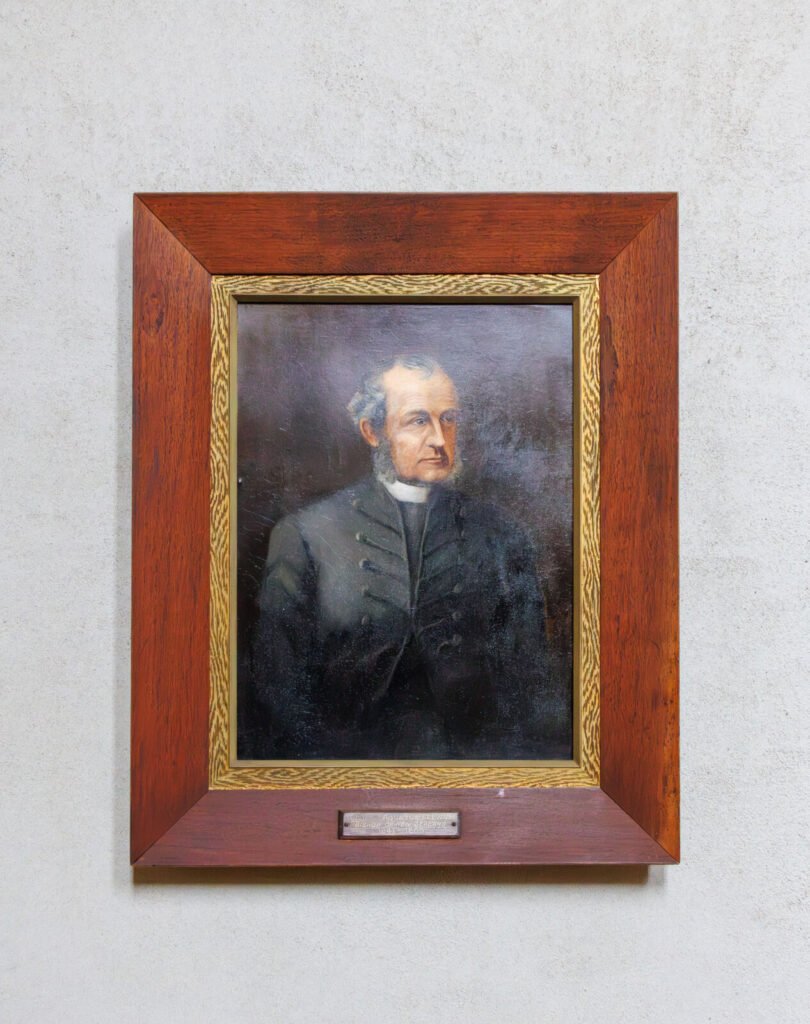
William Charles Cotton (1813-1879) was an English clergyman, Oxford-educated, who developed a genuine enthusiasm for beekeeping well before he ever left England, publishing beekeeping instruction aimed at ordinary rural readers rather than gentleman naturalists. His combination of clerical vocation and hands-on beekeeping advocacy made him a natural fit for the role that would define the most historically significant chapter of his career: chaplain to George Augustus Selwyn, the first Anglican Bishop of New Zealand, whom Cotton accompanied on the 1841-42 voyage that established the Anglican mission in the newly formed colony.
My Bee Book: An Unusually Warm-Hearted Manual
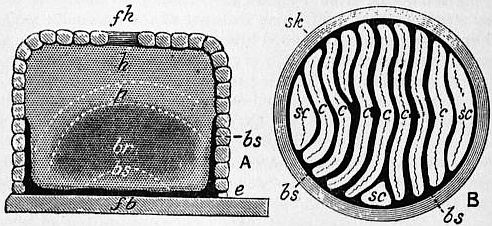
Cotton was already a published beekeeping author before he ever boarded a ship. His 1837 pamphlet, A Short and Simple Letter to Cottagers, from a Bee Preserver, reportedly sold around 24,000 copies – a striking number for a rural instructional tract, and a real sign of how much appetite there was among ordinary readers for accessible, non-technical bee-keeping advice. “My Bee Book,” published in 1842, built on that same approach and stands out among 19th-century beekeeping manuals for its genuinely warm, almost whimsical tone – treating bees with an affectionate, almost personified regard rather than the purely utilitarian, production-focused framing common in agricultural instruction of the period. This tonal choice reflected Cotton’s broader outlook: he wrote for ordinary cottagers and rural readers rather than wealthy gentleman-farmers, aiming to make beekeeping approachable and genuinely enjoyable rather than merely profitable, a democratizing instinct that carried directly into his later missionary and colonial work.
The 1841 Voyage to New Zealand
Cotton departed Plymouth on 26 December 1841 as part of Bishop Selwyn’s founding Anglican mission, sailing aboard the barque Tomatin with beehives on board and the specific intention of establishing honeybees in the new colony. The ship reached Sydney on 14 April 1842, and Cotton and Selwyn then transferred to the brig Bristolian, arriving in Auckland on 30 May 1842.
The bees did not make it. According to Cotton’s own account, the ship’s captain refused to allow the hives to be properly stowed, and the crew’s fondness for the cargo made a bad situation worse:
…sailors were unfortunately so very fond of honey, that many of the Hives were turned up in the night.
By the time the ship reached Sydney, none of Cotton’s original hives had survived. It is a detail conspicuously absent from most short retellings of “the clergyman who brought bees to New Zealand” – and it matters, because it means Cotton’s real historical significance rests on what he did after that failure, not on a successful first delivery.
Who Actually Brought the First Honeybees to New Zealand?
It is honest, and important, to note that Cotton is not credited as the person who successfully brought honeybees to New Zealand – because, as covered above, his own hives never survived the 1841-42 voyage. Mary Bumby, a Wesleyan missionary, is credited with the first successful introduction of honeybees to New Zealand in March 1839, several years before Cotton’s failed attempt, at Mangungu on the Hokianga Harbour. This article treats that 1839 date as the best-documented “first successful introduction” while giving Cotton full and accurate credit for what he actually did: arriving in 1842 as a more prominent, better-documented, and more influentially active figure in teaching and popularizing beekeeping practice across the wider colony, rather than being the person who first landed live bees on New Zealand soil.
Cotton’s Real Contribution
Cotton’s genuine historical significance rests less on being first – he wasn’t, and his own hives never even survived the trip – and more on his sustained role actively teaching and writing about beekeeping within the new colony over the roughly five and a half years he spent there. While serving as a missionary at the Waimate mission station and later as headmaster of St John’s College near Auckland, Cotton kept writing about bees specifically for a New Zealand audience: A Few Simple Rules for New Zealand Beekeepers in late 1844, and A Manual for New Zealand Beekeepers in 1848. In 1849 he went a step further and published Ko Nga Pi (“The Bees”) – a beekeeping instruction booklet written in te reo Māori, aimed directly at teaching Māori communities the practical basics of bee husbandry in their own language. That combination – popularizer and sustained, locally-adapted advocate rather than literal first introducer, including material written for and in the language of Māori readers specifically – is a meaningful and more historically accurate way to credit his contribution, similar to the careful “first widely influential” framing this site has applied to other disputed historical firsts, including New York’s early American foulbrood law.
Cotton’s Later Life and Return to England
Cotton left New Zealand in December 1847 and arrived back in England in May 1848, having spent roughly five and a half years in the colony. In 1857 he was appointed vicar of Frodsham, in Cheshire, where he restored the parish church of St Laurence and remained active in beekeeping circles for the rest of his life – eventually serving as vice president of the British Beekeepers’ Association and assembling a personal library of more than 200 beekeeping books, which he bequeathed to the Frodsham parish. Frodsham’s own later civic identity still carries a trace of his New Zealand years: the town adopted the bee as a local emblem in his honor, and a street near the church, Maori Drive, is named for his mission service.
Cotton’s later life was not without real hardship. He lived with what modern accounts describe as bipolar disorder for much of his adult life, and was admitted to Manor House Asylum in Chiswick in 1865. His health declined further in the late 1870s, and he was readmitted to the asylum in 1879, where he died that June, at age 66.

Real Challenges of Colonial Beekeeping
Establishing honeybees in a brand-new environment carried genuine, practical risks well beyond simply surviving the ocean voyage: colonies had to adapt to entirely unfamiliar flora, an unfamiliar climate and seasonal cycle, and the complete absence of any prior local beekeeping infrastructure or knowledge base to draw on. Cotton’s active teaching and promotion role mattered precisely because early colonial beekeepers in New Zealand had no established local tradition to learn from – unlike an established beekeeping region where practical knowledge passed between generations of local practitioners, New Zealand’s earliest colonial beekeepers depended heavily on imported expertise like Cotton’s to avoid otherwise costly and preventable colony losses.
Cotton in the Wider Story of Beekeeping’s Global Spread
Cotton’s story is part of a broader historical pattern this site has documented across several distinct waves of honeybee introduction to new regions – see our overview of beekeeping history more broadly – with European colonists carrying Apis mellifera to environments where no honeybee species existed before, later followed by the establishment of dedicated local beekeeping traditions and, eventually, entirely new export industries built on regionally distinctive honey. New Zealand’s later emergence as a major source of premium Manuka honey is a genuinely striking long-term outcome of this same 1840s introduction story – the entire modern Manuka honey industry ultimately traces back to the same basic act of establishing honeybee colonies in a country that previously had none, the exact undertaking Cotton dedicated real effort to during his years in the colony. For the fuller arc from Cotton’s era through to today’s Manuka export industry, see our companion article on New Zealand’s beekeeping history.
Cotton vs. Mary Bumby’s Introduction
| Aspect | Mary Bumby (1839) | William Charles Cotton (1841-42) |
|---|---|---|
| Role | Wesleyan missionary | Anglican chaplain to Bishop Selwyn |
| Location | Mangungu, Hokianga | Wider Anglican mission establishment |
| Outcome of the hives brought | Survived; widely credited as the first successful introduction | Did not survive the voyage to Sydney |
| Documented legacy | Brief but foundational | Six published works, incl. a 1849 Māori-language beekeeping manual; later VP of the British Beekeepers’ Association |
Common Misconceptions
- “Cotton was definitively the first person to bring honeybees to New Zealand.” Mary Bumby is credited with the first successful introduction in March 1839, several years before Cotton’s 1841-42 voyage.
- “Cotton’s own hives were the ones that established New Zealand’s honeybee population.” They weren’t – his hives died before the ship even reached Sydney, well short of New Zealand. His lasting contribution was teaching and writing, not that first shipment.
- “My Bee Book was a purely technical, production-focused manual.” It was notably warm-hearted and accessible in tone, aimed at ordinary cottagers rather than gentleman-farmers, distinguishing it from more utilitarian contemporary beekeeping writing.
- “Cotton’s significance is overstated since he wasn’t first.” His genuine, sustained role in actively teaching beekeeping across the new colony – including a manual written specifically in te reo Māori – gives him real, distinct historical significance separate from any “first introduction” claim.
Frequently Asked Questions
Did William Charles Cotton bring the first honeybees to New Zealand?
No. Mary Bumby, a Wesleyan missionary, is credited with introducing the first honeybees to New Zealand in March 1839 at Mangungu. Cotton attempted to bring hives on his own 1841-42 voyage, but they did not survive the trip – he became a significant figure in New Zealand beekeeping through his later teaching and writing, not through a successful first delivery.
What happened to the bees Cotton brought on his 1841 voyage?
They died before the ship reached Sydney. By Cotton’s own account, the captain would not allow the hives to be properly stowed, and several were knocked over in the night by crew members helping themselves to the honey. None of his original hives reached New Zealand alive.
Is Mary Bumby’s 1839 introduction well documented?
It is the most consistently cited “first successful introduction” claim in New Zealand beekeeping history, though as with several other disputed historical firsts covered on this site, this article presents it as the best-supported account available rather than an absolutely unchallengeable fact beyond any historical debate.
Why did a clergyman become a significant figure in beekeeping history?
Cotton’s combination of clerical vocation and genuine hands-on beekeeping enthusiasm was not as unusual for the period as it might seem today – 18th- and 19th-century clergy frequently had the education, financial stability, and available time to pursue serious amateur natural history and agricultural interests, a pattern that made clerical status and genuine scientific or practical interest often complementary rather than competing pursuits in this era.
Is “My Bee Book” still read or referenced today?
It remains a genuinely notable historical document in the broader literature of 19th-century beekeeping writing, referenced by beekeeping historians for its distinctive tone and its author’s subsequent, unusually well-documented role in colonial New Zealand beekeeping – a combination that gives the book real lasting historical interest beyond its original practical instructional purpose.
Did Cotton write anything specifically about beekeeping in New Zealand?
Yes – and this is the part most popular retellings leave out. Beyond “My Bee Book” (written for an English audience before he left), Cotton published “A Few Simple Rules for New Zealand Beekeepers” (1844), “A Manual for New Zealand Beekeepers” (1848), and “Ko Nga Pi” (1849), a beekeeping guide written in te reo Māori specifically to teach Māori communities bee husbandry in their own language.
What happened to beekeeping in New Zealand after Cotton left?
Beekeeping continued developing in New Zealand well beyond Cotton’s 1847 departure, eventually growing into the substantial modern industry now globally recognized for premium honey varieties, most famously Manuka honey. This long arc – from a handful of failed hives and one determined clergyman-advocate in the 1840s to a genuinely significant modern export industry roughly a century and a half later – reflects the same slow, generational buildup pattern seen in several other beekeeping traditions covered on this site, where a modest and even unsuccessful founding moment took many decades to develop into full economic significance.
For more on this topic, see Wikipedia’s account of Rev. William Charles Cotton’s life and the St John’s College Kinder Library’s history of Cotton as “Bee Master of St John’s College”.