Last Updated September 15, 2026
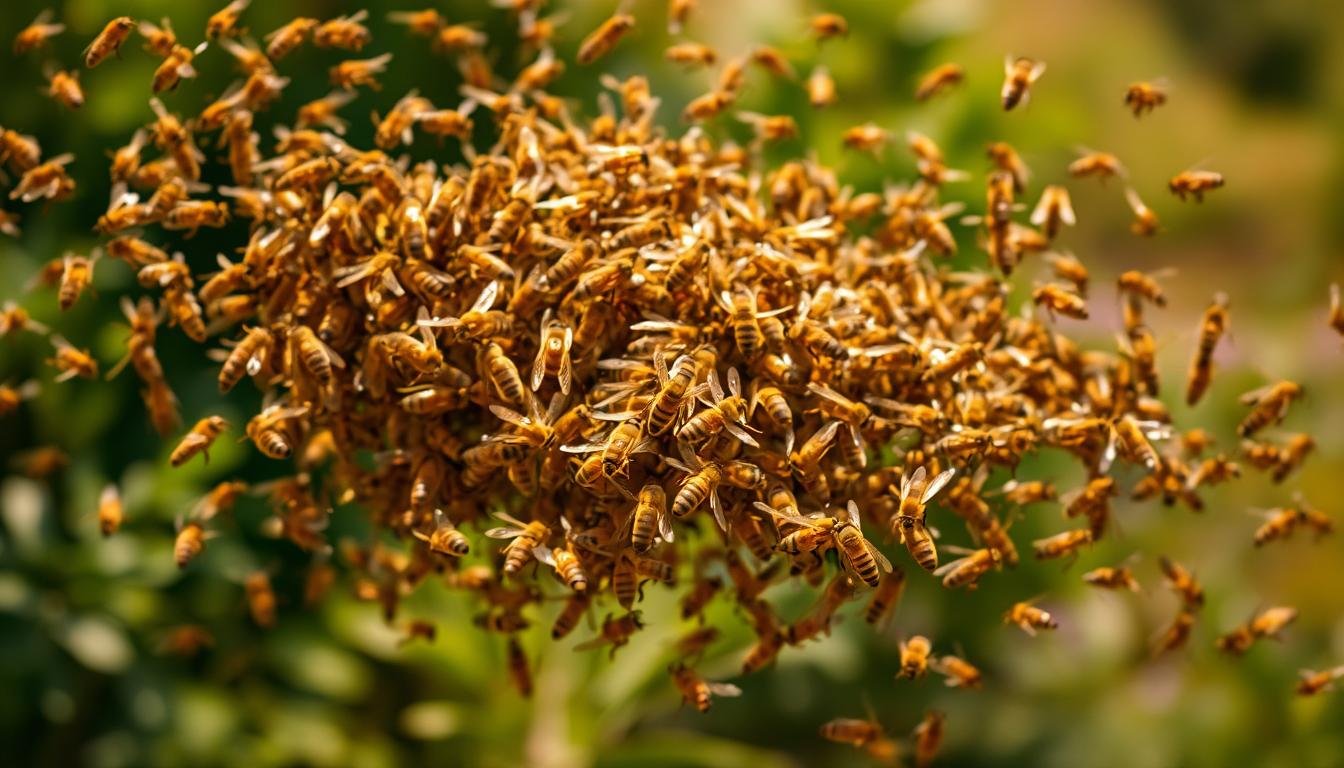
Every single spring, thousands upon thousands of American beekeepers restart their own lost colonies with nothing more than a screened box of loose bees and a caged queen, shipped or trucked in from breeders hundreds of miles away. This entire practice — buying “package bees” rather than a complete, already-established colony — traces back to a real, dateable regulatory milestone: the US Post Office’s January 1, 1913 launch of Parcel Post service, which allowed live bees to travel through the mail from its very first day, followed by roughly two decades of commercial innovation before the industry looked anything like it does today.
Key Takeaways
- Correction to a widely repeated claim: package bee shipping was not created by a “1918 postal regulation.” Live bees were allowed in US mail from Parcel Post’s actual launch on January 1, 1913 – bees and “bugs” were, in fact, among the only animals the original rules allowed at all. In 1918, it was day-old chicks, not bees, that were newly permitted in the mail.
- The real history is gradual: A.I. Root was publicly challenging beekeepers to solve bee-shipping problems as early as 1879, “Bees by the Pound” advertisements appeared by 1881, and commercial pound-package advertising took off after the 1913 Parcel Post rules made nationwide shipping practical.
- By 1917, at least a dozen businesses were shipping bee packages in large numbers; by January 1918, the practice was established enough that a Texas beekeeping trade journal devoted an entire issue to package-shipping technique – a milestone of industry maturity, not a new government rule.
- A standard package today holds about three pounds of worker bees, a separately caged mated queen, and a sugar-syrup feeder can.
- The American South, especially Georgia, became a major package-bee hub thanks to its longer breeding season – a pattern that still holds today.
Table of Contents
- What Is a Package of Bees?
- The Practical Problem Package Bees Solved
- Parcel Post, 1913: The Real Regulatory Turning Point
- How Georgia Became a Package Bee Hub
- Standardizing Package Weight and Queen Inclusion
- A Genuine Disease-Transmission Benefit
- Tied to the Growth of Commercial Queen Rearing
- The Economics Behind Choosing Package Bees
- From Postal Shipment to Modern Truck Delivery
- Package Bees vs. Nucs vs. Full Colonies
- Common Misconceptions
- Frequently Asked Questions
What Is a Package of Bees?
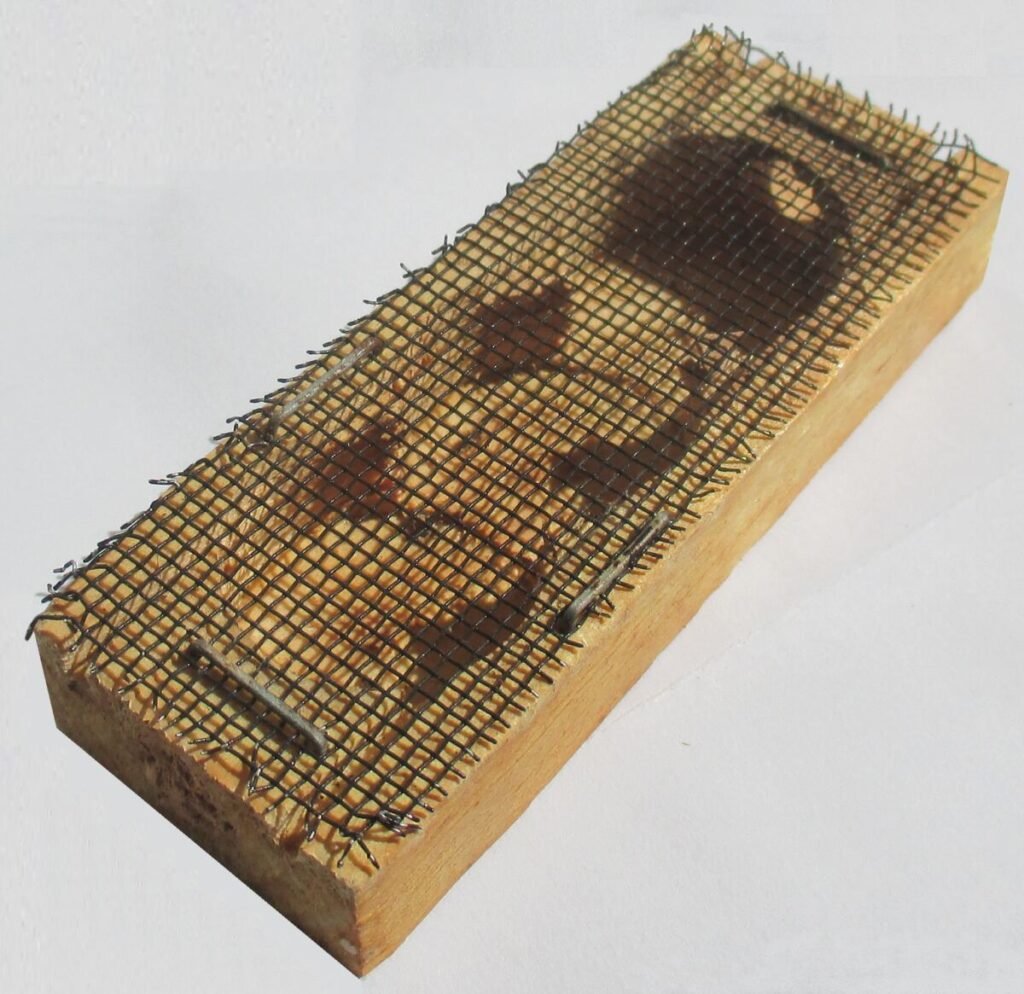
A package of bees is a screened box containing a specific weight of loose worker bees, typically around three pounds, along with a separately caged queen and a feeding can, sold as a way to start or restart a colony without transferring existing comb or full hive equipment. This basic concept — separating bees from comb entirely for shipment — is the genuinely foundational idea behind the entire package bee industry.
The Practical Problem Package Bees Solved
Before package bees existed as a commercial product, starting or replacing a colony generally meant either capturing a swarm, purchasing an established hive with comb and equipment, or waiting for a local split, all of which were considerably less flexible and less scalable than simply ordering a specific quantity of bees and a queen for a given date. Package bees solved this real logistical problem directly, giving beekeepers, particularly those recovering from winter colony losses, a reliable, plannable way to restart operations each spring.
Parcel Post, 1913: The Real Regulatory Turning Point
A correction worth stating plainly, since it’s a widely repeated claim online: this article previously described a “1918 US Post Office regulation” as the moment that made package bee shipping possible. That specific claim doesn’t hold up against the actual postal history. The real turning point was the US Post Office’s January 1, 1913 launch of Parcel Post service – and live bees (grouped with “bugs”) were among the very small handful of live animals the original 1913 rules allowed in the mail at all. Beekeepers embraced the new service immediately: for a modest cost, anyone could suddenly ship queen bees anywhere in the country. What actually happened in 1918 was a different, unrelated change – the Post Office began allowing day-old chicks to travel by mail, not bees.
The package bee industry that grew out of the 1913 rules developed gradually rather than overnight. A.I. Root had already been publicly challenging beekeepers to solve the practical problems of shipping loose bees – overheating, feeding in transit – as early as May 1879, and “Bees by the Pound” advertisements were appearing by June 1881, well before Parcel Post existed. Once the 1913 rules made nationwide mail shipment practical, commercial advertising for pound packages picked up quickly, and by 1917 at least a dozen businesses were shipping packages at real commercial volume. By January 1918, the trade publication The Beekeepers Item, out of New Braunfels, Texas, devoted a full issue to package-shipping technique – ventilation, cage design, feeding methods – a sign of an already-maturing industry refining its methods, not a new government rule creating the industry from scratch.
How Georgia Became a Package Bee Hub
As the postal shipping option matured through the 1910s, the American South, and Georgia in particular, developed into a genuinely significant hub for commercial package bee and queen production, taking advantage of the region’s warmer climate and correspondingly longer breeding season compared to northern states. This regional concentration reflects real, practical climate-driven business logic: producers in warmer regions could reliably supply bees and queens earlier in the season than northern beekeepers could produce them locally, creating a genuine north-south commercial relationship that continues in some form today.
Standardizing Package Weight and Queen Inclusion
As the package bee industry matured, a reasonably standard product emerged: packages sold by weight, most commonly around three pounds of bees, generally including a separately caged mated queen rather than leaving buyers to source a queen independently. This standardization made ordering and comparing packages across different producers considerably more straightforward for beekeepers, turning what could have remained an inconsistent, producer-by-producer product into something closer to a predictable, comparable commercial item.
A Genuine Disease-Transmission Benefit
Beyond simple convenience, package bees offered a real, practical disease-transmission advantage over shipping full colonies with comb: since packages contain no comb at all, they carry considerably lower risk of transmitting comb-associated diseases like American foulbrood between regions compared to shipping complete hive equipment. This disease-reduction benefit was a genuinely significant factor in package bees becoming the preferred method for long-distance colony replacement rather than shipping full established hives.
Tied to the Growth of Commercial Queen Rearing
The package bee industry’s growth was closely tied to, and dependent on, the parallel development of commercial queen rearing operations capable of reliably producing large numbers of mated queens on a predictable schedule. Without a reliable commercial queen supply, a package bee industry supplying loose worker bees alone wouldn’t have been nearly as useful, making these two industries genuinely interdependent developments rather than separate, unrelated historical threads.
The Economics Behind Choosing Package Bees
Package bees generally offer a lower upfront cost than a full established colony while still providing considerably more scheduling flexibility and lower disease risk than sourcing an existing hive, a genuine economic tradeoff that has helped sustain steady commercial demand for packages across many decades since the industry’s founding. This cost-and-flexibility balance remains a real, practical reason many beekeepers, both hobbyist and commercial, continue choosing packages over alternative colony-starting methods even as other options have also become more widely available over time.
From Postal Shipment to Modern Truck Delivery
While the 1913 Parcel Post rules specifically enabled postal shipment, modern package bee delivery today more commonly relies on truck transport for bulk commercial orders, with the mail-based shipping method covered in more practical detail in the shipping bees by mail content already on this site remaining available and used for smaller individual orders. This shift toward truck delivery for bulk orders reflects the same broader transportation infrastructure changes already covered in this site’s migratory beekeeping history.
Package Bees vs. Nucs vs. Full Colonies
| Feature | Package Bees | Nuc | Full Established Colony |
|---|---|---|---|
| Includes comb | No | Yes, partial | Yes, full |
| Disease transmission risk | Lower | Moderate | Higher |
| Shipping practicality | High | Moderate | Low, typically local only |
| Time to full productivity | Longer | Moderate | Immediate |
Common Misconceptions
The most common misconception – one this very article previously repeated – is that a specific 1918 US Post Office regulation created the package bee industry. It didn’t: live bees were allowed in the mail from Parcel Post’s actual 1913 launch, and the industry grew gradually over the following decade through private commercial innovation, not a single 1918 rule change. A second common misconception is assuming package bees and nucs are essentially interchangeable products, when the presence or absence of comb represents a real, meaningful practical difference in disease risk, cost, and how quickly a new colony becomes fully productive.
Frequently Asked Questions
Did a 1918 postal regulation really create the package bee industry?
No – this is a widely repeated but inaccurate claim. Live bees were permitted in US mail from Parcel Post’s actual launch on January 1, 1913. The specific 1918 postal change on record allowed day-old chicks into the mail, not bees.
So what actually happened around 1918 in package bee history?
By January 1918, the industry had matured enough that a Texas beekeeping trade journal, The Beekeepers Item, devoted a full issue to package-shipping technique – ventilation, cage design, and feeding methods – reflecting an established, growing commercial practice rather than a new law.
How did bees actually survive being shipped by mail without food or comb for an extended trip?
Packages include a feeding can containing sugar syrup specifically to sustain the bees during transit, a genuinely essential design feature of the package concept from early on, since the bees have no access to stored honey or comb resources the way a full colony shipment would provide.
Is Georgia still a major package bee production region today?
The American South, including Georgia, remains a genuinely significant region for commercial queen and package bee production, continuing a pattern of regional specialization that developed as the industry matured through the 1910s and 1920s.
Do package bees still get shipped through the mail today, or is that no longer done?
Smaller individual orders can still be shipped via mail carriers, while larger commercial and bulk orders more commonly move by truck, reflecting a genuine shift in typical delivery method rather than the postal option disappearing entirely.
Are package bees considered a reliable way to start a new colony compared to other methods?
Yes, they remain a widely used and generally reliable method, particularly valued for the scheduling flexibility and lower disease-transmission risk they offer compared to shipping full comb-based colonies over long distances.
Sources and further reading: “Shipping Bees a Century Ago,” American Bee Journal; Smithsonian National Postal Museum, on the 20th-century Parcel Post; the U.S. Postal Service’s own official postal history publication.
Related reading: package bees vs. nucs for beginners, the best time of year to install package bees.