Last Updated September 15, 2026
Long before anyone built a dedicated mechanical device for it, beekeepers already understood that smoke calms bees, a fact depicted in Egyptian tomb art thousands of years before the modern bellows smoker existed. The actual invention of a purpose-built, hand-pumped smoker didn’t arrive until more than two decades after Langstroth’s movable-frame hive revolutionized beekeeping, meaning early Langstroth-hive beekeepers were still smoking their bees the old-fashioned way. This guide covers the genuine history of the bee smoker, from ancient smoke-based honey hunting through the specific American inventors credited with the bellows smoker’s modern form, and how the tool’s design evolved into what beekeepers use today.
Table of Contents
- Key Takeaways
- Ancient Origins: Smoke as a Honey-Hunting Tool
- Before the Bellows: Torches, Rags, and Smoldering Fires
- Moses Quinby and the 1873 Bellows Smoker
- T.F. Bingham’s Patented Direct-Draft Improvement
- Video: A Closer Look at Smoker History
- Why the Bellows Smoker Was a Genuine Beekeeping Advance
- From Tin to Stainless: The Smoker’s Modern Evolution
- Quick Timeline
- The Broader Late-1800s Patent Boom in Beekeeping Equipment
- Why “Bingham Smoker” Became Common Shorthand
- What Early Smokers Were Actually Made From
- Why Smoke Actually Calms Bees, Understood Only Later
- Common Mistakes
- Frequently Asked Questions
Key Takeaways
- Moses Quinby introduced the first practical bellows smoker in 1873 — and, consistent with his Quaker beliefs, never patented it, giving the design freely to the beekeeping community rather than profiting from it.
- T.F. Bingham’s direct-draft improvement was formally patented on January 29, 1878 (U.S. Patent No. 199,611, filed as an “Improvement in Devices for Destroying Insects by Fumigation” since no beekeeping-equipment patent category existed yet) — verifiable directly on Google Patents.
- Quinby and Bingham weren’t the only smoker makers of the era: an 1877 American Bee Journal advertisement shows a competing “Excelsior” smoker from Iowa manufacturer Levi Sutliff, priced at $1.75, evidence of a genuinely competitive smoker market beyond just the two names usually credited.
- The core bellows-and-firebox mechanism both men established has remained functionally unchanged for over 145 years — a modern smoker is instantly recognizable next to an 1877 or 1911 illustration of the tool.
- Science didn’t catch up to practice: Quinby and Bingham built working smokers based on observation alone, decades before researchers began documenting the alarm-pheromone-masking mechanism that actually explains why smoke works.
Ancient Origins: Smoke as a Honey-Hunting Tool
The basic observation behind every bee smoker, that smoke calms defensive bee colonies, predates any dedicated device by thousands of years, with ancient Egyptian tomb art depicting honey hunters using smoke to subdue bees while harvesting wild honey, a practice covered in more depth in this site’s guide to beekeeping in ancient Egypt. Similar smoke-based honey-hunting and early beekeeping practices appear across many other ancient cultures worldwide, reflecting a genuinely universal, independently discovered principle rather than a single point of invention.
Before the Bellows: Torches, Rags, and Smoldering Fires
For most of beekeeping history, including the earliest years after Langstroth’s 1852 movable-frame hive patent, covered in this site’s history of the Langstroth hive, beekeepers had no dedicated mechanical smoking device at all. Instead, smoke was produced using handheld methods like smoldering rags, corn cobs, or small torches held near the hive, a genuinely improvised and considerably less controllable approach overall compared to the directed, precisely adjustable airflow a bellows-driven device would later reliably provide.
Moses Quinby and the 1873 Bellows Smoker
The modern bellows-driven bee smoker is generally, and genuinely widely, credited to Moses Quinby, a prominent American beekeeper from New York’s Mohawk Valley who developed and introduced the first practical hand-pumped bellows smoker design in 1873. This was a genuinely significant mechanical leap from earlier handheld smoke methods, since a bellows allowed a beekeeper to control airflow directly and repeatedly, sustaining a steady, adjustable stream of smoke rather than relying on however a smoldering material happened to be burning at a given moment.
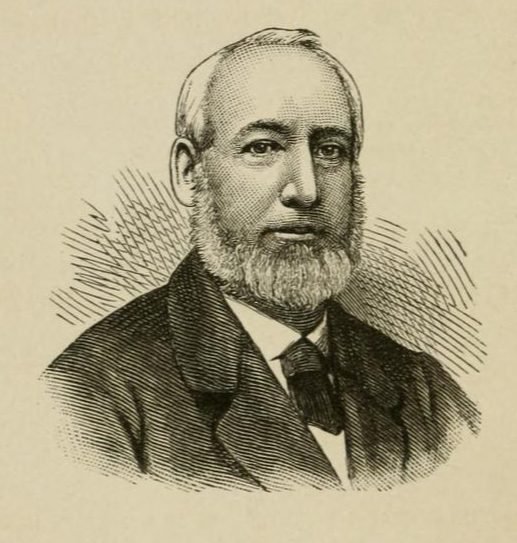
Quinby was primarily a working commercial beekeeper and beekeeping author rather than a professional inventor, and his smoker design emerged directly from the practical needs of his own hands-on apiary work. In keeping with his Quaker upbringing, he chose not to patent the smoker, effectively giving the design to the beekeeping community rather than profiting from it — a pattern of generosity documented alongside his other contributions, including the New Quinby Hive (1868), a curved uncapping knife, and his 1853 book Mysteries of Bee-Keeping Explained. He also served as president of the North American Beekeepers’ Association in 1871 and is remembered today as the father of practical, commercial beekeeping in America.
T.F. Bingham’s Patented Direct-Draft Improvement
Just a few years after Quinby’s original design, Tracy F. Bingham of Abronia, Michigan, introduced a meaningfully improved version incorporating what became known as the direct-draft principle, a design refinement that improved airflow efficiency through the smoker’s firebox by leaving a passive air gap that kept embers alive between bellows pumps. Unlike Quinby, Bingham did formally patent his design: U.S. Patent No. 199,611, filed December 12, 1877 and granted January 29, 1878, titled “Improvement in Devices for Destroying Insects by Fumigation” — beekeeping equipment had no dedicated patent classification yet, so it was filed under the closest available category. Bingham’s design proved so influential and widely adopted that “Bingham smoker” became something close to a generic term for bellows smokers among American beekeepers for decades afterward, and the fundamental direct-draft principle he introduced remains a foundational element of most bellows smoker designs still manufactured today.
Video: A Closer Look at Smoker History
For a closer visual look at how these early designs worked and evolved, this video from beekeeping history channel OutOfaBlueSky walks through the smoker’s development in more hands-on detail than photos and patent text alone can show.
Video: “The History Bee Smokers – with Paul Jackson,” OutOfaBlueSky — a walkthrough of bee smoker development from early designs to modern models.
Why the Bellows Smoker Was a Genuine Beekeeping Advance
The shift from improvised handheld smoke methods to a purpose-built bellows smoker represented a genuinely meaningful practical advance for working beekeepers, since it allowed considerably more controlled, sustained, and hands-adjustable smoke application during hive inspections, directly supporting the more frequent, thorough colony management that Langstroth’s movable-frame hive had already made possible. In effect, the bellows smoker completed a practical toolkit that the movable-frame hive alone had only partially enabled, giving beekeepers both the ability to inspect individual frames easily and a reliable, controllable way to keep colonies calm enough to do so safely.
From Tin to Stainless: The Smoker’s Modern Evolution
Since Bingham’s direct-draft design, bee smoker construction has continued evolving, moving from early tin and copper barrel materials toward the galvanized steel and stainless steel construction covered in more detail in this site’s bee smoker buying guide, along with the later addition of wire heat shields, hinged cleanout grates, and various bellows material improvements. Despite over 150 years of incremental refinement, the fundamental bellows-and-firebox mechanism Quinby and Bingham established remains essentially unchanged at the core of nearly every smoker sold today.

Quick Timeline
| Period | Development |
|---|---|
| Ancient Egypt and beyond | Smoke used in wild honey hunting, no dedicated device |
| Through the mid-1800s | Handheld smoldering materials and torches used by early beekeepers |
| 1873 | Moses Quinby introduces the first practical bellows smoker (unpatented) |
| 1877-1878 | T.F. Bingham files and receives U.S. Patent No. 199,611 for the direct-draft improvement |
| 20th century to today | Material and design refinements (steel construction, heat shields, cleanout features) |
The Broader Late-1800s Patent Boom in Beekeeping Equipment
Quinby’s and Bingham’s smoker innovations arrived during a genuinely active period of American beekeeping equipment invention, following closely on the heels of Langstroth’s movable-frame hive and coinciding with rapid development of extractors, foundation-making equipment, and other tools that collectively transformed beekeeping from a largely improvised craft into a considerably more standardized, mechanized practice. Bingham wasn’t the only manufacturer competing for beekeepers’ attention, either: an 1877 advertisement in the American Bee Journal, still publishing today as the industry’s longest-running trade publication, promoted a rival “Excelsior” smoker from manufacturer Levi Sutliff of Charles City, Iowa, priced at $1.75, complete with beekeeper testimonials — direct period evidence that the smoker market of the 1870s was genuinely competitive, not a two-inventor story.
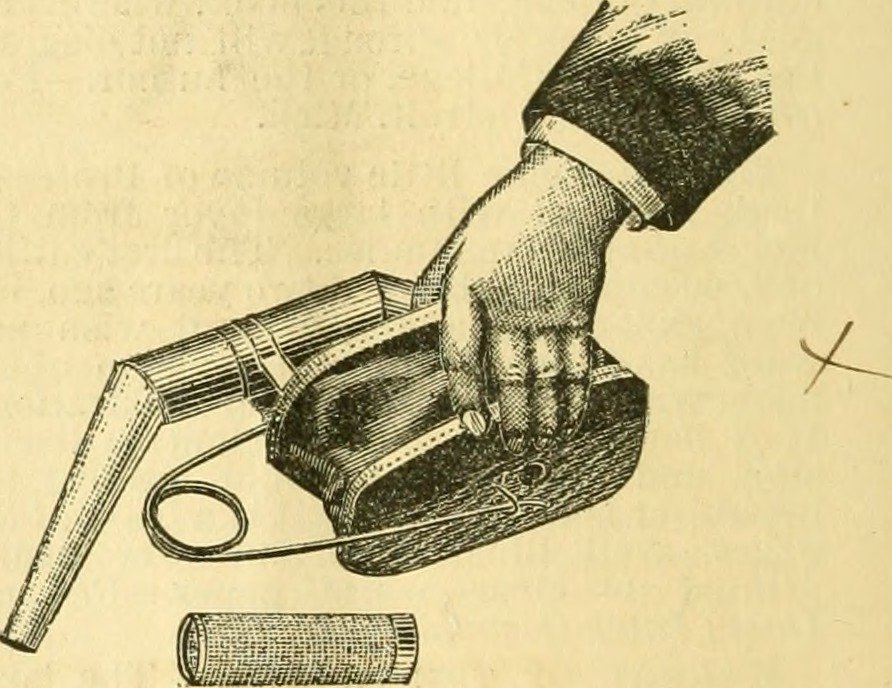
This broader wave of invention reflects a genuine period of intense practical innovation within American apiculture specifically, driven by working beekeepers systematically identifying and solving the everyday friction points of hive management one tool at a time.
Why “Bingham Smoker” Became Common Shorthand
Bingham’s direct-draft design proved commercially successful enough, and was manufactured and sold widely enough through the following decades, that the name genuinely entered common beekeeping vocabulary as something close to a generic descriptor for any bellows-driven smoker, similar to how some brand names eventually become informally synonymous with an entire product category. This naming legacy is a genuinely useful historical marker of just how dominant and influential Bingham’s specific design became within American beekeeping equipment manufacturing during the following decades.
What Early Smokers Were Actually Made From
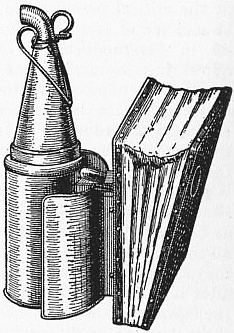
The earliest bellows smokers, including Quinby’s original design, were typically constructed from tin or copper rather than the steel materials common today, reflecting the metalworking materials and manufacturing methods most readily available and affordable to 19th-century American equipment makers. These early metals were functional but genuinely more prone to corrosion and heat-related wear than the galvanized and stainless steel construction that gradually became standard through the 20th century as manufacturing techniques and material availability improved, a shift covered in more practical buying-guide depth elsewhere on this site.
Why Smoke Actually Calms Bees, Understood Only Later
It’s genuinely worth noting that Quinby and Bingham developed and refined their smoker designs based on practical observation that smoke worked, well before modern science offered a clear explanation of the underlying biological mechanism. Contemporary research generally attributes smoke’s calming effect to a combination of factors, including masking alarm pheromones that would otherwise trigger a coordinated defensive response and triggering an instinctive feeding response in bees that makes them less inclined to sting — understanding that arrived many decades after the practical tool itself was already in widespread beekeeping use. This site’s smoker buying guide covers the modern research behind this mechanism in more depth.
Common Mistakes
The most common mistake is assuming the bellows smoker is as old as beekeeping itself, when smoke-based bee calming predates the actual mechanical bellows device by thousands of years. Another mistake is assuming Langstroth himself used a modern-style bellows smoker, when his 1852 hive design predates Quinby’s bellows smoker invention by over two decades, meaning early Langstroth-hive beekeepers relied on older, cruder smoking methods. People also sometimes credit Bingham as the sole inventor of the bellows smoker, when Quinby’s earlier 1873 design was the genuine foundational breakthrough that Bingham then meaningfully improved and patented rather than originated.
Frequently Asked Questions
Did other cultures independently invent similar smoke-calming tools before the American bellows smoker?
Various cultures across history developed their own smoke-based bee-calming practices using locally available materials, though the specific mechanical bellows-driven smoker design that became the modern standard is specifically credited to American beekeeping innovation in the 1870s.
Why did it take over twenty years after Langstroth’s hive for the bellows smoker to be invented?
There’s no single documented reason, though it likely reflects the broader pattern of practical beekeeping equipment evolving gradually through individual working beekeepers solving problems they personally encountered, rather than following any coordinated or urgently prioritized invention timeline tied directly to the hive design itself.
Did Quinby patent his original bellows smoker design?
No — historical records confirm Quinby did not patent his smoker, consistent with his Quaker beliefs against profiting personally from inventions meant to help the broader community, while Bingham’s subsequent direct-draft improvement was formally patented (U.S. Patent No. 199,611) and it was Bingham’s patented, commercially manufactured version that ultimately achieved the widest and longest-lasting adoption across American beekeeping.
Are original 19th-century Quinby or Bingham smokers still around today, and are they considered collectible?
Surviving original examples do exist and are genuinely sought after by beekeeping history enthusiasts and antique tool collectors, though as functional daily-use equipment they’ve long since been superseded by modern manufactured smokers, meaning original pieces today are valued primarily as historical artifacts rather than practical apiary tools.
Has smoker design changed as significantly as hive design has over the same period?
Not nearly as dramatically; while beekeepers have experimented with numerous alternative hive designs, some covered in this site’s guide to ancient beekeeping practices and elsewhere, the bellows smoker’s core mechanism has remained comparatively stable since Bingham’s refinement, with most subsequent changes being material and convenience improvements rather than fundamental redesigns.
Did beekeepers outside the United States adopt the American bellows smoker design, or did other countries develop their own versions?
The American bellows design spread internationally and became broadly influential worldwide, though various regional manufacturers and beekeeping traditions in other countries also developed their own variations and refinements over time, meaning the specific bellows-and-firebox principle became a genuinely global standard even as exact designs diversified somewhat by region.
For another piece of beekeeping equipment with a genuinely murkier, multi-inventor origin story and a century-long usage debate of its own, see this site’s history of the queen excluder.
Further Reading
- Best Bee Smokers: Complete Buying Guide
- The History of the Langstroth Hive
- The History of the Queen Excluder
- Beekeeping in Ancient Egypt
Image credits: Photo: Ich, via Wikimedia Commons. Licensed CC BY-SA 4.0.