Last Updated September 15, 2026
New Zealand’s honey industry today is internationally famous for one thing above all else: Manuka honey, a premium, scientifically studied variety that commands prices most other honey varieties can only dream of. But that modern success story has real, documented 19th-century roots – beginning with a handful of imported beehives, a missionary named Mary Bumby, and an enthusiastic clergyman named William Charles Cotton, whose own life and role in that founding story we’ve already covered in detail elsewhere on this site. This article picks up that story and follows it all the way through: from the first tentative 1840s colonial introduction, through a specific commercial takeoff most retellings skip entirely, to the named scientist and the specific compound behind Manuka’s international reputation.
Key Takeaways
- Mary Bumby’s 1839 hives were the first successful introduction; Cotton’s own 1841-42 hives never survived the voyage, but his later teaching and Māori-language beekeeping manual mattered more to the industry’s real growth.
- New Zealand’s first commercial beekeepers were Māori, selling honey from wild bush colonies by the 1860s – decades before European-run commercial operations followed the 1878 introduction of the movable-frame Langstroth hive.
- Manuka honey’s antibacterial reputation traces to one named scientist: University of Waikato biochemist Peter Molan, who began investigating it in 1981 and identified its distinctive non-peroxide activity.
- Varroa mites reached New Zealand in two stages – the North Island in April 2000, the South Island not until 2008 – giving the industry decades of mite-free management most other major beekeeping regions never had.
Table of Contents
- Key Takeaways
- The Founding Decade: 1839-1842
- Māori Beekeepers and the 1878 Commercial Turn
- 20th-Century Industry Development
- Discovering Manuka’s Distinct Properties
- The UMF Rating System
- New Zealand’s Modern Honey Industry Scale
- Real Challenges the Industry Faces
- Varroa’s Arrival and Colony Health
- New Zealand in the Wider World of Beekeeping History
- New Zealand’s Beekeeping Timeline
- Common Misconceptions
- FAQ
The Founding Decade: 1839-1842
New Zealand had no honeybee population at all before European colonization brought Apis mellifera to the islands. Mary Bumby’s March 1839 introduction at Mangungu is credited as the first successful establishment; William Charles Cotton’s own hives, brought on his 1841-42 voyage, did not survive the trip at all – it was his subsequent years of hands-on teaching and writing, including a beekeeping manual he wrote in te reo Māori, that made him a lasting figure in the industry’s founding story rather than his own (failed) shipment. See our full biography of Cotton for the details. These few short years represent the entire founding moment of an industry that would eventually become genuinely globally significant – a reminder of just how recent, in historical terms, New Zealand’s now-famous honey industry actually is compared to beekeeping traditions with centuries or millennia of history elsewhere in the world.
Māori Beekeepers and the 1878 Commercial Turn
The part of this story most short retellings skip: New Zealand’s first commercial beekeepers were Māori, not European settlers. Escaped and deliberately kept colonies spread quickly through native bush after the 1839-42 introductions, and by the 1860s, feral bee nests were plentiful enough that Māori were harvesting and selling real, meaningful quantities of wild honey – a detail specifically recorded by Isaac Hopkins (1837-1925), the English-born beekeeper who arrived in New Zealand in 1858 and later became known as the “father of New Zealand beekeeping.”
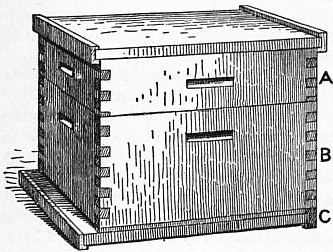
European-run commercial beekeeping took off later and for a specific, identifiable reason: the 1878 introduction of the movable-frame Langstroth hive, which for the first time let beekeepers harvest honey repeatedly without destroying the comb – the same innovation covered in more depth in our history of the honey extractor. Hopkins became the industry’s central early figure: government apiarist, author of “The Illustrated New Zealand Bee Manual” (1881) and “The Illustrated Australasian Bee Manual” (1886), and a beekeeper who cared enough about the industry’s future to bequeath £3,000 to the Cawthron Institute for bee research after his death in 1925.
20th-Century Industry Development
New Zealand’s beekeeping industry professionalized and grew significantly through the 20th century, developing into a genuine commercial honey-production sector alongside the country’s broader agricultural economy, building on the government-apiarist system Hopkins had helped establish. It was during this longer period of accumulated practical and scientific beekeeping knowledge that New Zealand researchers and beekeepers began paying closer, more systematic attention to differences between honey produced from different native and introduced plant sources – the essential groundwork that eventually made the specific discovery of Manuka honey’s distinct properties possible, rather than that discovery emerging from nowhere.
Discovering Manuka’s Distinct Properties
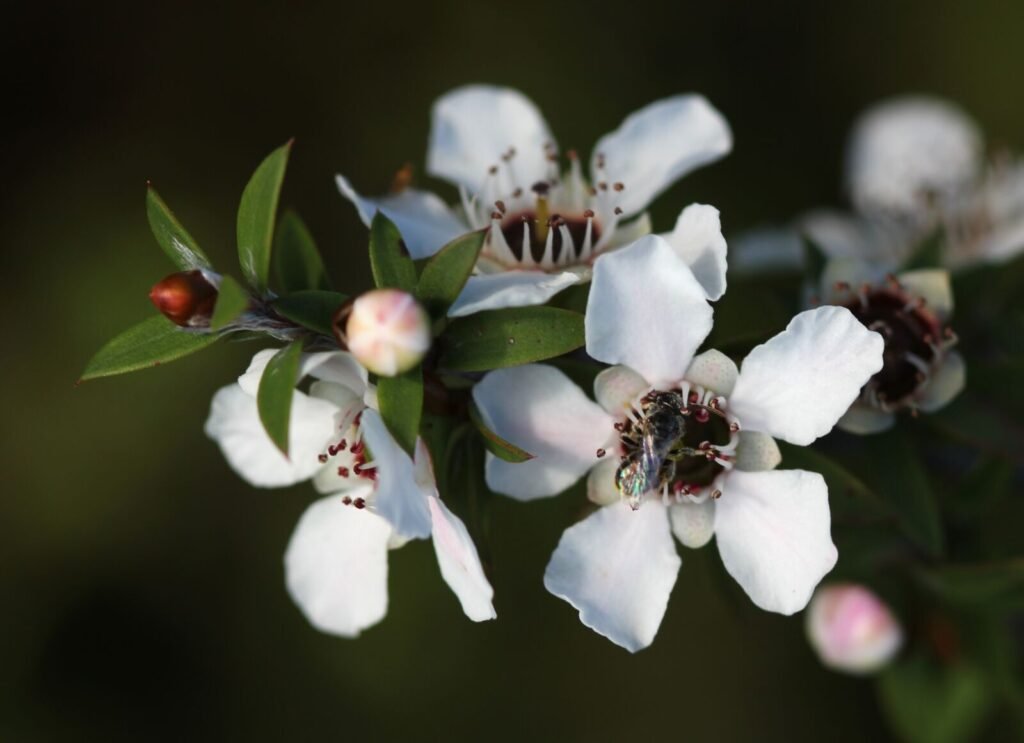
Manuka honey, produced from the nectar of the native Leptospermum scoparium shrub, was eventually found to have genuinely unusual antibacterial properties beyond what ordinary honey’s general antimicrobial characteristics can explain. This discovery has a name and a date: University of Waikato biochemist Peter Molan began investigating manuka honey’s antiseptic properties in 1981, and identified that it carries significant “non-peroxide antibacterial activity” – a property, later tied to a compound called methylglyoxal, that persists even after the hydrogen-peroxide-based antibacterial activity common to most honey is neutralized. Molan went on to direct the University of Waikato’s Honey Research Unit from 1995 until 2013 and developed his own “Molan Gold Standard” honey-grading scale based on methylglyoxal content, distinct from (though related to) the industry’s later UMF system. This is covered in more depth in our existing Manuka honey buying guide, and it is the specific scientific discovery that transformed Manuka from simply another regional New Zealand honey variety into an internationally sought premium product with genuine, evidence-based medicinal-grade applications.
The UMF Rating System
The Unique Manuka Factor (UMF) trademark was registered in 1998, building directly on Molan’s research, as a standardized way to measure and communicate Manuka honey’s antibacterial potency to consumers and buyers – addressing a genuine, practical market problem: without a reliable, independently verifiable rating standard, a premium product commanding a real price difference over ordinary honey needed some way for buyers to distinguish authentic, high-potency product from lower-quality or fraudulently labeled alternatives. The development of UMF and related certification standards reflects the same broader honey-authenticity concern covered in our guide to detecting adulterated honey, applied specifically to protect a premium product category where the financial incentive for fraud is particularly high.
New Zealand’s Modern Honey Industry Scale
New Zealand’s honey industry today represents a genuinely significant export sector for a country of its relatively modest population size. As of June 2016, the country had 6,735 registered beekeepers managing more than 600,000 hives across roughly 42,000 apiaries, and registered hive numbers climbed further to around 925,000 by 2019 as the Manuka boom drew more operators into the industry. Total honey production reached about 19.8 thousand tonnes in the 2015/16 season. New Zealand is the world’s second-largest honey exporter by value (behind China) despite modest production volume compared to giants like China or Ethiopia – overall honey exports were valued at roughly NZ$243 million in 2023, and Manuka honey exports specifically have run in the NZ$400-450 million range in recent years, a genuinely different kind of industry success than raw production volume alone would suggest.
Real Challenges the Industry Faces
New Zealand’s honey industry faces genuine, documented challenges alongside its real success, including intense international demand driving both legitimate expansion and a real fraud/adulteration problem in international markets selling counterfeit “Manuka” honey, along with colony health pressures shared with beekeeping industries elsewhere, including varroa mite management. The industry’s high per-unit value, which is part of its commercial success story, is simultaneously part of what makes it a particularly attractive target for exactly the kind of adulteration and mislabeling fraud that UMF certification and related standards exist specifically to combat.
Varroa’s Arrival and Colony Health
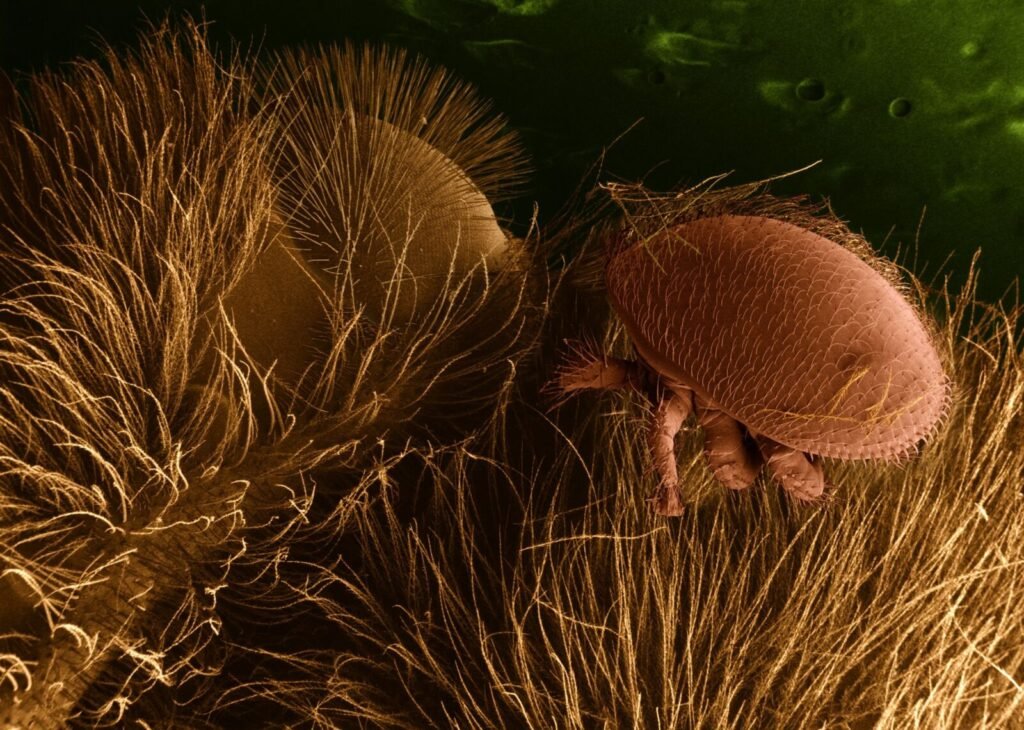
Varroa destructor was first detected in New Zealand on 11 April 2000, in a small apiary in South Auckland on the North Island – within two months it had already spread to roughly 280 sites between the Hokianga and National Park. The South Island, protected by Cook Strait, stayed varroa-free for almost another decade, with the mite not confirmed there until 2008. That gave New Zealand beekeepers – especially in the South Island – a genuinely significant multi-decade mite-free window that most other major beekeeping regions covered on this site never had, before varroa’s arrival brought New Zealand into line with the same ongoing mite-management reality facing beekeepers worldwide.
New Zealand in the Wider World of Beekeeping History
New Zealand’s story fits a recognizable pattern already documented elsewhere in this series: European colonists introducing Apis mellifera to a region with no prior honeybee population, followed by a long buildup period before a distinctive regional specialty honey emerges as a genuine premium export product. What makes New Zealand’s case particularly striking within that broader pattern is the sheer scale of the eventual payoff relative to the country’s modest size and honey production volume – few other regions have achieved anything close to Manuka honey’s combination of international brand recognition and premium per-unit value from a starting point as recent and as modest as a handful of 1840s beehives, most of which didn’t even survive the journey.
New Zealand’s Beekeeping Timeline
| Year | Milestone | Significance |
|---|---|---|
| 1839 | Mary Bumby’s introduction at Mangungu | First successful honeybee establishment in New Zealand |
| 1841-42 | William Charles Cotton’s failed hive shipment and subsequent advocacy | Sustained early teaching, including a 1849 Māori-language manual |
| 1860s | Māori commercial honey sales from wild bush colonies | New Zealand’s actual first commercial beekeepers |
| 1878 | Langstroth movable-frame hive introduced | Real start of European-run commercial beekeeping |
| 1981 | Peter Molan begins researching manuka honey | Identifies non-peroxide antibacterial activity |
| 1998 | UMF trademark registered | Standardized potency rating for buyers |
| 2000 / 2008 | Varroa reaches North Island, then South Island | End of New Zealand’s multi-decade mite-free era |
Common Misconceptions
- “New Zealand is one of the world’s largest honey producers by volume.” It is not, compared to countries like China or Ethiopia – its industry’s significance comes from high per-unit value and international brand recognition, especially around Manuka, not raw production scale.
- “Manuka honey’s special properties were discovered immediately when bees were introduced.” The founding introduction happened in the 1830s-40s; Peter Molan didn’t begin identifying Manuka’s distinct antibacterial activity until 1981, well over a century later.
- “European settlers were New Zealand’s first commercial beekeepers.” Māori were selling honey from wild bush colonies by the 1860s, well before the 1878 Langstroth hive introduction kicked off European-run commercial operations.
- “All honey labeled ‘Manuka’ internationally is genuine and UMF-certified.” Counterfeit and mislabeled “Manuka” honey is a real, documented problem in international markets, which is specifically why UMF and related certification standards exist.
Frequently Asked Questions
When did honeybees first arrive in New Zealand?
Mary Bumby is credited with the first successful introduction in March 1839 at Mangungu. William Charles Cotton’s own attempt in 1841-42 failed – his hives didn’t survive the voyage – but his later teaching and writing still shaped the industry’s early development.
Who were New Zealand’s first commercial beekeepers?
Māori, not European settlers. By the 1860s, Māori were harvesting and selling real quantities of honey from wild bush bee colonies, decades before the 1878 introduction of the Langstroth hive kicked off European-run commercial beekeeping.
Who discovered what makes Manuka honey special?
Peter Molan, a biochemist at the University of Waikato, began investigating manuka honey’s antiseptic properties in 1981 and identified its distinctive non-peroxide antibacterial activity, later linked to methylglyoxal. He directed the university’s Honey Research Unit from 1995 to 2013.
What is the UMF rating system?
Unique Manuka Factor, a trademark registered in 1998 and built on Molan’s research, standardizing how Manuka honey’s antibacterial potency is measured and communicated – addressing the practical need for a reliable, verifiable standard in a premium product market with real fraud risk.
Is fake Manuka honey a real problem?
Yes, counterfeit and mislabeled “Manuka” honey is a documented issue in international markets, which is specifically why UMF certification and related authenticity standards were developed and remain actively enforced.
When did varroa mites reach New Zealand?
The North Island first, on 11 April 2000, detected in a South Auckland apiary. The South Island did not get varroa until 2008, giving it nearly another decade of mite-free colony management.
How long did it take for New Zealand’s honey industry to reach its modern scale?
Roughly a century and a half – from the 1839-42 founding introductions, through Māori bush honey sales in the 1860s and the 1878 Langstroth-driven commercial turn, to Peter Molan’s 1981-onward Manuka research and the 1998 UMF system that transformed the industry’s international reputation.
Further Reading
- The History of the Honey Extractor: The Invention That Let Beekeepers Stop Destroying Comb
- Moses Quinby: The Father of Practical American Beekeeping
- The History of Instrumental Insemination in Queen Bees
For more on this topic, see Wikipedia’s overview of beekeeping in New Zealand and Peter Molan’s biography.