Last Updated September 15, 2026
In October 2006, Pennsylvania commercial beekeeper Dave Hackenberg opened hives in his Florida wintering yard and found something genuinely strange: colonies with a healthy queen, capped brood, and full honey stores, but almost no adult worker bees anywhere in or near the hive – not dead on the bottom board, not dead outside the entrance, simply gone. This specific, unusual symptom pattern – not typical winter die-off, not a visible disease, just an empty hive – became known as Colony Collapse Disorder, and the resulting media coverage, congressional attention, and scientific investigation genuinely reshaped how the American public and, to a real degree, the beekeeping industry itself talked about colony health for years afterward. Our existing colony-collapse articles focus on causes and prevention for beekeepers managing colonies today; this article instead covers the actual discovery and naming history – who first reported it, how the term spread, what a landmark 2007 study found, and what research ultimately concluded, or didn’t, about what actually caused it.
Key Takeaways
- Dave Hackenberg first reported the pattern in October 2006; by winter 2006-07, affected beekeepers nationwide were reporting losses of 30-90% of their hives.
- Pennsylvania State University entomologist Diana Cox-Foster and Pennsylvania Department of Agriculture apiarist Dennis vanEngelsdorp led the initial scientific response and helped name the syndrome.
- A landmark 2007 study in the journal Science (Cox-Foster et al.) identified Israeli Acute Paralysis Virus as strongly correlated with CCD cases – the closest thing to a single-cause finding, though never proven as the sole cause.
- Congress held a hearing on March 29, 2007, and the USDA convened a CCD Steering Committee that same spring, producing a formal CCD Action Plan.
- Research ultimately settled on a multifactorial explanation – varroa mites and viruses, pesticides, nutrition, and management stress acting together – rather than one single cause.
Table of Contents
- Key Takeaways
- Dave Hackenberg’s Fall 2006 Discovery
- Naming a New Syndrome
- What Made CCD Symptoms Genuinely Different
- The CCD Working Group
- Media Coverage and Congressional Attention
- The Search for a Single Cause
- The Multifactorial Conclusion
- The Varroa Connection
- CCD’s Lasting Impact on Beekeeping Awareness
- CCD Then vs. Colony Loss Research Now
- Common Misconceptions
- FAQ
Dave Hackenberg’s Fall 2006 Discovery
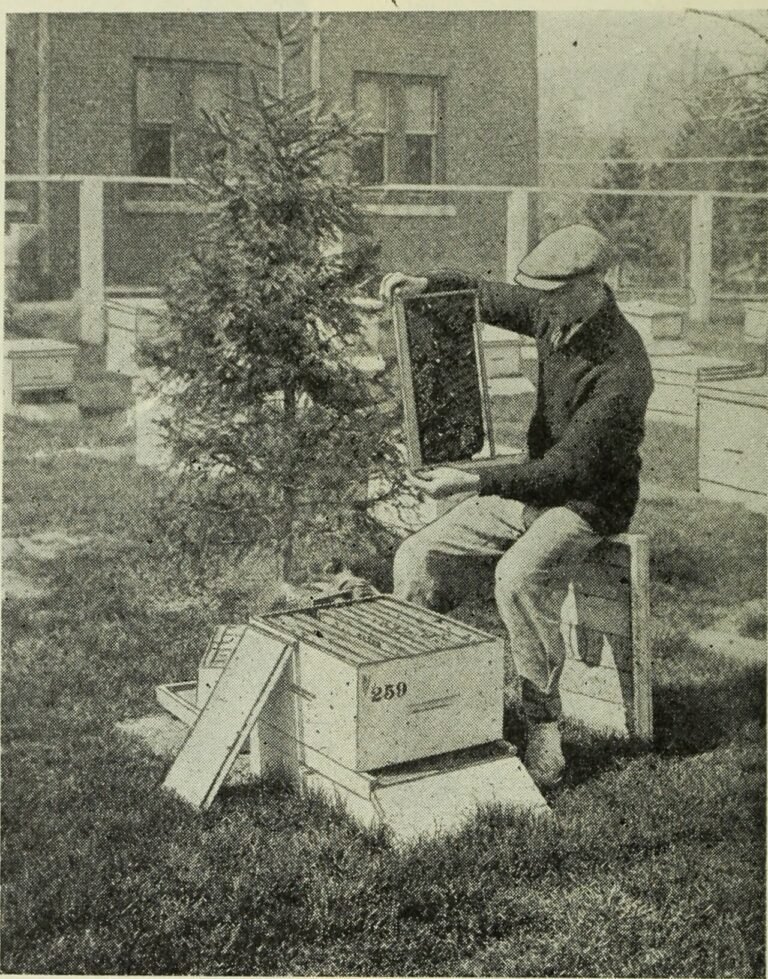
Hackenberg, a commercial beekeeper with decades of experience running operations across Pennsylvania and Florida, was well positioned to recognize that what he found in October 2006 did not match any colony loss pattern he had encountered before. He reported the pattern to Pennsylvania State University entomologist Diana Cox-Foster and Dennis vanEngelsdorp, then an apiarist with the Pennsylvania Department of Agriculture, rather than simply treating it as an unexplained bad season. That decision to report it – and their decision to investigate it systematically rather than dismiss it – is a genuinely important part of why CCD was identified and investigated as quickly as it was.
Naming a New Syndrome
The term “Colony Collapse Disorder” emerged in the following weeks as Cox-Foster, vanEngelsdorp, and colleagues began comparing Hackenberg’s reports with similar reports from other beekeepers, coined specifically to describe this particular symptom cluster rather than colony loss in general. Giving the phenomenon a specific name mattered practically: it allowed researchers, beekeepers, and eventually the media and policymakers to discuss a specific, identifiable pattern rather than a vague, undifferentiated sense that “bees are dying,” which in turn made it possible to systematically compare cases, track prevalence, and investigate potential causes in an organized way.
What Made CCD Symptoms Genuinely Different
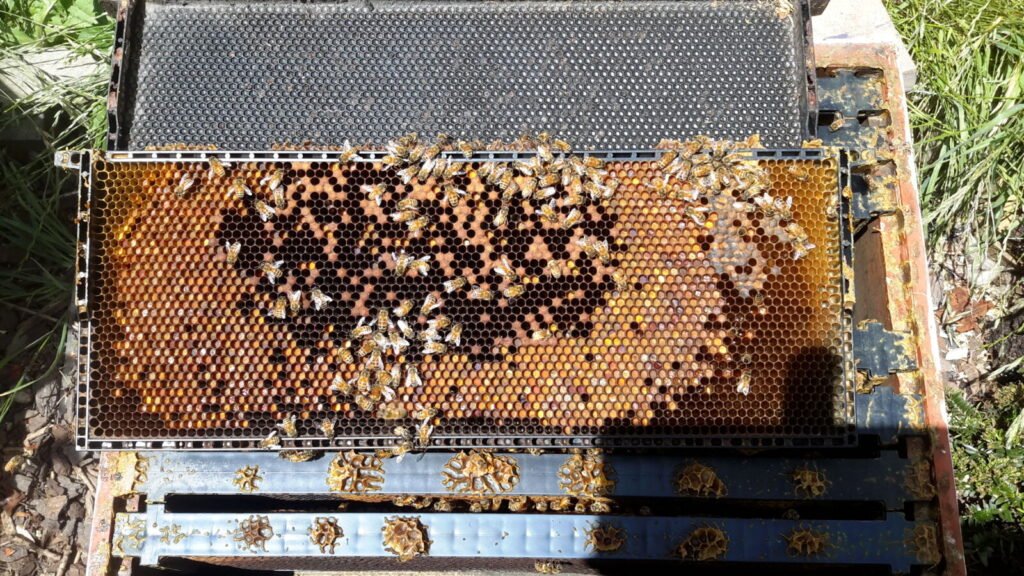
The defining CCD symptom pattern was specific and, at the time, genuinely puzzling: a rapid loss of adult worker bees from a colony, with few or no dead bees found in the hive or immediate vicinity, while the queen, remaining young bees, and food stores stayed present. This is meaningfully different from typical winter colony loss, in which dead bees are generally found in and around the hive, or disease-driven collapse, which usually shows visible symptoms in brood or comb. The specific absence of dead bees – workers apparently leaving and simply not returning – is what distinguished true CCD from the broader universe of colony losses beekeepers experience for many well-understood reasons.
The CCD Working Group
A coordinated, multi-institutional CCD Working Group formed to investigate the phenomenon, bringing together researchers from Penn State, the Pennsylvania Department of Agriculture, USDA’s Agricultural Research Service, and other institutions to systematically study reported cases rather than leaving individual researchers to investigate in isolation. In spring 2007 the USDA convened a dedicated CCD Steering Committee, whose work produced a formal CCD Action Plan – this kind of rapid, coordinated multi-institutional response reflects genuine recognition, at both the scientific and agricultural-policy level, that the phenomenon’s potential scale – if it represented a genuinely new and spreading problem – carried real economic and food-security stakes given honeybees’ critical role in commercial pollination.
Media Coverage and Congressional Attention
CCD received substantial media coverage beginning in early 2007, with public attention and concern reaching a level unusual for a beekeeping-industry issue. On March 29, 2007, the House Agriculture Committee’s Subcommittee on Horticulture and Organic Agriculture, chaired by Rep. Dennis Cardoza, held a formal hearing on the recent honey bee colony declines, taking testimony from beekeepers, researchers, and government officials. It is worth being honest about this period: media coverage sometimes framed the phenomenon in more dramatic, less precisely accurate terms than the scientific reality supported, and the gap between “unusual, concerning, genuinely investigated colony-loss syndrome” and some of the more alarmist popular framing at the time is itself a notable, honestly worth-acknowledging part of this history.
The Search for a Single Cause
Early CCD research investigated a wide range of potential causes, including pesticide exposure (with particular attention to neonicotinoid insecticides), viral and other pathogens, nutritional stress, and cumulative stress from migratory beekeeping practices covered in more depth in our history of migratory beekeeping. The most significant early finding came from Cox-Foster’s own team: a 2007 study published in the journal Science, “A Metagenomic Survey of Microbes in Honey Bee Colony Collapse Disorder,” screened CCD-affected and healthy colonies for pathogens and found Israeli Acute Paralysis Virus (IAPV) strongly correlated with CCD cases. It was the closest thing to a single-cause candidate CCD research ever produced – genuinely significant, but a correlation identified in surveyed colonies, not proof that IAPV alone caused every case.
The Multifactorial Conclusion
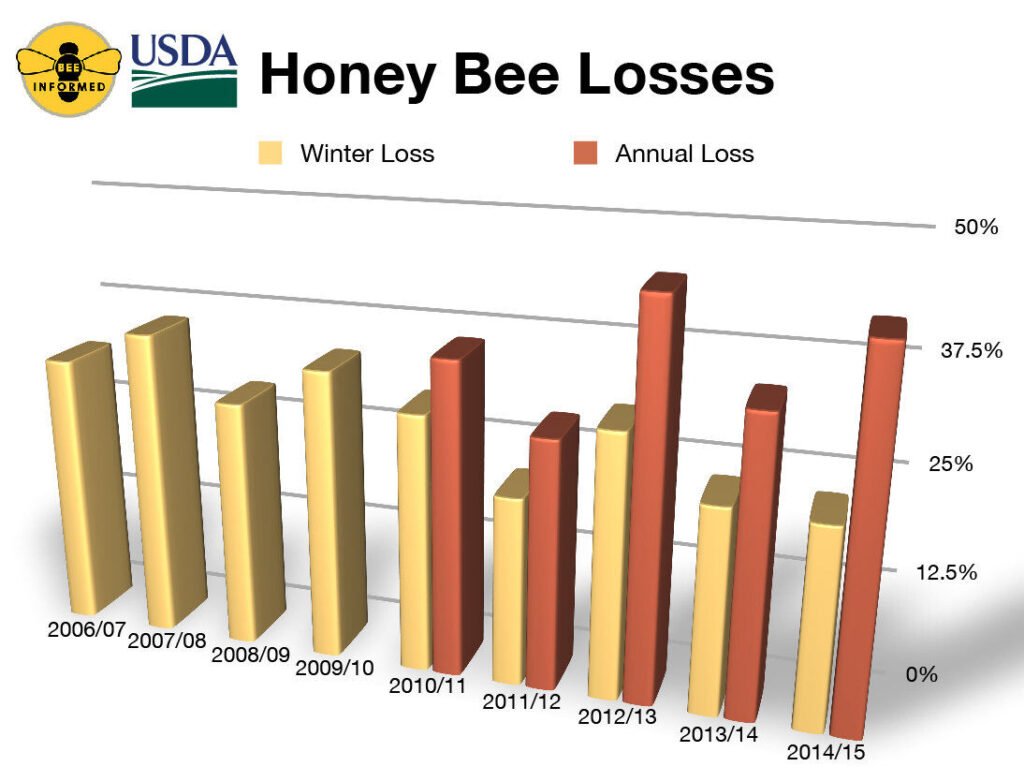
That single clean answer never fully materialized. The scientific consensus that developed over the following years increasingly pointed toward CCD resulting from a combination of interacting stressors – varroa mites and associated viruses including IAPV, pesticide exposure, nutritional deficits, and management-related stress – rather than one single newly discovered pathogen or toxin acting alone. This multifactorial conclusion is honest but admittedly less narratively satisfying than a single-cause discovery story, and it is part of why CCD as a precisely defined phenomenon has become somewhat less frequently reported in exactly its original narrow form in recent years, even as overall colony loss rates remain a serious, actively studied ongoing concern for the beekeeping industry.
The Varroa Connection
Varroa mites and the viruses they transmit emerged as one of the most consistently implicated factors across CCD-era research, part of a broader pattern already well documented elsewhere in this site’s coverage of the parasite’s outsized impact on colony health. This connection is part of why research into naturally varroa-resistant colonies, including the wild population covered in our Arnot Forest survivor bees article, took on renewed practical significance during and after the CCD research era – if varroa-related stress was one of several genuine contributing factors, then colonies and genetic lines capable of managing that specific stressor without collapsing became a genuinely valuable subject of applied research, not merely an academic curiosity.
CCD’s Lasting Impact on Beekeeping Awareness
Beyond the specific scientific findings, the CCD era had a real, lasting effect on public awareness of pollinator health as a genuine agricultural and food-security issue, a shift in public consciousness that arguably outlasted the precise scientific debate about CCD’s exact causes. This heightened public attention helped build broader support for pollinator-focused research funding, conservation initiatives, and public observances like World Bee Day, discussed in more depth in our article on Anton Janša and World Bee Day’s origins – a genuinely positive downstream consequence of what was, in its original context, a deeply concerning agricultural crisis.
CCD Then vs. Colony Loss Research Now
| Aspect | 2006-2008 CCD Era | Current Colony Loss Research |
|---|---|---|
| Framing | A specific, newly named, puzzling symptom cluster | Broader, multifactorial annual loss tracking |
| Reported losses | 30-90% of hives in affected operations | Ongoing annual losses, tracked but less acute framing |
| Public attention | Intense media and congressional focus (Mar. 2007 hearing) | Ongoing but less acute media coverage |
| Research goal | Searching for a single definitive cause | Managing multiple known interacting stressors |
| Terminology | “Colony Collapse Disorder” used precisely | Often used more loosely for general colony loss |
Understanding this history matters for a reason beyond pure historical interest: it demonstrates how a specific, well-documented, precisely defined phenomenon can enter popular usage and gradually lose that precision over time, becoming a looser catch-all term – a pattern worth watching for whenever “CCD” appears in casual conversation or less careful media coverage today.
Common Misconceptions
- “CCD was ever definitively traced to one single cause.” Even the strongest single finding – the 2007 Science study’s IAPV correlation – was a correlation in surveyed colonies, not a proven sole cause; research consistently pointed toward multiple interacting stressors.
- “Any significant colony loss today is CCD.” True CCD refers to a specific symptom pattern (adult bees disappearing with no dead-bee accumulation, queen and stores remaining) – the term is often used more loosely in casual usage than its original precise scientific definition.
- “CCD proved bees are going extinct.” Media coverage sometimes framed the phenomenon in more dramatic terms than the scientific reality supported – a serious, genuinely concerning colony-loss syndrome, not evidence of imminent honeybee extinction.
Frequently Asked Questions
Who first reported Colony Collapse Disorder?
Pennsylvania commercial beekeeper Dave Hackenberg first reported the unusual symptom pattern in October 2006, after finding it in his Florida wintering yard. He reported it to Penn State entomologist Diana Cox-Foster and Pennsylvania Department of Agriculture apiarist Dennis vanEngelsdorp, who led the initial scientific investigation.
What specific symptoms defined true CCD?
A rapid loss of adult worker bees from a colony with few or no dead bees found in or near the hive, while the queen, young bees, and food stores remained present – distinct from typical winter loss or visible disease-driven collapse.
Was a single cause of CCD ever identified?
No. A landmark 2007 study in the journal Science found Israeli Acute Paralysis Virus strongly correlated with CCD cases – the closest research came to a single-cause finding – but the broader scientific consensus pointed toward multiple interacting stressors: varroa mites and associated viruses, pesticide exposure, nutritional deficits, and management stress.
Did the U.S. government get involved in investigating CCD?
Yes. Congress held a hearing on March 29, 2007, before the House Agriculture Committee’s Subcommittee on Horticulture and Organic Agriculture, and the USDA convened a dedicated CCD Steering Committee that spring, which produced a formal CCD Action Plan.
How severe were the reported colony losses during the CCD era?
Beekeepers with CCD-pattern losses in the winter of 2006-07 reported losing 30 to 90 percent of their hives – a scale of loss significant enough to draw immediate congressional and USDA attention.
Do beekeepers today still use the term “CCD” for their losses?
Some do, though usage has become considerably less precise than the original scientific definition, with the term sometimes applied loosely to any significant unexplained colony loss rather than the specific empty-hive, no-dead-bees symptom pattern that originally defined it.
Is Colony Collapse Disorder still a major issue today?
The specific, narrowly defined CCD symptom pattern is reported less frequently in exactly its original form today, though overall colony loss rates from various combined causes remain a serious, actively studied ongoing concern for the beekeeping industry.
For more on this topic, see the USDA Agricultural Research Service’s official Colony Collapse Disorder page and the 2007 Science study identifying Israeli Acute Paralysis Virus.