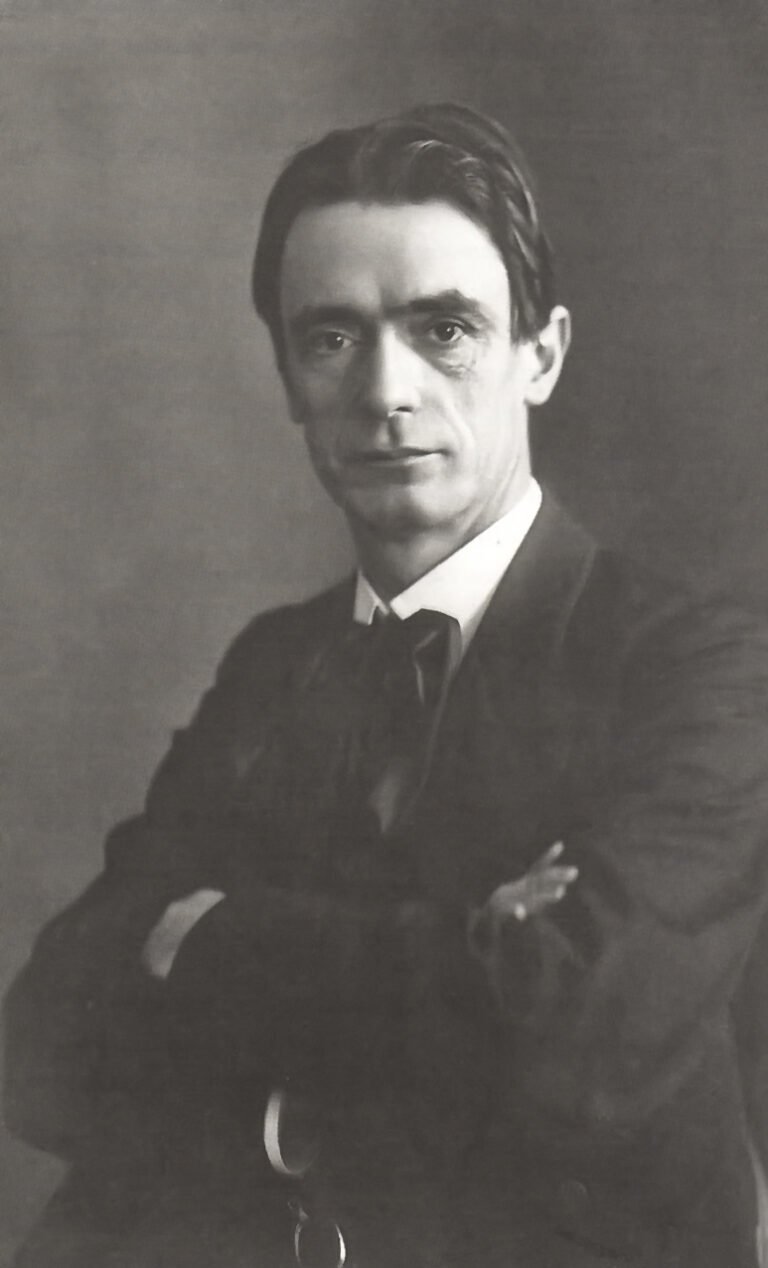
Rudolf Steiner’s 1923 Bee Lectures and the Biodynamic Beekeeping Movement
Rudolf Steiner's nine 1923 lectures on bees became the founding text of biodynamic beekeeping, still shaping Demeter certification and hives like the Sun Hive.

Beekeeping is one of the oldest agricultural practices, and the methods and hive designs in use today are the product of centuries of trial, error and regional adaptation. The articles here look at how techniques evolved, where major hive designs came from, and how historical practice compares with modern methods.
The subjects fall into a few groups. Inventions: the movable-frame hives of Petro Prokopovych and Lorenzo Langstroth, the queen excluder, the centrifugal extractor that ended the need to crush comb at harvest, and the bellows smoker. Scientists: Jan Swammerdam proving under the microscope that the so-called king bee was a queen, and Karl von Frisch decoding the waggle dance. The deep past: Egyptian tomb reliefs of horizontal clay hives, the clay-cylinder apiary excavated at Tel Rehov, bee-theft penalties in Hittite law, and hives counted in the Domesday Book. Alongside these sit biographies of figures such as A.I. Root and Marla Spivak.
It is written for beekeepers who like knowing why a piece of equipment looks the way it does, for students and writers who need reliable background, and for anyone curious about the people who shaped modern apiculture. It also separates documented discoveries from popular myths. Folklore and living cultural traditions of beekeeping are covered separately in Global Beekeeping Traditions.
Start here:
Rudolf Steiner's nine 1923 lectures on bees became the founding text of biodynamic beekeeping, still shaping Demeter certification and hives like the Sun Hive.
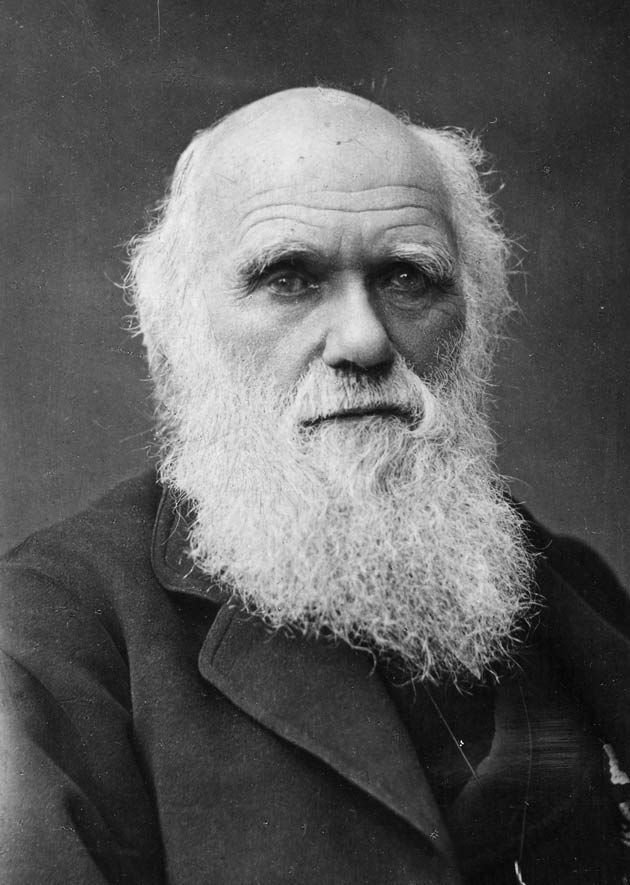
Charles Darwin ran his own hive experiments to prove bees build hexagonal comb through blind instinct, not design, turning it into key evidence for natural selection.
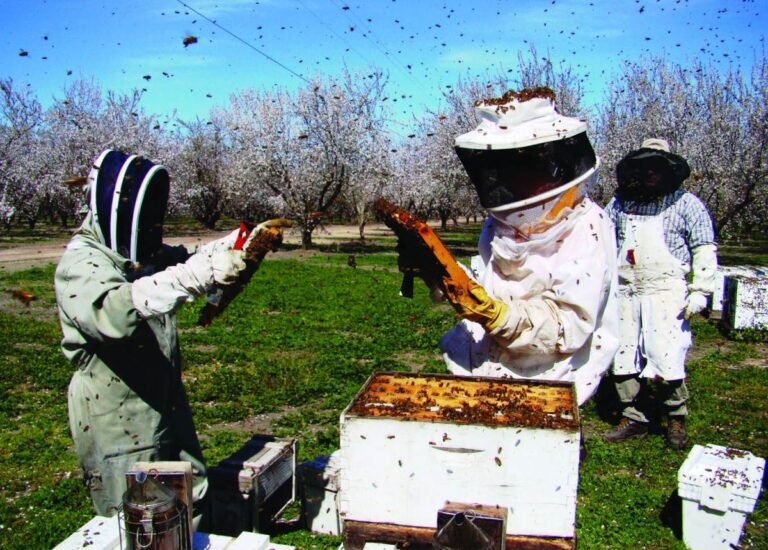
Randy Oliver runs a real commercial almond-pollination operation while publishing some of the most cited independent Varroa management research online.
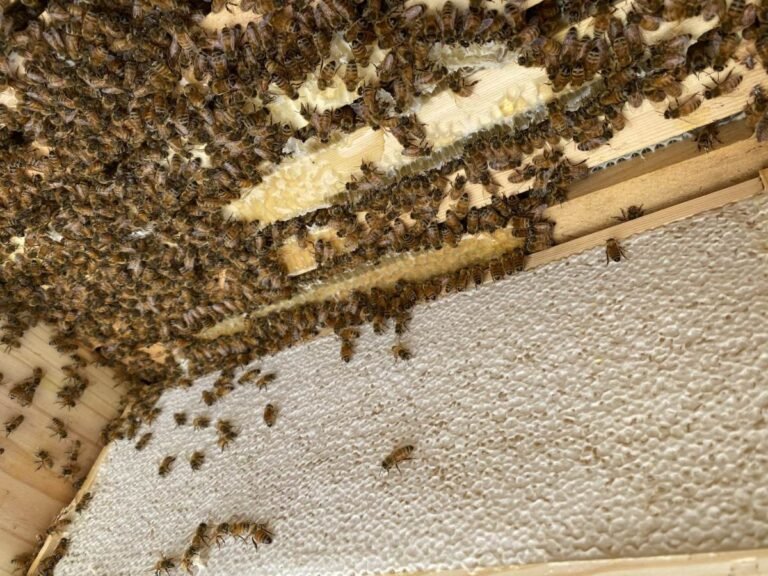
Marla Spivak's decades of hygienic-behavior research produced the Minnesota Hygienic bee line and earned her a 2010 MacArthur Foundation genius grant.
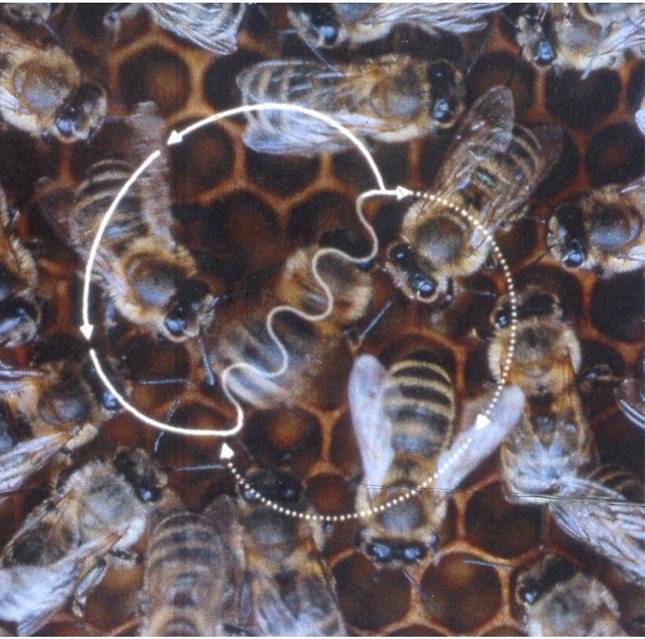
Nobel laureate Karl von Frisch said the waggle dance conveys real information. Adrian Wenner spent years arguing bees actually navigate by odor alone.
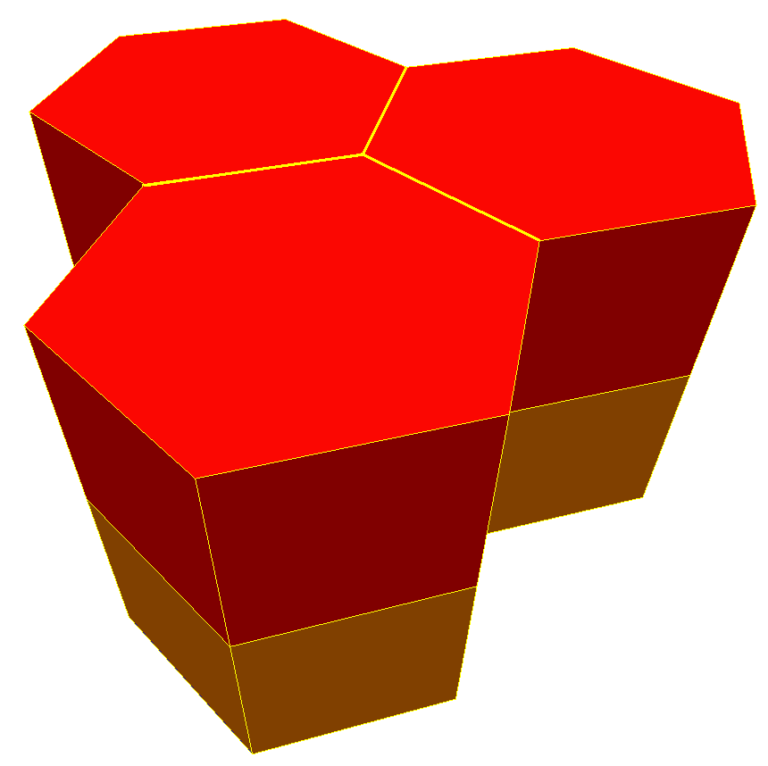
In 1712 Maraldi measured the honeycomb's precise cell angle, then a real 30-year mathematical dispute among Réaumur, König, and Maclaurin followed to explain it.

Bechbretha is a real 7th-century Old Irish legal tract that set detailed rules for swarm ownership, hive theft, and a neighbor's share of honey.
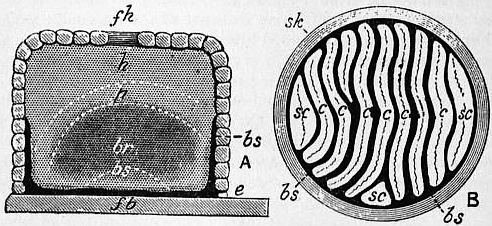
Thomas Wildman's 1768 beekeeping treatise broke real ground on hive design, while his nephew Daniel turned swarm-clustering into a paid London stage act.
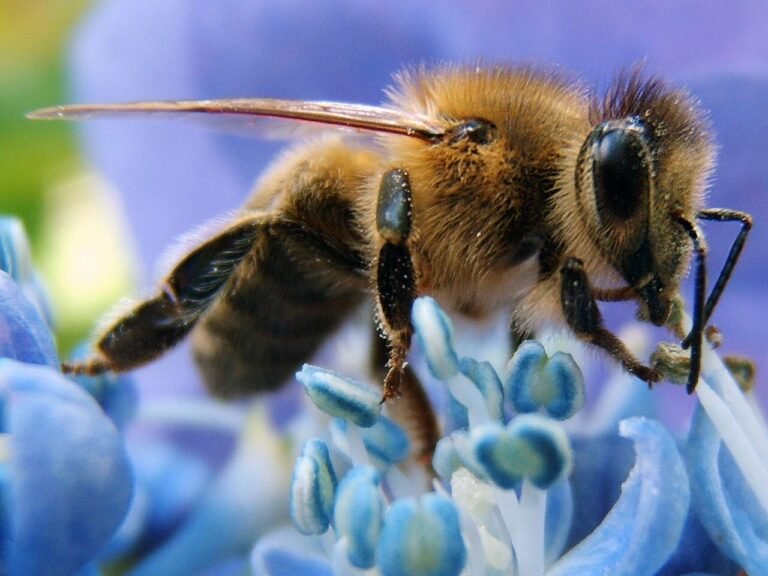
Sue Hubbell left a Brown University library career to run 300 hives alone in the Missouri Ozarks, turning the experience into the celebrated memoir A Book of Bees.
Richard Taylor was a Brown-trained metaphysics professor who also ran up to 300 hives and wrote The Joys of Beekeeping, one of America's most-loved beekeeping books.
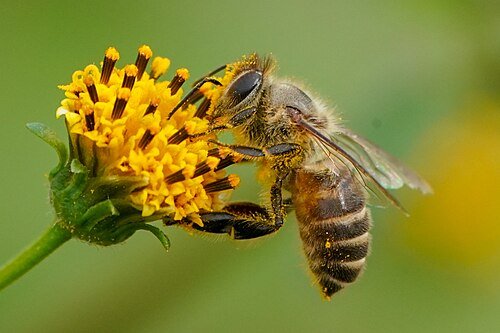
The separate, 3,000-year-old story of how China domesticated its native Apis cerana honeybee — centuries before the West's own beekeeping tradition.
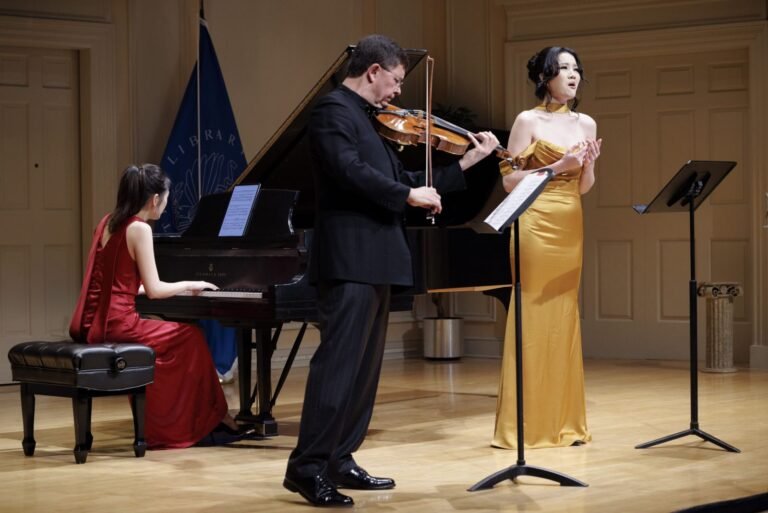
Violin enthusiasts have repeated the propolis-varnish claim for decades. Here's what real chemical analysis of Stradivari's own violins found.
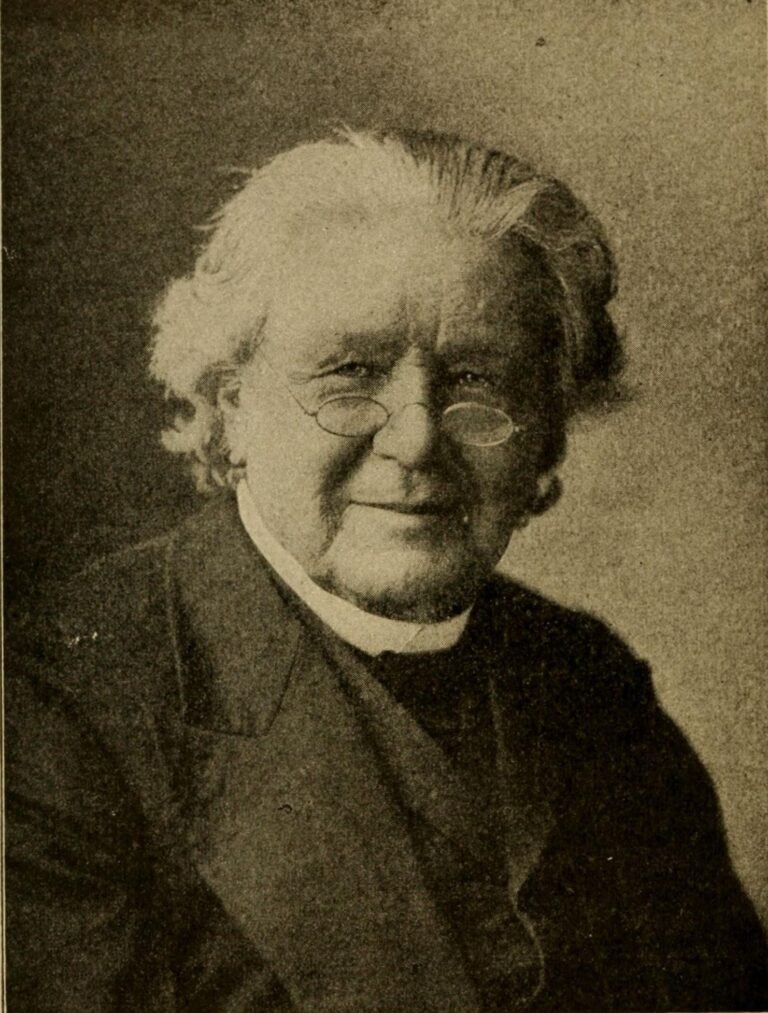
The minister behind the modern beehive spent his life fighting severe depression, and found more relief in his bees than in his own profession.

The 2019-2020 Black Summer bushfires destroyed thousands of hives in New South Wales, but the bigger disaster was the eucalypt forage that takes decades to recover.
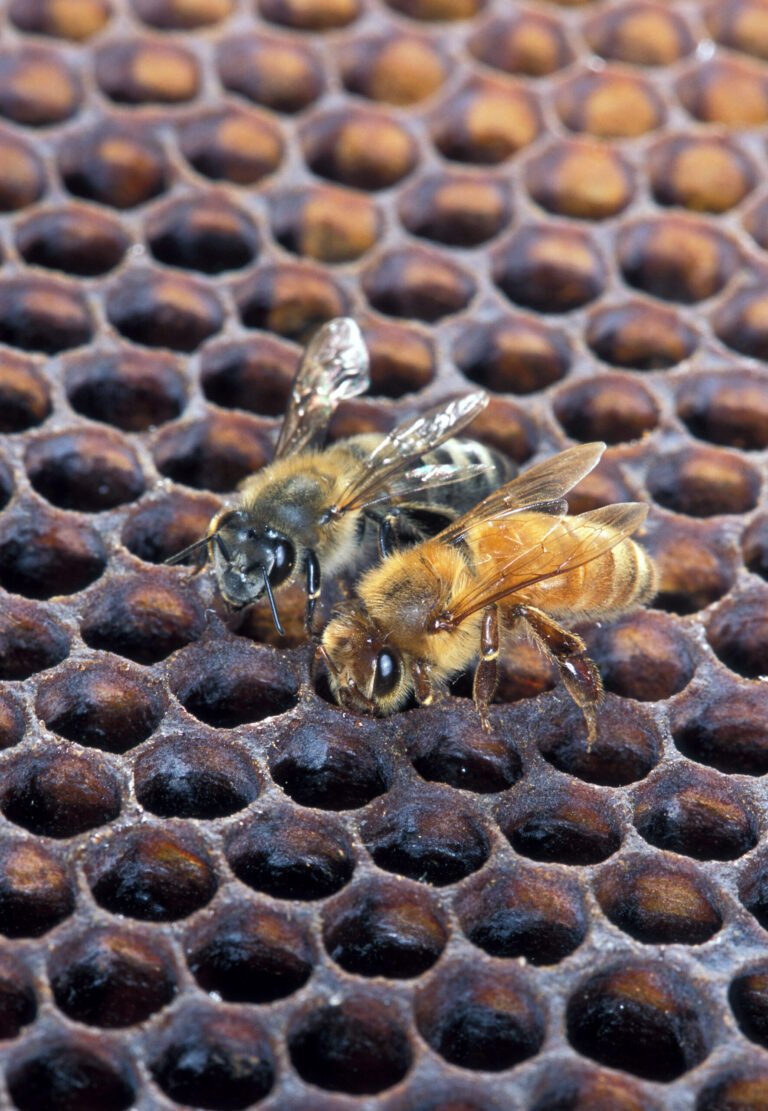
A single afternoon in 1957, when a visiting beekeeper removed queen excluders he mistook for a mistake, is the real origin of every Africanized honey bee across two continents.

The 120-plus-year history of the Smithsonian's bee and insect specimen collection, from an 1898 acquisition to its 2020 shift to full public open access.
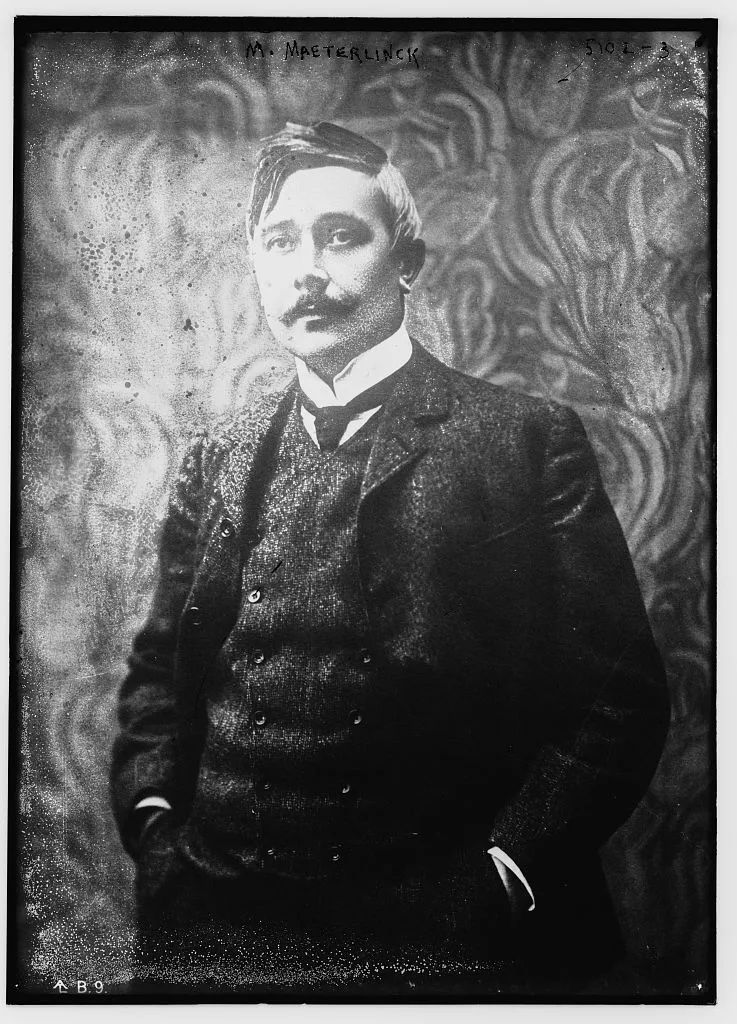
How a Belgian playwright's 1901 philosophical bestseller about the beehive shaped public fascination with bees, years before he won the Nobel Prize in Literature.

How a 17th-century English vicar's patient hive observations produced the first English-language beekeeping book — and correctly named the hive's ruler a queen decades before anyone could prove it.
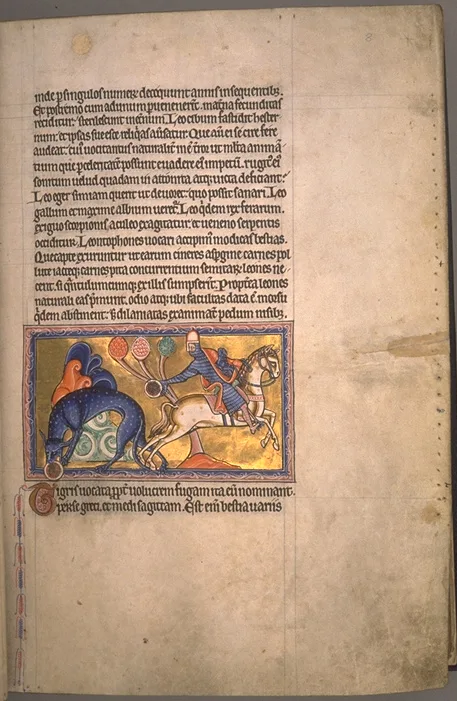
What illustrated medieval bestiaries actually said about bees — surprisingly accurate on colony life, and centuries wrong about the queen and spontaneous generation.
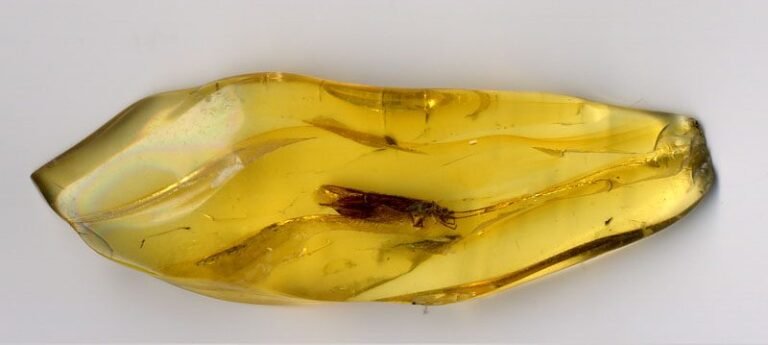
The oldest known bee fossils are around 100 million years old and capture a genuine transitional form between predatory wasps and pollen-collecting bees. Here's what they reveal.

In 2003, archaeologists found honey preserved for roughly 5,500 years in a Bronze Age tomb in Georgia. Here's what the discovery revealed about ancient beekeeping and why honey never spoils.
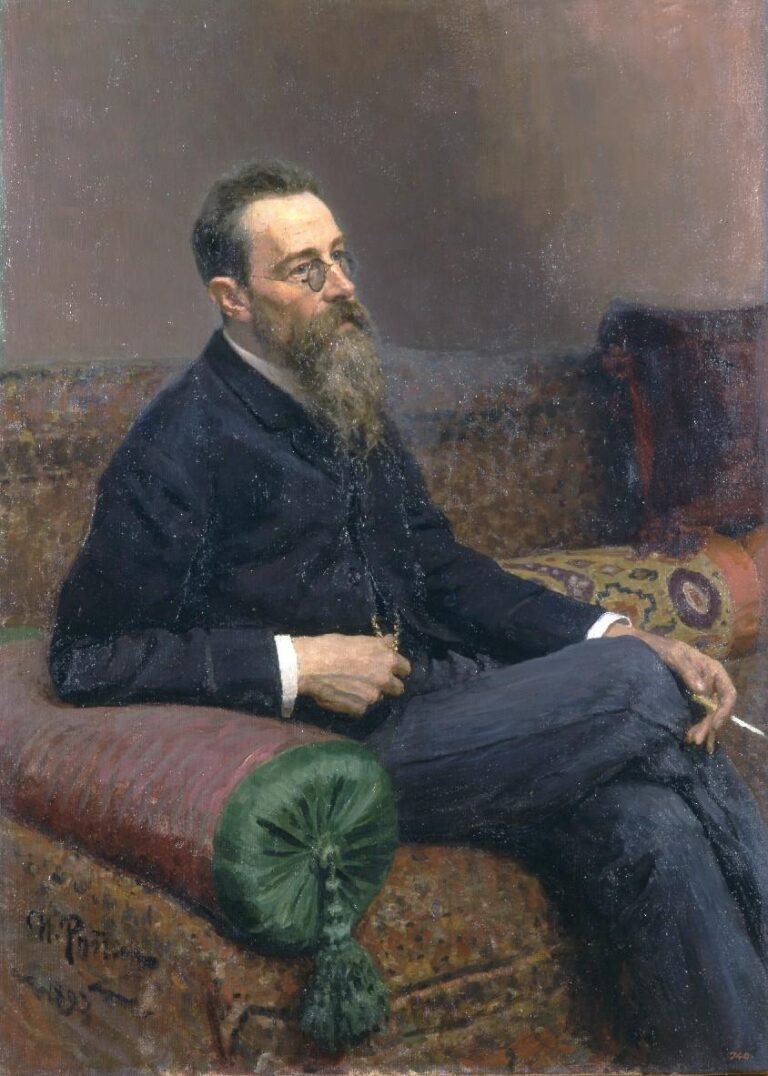
Flight of the Bumblebee began life as an opera interlude depicting a prince magically turned into a bee. Here's the real Rimsky-Korsakov history behind music most people know out of context.
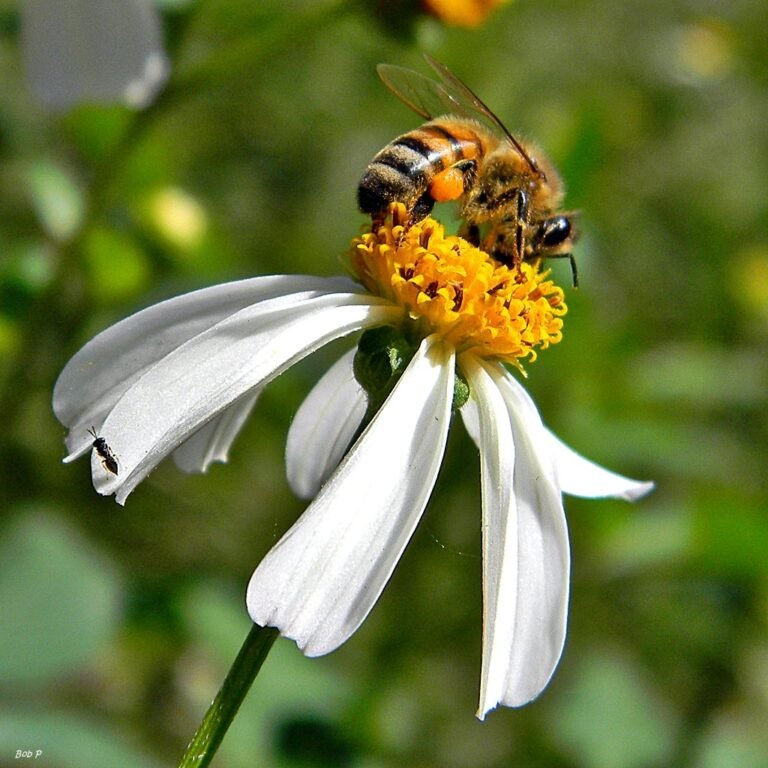
A traceable, three-stamp history of the honey bee's appearances on US postage, from a 1988 printing milestone to a 2017 pollinator-conservation message.
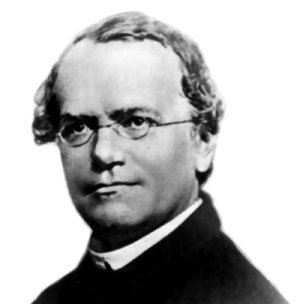
Gregor Mendel, famous for pea-plant genetics, also kept about 50 bee colonies and tried to breed better bees - and ran into a problem still relevant to queen breeding today.
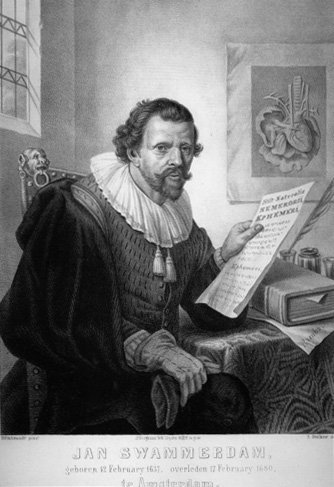
How a 1670s dissection by Dutch naturalist Jan Swammerdam finally proved a beehive's leader was a queen, not the "king bee" Europeans had assumed for centuries.