
Bee and Honey World Records: The Real Guinness Facts
The actual Guinness World Records for bee beards and honey yield, verified against real record-keeping bodies rather than vague social media claims.

Beekeeping is one of the oldest agricultural practices, and the methods and hive designs in use today are the product of centuries of trial, error and regional adaptation. The articles here look at how techniques evolved, where major hive designs came from, and how historical practice compares with modern methods.
The subjects fall into a few groups. Inventions: the movable-frame hives of Petro Prokopovych and Lorenzo Langstroth, the queen excluder, the centrifugal extractor that ended the need to crush comb at harvest, and the bellows smoker. Scientists: Jan Swammerdam proving under the microscope that the so-called king bee was a queen, and Karl von Frisch decoding the waggle dance. The deep past: Egyptian tomb reliefs of horizontal clay hives, the clay-cylinder apiary excavated at Tel Rehov, bee-theft penalties in Hittite law, and hives counted in the Domesday Book. Alongside these sit biographies of figures such as A.I. Root and Marla Spivak.
It is written for beekeepers who like knowing why a piece of equipment looks the way it does, for students and writers who need reliable background, and for anyone curious about the people who shaped modern apiculture. It also separates documented discoveries from popular myths. Folklore and living cultural traditions of beekeeping are covered separately in Global Beekeeping Traditions.
Start here:
The actual Guinness World Records for bee beards and honey yield, verified against real record-keeping bodies rather than vague social media claims.

How banker Samuel Wagner founded America's oldest continuously published beekeeping magazine in 1861, and why Dadant & Sons still publishes it today.

Five months before Langstroth's US patent, a German baron independently invented his own movable hive frame and helped confirm a foundational discovery in bee biology.

How a physicist who got a beehive as a wedding gift went on to found the International Bee Research Association and write the definitive history of beekeeping.
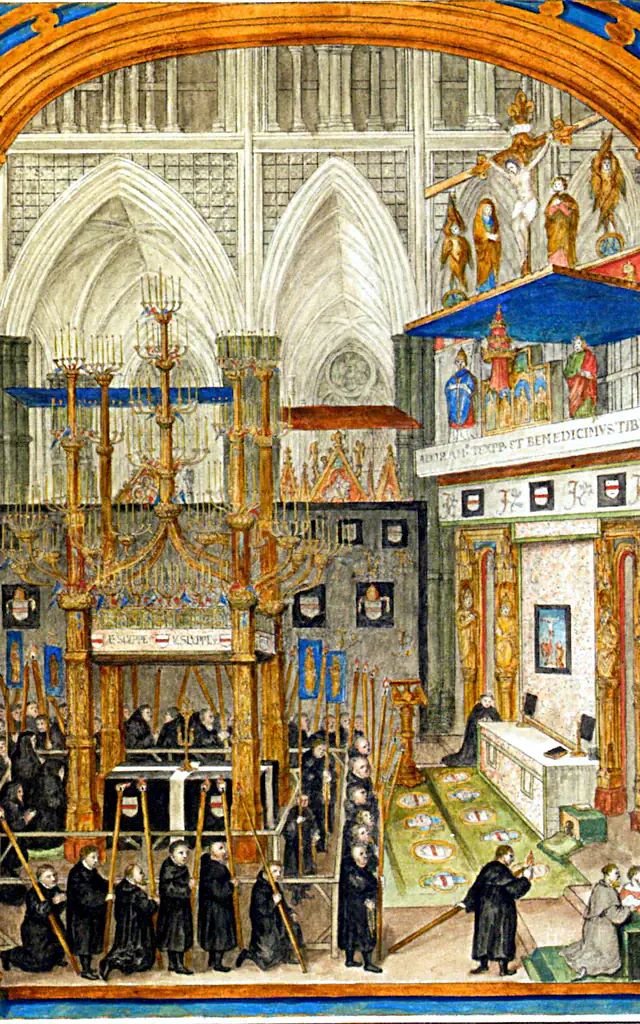
How beeswax functioned as real medieval currency: church candle demand, the light-scot wax tax, a circular economy of burned candle stubs, and why beeswax (not tallow) mattered so much.

NASA has sent bees into orbit at least four separate times since 1982, and the results range from a genuine failure that killed every bee aboard to a successful demonstration…
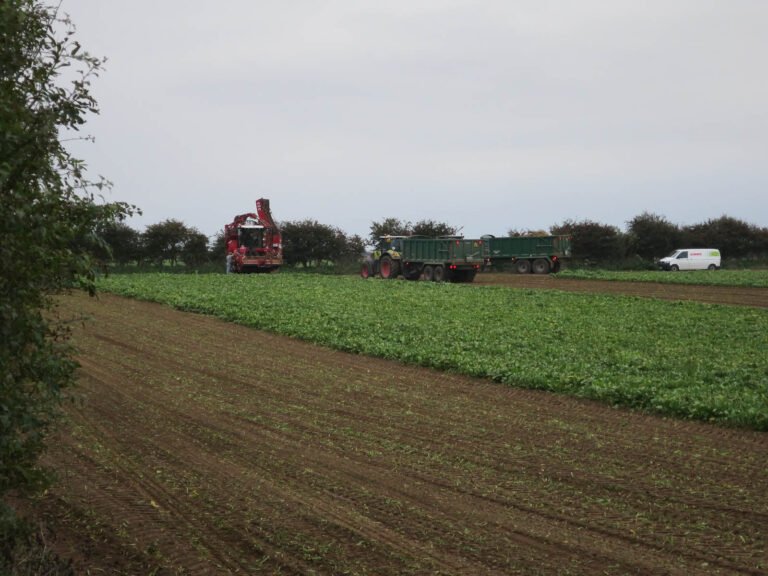
The real economic history of how sugar displaced honey: colonial plantations, Napoleon's blockade, and the beet sugar industry that made sugar cheap enough to win.
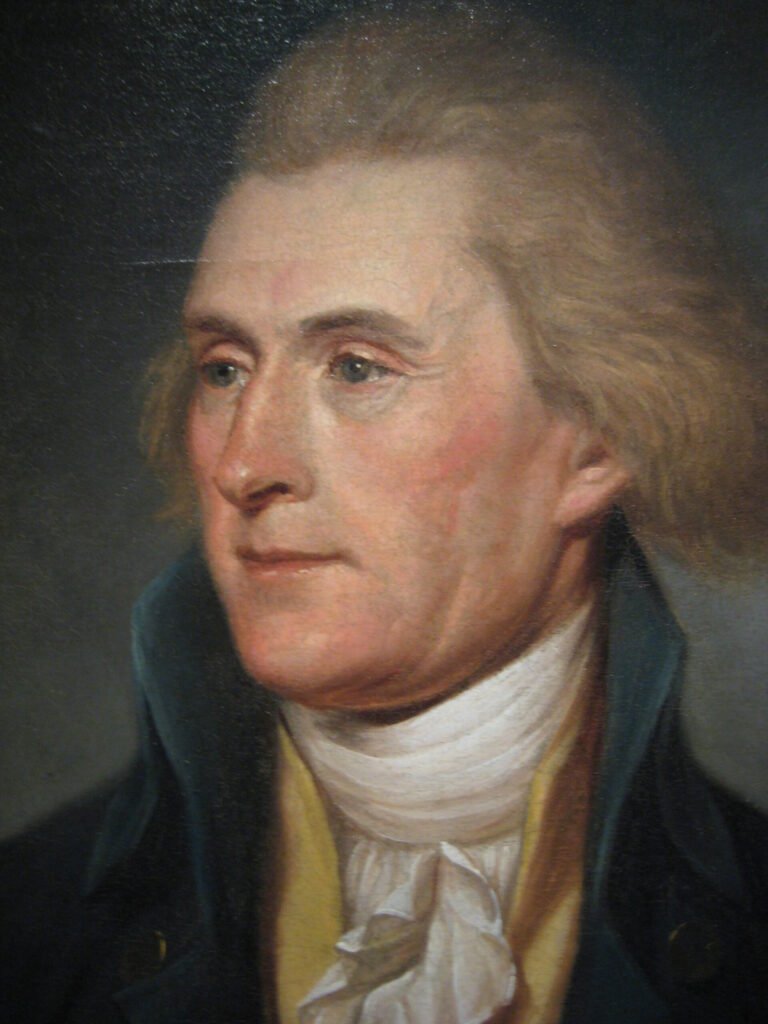
The real history of how European honeybees first arrived in North America — and why native bees were here long before them.
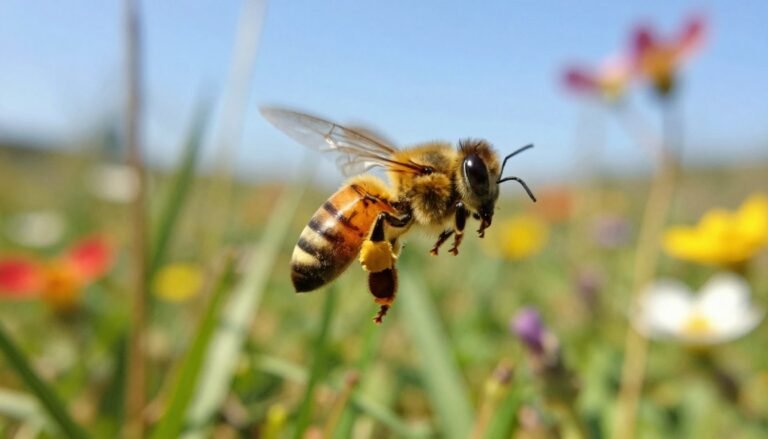
Every closed-population breeding line and every carefully controlled genetic cross in modern queen breeding – including work like the New World Carniolan breeding program covered elsewhere on this site –…
In October 2006, Pennsylvania commercial beekeeper Dave Hackenberg opened hives in his Florida wintering yard and found something genuinely strange: colonies with a healthy queen, capped brood, and full honey…
New Zealand’s honey industry today is internationally famous for one thing above all else: Manuka honey, a premium, scientifically studied variety that commands prices most other honey varieties can only…
In December 1841, a young English clergyman departed Plymouth with beehives stowed in the ship’s hold, determined to establish honeybees in a country that had never had them before. William…
Decades before Gregor Mendel’s pea-plant experiments laid the foundation for modern genetics, a Silesian priest and beekeeper made a discovery about honeybee reproduction so counterintuitive that it took years for…
Every May 20th, beekeeping organizations, schools, and pollinator advocates around the world mark World Bee Day – a date chosen specifically because it is the birthday of Anton Janša, an…
Beekeepers have known for well over a century that royal jelly, and royal jelly alone, turns a genetically ordinary female honeybee larva into a queen rather than a worker. What…
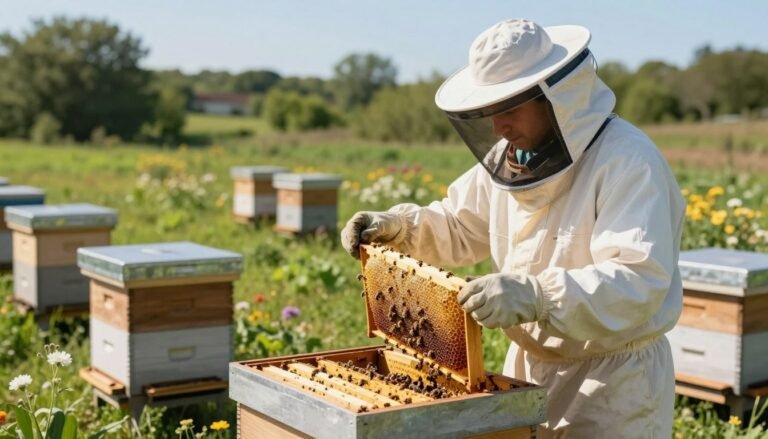
Long before Terramycin, lateral-flow test kits, or a phone call to a state bee inspector, American foulbrood (AFB) spread through beekeeping operations almost entirely unchecked. There was no law requiring…
Lorenzo Langstroth rightly gets the credit for the movable-frame hive, but the man widely regarded as the genuine father of practical, commercial-scale American beekeeping was a New York farmer who…
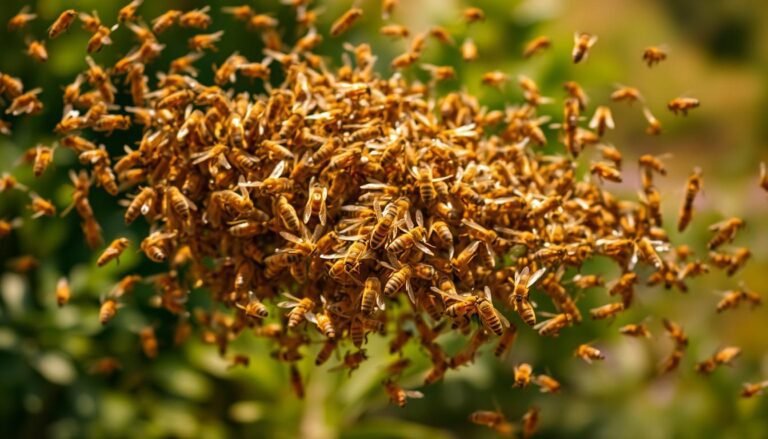
Every single spring, thousands upon thousands of American beekeepers restart their own lost colonies with nothing more than a screened box of loose bees and a caged queen, shipped or…
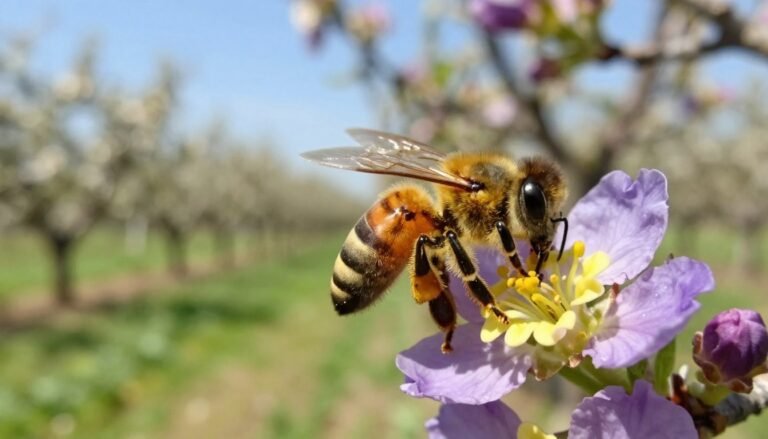
Every single February, roughly two-thirds of all managed honeybee colonies in the United States converge on California’s Central Valley for a single event: almond pollination. This genuinely staggering, single-crop concentration…
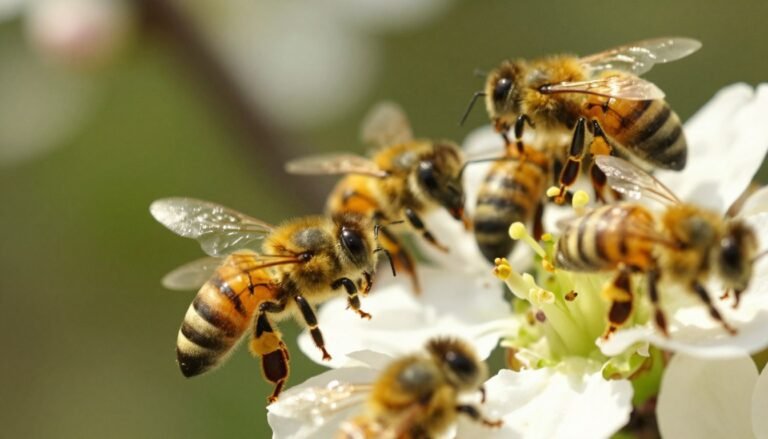
More than two full thousand years before Karl von Frisch ever decoded the waggle dance, the ancient Greek philosopher Aristotle was already documenting honeybee social organization, division of labor, and…
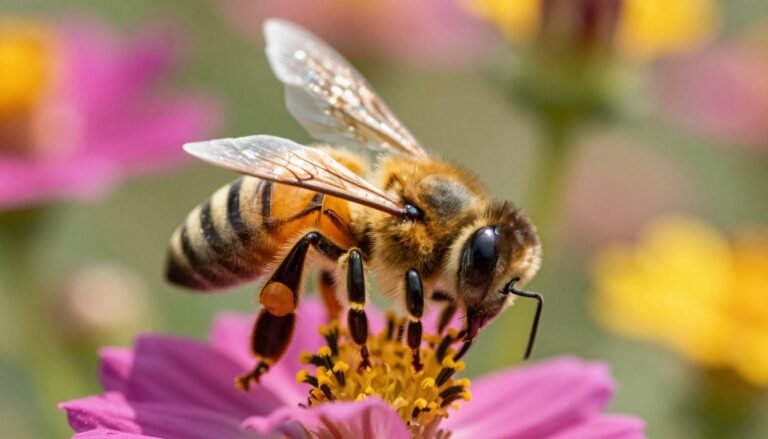
A former jeweler and watchmaker from Medina, Ohio went on to build one of the single most influential beekeeping equipment companies in American history, wrote a reference book still being…
A genuinely significant share of the foundational American beekeeping infrastructure still recognizably in use today — from a genuinely still-operating supply company to a widely referenced hive design to the…
Nearly three full decades before Lorenzo Langstroth ever patented his now-famous movable-frame hive in the United States, a Ukrainian beekeeper had already independently designed, built, and successfully used a genuinely…
Decades before Lorenzo Langstroth patented the movable-frame hive, a Swiss naturalist who couldn’t see designed a hive that opened like the pages of a book — and used it, through…
Every explanation of the honeybee waggle dance on this site, and on virtually every other beekeeping resource, traces back to one Austrian zoologist who spent decades patiently watching bees dance…