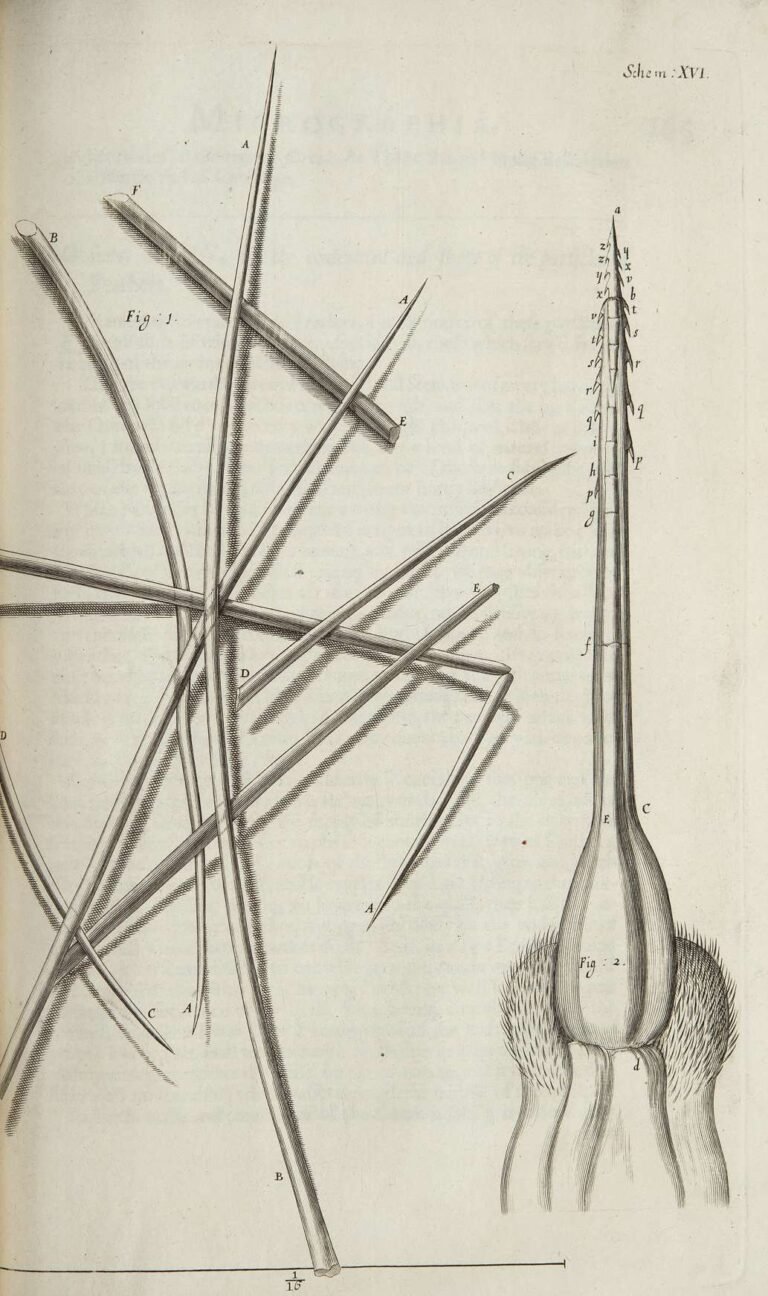
Robert Hooke’s Micrographia: The First Microscopic View of a Bee
Robert Hooke's 1665 Micrographia included the first microscopic illustration of a bee ever recorded - and it's where we learned bee stings are barbed.

Beekeeping is one of the oldest agricultural practices, and the methods and hive designs in use today are the product of centuries of trial, error and regional adaptation. The articles here look at how techniques evolved, where major hive designs came from, and how historical practice compares with modern methods.
The subjects fall into a few groups. Inventions: the movable-frame hives of Petro Prokopovych and Lorenzo Langstroth, the queen excluder, the centrifugal extractor that ended the need to crush comb at harvest, and the bellows smoker. Scientists: Jan Swammerdam proving under the microscope that the so-called king bee was a queen, and Karl von Frisch decoding the waggle dance. The deep past: Egyptian tomb reliefs of horizontal clay hives, the clay-cylinder apiary excavated at Tel Rehov, bee-theft penalties in Hittite law, and hives counted in the Domesday Book. Alongside these sit biographies of figures such as A.I. Root and Marla Spivak.
It is written for beekeepers who like knowing why a piece of equipment looks the way it does, for students and writers who need reliable background, and for anyone curious about the people who shaped modern apiculture. It also separates documented discoveries from popular myths. Folklore and living cultural traditions of beekeeping are covered separately in Global Beekeeping Traditions.
Start here:
Robert Hooke's 1665 Micrographia included the first microscopic illustration of a bee ever recorded - and it's where we learned bee stings are barbed.
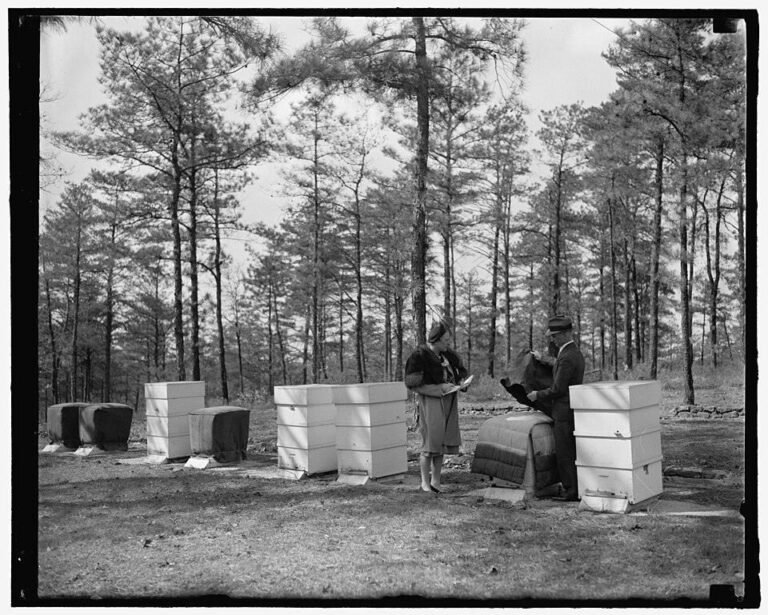
Federal bee research has run almost continuously since 1891, from Frank Benton's first directorship to today's Beltsville lab -- still the default place to diagnose a sick colony.
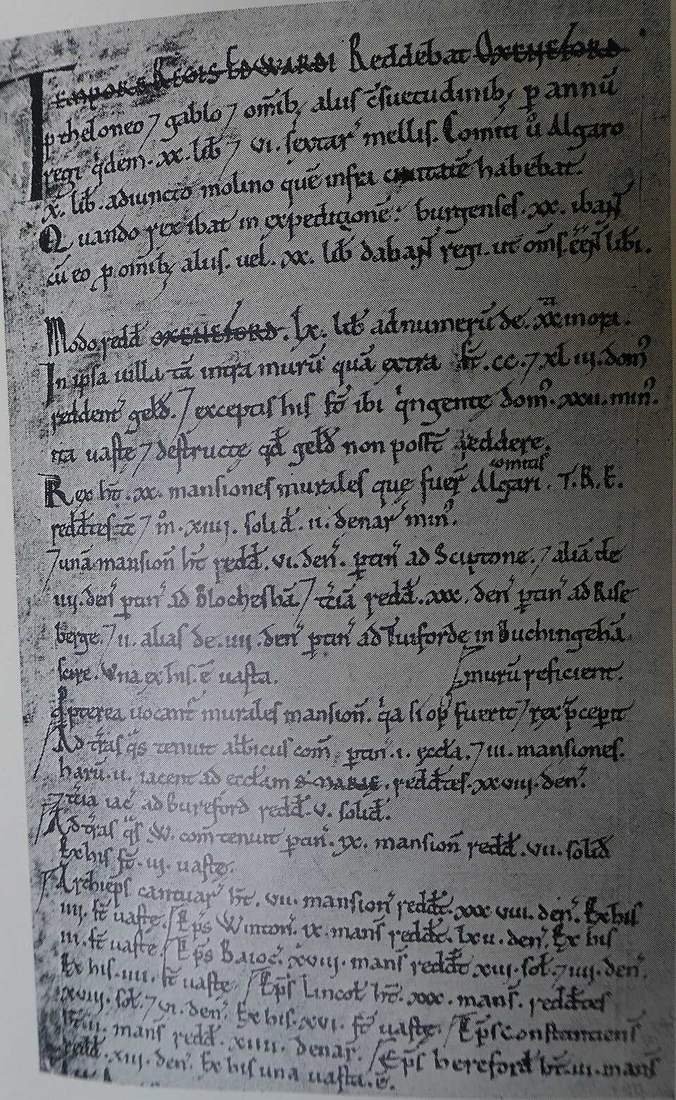
England's 1086 Domesday survey recorded honey rents, beekeepers called mellitarii, and hundreds of hive-related entries -- the earliest hard evidence of the trade's real scale.
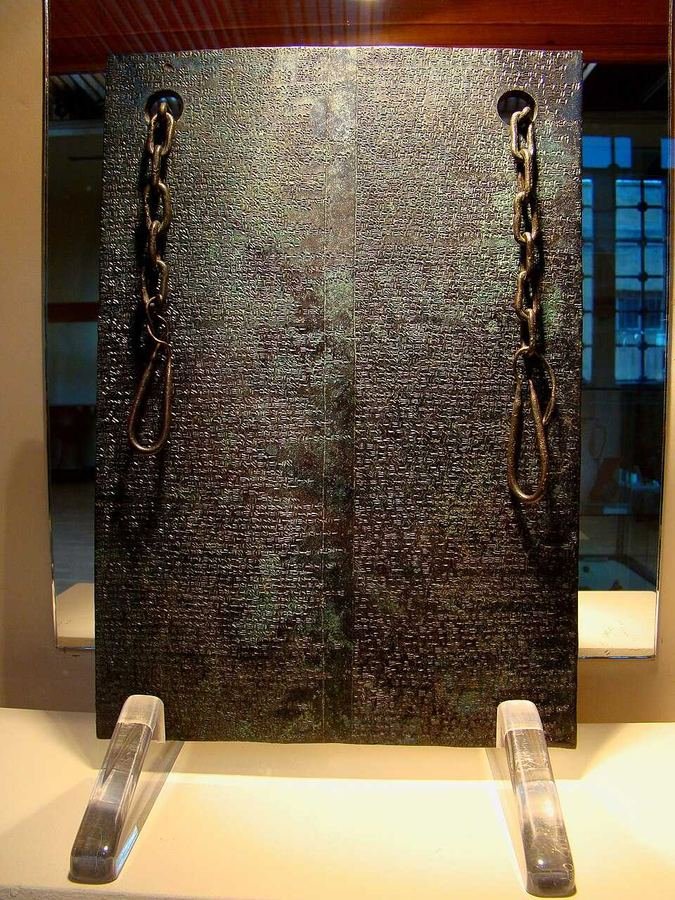
A 3,600-year-old Hittite law fixed the penalty for stealing beehives in silver -- and openly records the harsher punishment it had replaced.

Bee boles are wall recesses built to shelter straw skeps, almost unique to Britain and Ireland -- and the reason over 1,600 of them are still on record today.

Arthur Conan Doyle really did retire Holmes to keep bees on the Sussex Downs -- here's what the actual stories say, and where fans place his fictional farm.
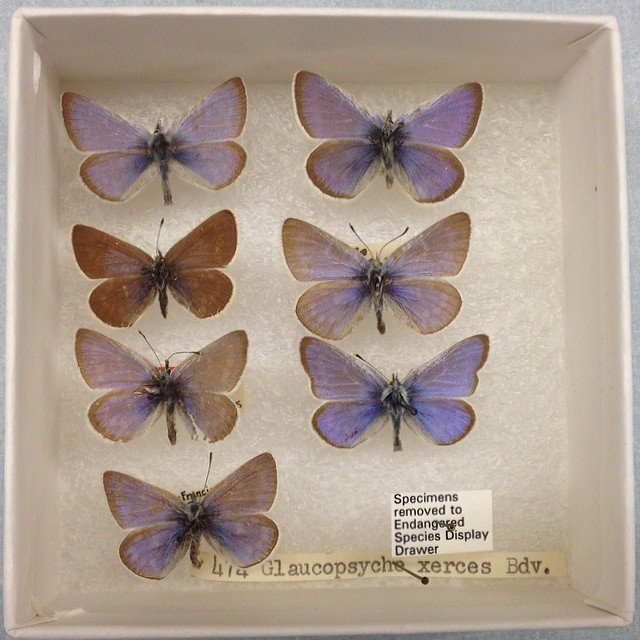
The Xerces Society is named after a real extinct butterfly. The story of its 1971 founding and why that name was chosen deliberately.
In 2006 scientists sequenced the honey bee genome and found a genuine surprise: fewer immune genes than expected, not more.
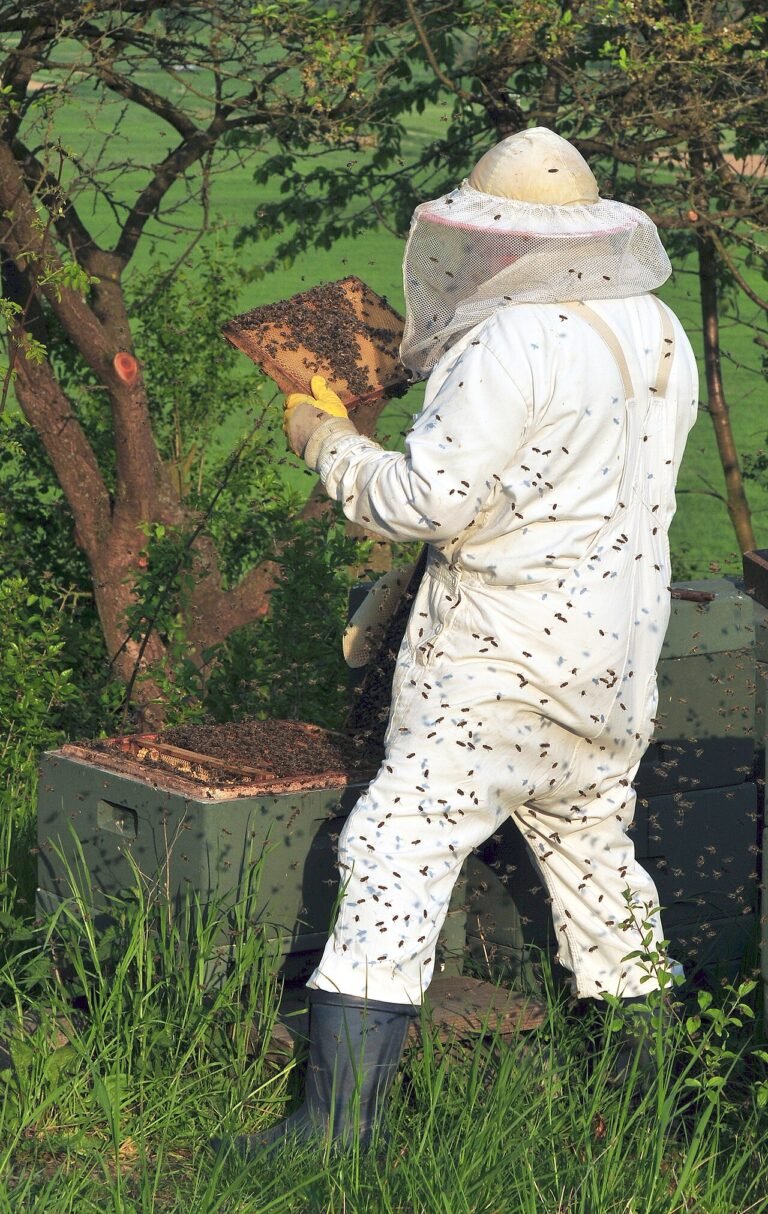
COVID-19 really did spark a surge in new beekeepers - but it also collapsed the package bee supply chain they needed to get started.

Five beekeepers founded the Sioux Honey Association cooperative in 1921. How it grew into the Sue Bee brand and the countrys largest honey co-op.
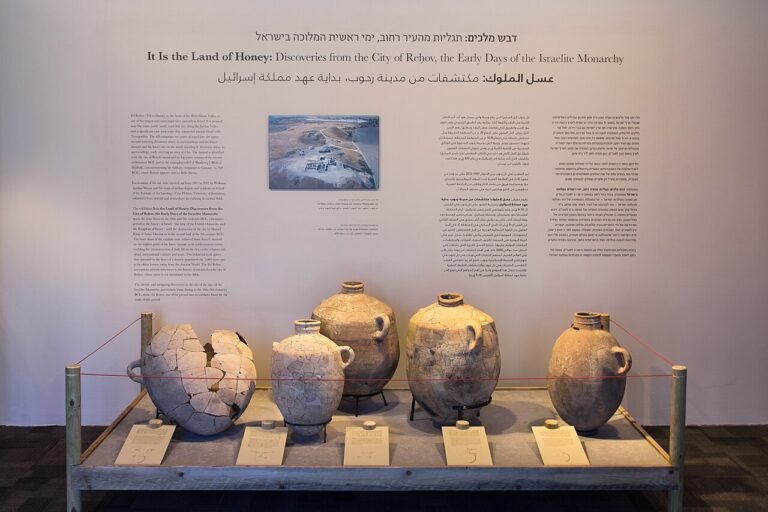
Archaeologists found the worlds oldest known managed apiary at Tel Rehov, Israel - and the bees inside came from Anatolia.
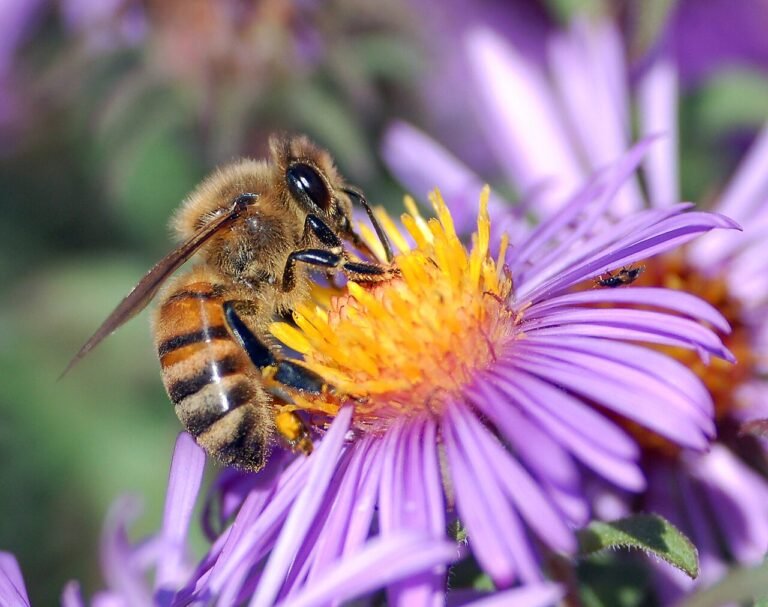
The history of the 2014 White House Pollinator Health Task Force, its 180-day deadline for a national strategy, and the $15 billion case behind it.
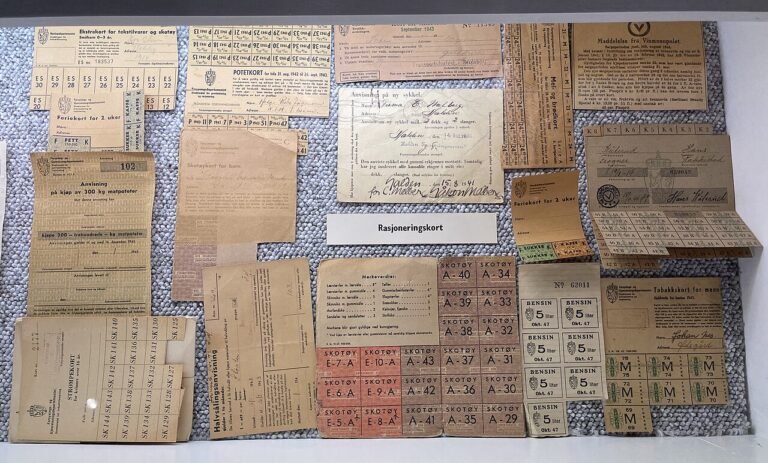
How World War II turned beekeeping into classified war-essential work, driven by 350 military uses for beeswax and wartime sugar rationing.
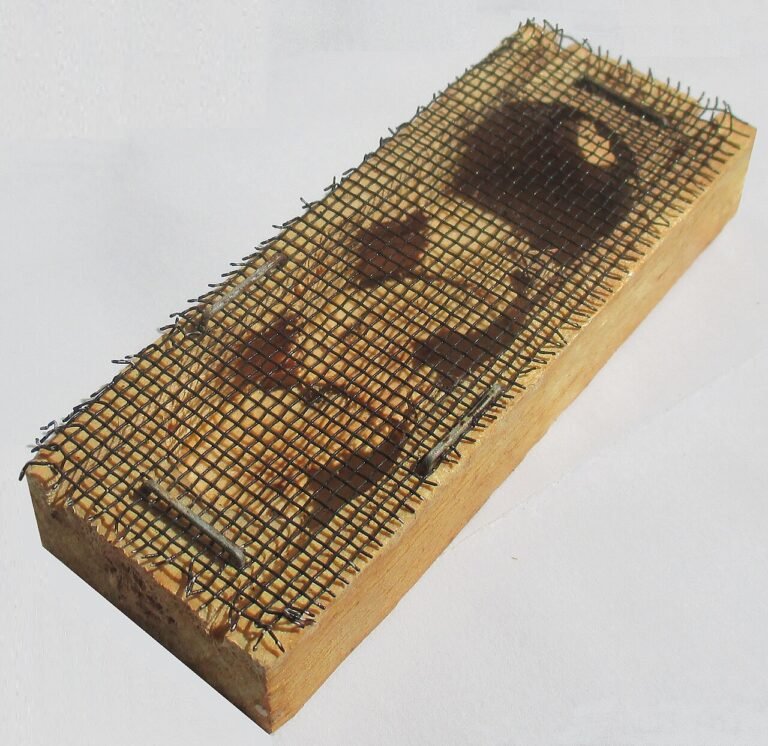
The real history of Frank Benton, the USDA bee explorer who verified Cyprian and Caucasian bee imports abroad and invented the modern queen mailing cage.
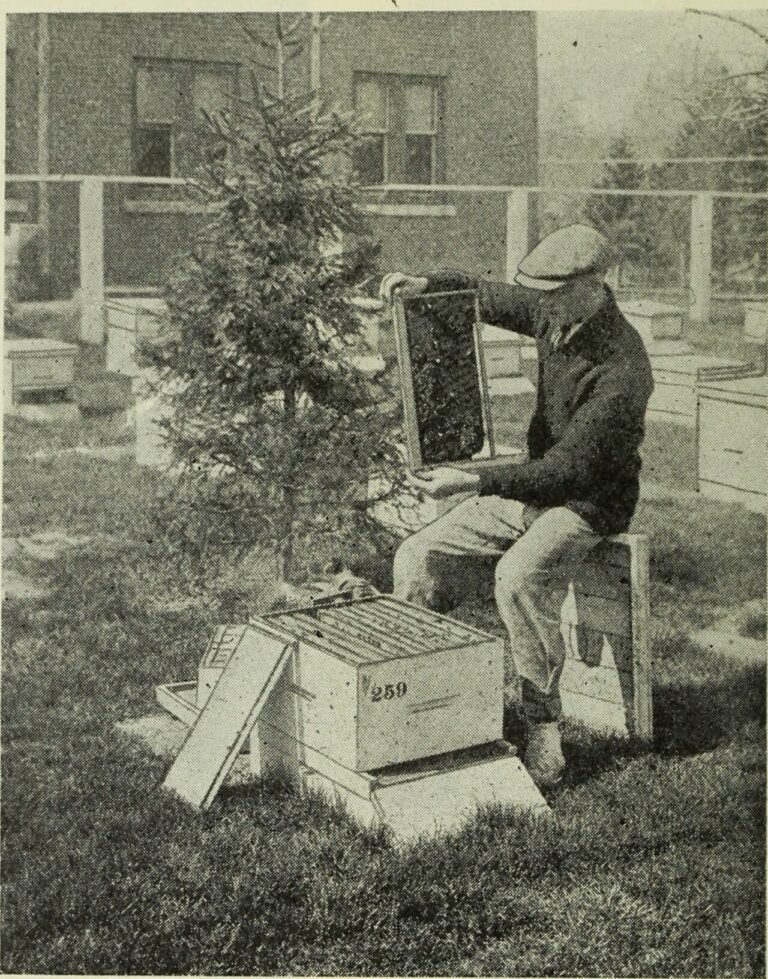
The history of Isle of Wight disease, the early-1900s epidemic that killed 90% of British and Irish bee colonies and still divides scientists on its cause.
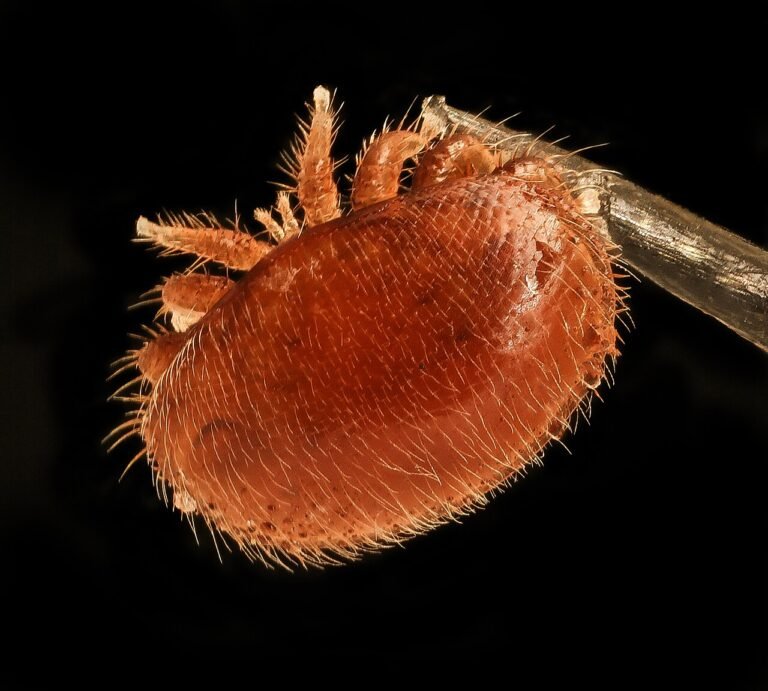
How Varroa mites, first confirmed in the U.S. in September 1987, spread nationwide within eight years and forced a permanent shift in beekeeping practice.
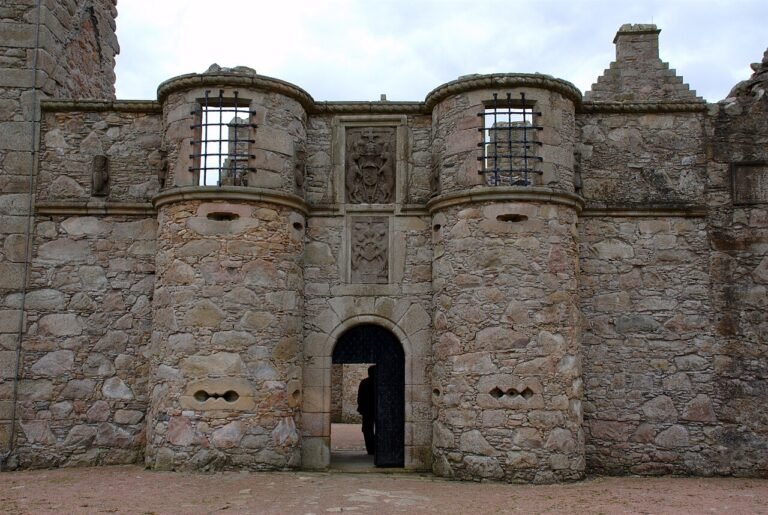
The documented history of bees and hornets used in warfare, from 1935 Ethiopian tank defense to medieval siege legends and Vietnam War booby traps.
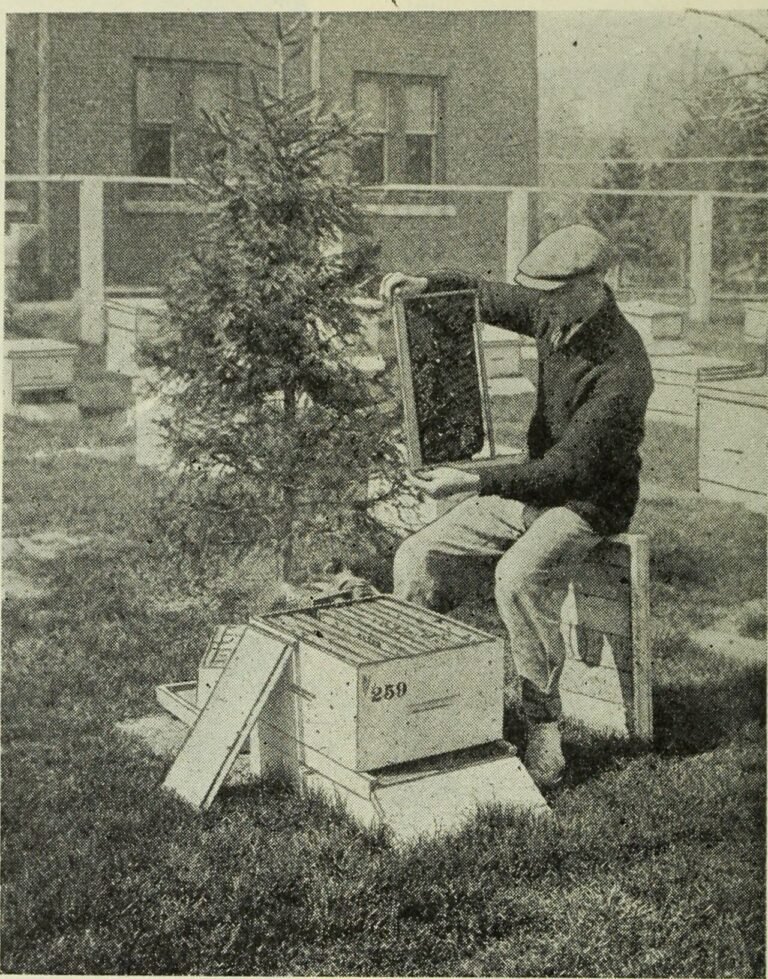
Why Congress banned live honey bee imports in 1922, how the law changed over four later amendments, and why it still shapes American bee genetics today.
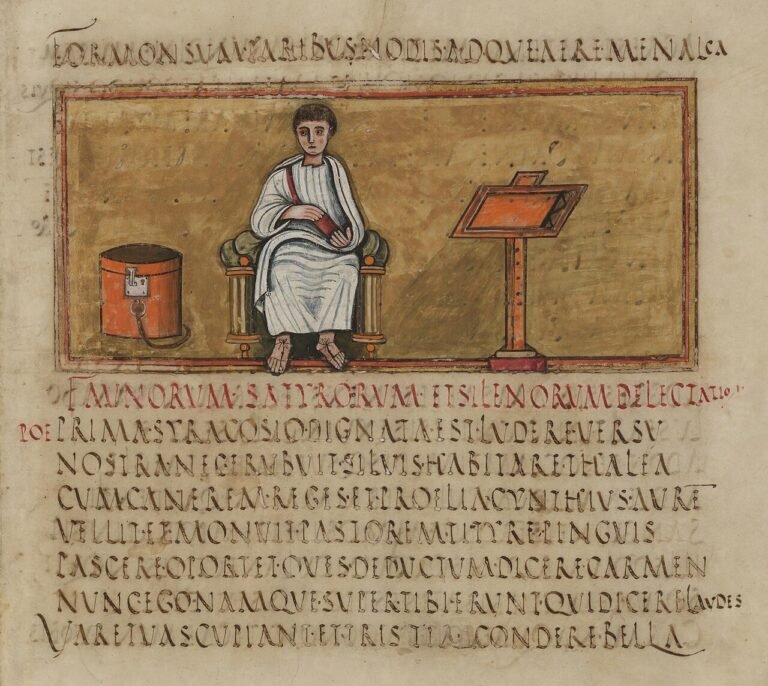
What Virgil's Georgics, Columella, and Varro actually reveal about how Romans kept bees, priced honey, and inherited a 1,700-year-old mistake about the hive's ruler.
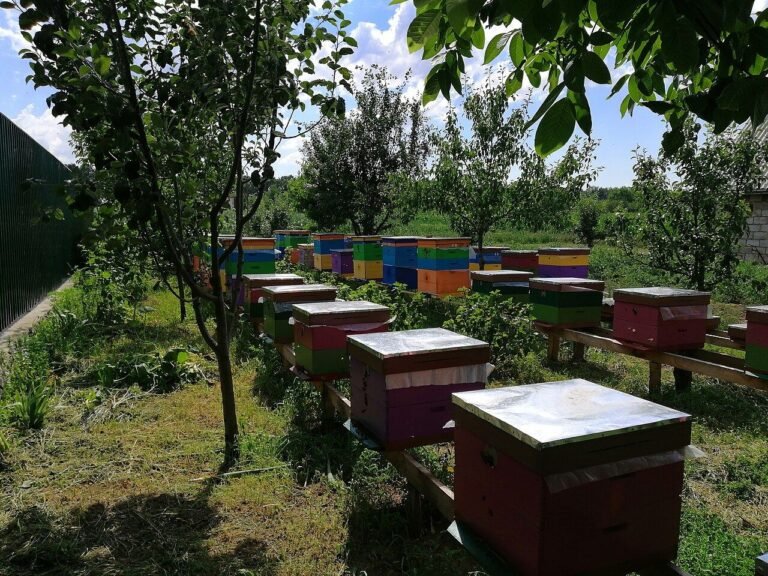
How the war has cut Ukraines honey production and colony numbers, and why the impact reaches European honey buyers too.

How researchers train honey bees using a simple sugar-reward reflex to detect buried landmines, and how it has actually been used in Croatia.

How three beehives on a lower roof of Notre-Dame survived the 2019 cathedral fire, and the real reason it was location and bee behavior, not a miracle.
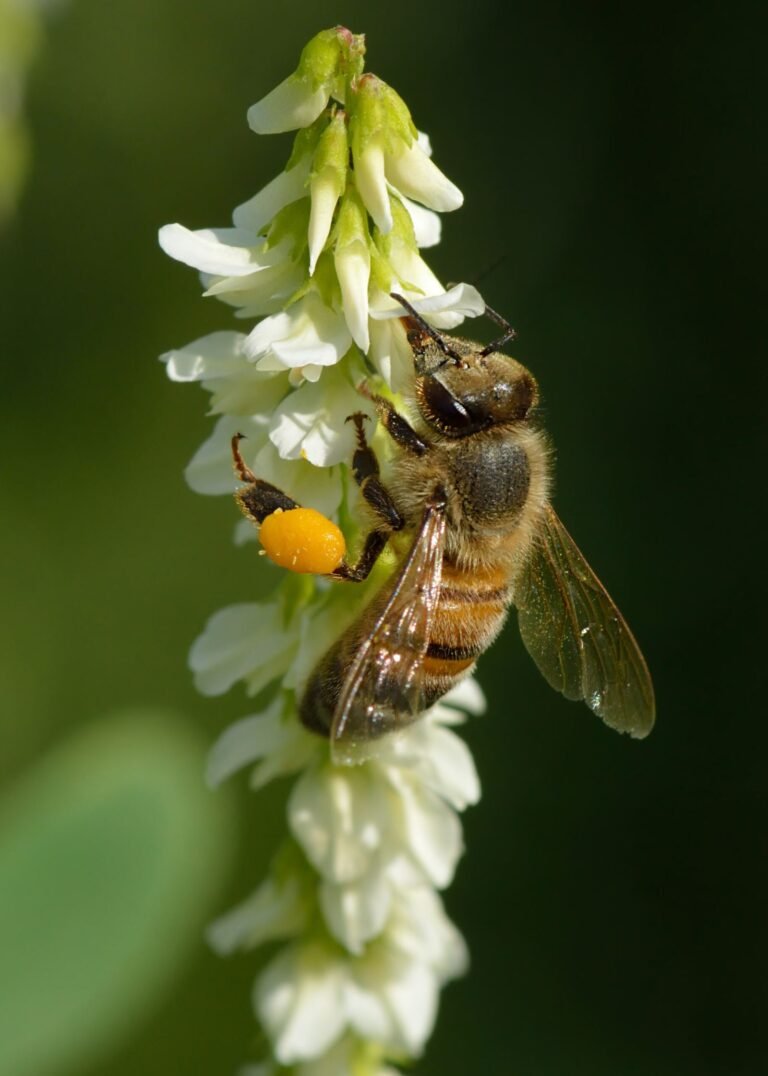
Different honey bee races and species encode the same flight distance differently in their waggle dance, a real dialect confirmed after a 70-year open question.

Before Africanized bees reached the US, Hollywood built four movies around the panic. The real 1957 Brazilian accident that started it all, and what the films got wrong.

Churchill kept bees for decades, Tolstoy drew on his own hives in War and Peace, and a Nobel laureate wrote the best-selling book ever about bees. The real stories.