During World War II, the U.S. government officially classified beekeeping as “war-essential” work, placing it in the same priority category as munitions manufacturing and shipbuilding — not out of sentiment, but because beeswax turned out to have an estimated 350 distinct military uses and sugar rationing had made honey suddenly indispensable in kitchens across the Allied world. For a few wartime years, tending bees stopped being a rural hobby and became, quite literally, a patriotic duty with material stakes.
Key Takeaways
- The U.S. government declared beekeeping “war-essential” during World War II, a classification that placed it alongside munitions and shipbuilding in terms of wartime priority.
- Beeswax had an estimated 350 uses in the U.S. Navy and Army and roughly 150 uses in pharmaceuticals during the war, including waterproofing ammunition, cables, pulleys, canvas, and other military equipment.
- Severe sugar rationing across Allied nations made honey a genuinely important sugar substitute in ordinary households, driving a surge of civilian interest in keeping bees.
- In neighboring Canada, beekeeper numbers grew from 27,150 in 1940 to 43,340 by 1945, and honey-producing colonies increased by roughly a third to reach 522,530 during the war years — figures that illustrate the scale of the wartime beekeeping boom, even where comparable precise U.S.-wide numbers aren’t as readily documented.
- When the war ended and both rationing and military beeswax contracts disappeared almost simultaneously, the honey market was suddenly flooded with excess supply and prices collapsed, prompting government price-support intervention through the Agricultural Act of 1949.
Table of Contents
- “War-Essential”: What That Classification Actually Meant
- 350 Military Uses for Beeswax
- Sugar Rationing Made Honey “Liquid Gold”
- The Wartime Beekeeping Boom
- Peace Brought a Honey Glut
- Frequently Asked Questions
“War-Essential”: What That Classification Actually Meant
Wartime governments across the Allied world didn’t leave industries to fend for themselves during World War II — critical sectors were formally classified and prioritized for labor, materials, and fuel allocation, and beekeeping made that list. In the United States, the government declared beekeeping “war-essential,” a designation that put apiarists in the same broad priority tier as workers building ships and manufacturing munitions when it came to draft deferments, fuel rationing exemptions for necessary travel, and access to scarce materials needed to keep operations running. It’s an easy detail to find surprising today, when beekeeping reads as a niche agricultural hobby to most people — but in the context of 1940s wartime economics, it was treated as genuinely strategic work.
350 Military Uses for Beeswax
The single biggest reason beekeeping earned that strategic status was beeswax, not honey. Wartime petroleum shortages created urgent demand for alternative waterproofing and lubricating materials, and beeswax filled that gap across a remarkable range of applications. A wartime estimate from the U.S. Office of Price Administration put the number of military uses for beeswax at approximately 350 in the Navy and Army combined — including waterproofing ammunition casings, canvas tents, belts, cables, and pulleys — plus roughly another 150 uses in pharmaceutical production. Before penicillin became widely available, battlefield medics are also documented to have used honey to dress wounds, taking advantage of its natural antiseptic properties at a time when more modern treatments simply weren’t accessible in the field.
Sugar Rationing Made Honey “Liquid Gold”
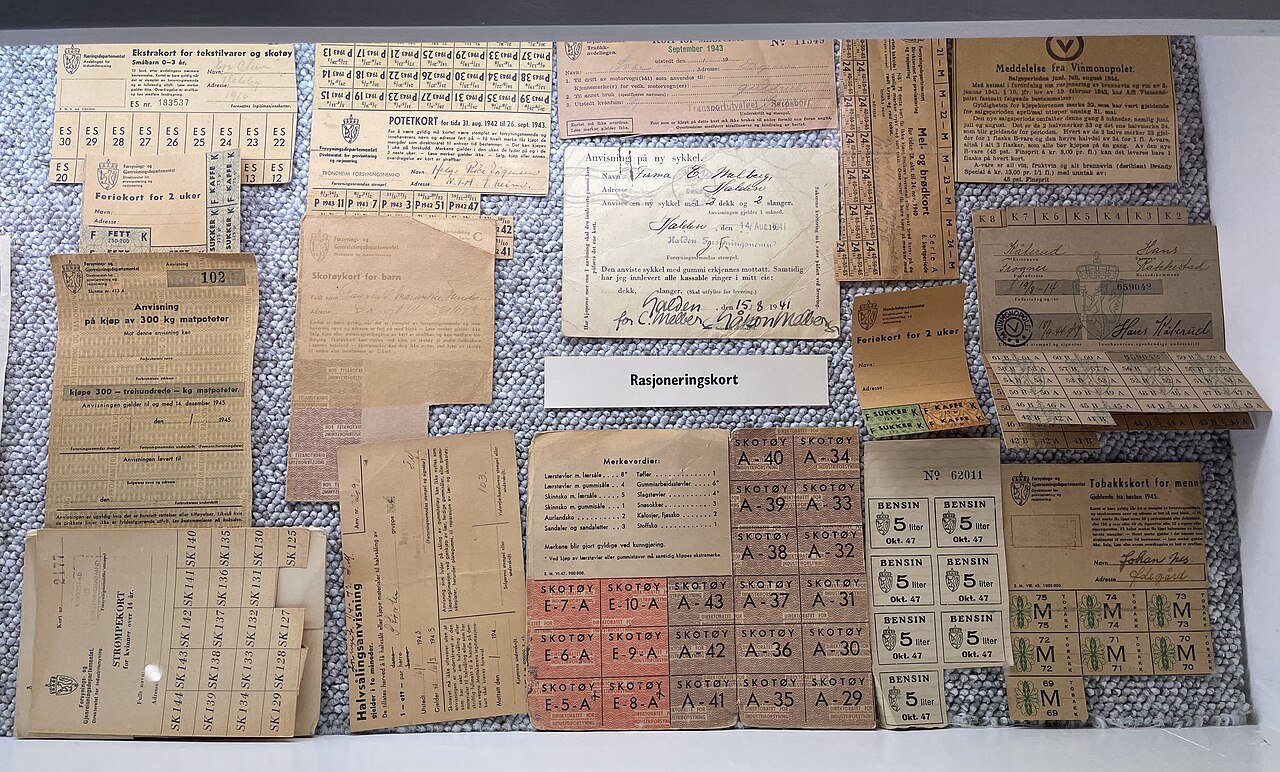
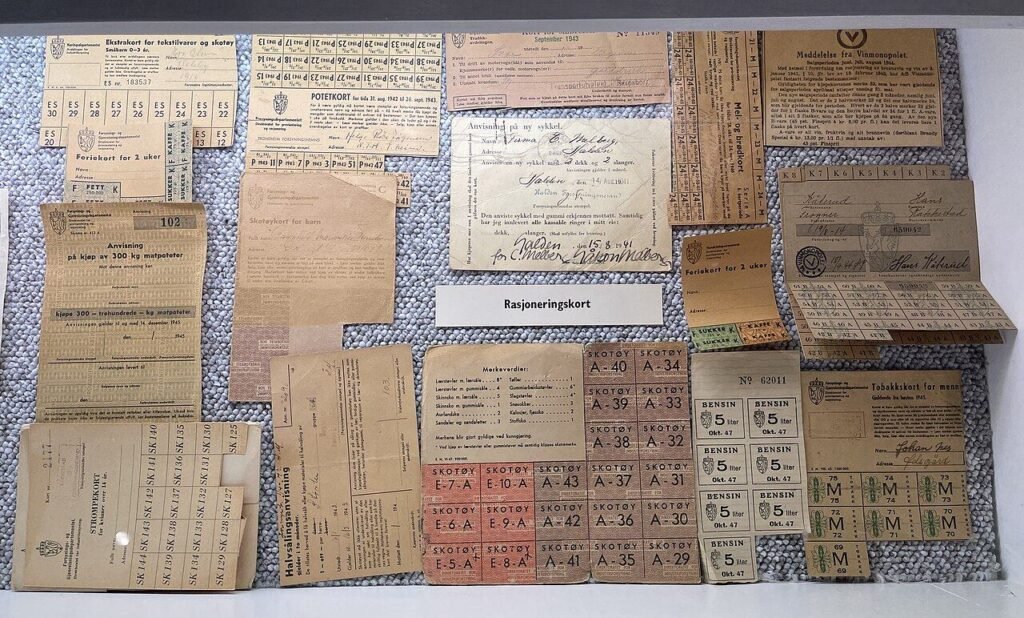
On the home front, the driving force behind renewed civilian interest in beekeeping was far simpler: sugar. Sugar rationing was severe and widespread across Allied nations during the war, and with imported cane sugar supply chains disrupted and rationing books limiting household sugar purchases, honey became what one historical account of the period calls “liquid gold” in kitchens across the Allied world — a sweetener that wasn’t subject to the same rationing controls and that a household could, in principle, produce for itself with enough patience and a hive or two.
The Wartime Beekeeping Boom
The combination of official “war-essential” status, wartime beeswax demand, and civilian sugar rationing produced a genuine surge in beekeeping activity. In Canada, for example, the number of registered beekeepers grew from 27,150 in 1940 to 43,340 by 1945, and honey-producing colonies increased by roughly one-third to reach 522,530 during the war years — concrete, documented figures that illustrate just how sharply interest and participation grew under wartime conditions. Comparable nationwide U.S. figures for the same period are less consistently documented in accessible sources, but the underlying drivers — rationing, beeswax demand, and official encouragement — applied on both sides of the border, and the same broad pattern of wartime beekeeping expansion held across North America.
Peace Brought a Honey Glut
The wartime boom didn’t last past the war itself, and the transition back to peacetime conditions was abrupt rather than gradual. When sugar rationing ended and military contracts for beeswax and honey disappeared at roughly the same time, demand that had been artificially inflated for years collapsed almost overnight. Beekeepers and honey packers who had scaled up production to meet wartime demand suddenly found themselves with a market flooded with excess honey and falling prices, a squeeze severe enough that it helped prompt federal government intervention through price-support provisions in the Agricultural Act of 1949 — legislation that, in a roundabout way, traces its origins directly back to the wartime boom-and-bust cycle beekeeping had just been through.
Frequently Asked Questions
Was beekeeping actually classified as essential war work?
Yes. The U.S. government officially declared beekeeping “war-essential” during World War II, placing it in the same wartime priority category as industries like munitions manufacturing and shipbuilding.
Why was beeswax so important during the war?
Beeswax served as a substitute for scarce petroleum-based materials, with an estimated 350 military uses in the U.S. Navy and Army — largely for waterproofing ammunition, canvas, cables, and pulleys — plus around 150 additional pharmaceutical uses.
Did sugar rationing really increase demand for honey?
Yes. With sugar tightly rationed across Allied nations during the war, honey became an important, less-restricted substitute sweetener in many households, which is part of why civilian interest in keeping bees increased sharply during the period.
What happened to beekeeping after the war ended?
Demand collapsed quickly once sugar rationing ended and wartime beeswax and honey contracts disappeared. The resulting oversupply and falling prices were severe enough to help prompt federal price-support intervention through the Agricultural Act of 1949.
Do we know exactly how many U.S. beekeepers there were during the war?
Precise, consistently documented nationwide U.S. figures for the period are harder to find in accessible sources than comparable Canadian data, which shows beekeeper numbers rising from 27,150 in 1940 to 43,340 by 1945. The underlying wartime drivers applied across North America.
For additional context, see Imperial War Museums.