Winston Churchill kept bees at his home for decades, Leo Tolstoy was so absorbed in beekeeping that his wife worried for his sanity, and a Nobel laureate wrote the best-selling book about bees ever published — not as a beekeeping manual, but as a work of philosophy. Beekeeping and bees show up in the biographies and creative work of a surprising range of historical figures who had nothing else in common, and most of those connections are documented well enough to separate from the vague “did you know” trivia that circulates without sources.
Key Takeaways
- Winston Churchill kept bees at Chartwell, his Kent home, with purchase records dating back to before World War II; the tradition continues today with volunteer-tended hives whose honey has won British Beekeeping Association awards.
- Leo Tolstoy kept his own hives while writing War and Peace and drew directly on beekeeping for one of the novel’s most famous images, comparing occupied Moscow to a “queenless hive.”
- Belgian playwright Maurice Maeterlinck, who won the 1911 Nobel Prize in Literature, wrote The Life of the Bee (1901) — a genuinely popular philosophical meditation on bees, not a scientific beekeeping manual, and by most accounts the best-selling book ever written about bees.
- Sylvia Plath’s father, Otto Plath, was a real entomologist and Boston University professor who specialized in bumblebees and wrote Bumblebees and Their Ways (1934); Sylvia herself took up beekeeping in 1962 and wrote five bee poems that close her collection Ariel.
- Arthur Conan Doyle had Sherlock Holmes retire from detective work specifically to keep bees on the Sussex Downs — a fictional detail, but one that reflected beekeeping’s real cultural status as a respectable retirement pursuit at the time Conan Doyle was writing.
Table of Contents
- Winston Churchill’s Hives at Chartwell
- Leo Tolstoy’s “Queenless Hive”
- The Nobel Laureate Who Wrote the Best-Selling Book on Bees
- Sylvia Plath, Her Entomologist Father, and the Bee Poems
- Sherlock Holmes’s Fictional Retirement
- Frequently Asked Questions
Winston Churchill’s Hives at Chartwell
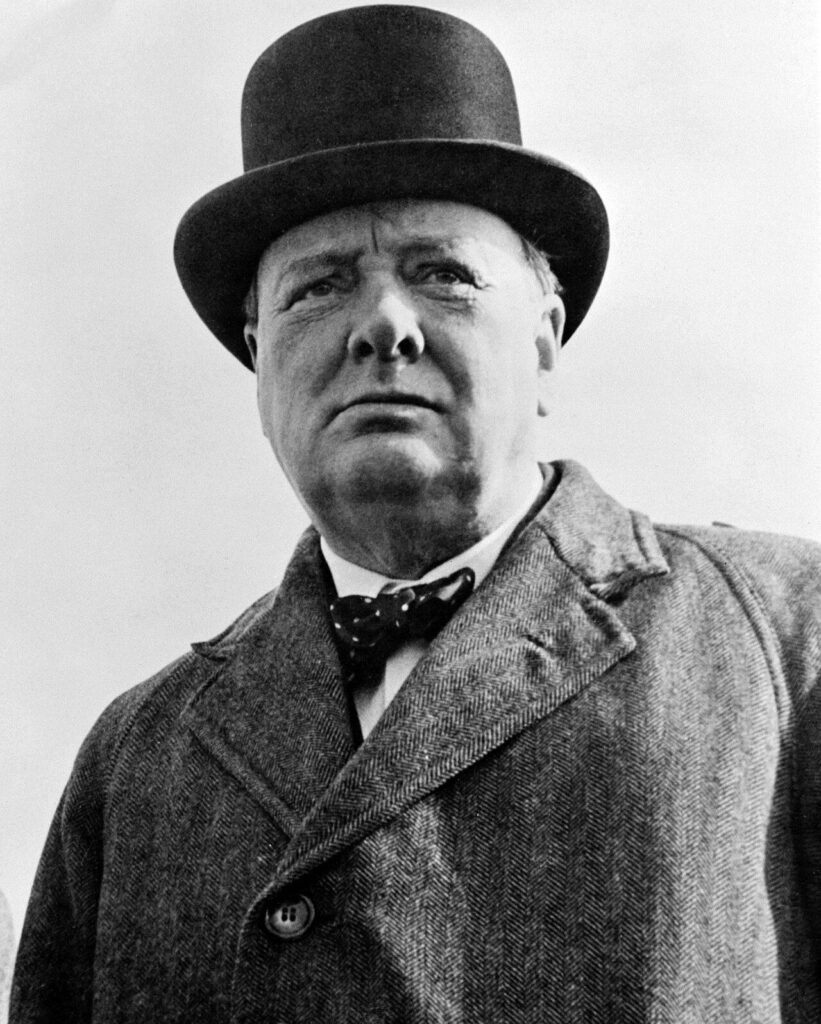
Beekeeping was a genuine, long-running part of Winston Churchill’s life at Chartwell, his family home in Kent. Records of him purchasing beekeeping equipment date back to before World War II, and while the practice wasn’t continuous — there were real gaps over the decades — it was repeatedly picked back up rather than abandoned for good. Today, Chartwell (now managed by the National Trust) keeps the tradition alive with six beehives in the private orchard, tended by trained volunteers. The surplus honey harvested each August has won several awards from the British Beekeeping Association, a detail that suggests the hives are managed with genuine care rather than kept purely as a historical curiosity.
Leo Tolstoy’s “Queenless Hive”
Leo Tolstoy’s connection to beekeeping runs deeper than passing interest. He kept his own hives at Yasnaya Polyana while writing War and Peace, and by most biographical accounts he became genuinely, intensely absorbed in the practice — to the point that his wife reportedly worried the obsession might affect his mental state. That firsthand knowledge shows up directly in the novel itself: Tolstoy famously compares occupied Moscow, after Napoleon’s forces capture the city and much of its population flees, to a “queenless hive” that has lost its vital center and begun to fall apart — a precise, specific piece of beekeeping knowledge used as a load-bearing literary image, not just decorative color.
The Nobel Laureate Who Wrote the Best-Selling Book on Bees
Maurice Maeterlinck was a Belgian playwright and poet who won the Nobel Prize in Literature in 1911 — and a decade earlier, in 1901, he had published The Life of the Bee, a book about honeybee colonies that became, by most accounts, the best-selling book ever written on the subject. It’s worth being precise about what kind of book it actually is: Maeterlinck was a genuinely enthusiastic, knowledgeable beekeeper, but he explicitly didn’t intend the book as a scientific treatise or a practical manual. It’s an exuberantly written philosophical and poetic meditation on the hive as a metaphor for human society, individual purpose, and collective life — closer in spirit to an essay collection than to a beekeeping guide.
That distinction matters for anyone who picks it up expecting a 1901-era version of a modern beekeeping handbook: they’ll find something stranger and more literary, which is exactly why it found such a wide readership outside the beekeeping world in the first place.
Sylvia Plath, Her Entomologist Father, and the Bee Poems
Sylvia Plath’s connection to bees is unusually well-documented and genuinely personal, running through both her family history and her own final year of life. Her father, Otto Plath, was a real, credentialed entomologist — a professor of biology and German at Boston University — whose specific research focus was bumblebees. He wrote Bumblebees and Their Ways (1934), a serious academic work, before dying when Sylvia was only eight years old.
Decades later, in the autumn of 1962 — only about four months before her death in February 1963 — Sylvia Plath took up beekeeping herself and wrote a cluster of poems directly inspired by it: “The Bee Meeting,” “The Arrival of the Bee Box,” “Stings,” “The Swarm,” and “Wintering.” Four of these close her posthumously published collection Ariel, deliberately positioned as the book’s ending sequence. The connection between her father’s professional entomology and her own late-life turn to actual beekeeping and bee-centered poetry is one of the more striking and well-sourced literary-biographical threads involving bees anywhere in 20th-century writing.
Sherlock Holmes’s Fictional Retirement
Not every entry here is a real historical figure. Arthur Conan Doyle had his famous detective retire from active casework specifically to keep bees on the Sussex Downs — a detail established in the Holmes canon and referenced in several of the later stories. It’s fiction, obviously, but it’s a genuinely telling piece of cultural evidence: Conan Doyle chose beekeeping, out of every possible retirement hobby available to a Victorian-era gentleman detective, because it read to his contemporary audience as a specifically respectable, thoughtful, faintly intellectual pursuit — not a random or comedic choice. Fictional details like this are a reasonable, if indirect, record of how a practice was actually perceived by the culture that produced the fiction.
Frequently Asked Questions
Did Winston Churchill really keep bees?
Yes. He kept beehives at Chartwell, his home in Kent, with equipment purchase records dating to before World War II. The National Trust, which now manages Chartwell, continues the tradition with volunteer-tended hives whose honey has won British Beekeeping Association awards.
Did Leo Tolstoy actually keep bees?
Yes, at his estate Yasnaya Polyana while writing War and Peace. He drew directly on that experience in the novel, comparing occupied Moscow to a “queenless hive.”
What is Maurice Maeterlinck’s “The Life of the Bee” about?
Published in 1901 by the Belgian Nobel laureate (Literature, 1911), it’s a philosophical and poetic meditation on honeybee colonies rather than a scientific or practical beekeeping manual, and it became the best-selling book ever written on bees.
Why did Sylvia Plath write about bees?
Her father, Otto Plath, was a real entomologist who specialized in bumblebees and wrote an academic book on the subject before his death when Sylvia was eight. She took up beekeeping herself in 1962, shortly before her death, and wrote five bee poems that close her collection Ariel.
Did Sherlock Holmes really keep bees?
Only in fiction. Arthur Conan Doyle wrote Holmes’s retirement to Sussex to keep bees into the canon, reflecting how beekeeping was culturally viewed at the time as a respectable, contemplative retirement pursuit.
For more background on this, see records of Otto Plath, the entomologist father of poet Sylvia Plath.