Last Updated September 15, 2026
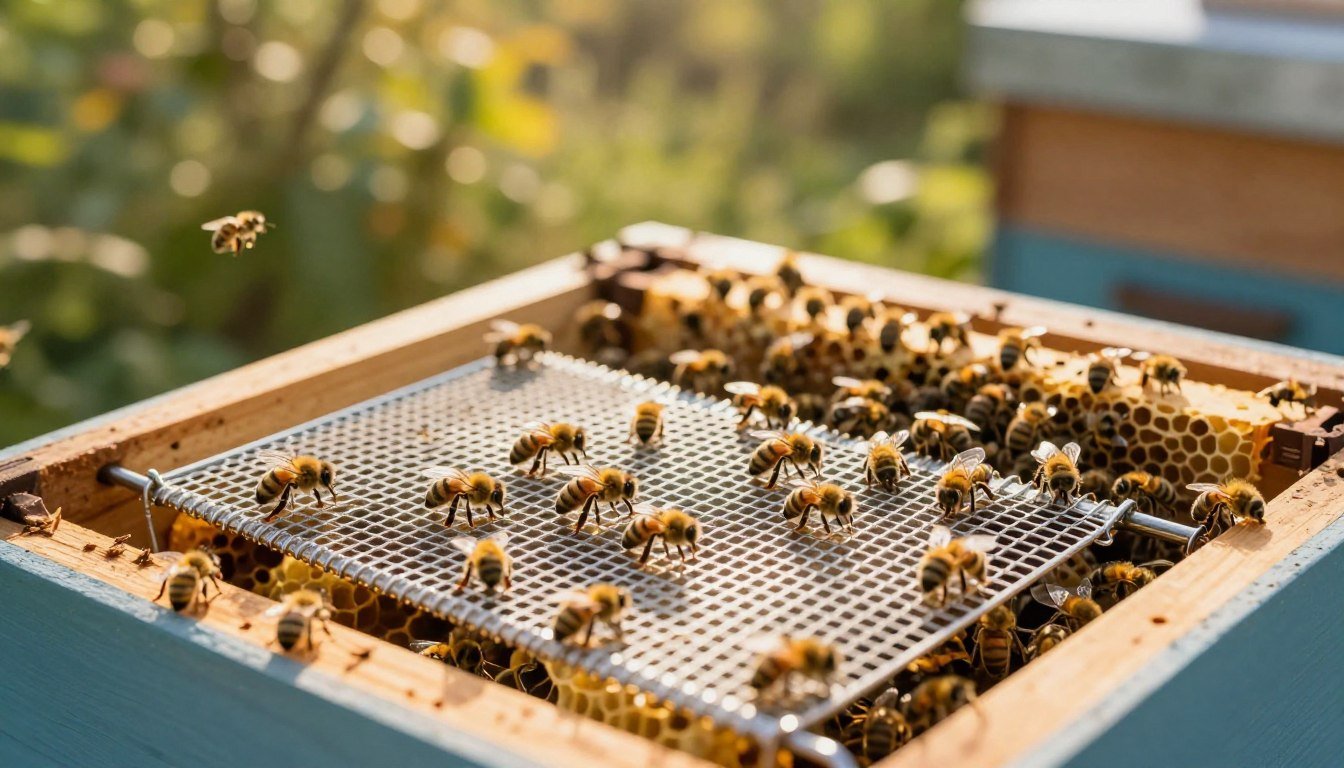
Few pieces of beekeeping equipment have earned a nickname quite as pointed as the queen excluder’s informal alternate name among some beekeepers: the “honey excluder,” a jab reflecting a genuine, long-running debate that dates back nearly as far as the device itself. Unlike the far more clearly documented, specifically credited invention of the bellows smoker already covered elsewhere on this site, the queen excluder’s history is more accurately described as a handful of named, credited contributors refining the idea in stages over roughly fifty years, rather than one single clean-inventor story. This guide covers the real early history of the queen excluder, how it evolved from a wooden hive partition to the zinc standard still recognizable today, and the genuine, still-ongoing research debate over whether it helps or hurts honey production.
Table of Contents
- Key Takeaways
- The Problem the Queen Excluder Was Built to Solve
- A Multi-Stage Origin: Prokopovych to Collin
- From Wood and Wire to Zinc, Then Plastic
- The “Honey Excluder” Nickname: A Real, Long-Running Debate
- What the Research Actually Shows
- Where the Debate Stands Today
- Quick Timeline
- Why Comb Honey Production Drove Early Adoption
- Other Solutions Beekeepers Tried Before Widespread Excluder Adoption
- How the Debate Shaped Beekeeping Terminology Itself
- Common Mistakes
- Frequently Asked Questions
Key Takeaways
- Petro Prokopovych — the Ukrainian beekeeper best known for inventing the first movable-frame hive around 1814 — is also credited with an early wooden partition “passable only by worker bees,” now recognized as the queen excluder’s earliest documented ancestor.
- French beekeeper Abbé Collin perfected and popularized the perforated zinc design in 1865; that version, not Prokopovych’s wooden original, became the widely manufactured standard that established the modern excluder.
- The honey-yield debate isn’t just folklore — real peer-reviewed research is genuinely split: a 2013 Journal of Apicultural Research study on African honey bees found excluders significantly increased seasonal honey yield, while a 2024 study of 64 colonies found no measurable effect either way.
- Drones, not just queens, get physically blocked by standard excluder spacing — an incidental side effect of the same slot width designed to stop the queen.
- The debate has outlived the material: switching from zinc to plastic in the 20th century changed manufacturing precision but didn’t change the underlying physical tradeoff beekeepers still argue about today.
The Problem the Queen Excluder Was Built to Solve
Before any dedicated device existed, beekeepers harvesting honey faced a genuinely persistent practical problem: without any way to physically confine the queen to the lower brood chamber, she could freely move up into honey supers and lay eggs there, resulting in brood-contaminated comb mixed in with what was meant to be clean, saleable honeycomb. This was a real, recurring frustration for anyone trying to produce clean comb honey specifically, and it’s the practical problem that eventually motivated the queen excluder’s invention.
A Multi-Stage Origin: Prokopovych to Collin
The queen excluder’s origin is best understood as a sequence of named, credited contributions rather than either a single clean inventor or a fully anonymous mystery. The earliest documented version traces to Petro Prokopovych, the Ukrainian beekeeper who developed the world’s first movable-frame hive around 1814 and is remembered as the founder of commercial beekeeping in Eastern Europe; his hive design incorporated a wooden partition with openings sized to pass worker bees while blocking the queen — the conceptual ancestor of every excluder that followed. His version was integrated directly into his own hive design rather than sold as a standalone product, and it wasn’t the version that went on to define the device as beekeepers know it today.
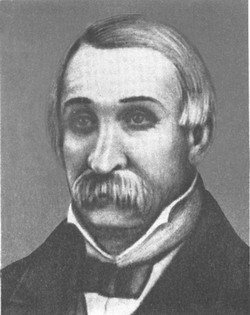
That standardizing step is credited to Abbé Collin, a French beekeeper who perfected and popularized a perforated zinc excluder design in 1865. Collin’s version is the one that achieved wide commercial manufacture and adoption, effectively becoming the template for the “queen excluder” as a distinct, purchasable piece of equipment rather than a feature built into one beekeeper’s own hive. Some historical accounts also credit German beekeeper Friedrich August Hannemann with contributions during the same general era, underscoring that this was genuinely incremental, multi-contributor refinement rather than one isolated breakthrough moment — a real contrast with the more singularly documented, unpatented 1873 bellows smoker credited to Moses Quinby.
From Wood and Wire to Zinc, Then Plastic
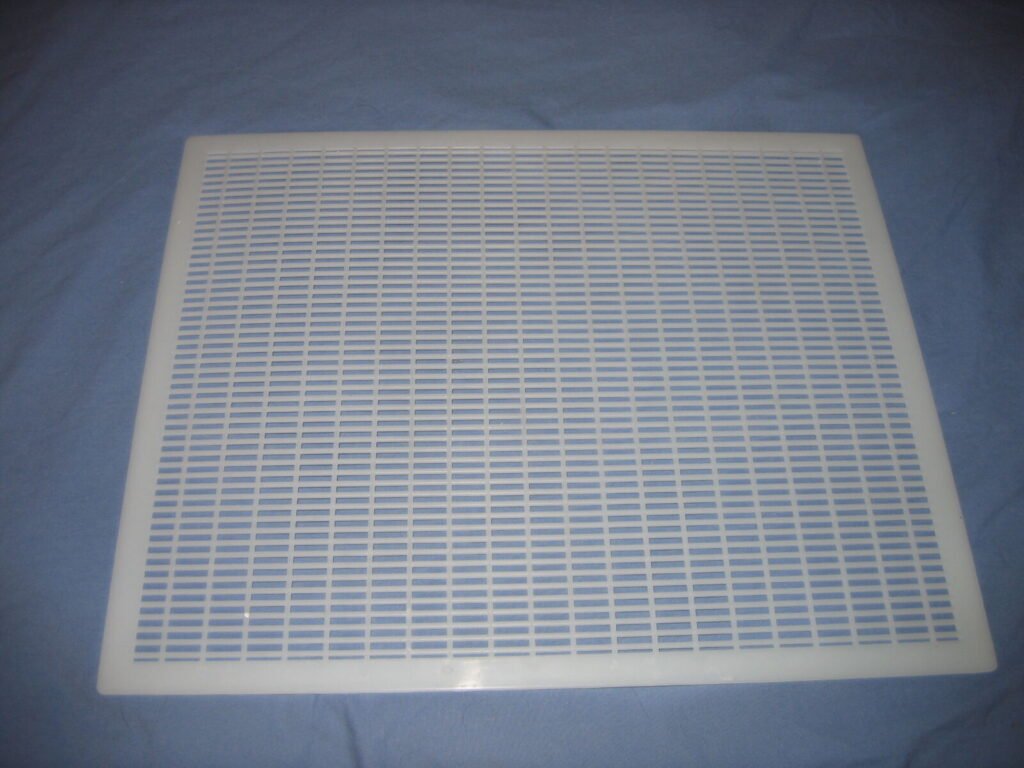
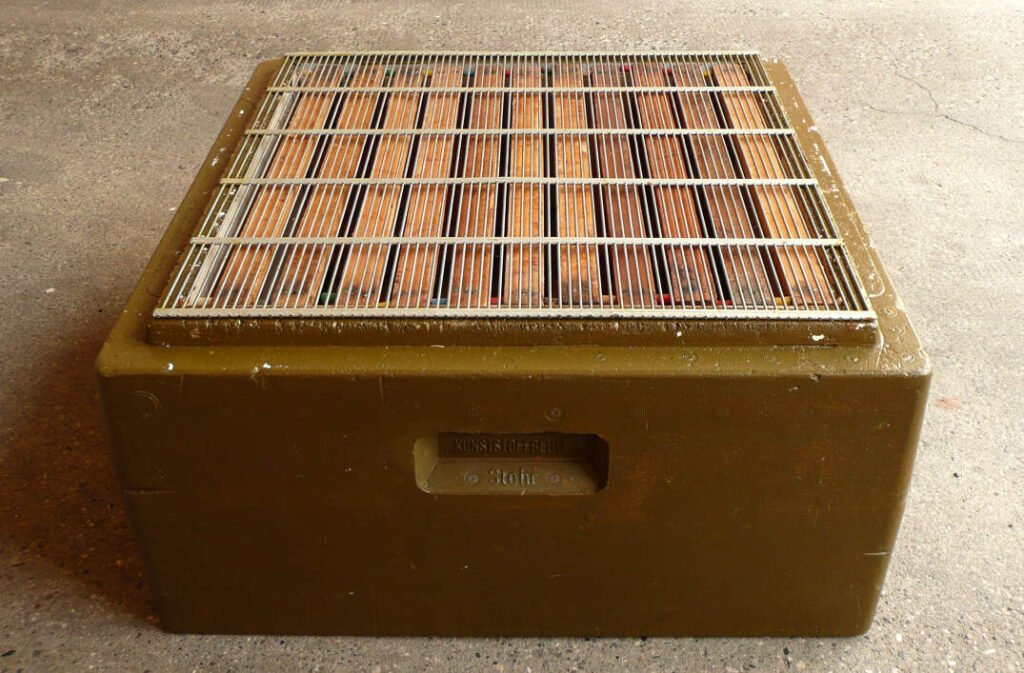
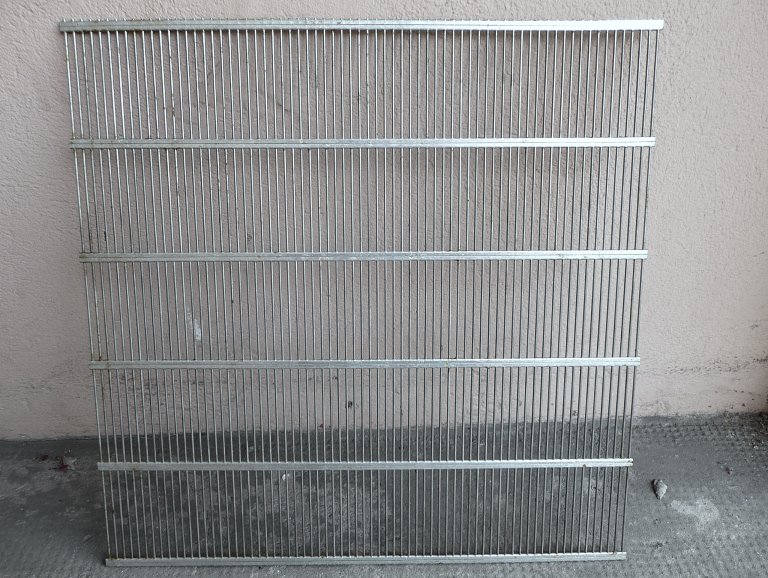
Early queen excluder designs used wood slats or wire mesh spaced to the correct gap width, materials that were functional but genuinely inconsistent in exact spacing accuracy and prone to warping or bending out of tolerance over repeated use. Collin’s manufactured zinc excluders, offering considerably more precise, consistent slot spacing (modern standard spacing is approximately 4.1mm, wide enough for a worker but not a queen or drone), became the widely adopted commercial standard through the following decades, and plastic excluders emerged later in the 20th century as an additional lower-cost, lighter-weight alternative, a distinction covered in more practical comparative depth in this site’s guide to metal versus plastic queen excluders.
The “Honey Excluder” Nickname: A Real, Long-Running Debate
The queen excluder’s informal “honey excluder” nickname reflects a genuine, long-standing point of contention within beekeeping: some beekeepers have long argued that the excluder’s narrow slots meaningfully restrict worker bee movement between the brood chamber and honey supers, slowing honey storage and reducing overall yield compared to leaving supers unrestricted. This isn’t a fringe or recent complaint; the debate has genuinely persisted across generations of beekeepers, appearing consistently in beekeeping literature and discussion for well over a century, making it one of the most durable ongoing controversies in practical hive management equipment.
What the Research Actually Shows
Unlike the invention history, which mostly rests on historical record rather than data, the honey-yield question has actually been studied — and the results genuinely conflict. A 2013 study published in the Journal of Apicultural Research (Adgaba et al.) tracked twelve African honey bee colonies over two years and four flowering seasons, fitting half with excluders roughly three weeks before an expected harvest. The excluder colonies showed significantly reduced brood populations at peak flow and significantly higher seasonal honey yields than the unrestricted control colonies — evidence that, at least under conditions where bees rear brood continuously even during a nectar flow, limiting brood-rearing in the supers can measurably help honey production. More recent research points the other way: a 2024 study tracking 64 hives under different conditions found no statistically significant difference in honey yield or brood production between excluder and non-excluder colonies. Taken together, the honest conclusion is that colony behavior, regional conditions, and flow intensity appear to genuinely determine whether an excluder helps, hurts, or does nothing measurable — not a single universal answer.
Why is the queen excluder’s origin credited to more contributors than the bellows smoker’s?
It likely reflects the device’s relative structural simplicity, which made it easier for multiple beekeepers across different countries to independently arrive at similar slotted-divider solutions within a few decades of each other, compared to the more singularly attributed, unpatented smoker story.
Where the Debate Stands Today
Modern beekeepers remain genuinely divided on routine queen excluder use, with some using it consistently as standard practice and others deliberately avoiding it based on their own colony experience, and this site’s existing practical guides to when to use a queen excluder during honey flow and metal versus plastic queen excluder options address the practical decision-making side of this ongoing debate in more operational depth. What’s genuinely notable from a historical perspective is simply how long this specific disagreement has persisted essentially unchanged since Collin’s zinc-manufacturing era, now with real (if conflicting) research behind both sides rather than just anecdote.
Quick Timeline
| Period | Development |
|---|---|
| c. 1814 | Petro Prokopovych integrates an early wooden queen-confining partition into his movable-frame hive design |
| 1865 | Abbé Collin perfects and popularizes the perforated zinc excluder that becomes the commercial standard |
| Late 1800s-early 1900s | Manufactured zinc excluders become widespread |
| 20th century | Plastic excluders introduced as a lighter, lower-cost alternative |
| 2013 vs. 2024 | Peer-reviewed studies reach conflicting conclusions on honey-yield impact |
Why Comb Honey Production Drove Early Adoption
The queen excluder’s earliest and strongest adoption was closely tied to comb honey production specifically, a format where the honeycomb itself is sold intact rather than extracted, meaning any brood contamination in the comb was immediately visible and commercially unacceptable to buyers in a way that extracted honey’s brood contamination wouldn’t be. This made the excluder a genuinely higher-priority tool for comb honey producers specifically during the device’s early decades, even as its broader use for general hive management, including with extracted honey production, expanded over time alongside it.
Other Solutions Beekeepers Tried Before Widespread Excluder Adoption
Before the queen excluder became a widely adopted standard tool, some beekeepers experimented with alternative approaches to the same brood-in-supers problem, including careful hive management timing intended to naturally discourage the queen from moving upward, or simply accepting some brood contamination as an unavoidable cost of extracted honey production where visible comb condition mattered less than in comb honey sales. None of these alternative approaches proved as reliably effective as physical confinement, which is ultimately why the excluder became the dominant standard solution despite the restriction debate that came along with it.
How the Debate Shaped Beekeeping Terminology Itself
The persistence of the “honey excluder” nickname across more than a century of beekeeping discussion is itself a genuinely interesting historical marker, since informal terminology that sticks around that long generally reflects a real, recurring shared experience among practitioners rather than a passing complaint that would have simply faded from common usage. The nickname’s continued presence in modern beekeeping conversation and literature, well over a hundred years after Collin’s zinc-manufacturing era began, suggests the underlying concern has remained genuinely alive for successive generations of beekeepers encountering the same basic tradeoff — one that, as the 2013 and 2024 studies above show, still doesn’t have a single settled answer.
Common Mistakes
The most common mistake is assuming the queen excluder has one clean, single-inventor origin story the way the bellows smoker does, when the historical record actually credits a sequence of named contributors — Prokopovych’s early wooden version, then Collin’s 1865 zinc standard — rather than one person or a total mystery. Another mistake is treating the “honey excluder” nickname as a modern internet-era complaint, when it reflects a genuinely long-running debate dating back over a century within beekeeping literature and practice. People also sometimes assume the debate has been definitively settled one way or the other by research, when the actual published studies genuinely conflict, with results appearing to depend on colony behavior and regional conditions rather than pointing to one universal answer.
Frequently Asked Questions
Is there a single person credited as “the inventor” of the queen excluder the way Quinby is credited with the bellows smoker?
Not a single clean credit, no — historical sources point to Petro Prokopovych’s early-1800s wooden hive partition as the conceptual origin, with French beekeeper Abbé Collin credited with perfecting and popularizing the zinc design in 1865 that actually became the widely manufactured standard.
Do drones get physically blocked by a queen excluder the same way queens are?
Yes, drones are also generally too large to pass through standard excluder spacing, meaning an excluder effectively confines both the queen and drones to the brood chamber, an incidental but genuinely real side effect of the same slot-width design intended primarily to block the queen specifically.
Has modern research settled the debate over whether excluders meaningfully reduce honey yield?
No — a 2013 study on African honey bee colonies found excluders significantly increased seasonal honey yield under continuous brood-rearing conditions, while a 2024 study of 64 hives found no significant effect either way, so the honest answer is that results genuinely depend on colony behavior, regional conditions, and flow intensity rather than one universal conclusion.
Did the shift from zinc to plastic excluders have any effect on the underlying restriction debate?
Not fundamentally; while material and manufacturing precision improved with plastic excluders, the core physical principle, and therefore the core debate over whether any slotted barrier meaningfully restricts worker movement, remained essentially the same regardless of which material a given excluder was made from.
Are queen excluders used in beekeeping traditions outside the United States, or is the debate mainly an American one?
The device and the accompanying restriction debate are genuinely international by origin — Prokopovych was Ukrainian and Collin was French — with beekeepers across Europe and other regions independently developing and adopting similar slotted-divider designs and holding comparably divided opinions on its honey-yield effect.
Do all modern commercial beekeeping operations use queen excluders as standard practice?
No, practice genuinely varies; some commercial operations use excluders routinely while others deliberately avoid them, a decision this site’s practical guide to queen excluder timing and use covers in more operational detail than the historical scope of this guide.
Further Reading
- The History of the Smoker: From Ancient Bee Hunters to Modern Bellows
- Queen Excluder: Before or After First Honey Flow?
- Metal Queen Excluder vs. Plastic Queen Excluder
Image credits: Photo: Robert Engelhardt, via Wikimedia Commons. Licensed CC BY-SA 3.0 / GFDL; Photo: AxelHH, via Wikimedia Commons. Licensed CC BY 3.0 / GFDL.