No, the peer-reviewed chemical studies of actual Stradivari violins have not confirmed propolis as an ingredient in Antonio Stradivari’s famous varnish — despite a popular claim, repeated across violin-enthusiast forums and craft tutorials for decades, that beeswax and propolis were part of his “secret” formula. What real laboratory analysis has found is both less romantic and more interesting: ordinary materials, applied with extraordinary skill, and no evidence of the exotic ingredients the myth depends on.
Key Takeaways
- A widely repeated claim among violin makers and hobbyists holds that Stradivari’s varnish contained a secret blend including beeswax and propolis, often traced to interpretations of restorer Simone Fernando Sacconi’s influential 1972 book The Secrets of Stradivari.
- A major EU-funded chemical analysis of five genuine Stradivari violins, published in 2009, found the varnish was built from ordinary, widely available 18th-century materials: a drying-oil sealant beneath an upper layer of oil, pine resin, and pigment.
- More recent research, including a 2021 nanoscale imaging study, has identified an additional protein-based layer between the wood and the varnish — adding real complexity to the picture, but still without confirming propolis as an ingredient.
- No peer-reviewed chemical analysis of an authentic Stradivari instrument has identified propolis in the varnish; the claim persists mainly through repetition in enthusiast and craft communities rather than laboratory confirmation.
- Some modern violin makers still deliberately formulate propolis-based varnishes, believing they’re following historical practice — a choice that may produce a good-sounding, good-looking instrument regardless of whether it accurately replicates what Stradivari himself actually used.
Table of Contents
- The Claim: A Secret Beeswax-and-Propolis Formula
- What the Actual Chemistry Says
- Why the Propolis Myth Persists Anyway
- Modern Makers Still Use It — On Purpose
- Frequently Asked Questions
The Claim: A Secret Beeswax-and-Propolis Formula
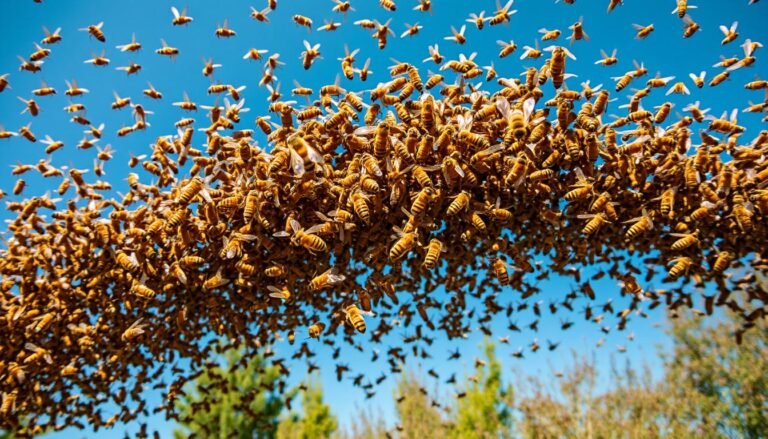
The idea that Antonio Stradivari guarded a secret varnish recipe — one responsible, at least in part, for his instruments’ famous sound and appearance — has circulated for centuries, and propolis, the resinous, antimicrobial substance bees collect from tree buds and sap to seal and protect their hives, is one of the specific ingredients that shows up again and again in that mythology. Some accounts state plainly that “the great violin Master, Antonio Stradivari knew these secret blends of resins, beeswax and propolis,” and a number of modern luthiers have built propolis-based varnish recipes explicitly marketed as reconstructions of what they believe Stradivari, or the Cremonese violin-making tradition more broadly, actually used.
Much of that belief traces back to Simone Fernando Sacconi, a respected 20th-century violin restorer whose 1972 book The Secrets of Stradivari remains hugely influential among luthiers. Modern propolis-varnish recipes are frequently described as following “Sacconi recipes” — though that lineage is itself a matter of interpretation and craft tradition passed between violin makers rather than a chemically confirmed historical formula.
What the Actual Chemistry Says
“Stradivarius violins owe their great beauty to substances that were readily available and widely used by artists of the early 18th century” — findings from an EU-funded chemical analysis of five authentic Stradivari violins, published in Angewandte Chemie International Edition (2009).
The most direct answer to the propolis question comes from real laboratory work on real instruments, not craft tradition. A five-year study examining five genuine Stradivari violins held at the Museum of Music in Paris identified two distinct varnish layers: a simple drying oil that penetrates a fraction of a millimeter into the wood, functioning as a sealant, and an upper layer composed of oil, pine resin (colophony), and pigments. The researchers were explicit that the findings put to rest long-standing theories about rare or secret ingredients — Stradivari, in their conclusion, used materials that were common and easily available in his era, not a proprietary formula.
Subsequent research has added detail without overturning that basic picture. A 2021 nanoscale imaging study found evidence of an additional protein-based layer sitting between the bare wood and the varnish itself, and more recent chemical-modification research has continued refining the picture of exactly how Stradivari’s materials were processed and applied. None of this body of published, peer-reviewed analysis has identified propolis as a component of the varnish on an authenticated Stradivari instrument.
Why the Propolis Myth Persists Anyway
Part of the myth’s staying power is simply that it’s plausible on its face. Propolis genuinely is a real, historically documented material with antimicrobial and resinous properties useful in finishing work, beekeeping and woodworking have overlapped in folk craft traditions for centuries, and “the secret ingredient came from bees” makes a better story than “he used the same oil and pine resin every other Cremonese workshop had access to.” None of that makes the specific claim true, but it explains why it keeps circulating even as the underlying chemistry research has consistently pointed toward ordinary materials.
It also doesn’t help that the real, published research is genuinely more complicated and less catchy than a bee-based origin story — a 2009 chemistry paper about drying oils and pine resin simply travels less easily through hobbyist forums than a claim involving bees, secrecy, and a legendary craftsman.
Modern Makers Still Use It — On Purpose
None of this means propolis varnish is a dead end in violin-making — it means the historical attribution to Stradivari specifically isn’t supported by the chemistry. A number of contemporary luthiers deliberately formulate and apply propolis-based varnishes today, whether motivated by a genuine belief in the historical claim, a preference for propolis’s real physical properties as a resin, or simply craft tradition passed down through workshops that have used it for generations. An instrument finished this way can still sound and look excellent — that outcome just isn’t evidence that it replicates what Stradivari’s own varnish actually contained.
Frequently Asked Questions
Did Stradivari definitely not use propolis in his varnish?
No published, peer-reviewed chemical analysis of an authenticated Stradivari violin has identified propolis in the varnish; the materials confirmed so far are drying oils, pine resin, and pigments, plus a separately identified protein layer beneath the varnish.
Where did the propolis claim actually come from?
It circulates largely through violin-making craft tradition and enthusiast communities, often linked to interpretations of restorer Simone Fernando Sacconi’s 1972 book on Stradivari’s techniques, rather than from a specific laboratory finding.
What does real chemical analysis say made Stradivari’s violins special?
Published research points to skilled application of common, widely available 18th-century materials — oil-based sealants, pine resin, and pigments — rather than any single rare or secret ingredient, alongside the craftsmanship of the instrument’s construction itself.
Do any modern violin makers still use propolis-based varnish?
Yes, a number of luthiers today formulate propolis-based varnishes deliberately, whether for the material’s own properties or out of a belief in the historical claim, independent of what the chemistry of original Stradivari instruments has actually shown.