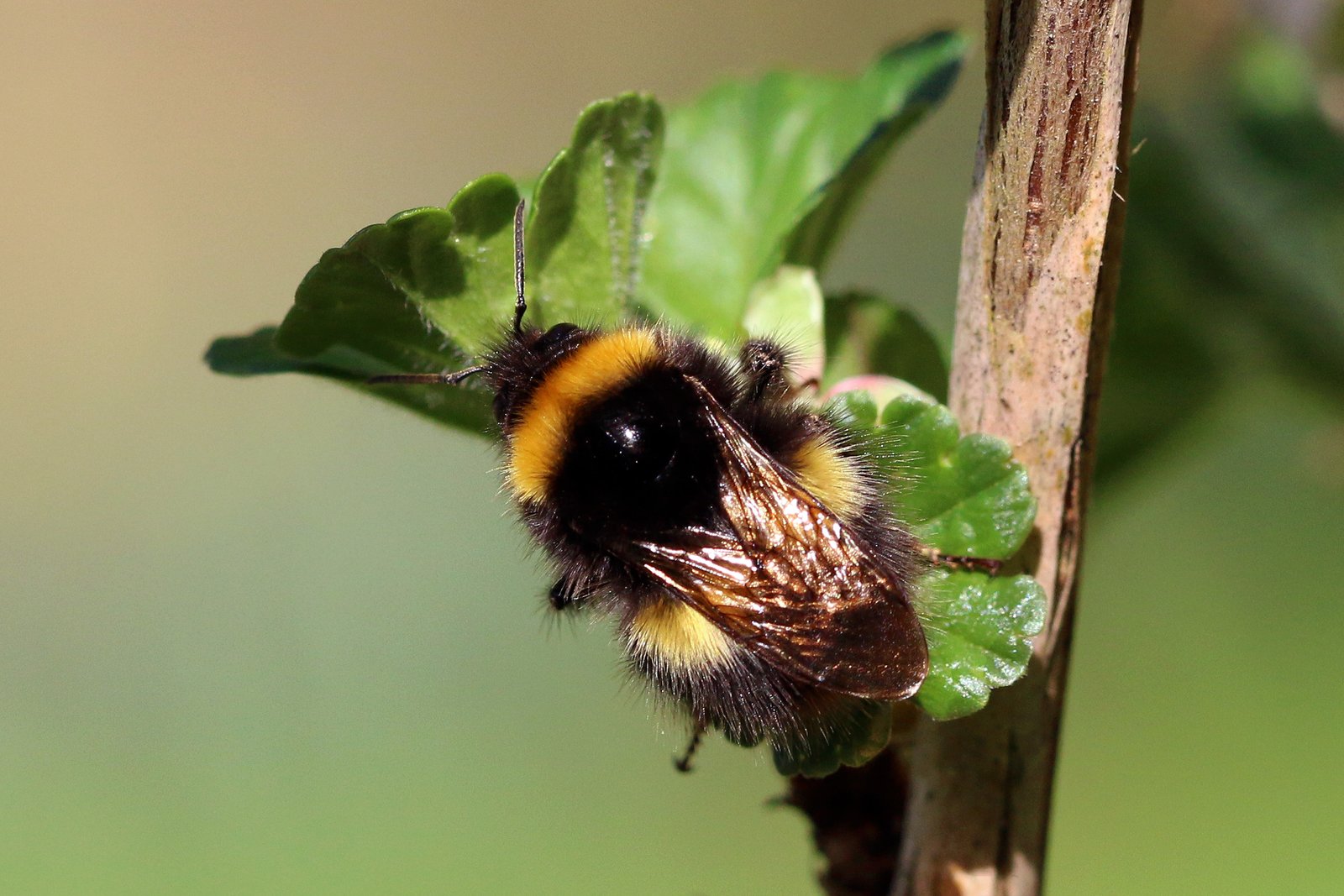
The same bumblebee species greenhouse growers around the world rely on to pollinate tomatoes, peppers, and berries has also become one of the more damaging invasive insects in the Southern Hemisphere — spreading disease and outcompeting native bumblebees so effectively that it has helped push South America’s giant bumblebee onto the IUCN’s endangered species list. Bombus terrestris, the buff-tailed bumblebee, is a genuine commercial success story and a documented conservation problem at the same time, and both facts trace back to the exact same trait: it’s extraordinarily good at establishing itself wherever it’s shipped.
Key Takeaways
- Bombus terrestris is bred commercially on a massive scale and shipped worldwide as a greenhouse and open-field pollinator, particularly for tomato crops that benefit from its buzz-pollination technique.
- Chile authorized its import for greenhouse tomato pollination in 1997, then extended approval to open-air use shortly after — a decision that let commercial colonies establish permanent wild populations rather than staying confined to greenhouses.
- Since then, B. terrestris has spread through Chile and into Argentine Patagonia, competing directly with and transmitting disease to the native Patagonian giant bumblebee, Bombus dahlbomii.
- Bombus dahlbomii — nicknamed the moscardón, with queens reaching 4 centimeters long, among the largest bumblebees on Earth — is now IUCN-listed as Endangered and has disappeared entirely from large parts of its former range.
- The same commercial species has independently established invasive populations in Japan, Mexico, and other countries through the same basic pathway: legal import for crop pollination, followed by escape and naturalization in the wild.
Table of Contents
- Why Growers Wanted This Bee in the First Place
- Chile’s 1997 Decision and What Followed
- The Giant Bumblebee Paying the Price
- Not Just a South American Problem
- Frequently Asked Questions
Why Growers Wanted This Bee in the First Place
Bumblebees, Bombus terrestris included, are capable of buzz pollination — vibrating their flight muscles at a frequency that shakes pollen loose from flowers, like tomato blossoms, that honeybees can’t pollinate nearly as efficiently. That made commercially reared B. terrestris colonies genuinely valuable to greenhouse tomato growers starting in the late 20th century, and companies specializing in mass-rearing bumblebee colonies for exactly this purpose built a real global industry supplying growers who needed reliable, efficient pollination without relying on hand-pollination labor or honeybees poorly suited to the job.
Chile’s 1997 Decision and What Followed
Chile’s Agriculture and Livestock Bureau approved the import of commercial B. terrestris colonies in 1997, initially intended strictly for enclosed greenhouse tomato pollination. Within a short time, the same authorization was extended to open-air agricultural use, and Chile has continued to permit ongoing importation of alien bumblebee colonies since — more than a million colonies brought in under that policy since 1997, according to research tracking the country’s bumblebee import trade.
That shift from enclosed greenhouse use to open-field release is the pivot point that turned a useful agricultural tool into an ecological problem. A colony working inside a sealed greenhouse has essentially no path to the wild; a colony working an open field does, and B. terrestris proved highly capable of establishing free-living, self-sustaining wild populations once that door was opened.
The Giant Bumblebee Paying the Price
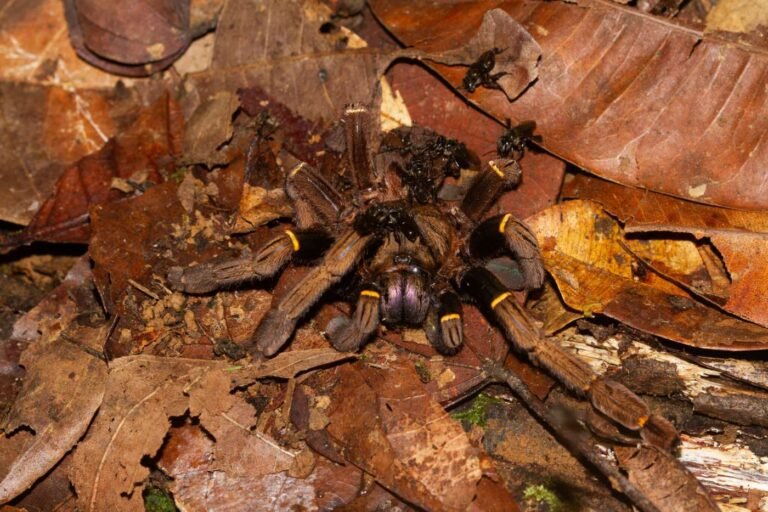
The consequences have landed hardest on Bombus dahlbomii, the Patagonian giant bumblebee — known locally as the moscardón, and genuinely enormous for a bumblebee, with queens reaching around 40 millimeters in length, among the largest of any bumblebee species worldwide. As B. terrestris (and, to a lesser extent, the related Bombus ruderatus) spread through Chile and into Argentine Patagonia, the invasive bees proved to be potent competitors for the same floral resources, while also carrying pathogens the native species had no evolved resistance to.
The results are now well documented rather than merely feared. Bombus dahlbomii has disappeared from large parts of its former range across Chile and Argentina, and the species is currently listed as Endangered on the IUCN Red List — a level of decline serious enough that a species once considered a common, conspicuous presence across Patagonian temperate forests is now genuinely difficult to find across much of the territory it used to occupy.
Not Just a South American Problem
Patagonia is the most severe and best-studied case, but it isn’t an isolated one. Bombus terrestris has independently established invasive wild populations in Japan, Mexico, and several other countries following essentially the same pattern: legal importation for commercial crop pollination, followed by escapes from managed colonies that go on to found self-sustaining feral populations. In each case, the same underlying trade-off applies — a genuinely effective commercial pollinator, deployed without the kind of containment that would prevent it from becoming a wild, spreading population once it’s outside a controlled greenhouse environment.
The pattern has prompted researchers to call specifically for coordinated, cross-border importation policy for commercial bumblebees, rather than the country-by-country approach that let Chile’s decision proceed without accounting for the risk to bumblebee populations across the wider Patagonian region it shares with Argentina.
Frequently Asked Questions
Is Bombus terrestris dangerous to humans?
No more than any other bumblebee — it isn’t aggressive and only stings defensively. The problem it causes is ecological, through competition with and disease transmission to native bumblebee species, not any direct risk to people.
Why not just stop using commercial bumblebees for pollination?
They remain genuinely effective and economically important for crops like greenhouse tomatoes; the more targeted response researchers have called for is stricter import and containment policy — preventing escape into open habitats — rather than abandoning commercial bumblebee pollination altogether.
Is Bombus dahlbomii extinct?
No, but it is IUCN-listed as Endangered and has vanished from significant portions of its historical range in Chile and Argentina, with sightings now considerably rarer than they once were.
Are commercial bumblebees used in the United States too?
Yes, primarily in enclosed commercial greenhouses; U.S. regulations restrict the species and subspecies permitted for open-field release specifically to reduce the risk of the same kind of invasive establishment documented in South America.