Last Updated September 14, 2026
Almost every single bee covered on this site forages for essentially the same two basic things — nectar and pollen. Oil-collecting bees break that pattern entirely: certain native bees, most notably in the genus Macropis, gather floral oil from specialized flowers as a genuinely distinct third resource, using it for purposes nectar and pollen can’t serve. This genuinely extreme, well-documented dietary specialization sits alongside the squash bee and the long-horned bee as some of the more striking examples of native bee dietary and morphological specialization covered on this site.
Key Takeaways
- Oil-collecting bees, most notably the genus Macropis, gather floral oil as a genuinely distinct third resource beyond nectar and pollen — a behavior most bees, including honeybees, never engage in at all.
- Macropis bees depend almost exclusively on Lysimachia (yellow loosestrife) flowers, whose specialized oil-producing glands (elaiophores) are the primary documented source of this oil in North America.
- The oil serves two jobs: mixed with pollen it becomes larval food, and on its own it waterproofs the underground brood cells where offspring develop.
- Epeoloides pilosulus, the “Macropis Cuckoo Bee,” is a rare cleptoparasite of Macropis nests — formally assessed as Endangered in Canada and once thought possibly extinct for decades.
- Because both the bee and its parasite depend on one plant genus, protecting wetland-edge Lysimachia stands matters more here than generic “pollinator-friendly” gardening.
Table of Contents
- What Are Oil-Collecting Bees?
- Macropis: North America’s Primary Oil-Collecting Genus
- An Extreme Case of Plant Specialization
- How the Oil Is Actually Collected
- What the Collected Oil Is Actually Used For
- Elaiophores: Flowers Built to Produce Oil
- Cuckoo Bees That Target Macropis Nests
- Tropical Relatives: Centris and Other Oil Bees
- Nesting Behavior
- Why This Specialization Matters for Conservation
- Sting Risk to People and Pets
- Common Identification Mistakes
- Frequently Asked Questions
What Are Oil-Collecting Bees?
Oil-collecting bees are bees that gather floral oils from certain specialized flowers in addition to, or instead of, relying solely on nectar and pollen. This is a genuinely unusual foraging behavior in the bee world; the great majority of bee species, including honeybees and most native bees covered elsewhere on this site, never collect floral oil at all, since most flowers don’t produce it in any meaningful quantity.
Macropis: North America’s Primary Oil-Collecting Genus
In North America, the primary native oil-collecting bee genus is Macropis, a small group of species in the family Melittidae. These bees are found across much of the continent, though because of their specialized biology and comparatively small populations, they are far less commonly noticed than more generalist native bees like mining bees or sweat bees.
An Extreme Case of Plant Specialization
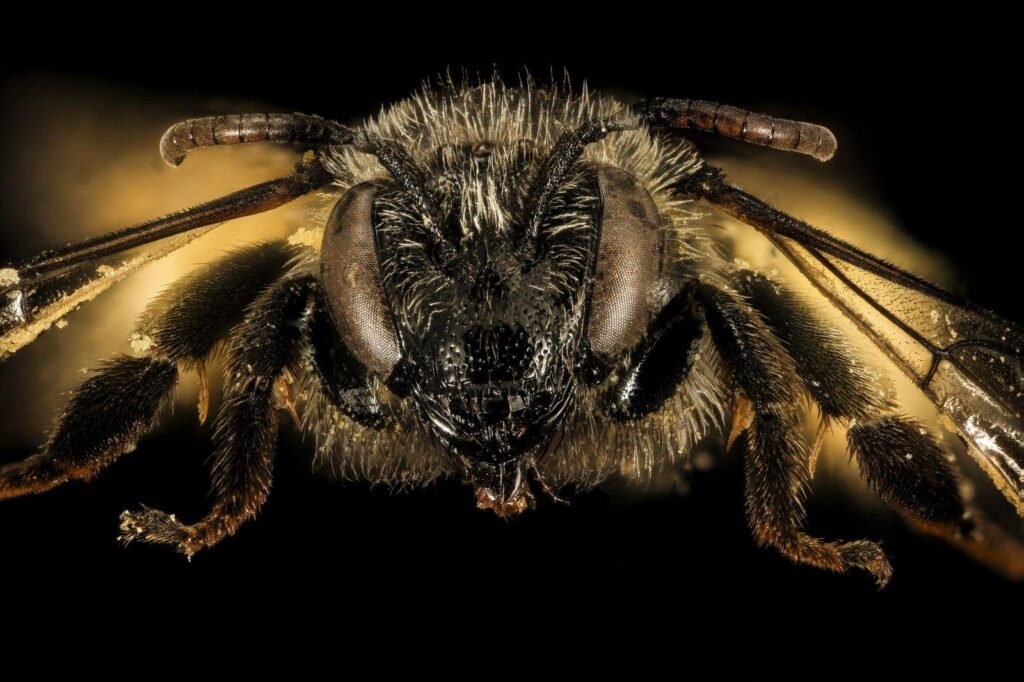
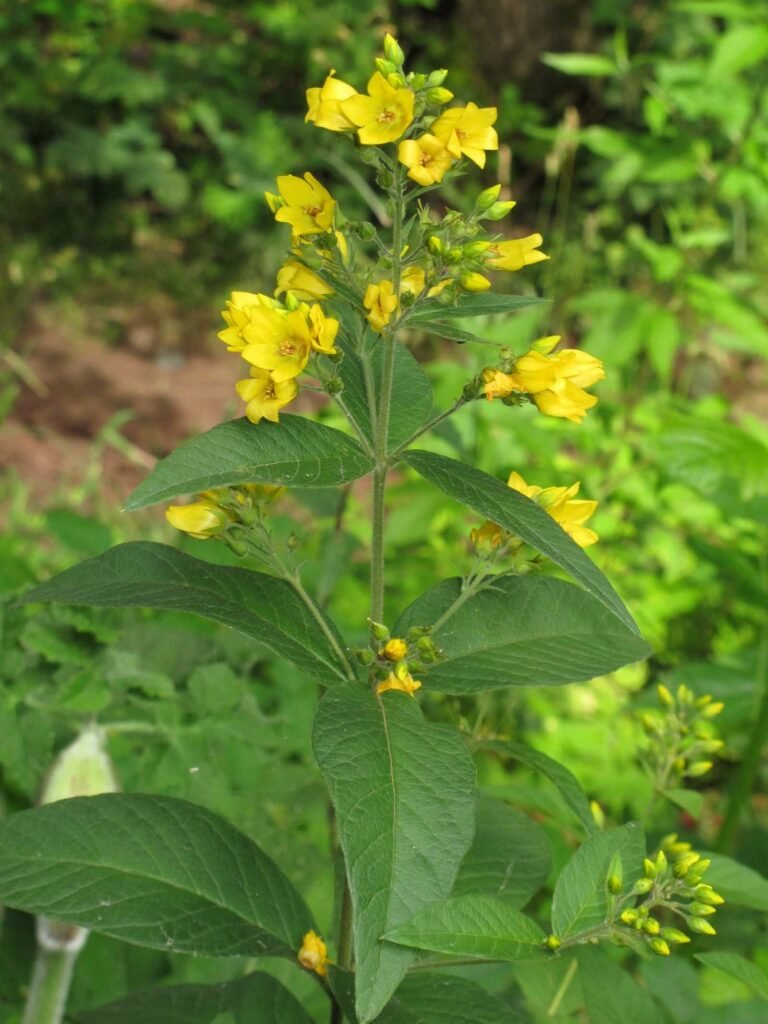
Macropis bees show an extreme degree of host-plant specialization, foraging almost exclusively on flowers in the genus Lysimachia (commonly called yellow loosestrife), which are the primary plants documented to produce the floral oils this bee genus depends on. This narrow specialization goes even further than the pumpkin-and-squash-only foraging pattern of the squash bee, since Macropis bees depend on their host plant for a resource — oil — that few other flowers provide at all, rather than simply preferring one plant family among many that could theoretically substitute.
How the Oil Is Actually Collected
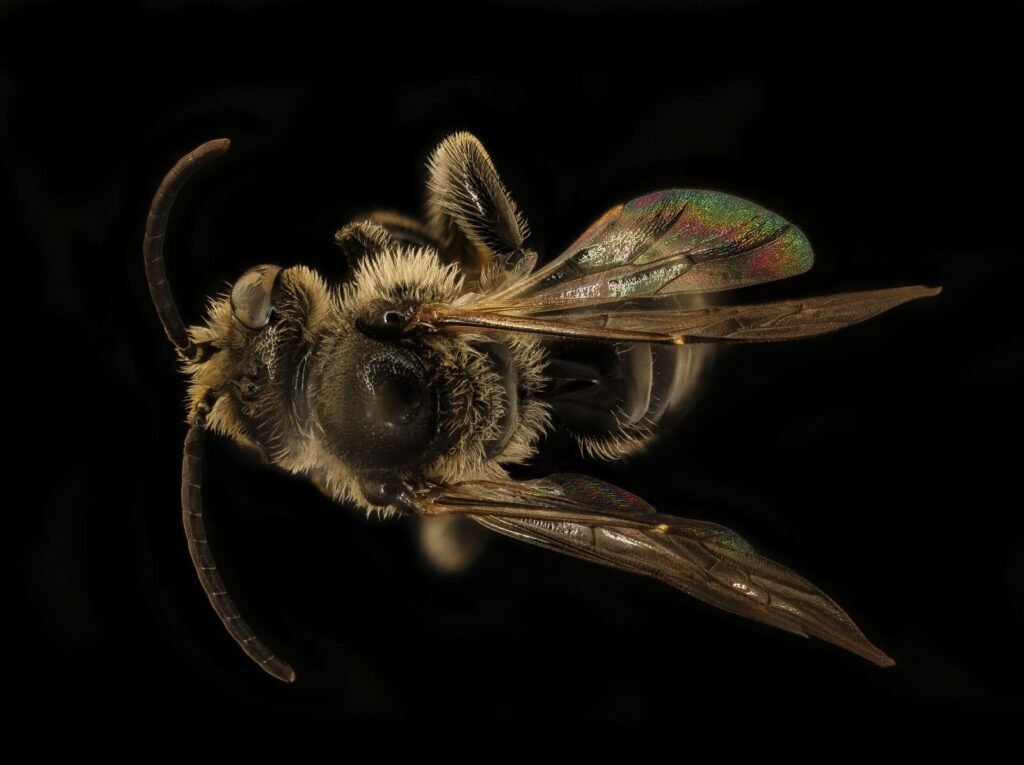
Female Macropis bees have specialized, dense hairs on their front and middle legs adapted specifically for absorbing and transporting floral oil, distinct from the pollen-carrying structures found on the hind legs of most bees. A foraging female uses these specialized hairs to soak up oil secreted by the flower, then transports it back to her nest much the way other bees transport pollen, representing a genuinely separate collection-and-transport system layered on top of typical bee foraging anatomy.
What the Collected Oil Is Actually Used For
The floral oil collected by Macropis bees serves at least two documented purposes: it is mixed with pollen to create a nutrient-rich larval food provision, and it is also used to waterproof the walls of the underground brood cells where offspring develop. This waterproofing use is a genuinely interesting parallel to the plasterer bee covered elsewhere on this site, which achieves a similar waterproofing outcome using a different glandular secretion rather than collected floral oil — two unrelated native bees arriving at a similar nest-protection solution through entirely different biological means.
Elaiophores: Flowers Built to Produce Oil
The flowers that produce collectible floral oil have specialized oil-producing glandular structures called elaiophores, an adaptation found in a relatively small percentage of flowering plant species worldwide. This represents a genuine, coevolved plant-pollinator relationship: the plant produces a specialized reward that most pollinators can’t use or don’t seek out, while the specialized oil-collecting bee depends on that exact reward, creating a tightly linked relationship between a narrow set of plants and a narrow set of bee specialists.
Cuckoo Bees That Target Macropis Nests
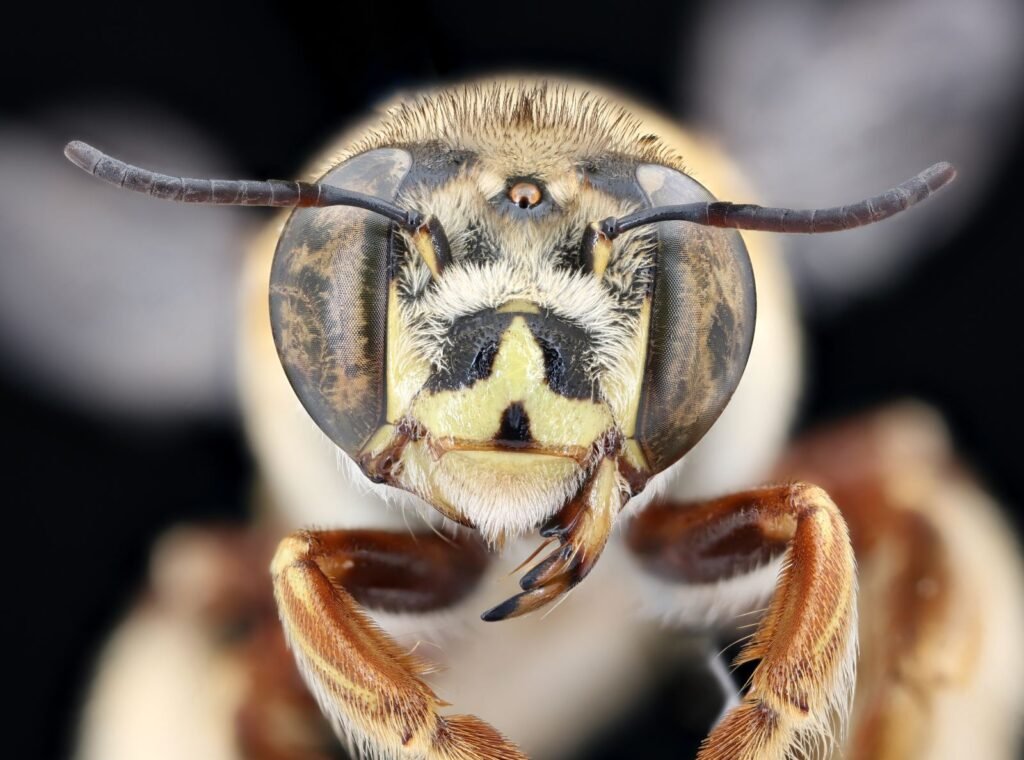
Like several other specialized native bees covered on this site, Macropis bees have their own documented cleptoparasite: certain species in the related genus Epeoloides — true cuckoo bees that never build a nest of their own — are known to invade Macropis nests and lay their own eggs there rather than provisioning a nest of their own, relying entirely on the host bee’s oil-and-pollen provisions to raise their offspring. This parasitic relationship is itself considered rare and closely tied to the health of local Macropis populations, since a cuckoo bee specialized this narrowly can only persist where its specific host is also present in sufficient numbers.

Tropical Relatives: Centris and Other Oil Bees
While Macropis is the primary oil-collecting genus relevant to most of North America, oil collection as a broader bee behavior is considerably more diverse in warmer regions, including the genus Centris, found in the southwestern United States, Mexico, and further south into Central and South America. Centris bees forage on a wider range of oil-producing flowers than Macropis, reflecting the greater diversity of elaiophore-bearing plant species found in tropical and subtropical regions compared to the temperate zones most of this site’s readers garden in.
Foraging Resource Comparison
| Bee type | Resources collected | Example genus | Region |
|---|---|---|---|
| Managed honeybee | Nectar + pollen only | Apis mellifera | Worldwide (managed) |
| Most native solitary bees | Nectar + pollen only | e.g., mining bees | North America, varies by species |
| Temperate oil-collecting bee | Nectar + pollen + floral oil | Macropis | North America (wetland edges) |
| Tropical oil-collecting bee | Nectar + pollen + floral oil (broader host range) | Centris | Southwestern U.S. through Central/South America |
Nesting Behavior
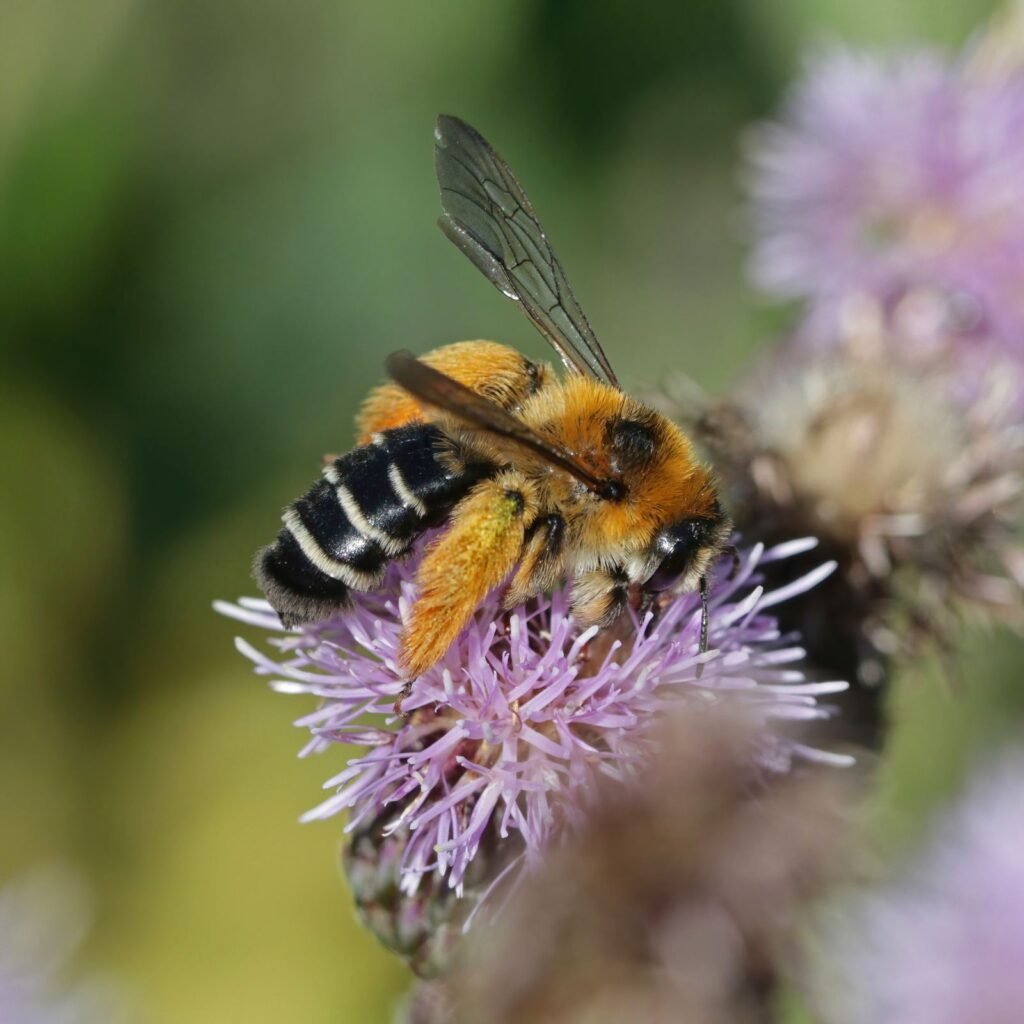
Macropis bees nest in the ground, typically in damp or wetland-adjacent soil near where their Lysimachia host plants grow, digging burrows that lead to individual brood cells. This ground-nesting, solitary lifestyle follows the same general pattern seen across most native bees covered on this site, including mining bees, with the key difference being the oil-waterproofed cell lining described earlier, which is specific to this genus and closely tied to its unusual foraging behavior.
Why This Specialization Matters for Conservation
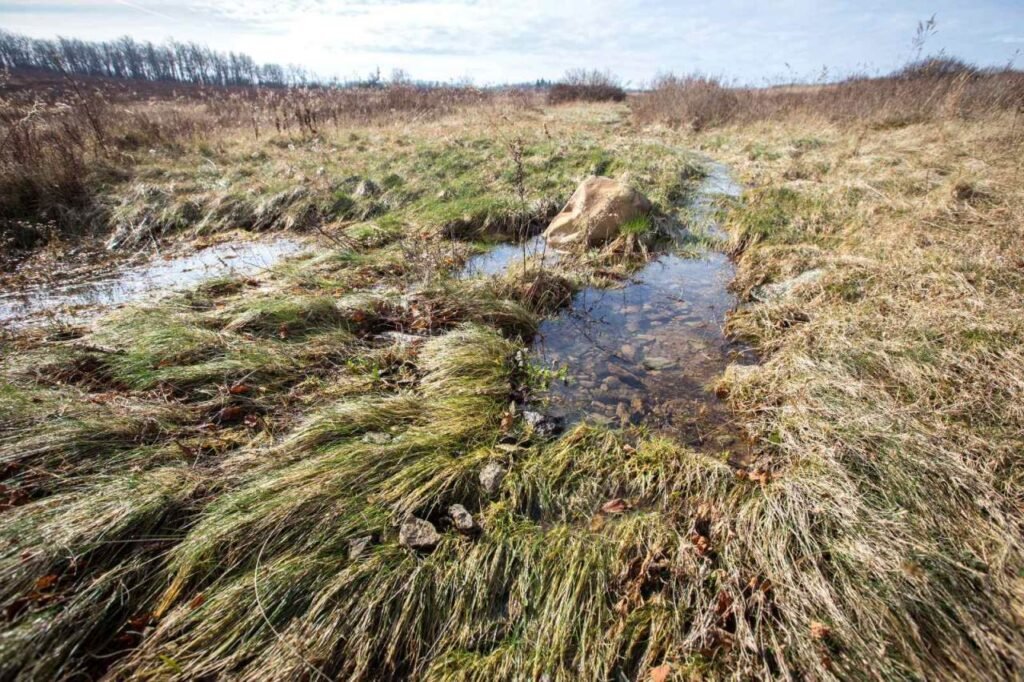
Because Macropis bees depend so heavily on a narrow set of host plants, their populations are directly tied to the health and availability of Lysimachia stands in a given area, making habitat loss or wetland-adjacent land-use change a more direct threat to this species than it would be to a generalist forager with many alternative food sources — see the role of bees in wetland restoration for more on why this habitat type matters. This is a useful, honest illustration of why native bee conservation often depends on protecting specific plant communities rather than simply planting “pollinator-friendly” flowers in general.
Sting Risk to People and Pets
Macropis bees pose essentially no meaningful sting risk to people. Like most solitary native bees covered on this site, they are not aggressive and have no colony to defend, making unprovoked stings extremely rare and generally limited to situations involving direct handling.
Common Identification Mistakes
The most common mistake is assuming any bee visiting yellow flowers is simply foraging for nectar and pollen the way most bees do, without recognizing that a bee specifically and repeatedly visiting Lysimachia flowers may be engaged in the genuinely distinct behavior of oil collection. A second common mistake is assuming all native bee specialization looks the same — the site’s full native bee identification chart sorts every specialist covered here by nesting behavior; oil collection is meaningfully different from simple pollen-source preference, since it involves an entirely separate resource and dedicated collecting anatomy rather than just a narrowed food choice.
Frequently Asked Questions
Are oil-collecting bees dangerous to people?
No. Like most native solitary bees, they are not aggressive and pose essentially no meaningful sting risk under normal circumstances; they have no colony to defend and sting only if directly handled.
How can I attract oil-collecting bees to my garden?
Planting or preserving Lysimachia (yellow loosestrife) species near consistently moist soil is the most direct way to support Macropis bees specifically, since their extreme host-plant specialization means generic “pollinator-friendly” plantings generally won’t support this species the way they would more generalist native bees.
Do honeybees ever collect floral oil?
No. Floral oil collection is a specialized behavior documented in certain native solitary bee lineages, including Macropis and Centris, rather than in honeybees or most other commonly observed bee species; honeybees show little interest in Lysimachia flowers compared to typical nectar-rich blooms.
Is Lysimachia the same plant as purple loosestrife, an invasive species?
No, these are different plants despite the similar common name. Yellow loosestrife (Lysimachia) is unrelated to purple loosestrife (Lythrum salicaria), a separately documented invasive wetland plant, and the two shouldn’t be confused when discussing this bee’s host plant.
When during the year are Macropis bees active?
Their active season generally aligns with the bloom period of their Lysimachia host plants, typically summer months, and like most solitary bees, adults are active for a limited window each year rather than being seen throughout every season.
How rare are Macropis bees compared to more familiar native bees like bumblebees?
They are considerably less commonly encountered than generalist native bees such as bumblebees or mining bees, both because their host-plant specialization limits where they can live and because their populations tend to be smaller and more localized, making them a genuinely notable find for anyone who does spot one.
Is Macropis the only oil-collecting bee genus native to the continental United States?
It is the primary and most widely documented one. The broader family Melittidae, which Macropis belongs to, includes other specialized genera, and the related tropical genus Centris reaches the southwestern U.S., reinforcing that oil collection, while rare, isn’t limited to a single genus.
Is the Macropis Cuckoo Bee (Epeoloides pilosulus) actually endangered?
Yes. Canada’s Committee on the Status of Endangered Wildlife (COSEWIC) formally assessed Epeoloides pilosulus as Endangered in 2011, and it was listed under the federal Species at Risk Act in 2018. It was considered possibly extinct for decades until a specimen was rediscovered in Nova Scotia in 2002 — a striking illustration of how tightly a cleptoparasite’s fate is tied to its host’s.
Primary sources: COSEWIC’s 2011 Macropis Cuckoo Bee assessment, a peer-reviewed study on Lysimachia–Macropis structural co-adaptation, and the USGS Native Bee Inventory and Monitoring Lab.